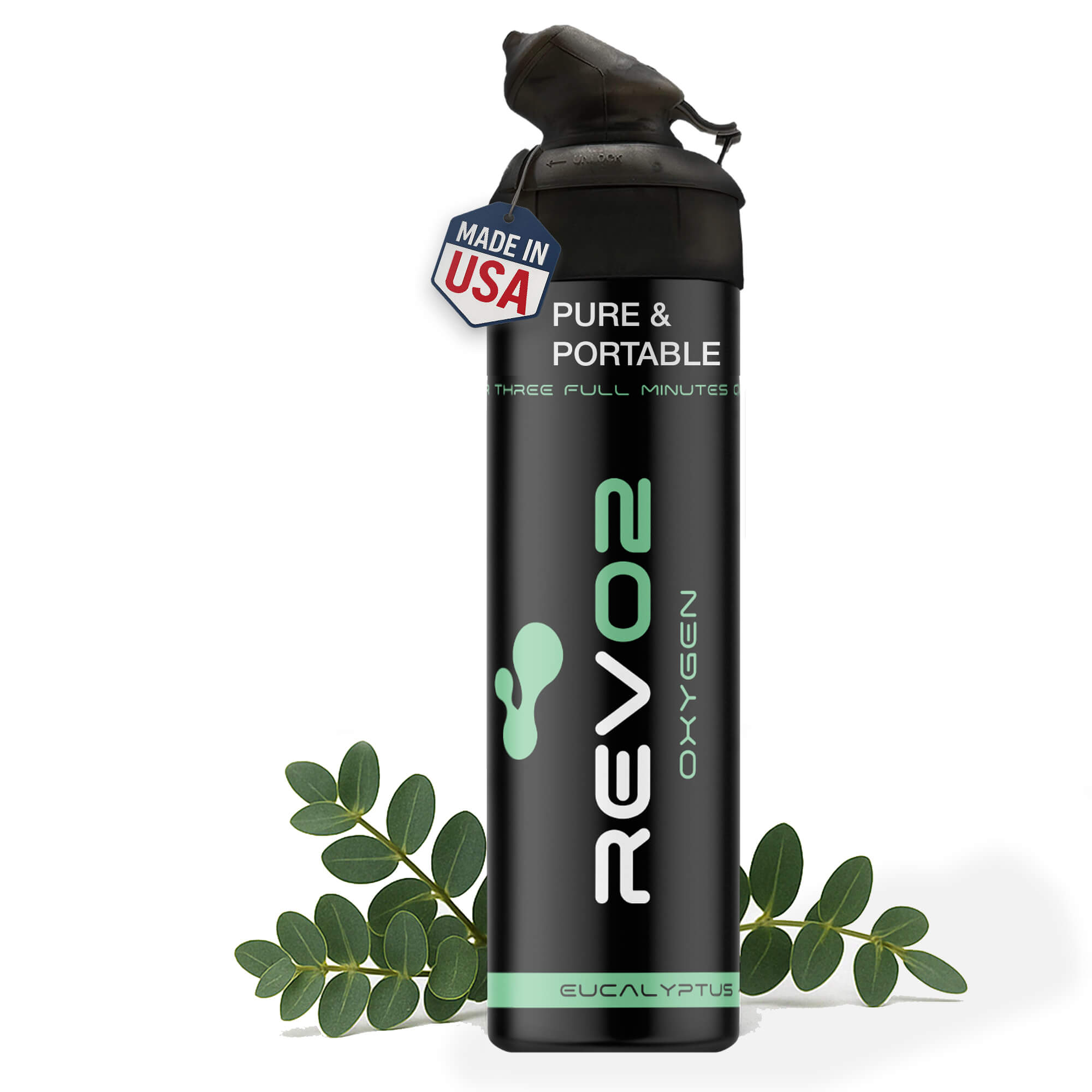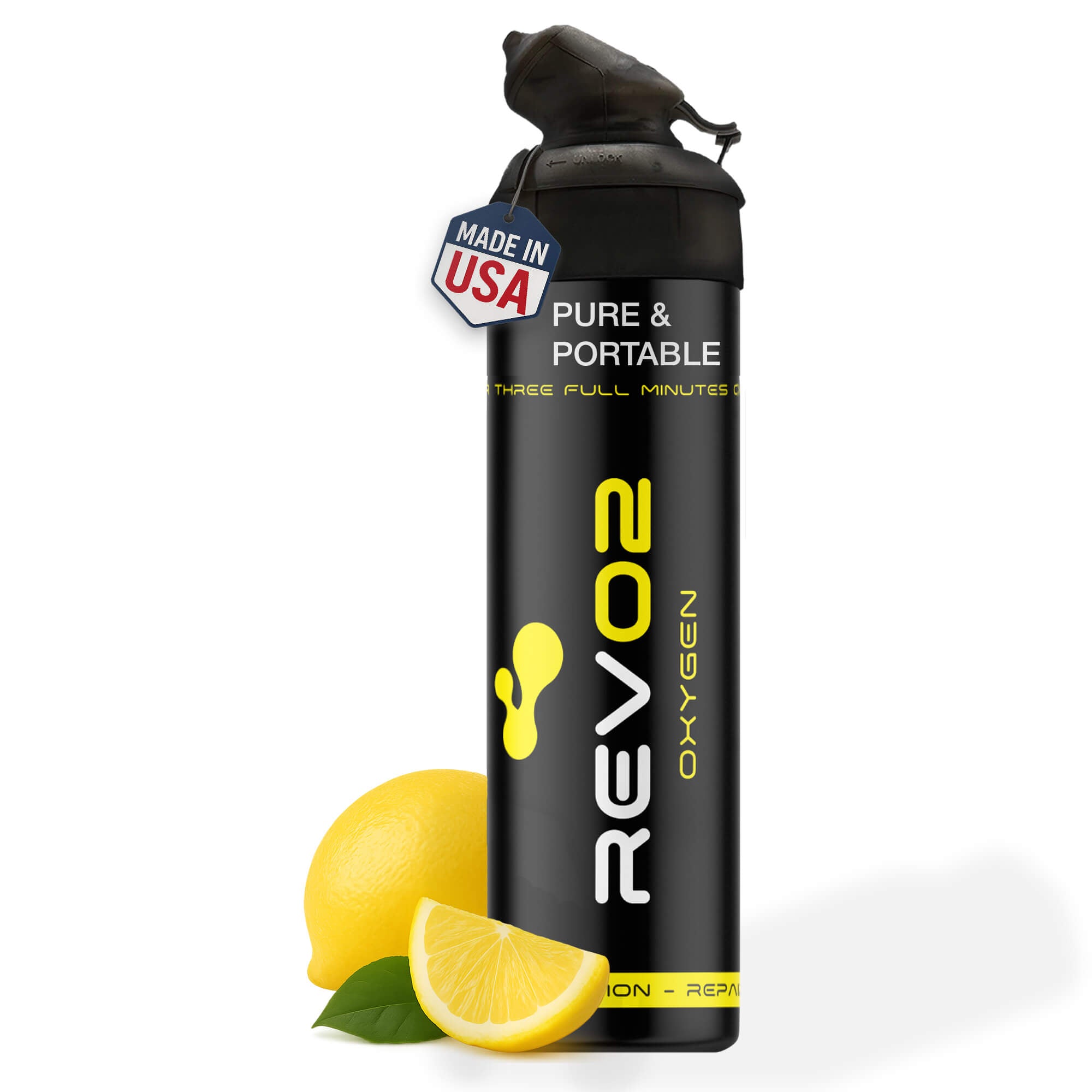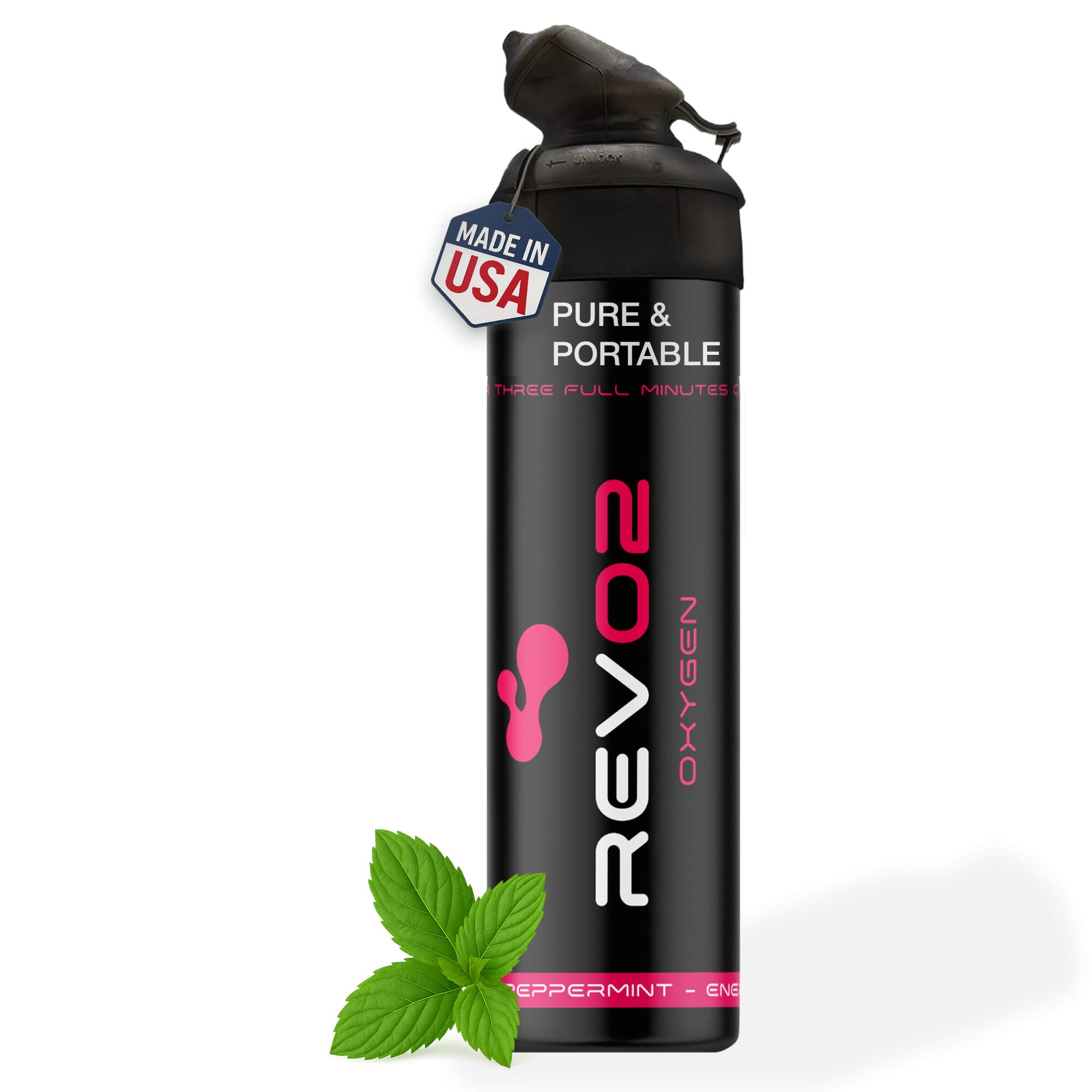

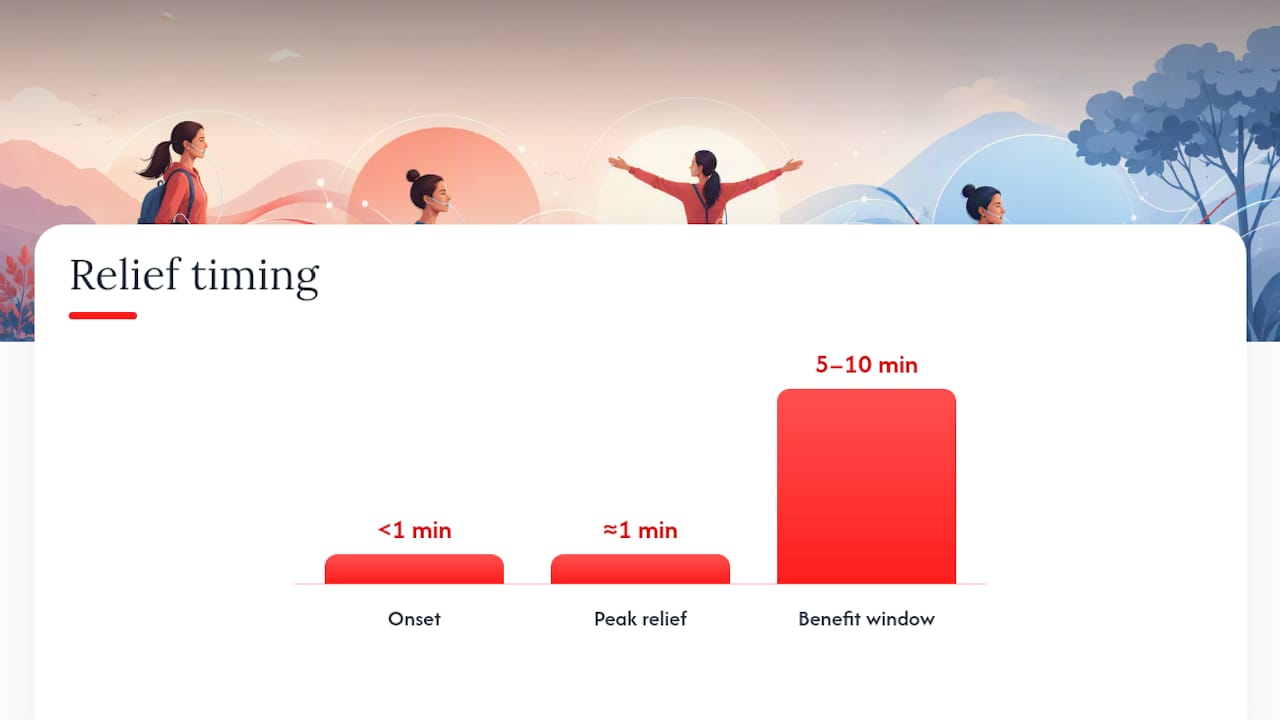
Portable 98% canned oxygen, inhaled through a mouthpiece, can deliver short, transient relief from acute stress and fatigue, and in specific windows it can offer a small edge in recovery and perceived effort. The effect is real but brief. Most benefit shows up within seconds to a minute of inhalation and fades within about five to ten minutes as blood oxygen returns to baseline.
Two situations illustrate this well. A runner who inhales for a few seconds right after a hard interval may recover faster for the next rep. A hiker who feels lightheaded at 9,000 feet can get quick symptom relief from a few deliberate breaths, though it does nothing to speed up acclimatization.
The safety line matters just as much as the benefit: canned oxygen is not a substitute for prescription oxygen therapy, and it should never delay a call for emergency care when breathing trouble is severe.
- Works best in short, targeted bursts, not continuous use
- Benefit window: roughly 5 to 10 minutes before returning to baseline
- Strongest evidence: post-exertion recovery and acute breathlessness relief
- Not a treatment for chronic lung disease or a substitute for 911
Key Takeaways
| Point | Details |
|---|---|
| Effect is transient | Blood oxygen returns to baseline within about 5 to 10 minutes, so timing matters more than dose. |
| Best evidence is recovery-specific | A trial in swimmers found faster sprint recovery and lower perceived exertion using a 5-second inhalation post-effort. |
| Altitude relief is symptomatic, not curative | Canned oxygen eases discomfort but doesn’t replace the natural acclimatization most travelers complete in 24 to 48 hours. |
| Safety limits are real | OTC canned oxygen isn’t FDA-approved as a medical device and should never delay emergency care or replace prescribed therapy. |
| REV/O2 fits the recovery-window use case | Its 98% pure oxygen and zero-leak mouthpiece support the deliberate, short-inhalation technique the research favors. |
Table of Contents
- What Is the Oxygen Stress Connection in the Body?
- Does Research Support Oxygen for Stress and Performance?
- Who Actually Benefits From Short Oxygen Bursts?
- How Should You Use Canned Oxygen for the Best Results?
- What Are the Safety Limits of Canned Oxygen?
- Why REV/O2’s Design Fits the Recovery-Targeted Use Case
- What the Evidence Actually Tells Us to Prioritize
- Ready to Try Recovery-Targeted Oxygen?
- Sources
What Is the Oxygen Stress Connection in the Body?
The oxygen stress connection describes how a brief spike in inhaled oxygen concentration changes what your body and brain register as effort, discomfort, or air hunger, even when your baseline oxygen saturation was already normal. Breathing 98% oxygen instead of room air, which is roughly 21% oxygen, raises the fraction of inspired oxygen (FiO2) dramatically for the few seconds you’re inhaling it.
Here’s what happens next, step by step:
- FiO2 spikes. Arterial oxygen tension (PaO2) rises briefly, and more oxygen dissolves directly into blood plasma, not just what hemoglobin carries.
- Air hunger eases. That extra dissolved oxygen can reduce the sensation of breathlessness, which matters most when stress or panic has triggered rapid, shallow breathing.
- Recovery chemistry gets a nudge. In the first 30 to 60 seconds after intense effort, the added oxygen availability can accelerate phosphocreatine (PCr) resynthesis, the process muscles use to rebuild the energy stores burned during a sprint or heavy lift.
- It fades fast. The body has no way to bank extra oxygen for later. Once you stop inhaling, blood oxygen drifts back toward normal within minutes.
That last point is the one people misunderstand most. This isn’t a battery you charge for the day. It’s a brief physiological nudge, useful exactly when timed to a specific moment of need, whether that’s a stress spike or a recovery window between sets.
Does Research Support Oxygen for Stress and Performance?
The strongest evidence favors short, recovery-timed use rather than continuous breathing during activity. A meta-analysis of hyperoxic breathing found that raising FiO2 to at least 0.30 produced a large effect on time-to-exhaustion tasks (effect size g = 0.89) and a smaller but still meaningful effect on time trials (g = 0.56), though results vary by exercise type and protocol.
The numbers that matter: A randomized, placebo-controlled crossover trial in trained aquatic athletes found that a 5-second inhalation of 98% oxygen during recovery led to faster subsequent 50-yard sprint times (a mean paired difference of nearly one full second) and lower perceived exertion scores compared to placebo.
That trial is one of the clearest signals in this field because it isolated the recovery window specifically, rather than testing oxygen during continuous exertion. Other reviews back the same pattern:
- A broad literature review spanning 1975 to 2016 found acute hyperoxia improved performance by roughly 3% to 30% depending on the sport and protocol, but flagged inconsistent methodology across studies.
- Effects are consistently modest or absent in continuous, long-duration activities like distance running, where the body’s oxygen delivery system, not oxygen availability, tends to be the limiting factor.
- Most positive trials involve small sample sizes, so individual results can vary more than the averages suggest.
One more fact worth knowing before you buy anything: over-the-counter canned oxygen is a consumer wellness product, not a medical device. It carries no FDA approval as a therapeutic treatment, and manufacturers market it for recovery and comfort, not diagnosis or disease treatment.
Who Actually Benefits From Short Oxygen Bursts?
The oxygen stress relationship isn’t universal. It’s strongest for people whose need is brief, situational, and tied to a specific moment, not people managing an ongoing medical condition.
- Repeated-effort athletes. Sprinters, swimmers, and anyone doing interval training with short rest periods are the best-matched use case, since the trial evidence centers on recovery windows between efforts.
- High-altitude travelers with mild symptoms. A few breaths can ease lightheadedness or headache at elevation, though roughly 90% of people acclimatize naturally within 24 to 48 hours without any intervention.
- People caught in a breathlessness or panic cycle. A short, deliberate inhalation can interrupt the spiral of shallow, rapid breathing that acute stress often triggers.
- Seniors and busy workers dealing with acute fatigue spikes, provided they don’t have underlying chronic lung disease.
Who won’t benefit: anyone managing chronic hypoxemia, needing continuous oxygen delivery, or experiencing serious cardiopulmonary symptoms. Those situations call for a clinician, not a canned product.
Pro Tip: If you’re not sure which category you fall into, ask yourself whether the discomfort is a one-time spike (a hard workout, a high pass on a road trip) or a recurring pattern. Recurring symptoms deserve a doctor’s evaluation before a canned oxygen habit.
How Should You Use Canned Oxygen for the Best Results?
Timing and technique decide whether a canned oxygen session does anything at all. Random puffing whenever you feel tired wastes product and blunts the effect you’re chasing.
- Match the window to the need. The two best-supported use cases are the 30 to 60 seconds immediately following a hard physical effort, and the moment acute breathlessness or panic symptoms start.
- Inhale deliberately, not quickly. The trial that improved sprint recovery used a single, sustained 5-second inhalation, not a rapid one-second puff. A slower, deeper breath pulls oxygen further into the lungs where gas exchange actually happens.
- Know your can’s limits. Consumer cans typically hold a fixed, limited volume. If you’re planning a full day at altitude or multiple hard efforts, one can likely won’t cover it; budget for more than one.
- Treat it as an aid, not a training plan. Canned oxygen fits into a recovery routine as a targeted tool for specific moments. It’s not a substitute for pacing, hydration, or actual acclimatization time.
Pro Tip: Practice the inhalation technique once before you actually need it, ideally after an easy training session. Knowing exactly how the mouthpiece feels and how deep a breath you need makes the real moment (a panic spike, a tough sprint) far less fumbly.
What Are the Safety Limits of Canned Oxygen?
Canned oxygen sold over the counter is a consumer wellness product, and that regulatory status carries real weight. A review of public comments and usage reports found that some people use OTC canned oxygen to substitute for prescribed medical oxygen, a practice that can delay proper treatment for people with real respiratory disease.
Know these limits before you rely on a can for anything beyond short-term comfort:
- If you have COPD, asthma, or another diagnosed lung condition, talk to your clinician before using canned oxygen, and never use it in place of a prescribed device.
- Canned oxygen is not built for continuous, sustained delivery. It’s a short burst, not a therapy.
- Keep any prescribed rescue inhalers or medications on hand regardless of whether you also carry canned oxygen.
Canned oxygen is for comfort in mild, transient situations. It is never a reason to delay calling for help.
Why REV/O2’s Design Fits the Recovery-Targeted Use Case
Everything the research points toward, short bursts, deliberate inhalation, and recovery-window timing, maps directly onto how REV/O2 is built.
- 98% pure oxygen matches the concentration used in the recovery-performance trial discussed above
- Zero-leak mouthpiece design supports the slower, deeper inhalation technique that outperforms quick puffs
- Athlete-informed product development reflects the repeated-effort, recovery-window use case where evidence is strongest
- Flavor options (peppermint, lemon, eucalyptus) make repeat use during training or travel more pleasant without changing the oxygen delivery
For step-by-step guidance on technique, see the full usage guide, and browse the canned oxygen collection to compare can sizes and flavors before you buy.
What the Evidence Actually Tells Us to Prioritize
The research on canned oxygen tells a narrower, more useful story than most marketing around it suggests. The strongest signal isn’t “oxygen helps you perform better.” It’s “oxygen helps you recover faster in the specific minute after you stop.” That’s a meaningfully smaller claim, and it’s the one worth building habits around.
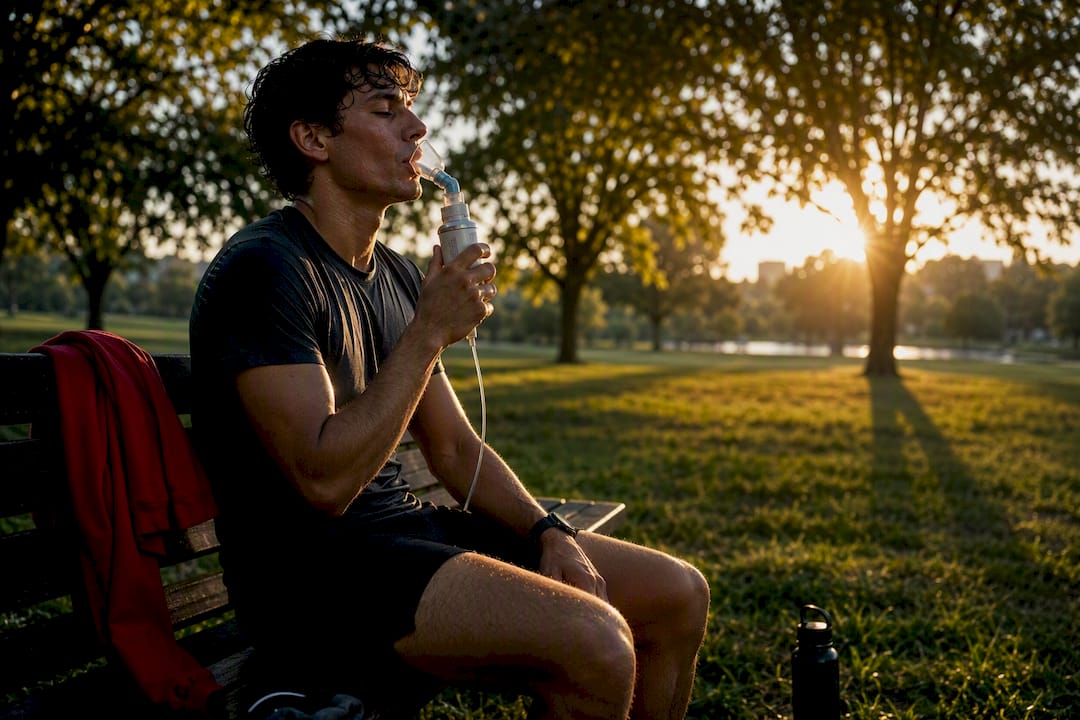
Conventional wisdom treats supplemental oxygen like a general energy booster you reach for whenever you feel run down. The evidence doesn’t support that. It supports a tool used at precise moments, post-sprint recovery, an altitude symptom spike, a breathlessness episode, not a background supplement.
If you take one thing from this guide, prioritize timing over frequency. A single well-timed inhalation right after a hard effort will do more than five random puffs spread across a stressful afternoon. The biology only cooperates in that narrow window, so that’s where your attention (and your can) should go.
Ready to Try Recovery-Targeted Oxygen?
If the research here convinced you that timing beats guesswork, REV/O2 gives you a way to actually put that into practice instead of just reading about it. Where oxygen bars and altitude tents ask you to plan a whole session around getting more air, REV/O2 fits into the thirty seconds you already have after a hard set or a rough patch on the trail, no appointment, no mask, no setup.
The zero-leak mouthpiece is built for the deliberate, sustained inhalation the research favors, not a rushed puff that barely touches your bloodstream. Hikers can check expected oxygen levels before a trip with the altitude oxygen calculator, and anyone training for repeated efforts can start with a peppermint multi-pack sized for a full week of recovery sessions rather than a single can. Pick your flavor, keep one in your gym bag or pack, and use it exactly when the science says it works best: right after the effort, not hours later.
Sources
- The effects of hyperoxia on sea-level exercise performance, training, and recovery: meta-analytic evidence
- Recovery‑Targeted Supplemental Oxygen Enhances Performance and Attenuates Perceived Fatigue During Subsequent High‑Intensity Swimming
- Does oxygen in a can deliver on its altitude and energy claims? — CU Anschutz analysis