
Poor breathing most often limits six activity groups: walking and stairs, household chores and lifting, overhead arm tasks and grooming, bathing and showering, vigorous sports and running, and talking or singing. Each becomes harder for a specific reason: your body’s oxygen demand rises faster than your lungs can meet it, posture squeezes your chest, airways narrow, muscles deconditioned by inactivity tire fast, or an environmental trigger like heat or pollen tips you over the edge. This is dyspnea on exertion, and it follows patterns you can learn to anticipate.
You don’t have to guess which tasks will wind you. A few habits help almost immediately.
- Slow your pace and split tasks into shorter bursts with rest between them.
- Use a breathing technique (pursed-lip or diaphragmatic) before and during exertion, not just after.
- Stop and seek care if breathlessness comes on suddenly, severely, or with chest pain or fainting.
Pro Tip: Test your breathing technique on an easy task, like folding laundry, before relying on it during something harder, like climbing stairs. Muscle memory built on the easy version pays off when you need it most.
Key Takeaways
Poor breathing limits activities in a predictable order, from vigorous sports down to basic mobility, and pacing plus breathing technique can slow that progression at every stage.
| Point | Details |
|---|---|
| Six activity groups most affected | Walking/stairs, chores and lifting, overhead tasks, bathing, vigorous sports, and talking/singing top the list. |
| Severity follows a pattern | Breathlessness typically limits high-intensity sport first, then stairs, then chores, then basic mobility. |
| Breathing technique works during activity | Pursed-lip and diaphragmatic breathing reduce effort when used before and during exertion, not just after. |
| Modify tasks, not just effort | A shower seat, hand-held vacuum, or split laundry loads cut physical load without dropping the activity. |
| Red flags need urgent care | Sudden severe breathlessness, chest pain, fainting, or low oxygen saturation warrant immediate evaluation. |
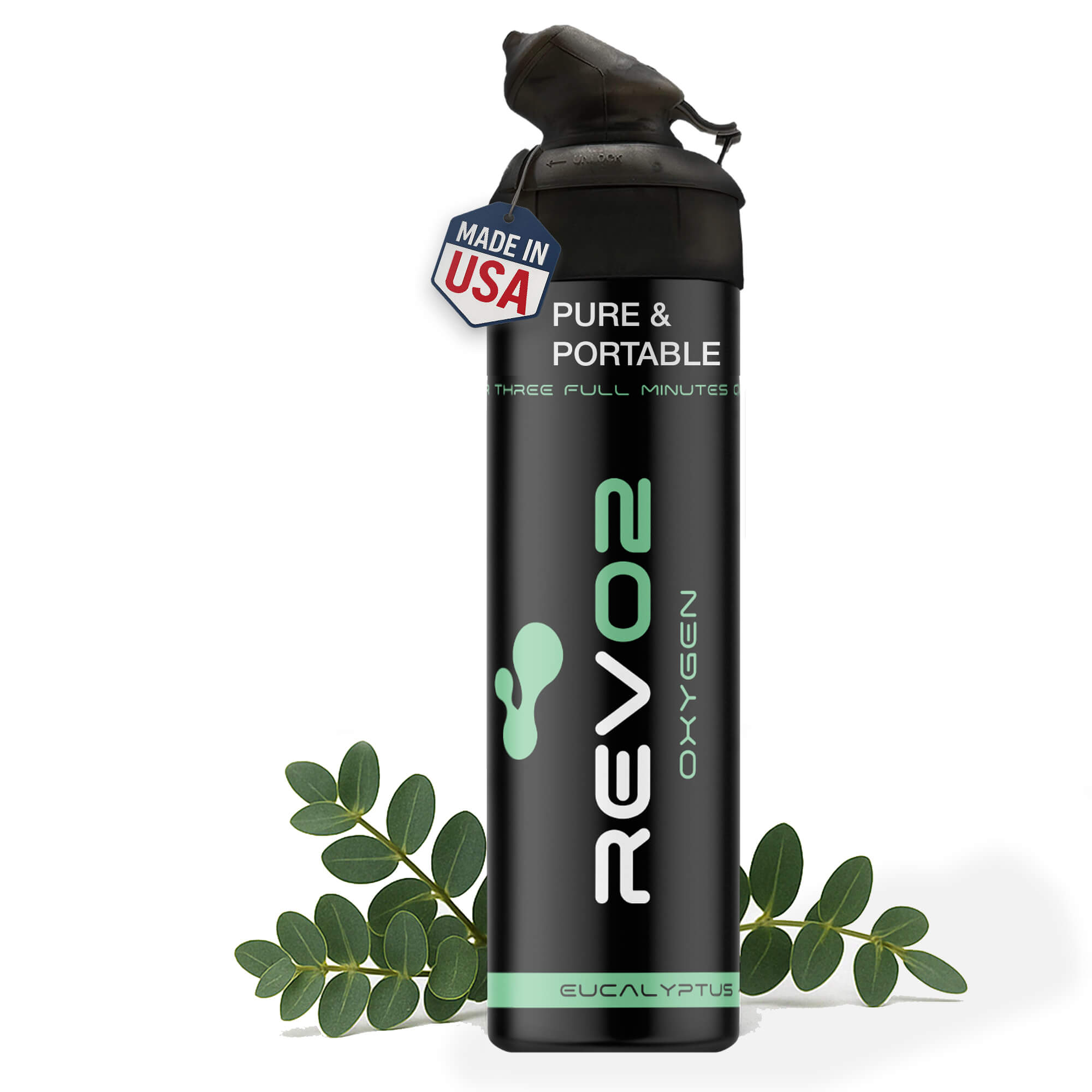
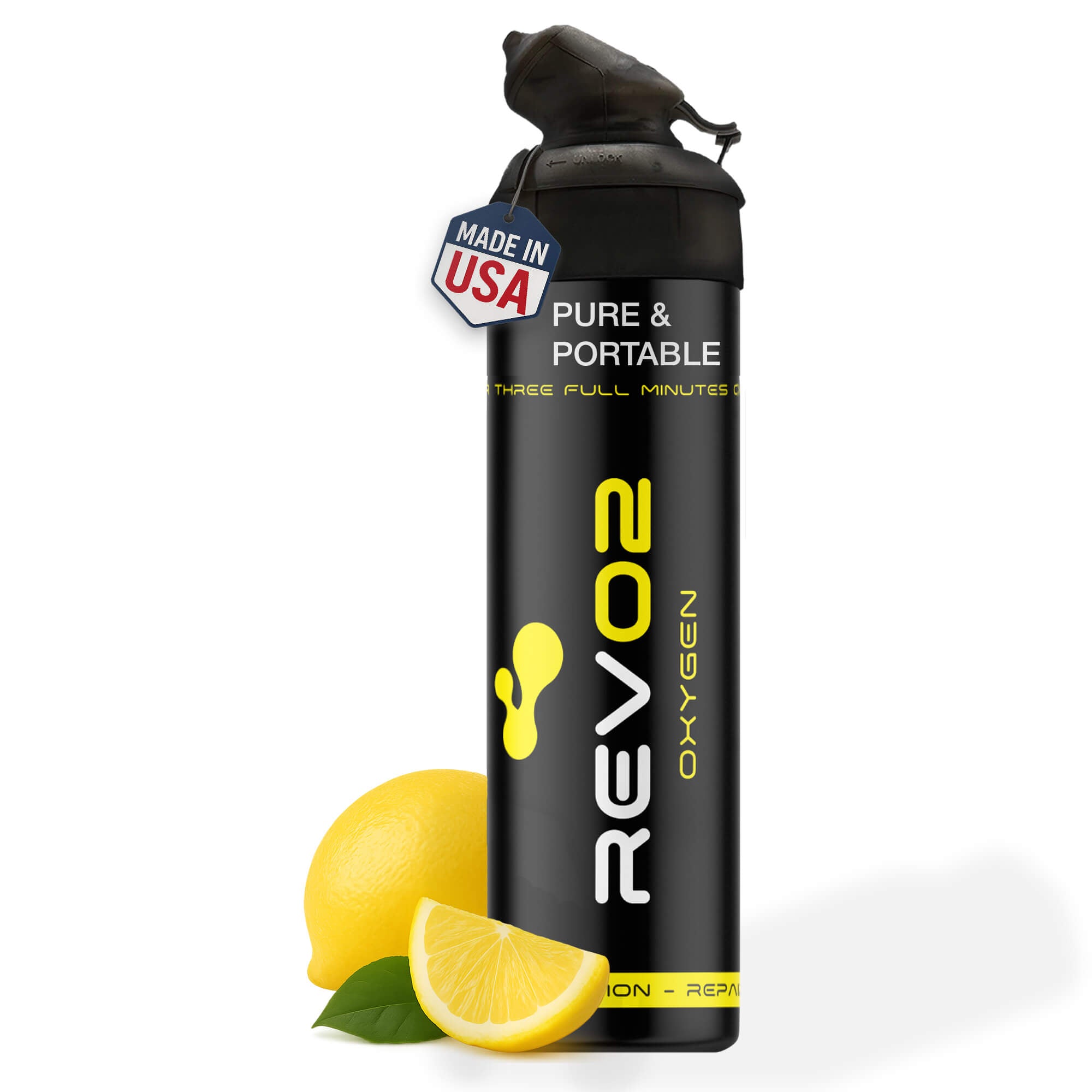
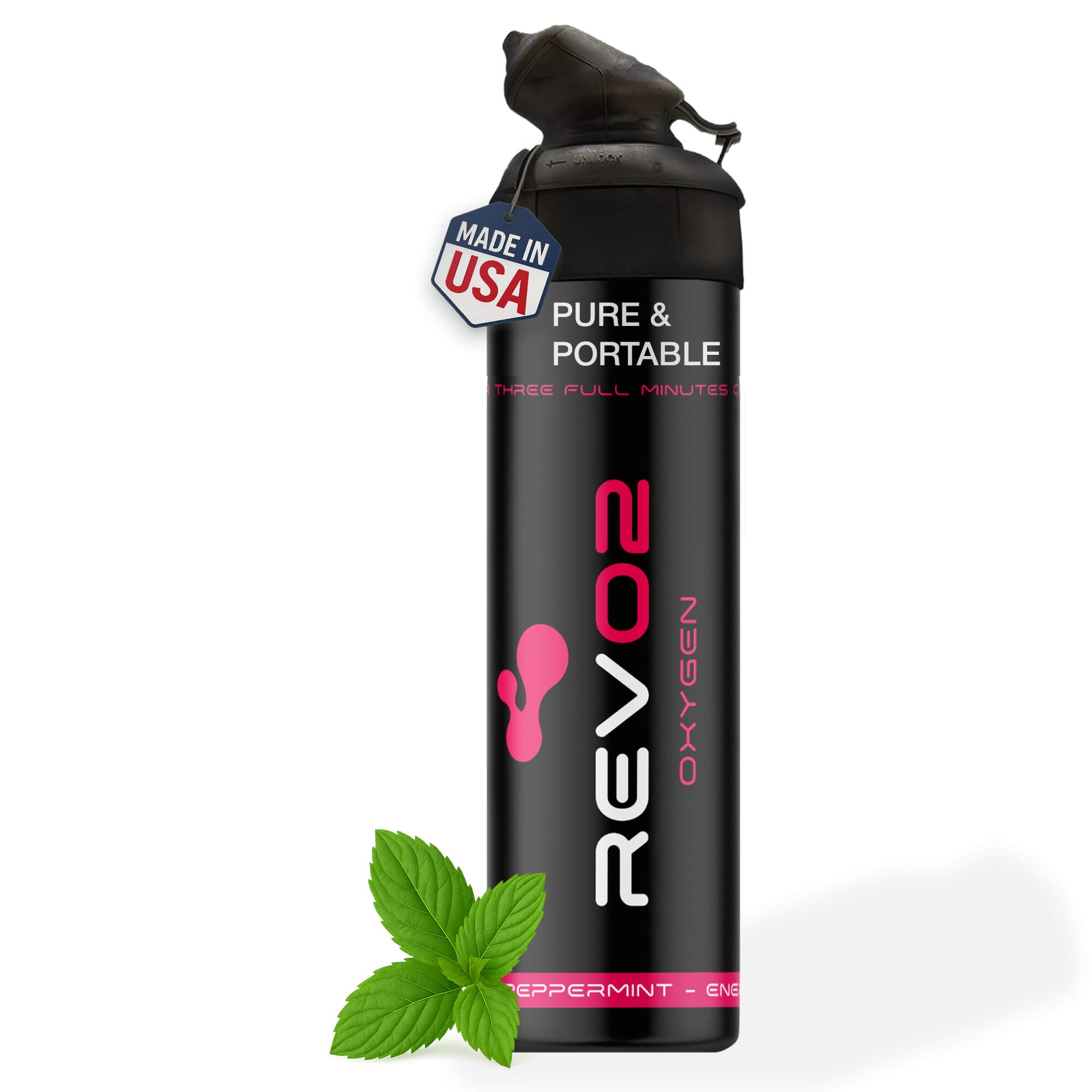
Non-prescription options like canned oxygen from Revo2 can offer a short-term boost for recovery, altitude adjustment, or an energy dip during demanding days, using a zero-leak mouthpiece designed for easy inhale without a mask. Revo2’s guide to using canned oxygen safely walks through proper use, and it’s worth reading before your first can, especially if you’re managing a diagnosed breathing condition alongside it. For hikers dealing with altitude specifically, the oxygen for hiking option is built for that exact scenario. None of this replaces a clinician’s evaluation for progressive or unexplained breathlessness, but for the between-task energy boosts that don’t require a prescription, it’s a practical tool to have on hand.
Table of Contents
- Types of Activities Limited by Poor Breathing and Why They’re Hard
- How Does Breathlessness Severity Predict Which Activities You Lose?
- How to Pace Yourself and Conserve Energy During Daily Tasks
- When Should You See a Doctor About Breathing Problems?
- Frequently Asked Questions
- Sources
Types of Activities Limited by Poor Breathing and Why They’re Hard
Walking, especially uphill and stair climbing, ranks among the tasks people with lung and heart conditions report as hardest, often “by a landslide,” according to a breakdown of daily activity difficulty from Pulmonary Wellness. The reason is straightforward: inclines and stairs multiply the oxygen your muscles demand while your lungs are already working at their ceiling.
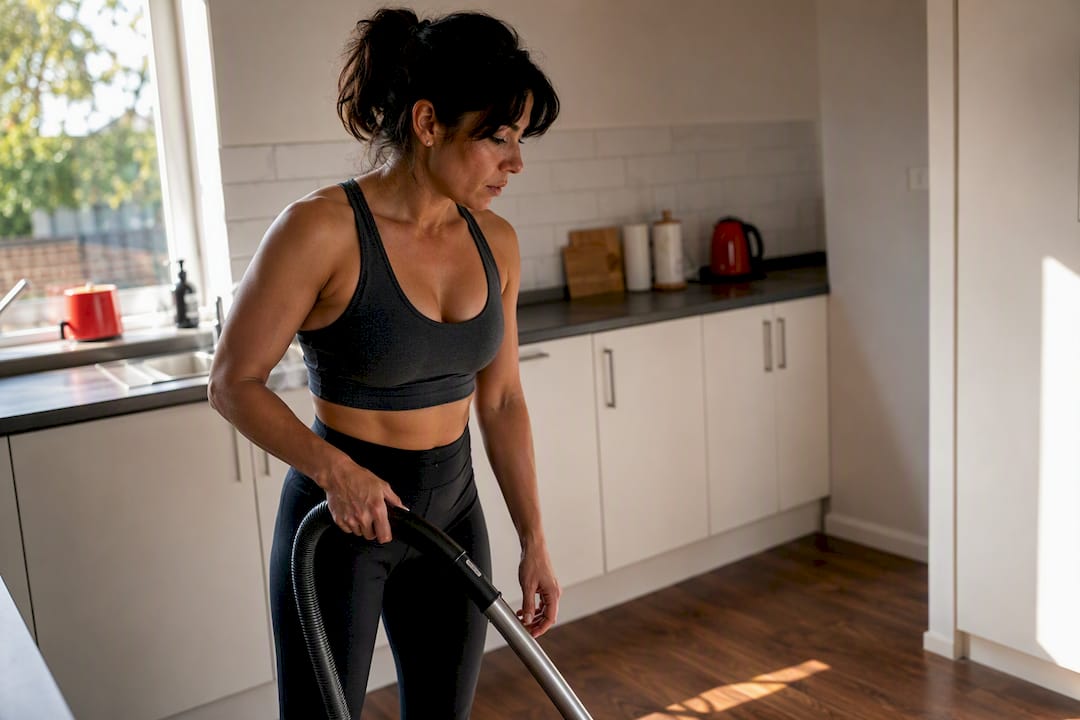
Household chores and lifting create a different problem. Vacuuming, making a bed, or hauling a laundry basket forces you to bend and compress your chest right when you need it to expand freely. Add dust or cleaning fumes and you’ve stacked a mechanical disadvantage on top of an airway irritant.
Overhead arm tasks, like washing your hair or reaching a high shelf, put your diaphragm at a mechanical disadvantage because your arms are unsupported and your torso has nothing to brace against. Leaning your forearms on a counter or shelf, closing that open chain, often eases the effort.

Bathing and showering add heat and humidity to the mix. Steam thickens the air you’re breathing and can make an otherwise manageable task feel suffocating, a pattern well documented in daily-activity guidance from Pulmonary Wellness. Lukewarm water and a cracked door or fan help.
Vigorous sports and running are usually the first activities people give up, since sprinting or high-intensity cardio pushes past your ventilatory ceiling faster than anything else on this list.
Talking and singing require continuous exhalation, which competes directly with your next inhale. Pacing your sentences, and pausing to breathe between phrases, keeps you from running out of air mid conversation.
Environmental triggers, pollen, heat, cold air, or high altitude, can turn a normally tolerable walk into a struggle, which matters if you travel or exercise outdoors.
How Does Breathlessness Severity Predict Which Activities You Lose?
Clinicians commonly grade breathlessness on a simple scale, often called mMRC, running from “breathless only with strenuous exercise” at the mild end to “breathless getting dressed” at the severe end. The scale is useful because activity loss doesn’t happen randomly. It follows a fairly predictable order.
- Mild: running, competitive sports, and fast walking become difficult first.
- Moderate: stair climbing and brisk walking on flat ground start to require breaks.
- Moderately severe: household chores, carrying groceries, and light yard work get harder.
- Severe: basic mobility and self-care, dressing, bathing, walking across a room, become limited.
Research tracking people with mMRC scores of 3 to 4 found their most commonly abandoned activities were mobility, household chores, and even lower-intensity sports, a pattern researchers describe as a shrinking lifespace tied directly to mMRC grade. Knowing where you sit on this progression helps you anticipate what’s next, rather than being surprised by it.
How to Pace Yourself and Conserve Energy During Daily Tasks
Managing exertional breathlessness comes down to two skills: spending your energy deliberately and breathing in a way that keeps air moving efficiently. Here’s how to build both.
- Plan before you start. Break a task like cleaning the kitchen into stages, and decide where you’ll pause before you’re forced to.
- Sit whenever the task allows it. Folding laundry or preparing vegetables works fine from a chair, and sitting cuts your oxygen demand immediately.
- Practice pursed-lip breathing during exertion. Inhale through your nose for two counts, then exhale slowly through pursed lips for four counts. This keeps airways open longer and slows your breathing rate.
- Use diaphragmatic breathing at rest between bursts of activity. Place a hand on your belly, breathe so it rises more than your chest does, and let your exhale be longer than your inhale.
- Modify the task, not just your effort. A shower seat, a lightweight hand-held vacuum, and splitting one large laundry load into two smaller ones all reduce the physical load without cutting the activity out entirely.
Pacing, breathing technique, and gradual conditioning are the three pillars Cleveland Clinic points to for managing everyday exertional breathlessness, and they work together rather than as substitutes for each other. A related approach worth practicing is diaphragmatic breathing drills you can run through at home before you need them under pressure.
Supplemental oxygen or prescription treatment may be appropriate for some people, but that decision belongs to a clinician who has evaluated your specific case, not a guess based on symptoms alone.
Pro Tip: Time your breathing to your steps on stairs, inhaling for one step and exhaling for two. On errands, lean on a shopping cart or stroller the way you would a countertop, it gives your arms support and your diaphragm room to work.
When Should You See a Doctor About Breathing Problems?
Some symptoms need attention right now, not at your next scheduled visit. Sudden, severe breathlessness, chest pain, fainting, or a noticeable drop in oxygen saturation are red flags for urgent care.
Outside of an emergency, book an outpatient evaluation if your limitation is progressing, if you’re stopping frequently during tasks that used to be routine, or if breathlessness shows up with minor exertion for the first time. A clinician will likely start with spirometry to measure airflow, possibly a chest X ray, and in some cases cardiopulmonary exercise testing (CPET), which measures breathing reserve to pinpoint whether your limitation is ventilatory, cardiac, or muscular, since BR under 15% is a common threshold reviewed for ventilatory limitation.
Treatment often expands what you’re able to do rather than just easing symptoms. Pulmonary rehabilitation, inhaler therapy, targeted cardiac care, and supplemental oxygen when clinically indicated have all been shown to improve activity tolerance for people with a range of underlying causes, according to an overview of unexplained dyspnea and exercise intolerance. Never adjust prescription oxygen flow or medication doses without your clinician’s guidance.
What Actually Helps Once the Fear Sets In?
Breathlessness scares people, and the fear itself makes breathing worse by triggering shallow, rapid breaths that waste oxygen. I’ve come to think the psychological piece gets treated as an afterthought when it’s often the actual obstacle. Someone who avoids a walk because they’re afraid of feeling breathless, not because their lungs can’t handle it, needs a different kind of help than someone whose airways are genuinely obstructed.
Small adaptations, pacing a task, practicing a breathing technique before you need it, tend to restore more confidence than people expect. Combined with the right clinical evaluation, they often let you reclaim activities you’d quietly written off.
Frequently Asked Questions
What types of activities are limited by poor breathing first? High-intensity activities like running and competitive sports are usually the first to go, followed by stair climbing and brisk walking, then household chores, and finally basic self-care tasks in more severe cases.
Can breathing exercises really help during activity, or only afterward? Pursed-lip and diaphragmatic breathing work best when used during the activity itself, not just as recovery afterward. Practicing the technique on an easy task first builds the habit before you need it under pressure.
Is it normal to feel out of breath washing my hair or reaching a shelf? It’s common, and it happens because raised arms remove support your diaphragm normally relies on. Leaning your forearms on a surface while doing the task often reduces the effort noticeably.
When does shortness of breath during daily tasks mean I need a doctor? See a clinician if the limitation is getting worse over weeks, if you’re stopping frequently during once-routine tasks, or if breathlessness with minor exertion is new for you. Sudden, severe breathlessness with chest pain or fainting needs emergency care immediately.
This article is general information, not a substitute for advice from a qualified doctor. Consult a qualified healthcare professional about your own circumstances before acting on anything here.
Sources
- Activity loss and progression by mMRC level
- Activities of Daily Living — Pulmonary Wellness
- Scoping review of CPET criteria for exercise limitation — PMC
- Dyspnea (shortness of breath) — Cleveland Clinic