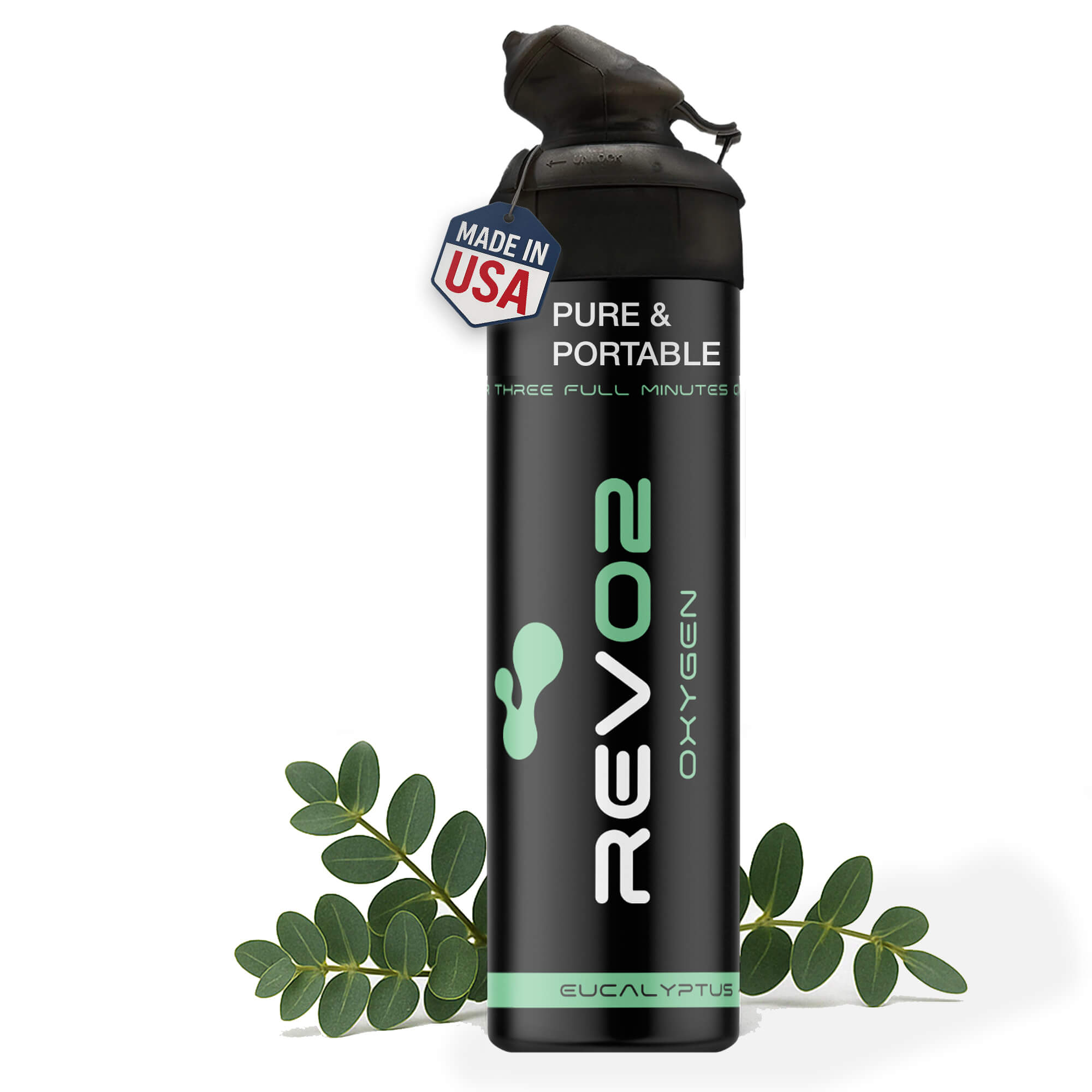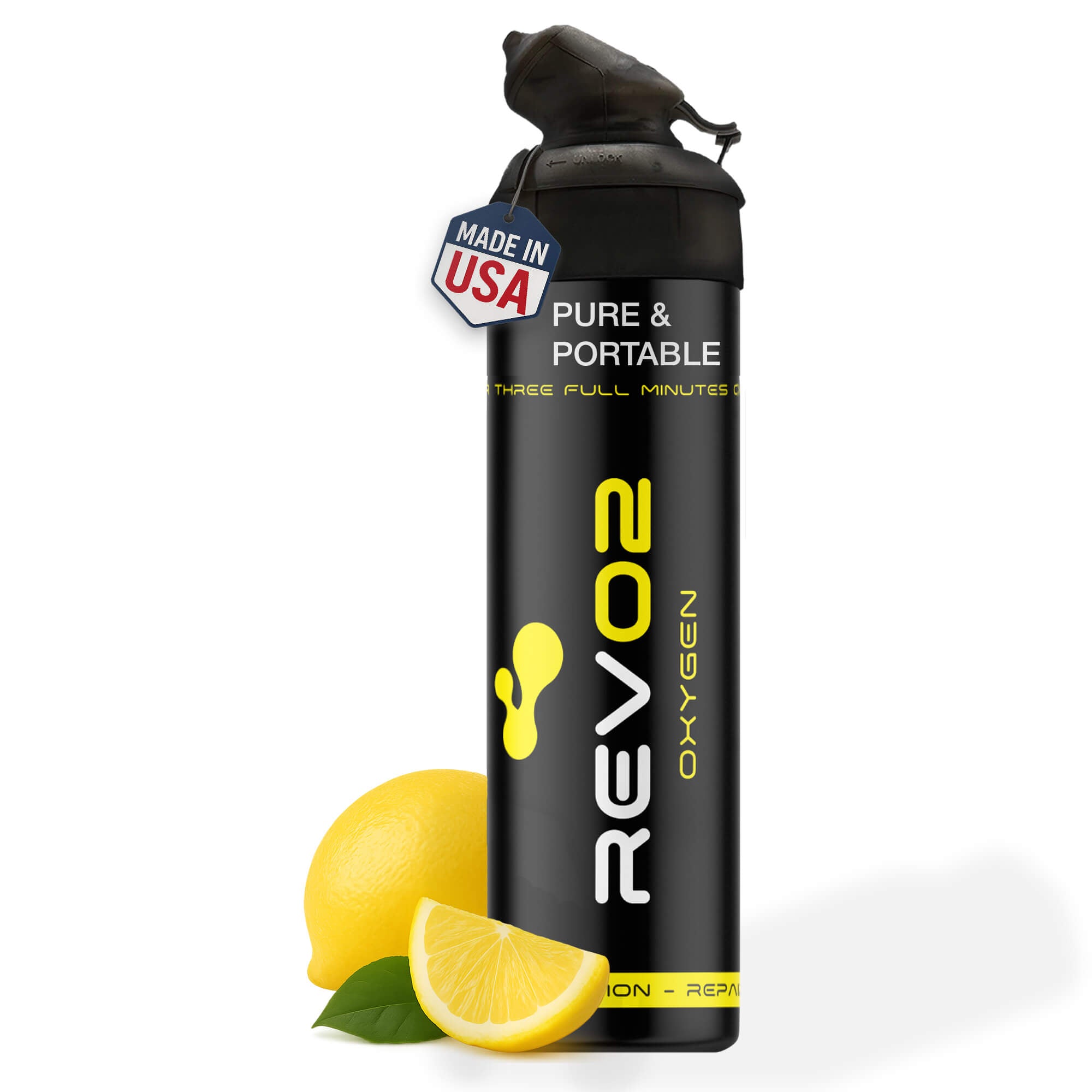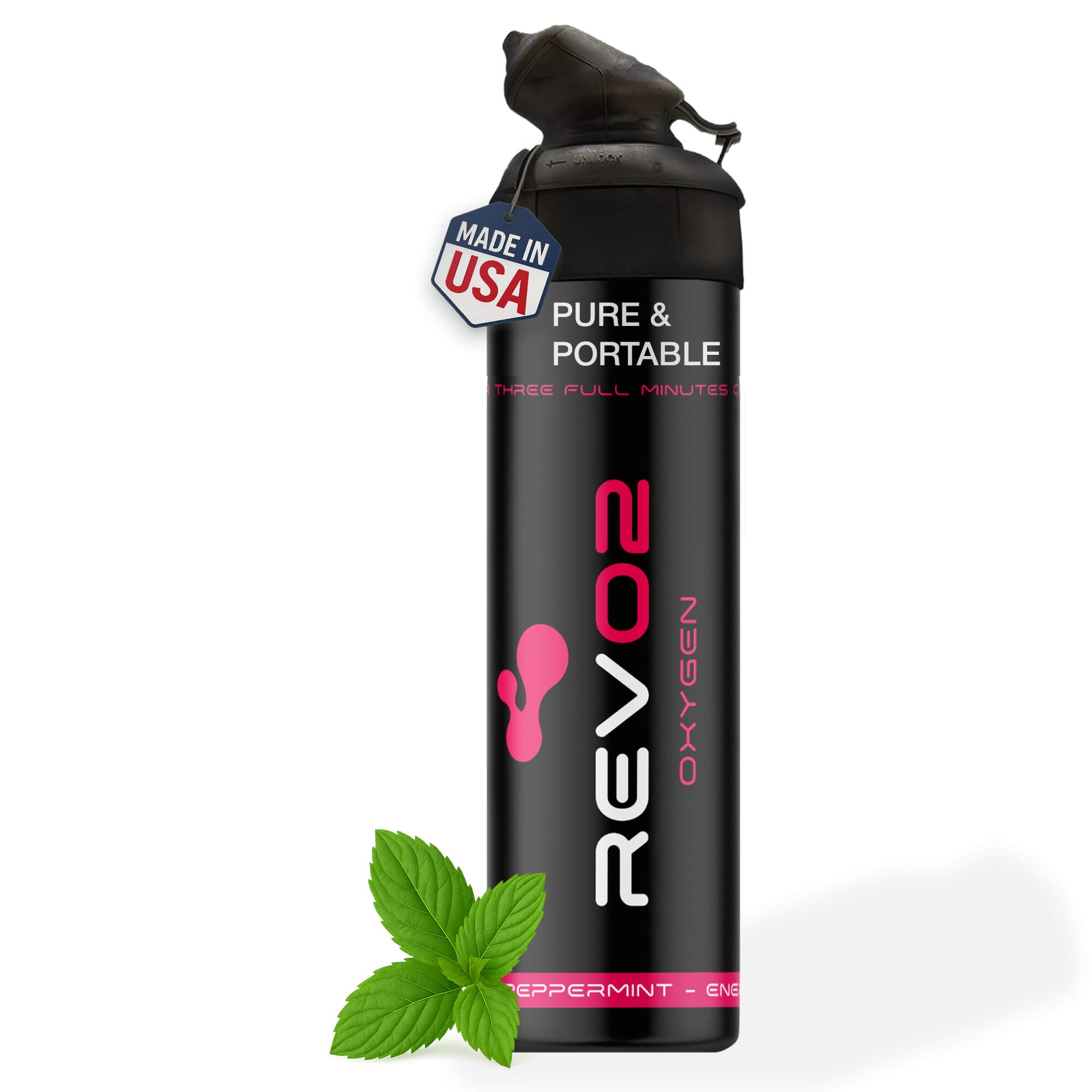

Oxygen is the primary driver of travel recovery, restoring energy and mental clarity after flights, altitude exposure, and physical exertion. When you board a long-haul flight or ascend to high altitude, your body faces a condition called hypobaric hypoxia, where reduced atmospheric pressure lowers the amount of oxygen reaching your blood. The result is a familiar cluster of symptoms: fatigue, foggy thinking, and sluggish muscles. Understanding how oxygen improves travel recovery gives you a real physiological edge, whether you’re stepping off a transatlantic flight or summiting a high-altitude trail. Revo2 delivers 98% pure canned oxygen designed specifically for these moments.
How does reduced cabin pressure affect oxygen and fatigue?
Aircraft cabins are pressurized to roughly 6,000–8,000 feet, not sea level. That altitude equivalent lowers the partial pressure of oxygen in the cabin air, which reduces how much oxygen your lungs can transfer to your blood. The effect is clinically meaningful, not just a minor inconvenience.
Healthy travelers compensate through two automatic responses: increased breathing rate and elevated cardiac output. Both mechanisms push more oxygen into circulation. The problem is that this compensation costs energy, and over a long flight, it quietly drains your reserves.

Travelers with limited physiological reserve, including those with respiratory conditions, older adults, or anyone already fatigued, face a steeper challenge. For them, oxygen desaturation at cabin pressure can trigger noticeable symptoms including impaired concentration, persistent tiredness, and in severe cases, collapse. Even fit travelers are not fully immune.
The oxygen–hemoglobin dissociation curve explains why two people on the same flight can feel completely different afterward. Small drops in oxygen partial pressure produce disproportionately large drops in blood oxygen saturation for some individuals, depending on where they sit on that curve. One traveler lands refreshed; another lands exhausted. The difference is biology, not willpower.
Key symptoms of in-flight hypoxic stress include:
- Fatigue and low energy that persists after landing
- Difficulty concentrating or processing information
- Headache and mild dizziness
- Slower physical reaction times
- Disrupted sleep during and after the flight
Understanding your personal oxygen saturation at altitude is the first step toward addressing travel fatigue at its source.
What does research say about oxygen’s role in post-exertion recovery?
The science on recovery-targeted oxygen use is specific and encouraging. A study with 18 collegiate aquatic athletes found that a brief 5-second inhalation of 98% oxygen during the recovery phase after maximal exertion improved subsequent sprint performance by a mean of 0.99 seconds and reduced perceived fatigue. That is a measurable gain from a single, brief intervention timed at the right moment.
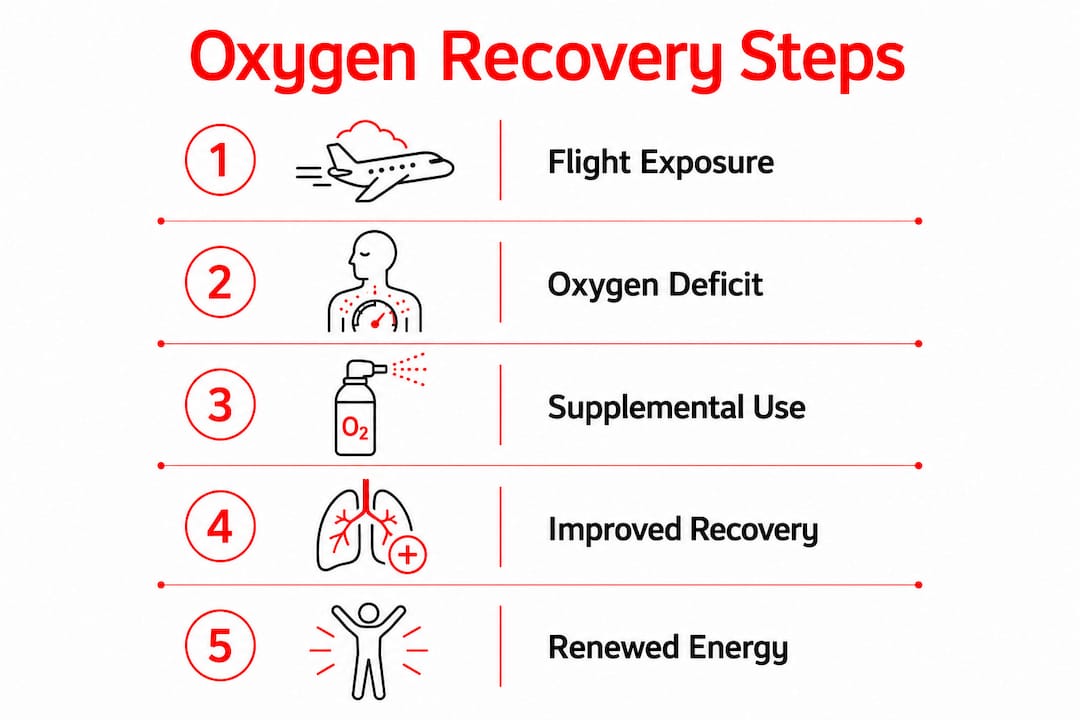
The mechanism behind this result involves phosphocreatine resynthesis. Oxygen accelerates the rebuilding of phosphocreatine, the fuel your muscles burn during intense effort. Faster resynthesis means your muscles recover their capacity sooner, which translates directly to less fatigue and better subsequent performance. For travelers, the parallel is clear: the exertion of long travel, carrying luggage, navigating airports, and adjusting to altitude all deplete similar energy systems.
Timing is the critical variable. Hyperoxic recovery interventions are more effective when oxygen is delivered at the onset of recovery rather than continuously during activity. Giving your body a concentrated oxygen boost immediately after the stressful phase, not during it, produces the strongest benefit. This is a counterintuitive but well-supported finding.
Mild hyperbaric oxygen therapy (MHOT) adds another layer of evidence. Repeated MHOT sessions improve subjective sleep quality and increase both cerebral and muscular oxygenation after fatigue, with cumulative benefits building across sessions. Sleep quality is especially relevant for travelers dealing with jet lag and disrupted circadian rhythms.
Key recovery benefits supported by research:
- Faster phosphocreatine resynthesis in fatigued muscles
- Reduced perceived exertion after high-intensity effort
- Improved sleep quality and brain oxygenation with repeated use
- Enhanced aerobic performance recovery, though not anaerobic capacity
Pro Tip: Use supplemental oxygen immediately after landing or completing a strenuous hike, not during the activity itself. The recovery window is when oxygen delivery produces its strongest effect on fatigue reduction.
For a deeper look at how these mechanisms apply to athletic performance, the oxygen benefits for athletes guide covers the research in detail.
How should travelers safely use supplemental oxygen before and after flights?
Safe oxygen use starts with knowing whether you actually need it. The fitness-to-fly test, also called a hypoxic challenge test, is the clinical standard for this assessment. The test simulates cabin oxygen levels using a low-oxygen mask while monitoring your oxygen saturation and heart rate. The result tells a clinician exactly how your body responds to the oxygen partial pressure of a pressurized cabin.
This matters because guessing your oxygen needs is genuinely risky. Without personalized testing, travelers risk either persistent hypoxic stress from too little oxygen or unsafe activity levels from false confidence in unstable oxygenation. Clinical titration removes that uncertainty.
For healthy travelers using portable supplemental oxygen as a recovery aid rather than a medical necessity, the practical protocol is simpler. Follow these steps to use supplemental oxygen effectively during travel:
- Assess your baseline. If you have any respiratory condition, complete a fitness-to-fly test before booking long-haul or high-altitude travel.
- Time your use correctly. Use supplemental oxygen during the recovery phase: after landing, after a strenuous hike, or after any period of sustained exertion at altitude.
- Check airline regulations. Most airlines prohibit passenger-supplied oxygen on board. Confirm your carrier’s policy before travel and arrange in-flight oxygen through the airline if clinically required.
- Pair oxygen with rest and hydration. Supplemental oxygen works best alongside adequate water intake and rest. Dehydration compounds the effects of altitude-related fatigue.
- Avoid continuous use without clinical guidance. Portable canned oxygen is designed for short, targeted recovery sessions, not prolonged continuous inhalation.
Pro Tip: If you are traveling to destinations above 8,000 feet, read up on supplemental oxygen for altitude before your trip. Preparation reduces the severity of altitude-related fatigue significantly.
The role of oxygen in airplane cabins is worth understanding before you fly, especially if you are planning a high-altitude destination immediately after a long flight.
What individual factors affect how well oxygen works for travel recovery?
More oxygen is not automatically better. Benefits occur primarily when oxygen delivery is actually limiting, either because of hypoxic conditions or because the body is in a recovery state after exertion. In a healthy person at sea level with normal oxygen saturation, additional oxygen produces minimal measurable benefit. The intervention only works when there is a genuine deficit to correct.
Individual variability is substantial. Two travelers on the same flight can experience very different fatigue levels because of differences in their physiological reserve and their position on the oxygen–hemoglobin dissociation curve. Age, fitness level, respiratory health, and even hydration status all shift where you fall on that curve.
A common misconception is that oxygen concentration and oxygen partial pressure are the same thing. They are not. At high altitude, the air still contains roughly 21% oxygen by concentration, the same as at sea level. What changes is the partial pressure, which determines how much oxygen actually crosses from your lungs into your blood. This is why breathing normal air at altitude feels insufficient even though the percentage of oxygen in the air has not changed.
| Situation | Supplemental oxygen benefit |
|---|---|
| Post-flight fatigue at sea level | Moderate, especially if desaturation occurred during flight |
| High-altitude hiking recovery | Strong, partial pressure deficit is real and measurable |
| Recovery after intense physical exertion | Strong, supports phosphocreatine resynthesis and reduces perceived fatigue |
| Healthy traveler at normal altitude | Minimal, no genuine oxygen deficit to correct |
| Traveler with respiratory condition | Requires clinical assessment before use |
Travelers with lung conditions or reduced physiological reserve should rely on clinical fitness-to-fly testing rather than self-experimentation. The stakes are higher, and the right oxygen flow rate matters.
For travelers without clinical conditions, the clearest signal that supplemental oxygen will help is persistent fatigue after altitude exposure or a long flight, especially when rest and hydration alone are not restoring your energy within a reasonable timeframe.
Key Takeaways
Oxygen improves travel recovery by correcting the partial pressure deficit created by cabin pressure and altitude, with the strongest benefit delivered during the recovery phase immediately after exertion or flight.
| Point | Details |
|---|---|
| Cabin pressure creates real hypoxia | Aircraft cabins simulate 6,000–8,000 feet, reducing blood oxygen in susceptible travelers. |
| Timing determines effectiveness | Supplemental oxygen works best at recovery onset, not during activity or continuously. |
| Individual response varies widely | Position on the oxygen–hemoglobin dissociation curve explains why fatigue differs between travelers. |
| Clinical testing prevents risk | Fitness-to-fly tests identify oxygen needs and prevent under- or over-supplementation. |
| Oxygen complements rest and hydration | Supplemental oxygen is most effective when paired with adequate sleep and fluid intake. |
Why I think most travelers misuse supplemental oxygen
The biggest mistake I see is treating supplemental oxygen like a continuous comfort item rather than a targeted recovery tool. Travelers reach for it during a flight, during a hike, or whenever they feel slightly off. The research does not support that approach. The evidence clearly points to recovery onset as the moment of highest benefit, not the middle of exertion.
The second mistake is skipping pre-travel clinical screening. Travelers with any respiratory history who self-experiment with oxygen flow rates are taking a real risk. A fitness-to-fly test takes less than an hour and gives you a clinically derived answer. That is a far better foundation than guessing.
What I find genuinely underappreciated is how well supplemental oxygen pairs with the basics: sleep, water, and rest. Oxygen is not a replacement for those fundamentals. It is a complement that accelerates the recovery process when your body is already doing the right things. Travelers who combine targeted oxygen use with proper hydration and a recovery rest period after long flights consistently report better outcomes than those who rely on oxygen alone.
The long-term effects of certain oxygen therapies, including repeated MHOT, are still being studied. For most travelers, short-burst portable oxygen used at recovery timing is the most evidence-supported and lowest-risk approach available right now.
— Paul
Revo2 canned oxygen for post-travel recovery
Revo2 delivers 98% pure canned oxygen in a portable format built for exactly the recovery moments this article describes: after landing, after a strenuous hike, or after any period of altitude exposure.
The zero-leak mouthpiece design means every inhalation delivers concentrated oxygen without waste, which matters when you are using it as a targeted recovery intervention. Revo2 products are available in multiple formats, including the peppermint oxygen multi-pack for travelers who want a supply ready across multiple recovery sessions. For a full overview of available options, the canned oxygen collection covers every format. If you want guidance on getting the most from each session, the safe usage guide walks through timing and technique in plain language.
FAQ
How does oxygen help with post-flight fatigue?
Aircraft cabins are pressurized to the equivalent of 6,000–8,000 feet, which lowers blood oxygen saturation in susceptible travelers. Supplemental oxygen used after landing helps restore tissue oxygenation and reduces the fatigue caused by in-flight hypoxic stress.
When is the best time to use supplemental oxygen during travel?
The strongest recovery benefit comes from using oxygen at the onset of the recovery phase, immediately after landing or after completing strenuous activity at altitude. Using it during activity or continuously produces a weaker effect.
Do I need a doctor’s approval to use canned oxygen for travel recovery?
Healthy travelers using portable canned oxygen as a short-burst recovery aid do not typically require a prescription. Travelers with respiratory conditions or limited physiological reserve should complete a fitness-to-fly test to determine their actual oxygen needs before travel.
Why do some travelers feel more fatigued than others on the same flight?
Individual position on the oxygen–hemoglobin dissociation curve determines how sharply blood oxygen saturation drops in response to reduced partial pressure. Small differences in physiology, fitness, age, and respiratory health produce very different fatigue outcomes from identical altitude exposure.
Does supplemental oxygen work at normal altitude after a long flight?
The benefit is moderate at sea level after a flight, particularly if oxygen desaturation occurred during the journey. Pairing supplemental oxygen with rest and hydration at recovery onset produces the best results, even when you are no longer at altitude.