
The fastest way to stay alert on a night shift is to stack four things in the right order: caffeine timed to your shift start, a 20 to 30 minute nap when fatigue hits mid-shift, bright light in the first half of the night, and a protein-forward snack every three to four hours. If you need a fix right now, splash cold water on your face and take a brisk two-minute walk. Everything else in this guide builds on that foundation.
TL;DR:
- Caffeine should be timed carefully, with doses of 100 to 200 mg at shift start and a stop 6 to 8 hours before sleep, to avoid sleep disruption.
- Short naps of 20 to 30 minutes during fatigue hits are more effective than longer or unplanned rest, especially when combined with caffeine for a caffeine-nap boost.
- Bright light early in the shift enhances alertness, while avoiding light exposure later helps support sleep and circadian rhythm stability.
- Eating small, protein-rich snacks throughout the night stabilizes energy, while high-sugar and alcohol disrupt blood sugar and prevent restful sleep.
- Maintaining a consistent sleep schedule and environment on days off preserves circadian stability and improves recovery from night shift work.
Table of Contents
- Practical Tips for Staying Alert During a Night Shift
- A Copyable Hour-by-Hour Night Shift Schedule
- Fast Fixes When Fatigue Hits Hard
- How to Protect Daytime Sleep and Recover Faster
- Why These Tactics Actually Work
- Managing Circadian Rhythm Disruption Over Time
- Managing Stress on the Night Shift
- Keep Your Sleep Schedule Consistent on Days Off
- Skip the Sugar and Alcohol During Your Shift
- Time Your Hydration to Avoid Nighttime Bathroom Trips
- What Actually Works Across Different Night Shift Roles
- Try REV/O2 for a Fast, Portable Alertness Boost
- Sources
- FAQ
Practical Tips for Staying Alert During a Night Shift
Night shift fatigue solutions work best when they’re timed, not just applied. Random caffeine and random naps barely move the needle. Strategic timing does.
Caffeine: dose it like a tool, not a habit. Take 100 to 200 mg at the start of your shift, which is roughly one strong cup of coffee or an energy shot. If you’re fading again before midnight, a 50 mg top-up helps. The rule that actually protects tomorrow’s sleep: stop all caffeine 6 to 8 hours before you plan to lie down, since NIOSH’s shift work guidance puts the practical ceiling at 200 to 300 mg per shift for most adults. Pair that first dose with a small protein snack. Caffeine on an empty stomach tends to trigger jitters or reflux for some people.
Naps: short and scheduled beat long and accidental. A 20 to 30 minute nap during a lull restores vigilance without dragging you into deep sleep, which is what causes that groggy, disoriented feeling called sleep inertia. If you’re already running a sleep deficit before you clock in, a 90-minute nap beforehand covers a full sleep cycle and pays down more of that debt. Skip long naps in the four to six hours before your main daytime sleep. They’ll cut into the sleep you actually need.
Light: use it early, avoid it late. Bright white light in the first half of your shift keeps your brain’s wakefulness signal turned on. On the commute home, sunglasses and dimmed screens matter more than people expect. Morning sunlight hitting your eyes tells your body it’s time to be awake, which is the opposite of what you want right before bed.
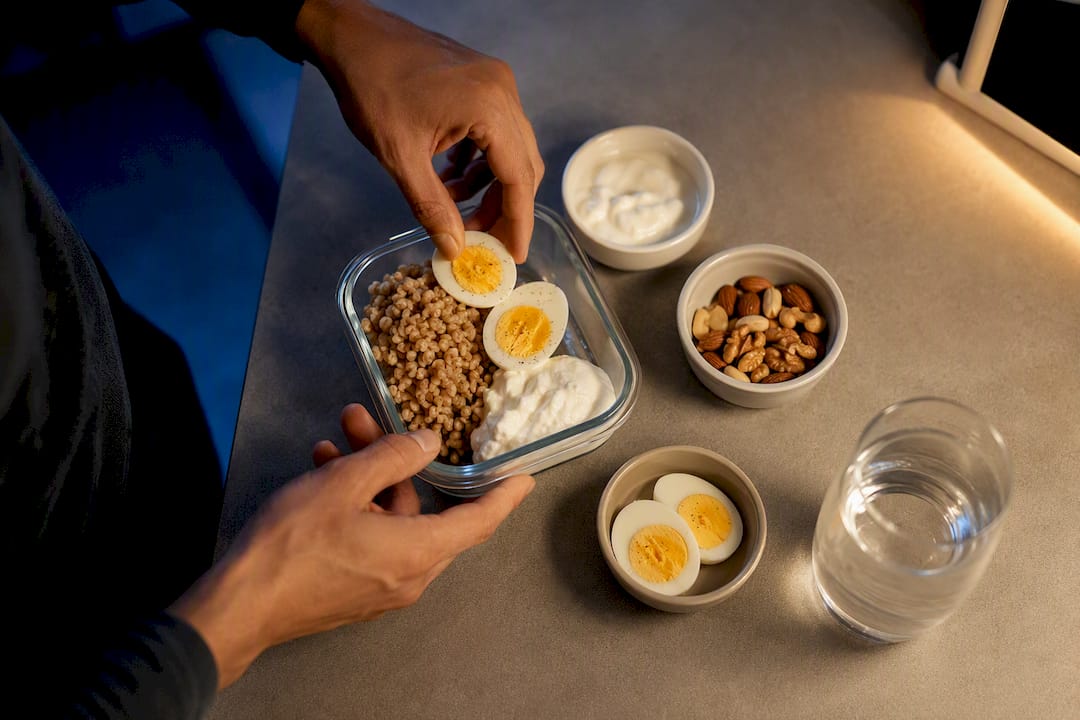
Food: small and protein-heavy, not big and starchy. Eat your main meal before the shift starts, focusing on protein and slow-digesting carbohydrates. Then eat small protein-forward snacks regularly during the night to help maintain steady energy. Skip the vending machine chips and pastries after midnight. They spike blood sugar and crash it just as fast.
Hydration: sip steadily rather than chugging. Add electrolytes if your shift involves physical labor or heavy sweating.
Movement: take a two-minute walk or do calf raises every hour. Standing during phone calls counts too.
Pro Tip: Try the caffeine-nap: drink your coffee, then immediately lie down for a 20-minute nap. The caffeine kicks in right as you wake, so you get the nap’s restorative effect and the stimulant’s boost at the same time.
A Copyable Hour-by-Hour Night Shift Schedule
Here’s a sample plan for a typical 10 to 12 hour night shift starting at 7 PM:
- 5 to 7 PM (pre-shift): Eat a protein-and-complex-carb meal. If you’re behind on sleep, grab a 90 minute nap before you leave the house.
- 7 to 10 PM (shift start): Get under bright light as soon as you arrive. Take your 100 to 200 mg caffeine dose now. Hydrate steadily.
- 10 PM to 2 AM (mid-shift): Eat a protein snack around 11 PM. If fatigue hits between midnight and 1 AM, this is your window for a 20 to 30 minute nap if your role allows it. Take a movement break every hour.
- 2 to 5 AM (late shift): Taper food intake, lighter snacks only. This is your caffeine cutoff window if you’re sleeping by noon. Start winding down mentally as the shift closes.
- Post-shift: Put on sunglasses for the commute if there’s daylight. Eat something light rather than a heavy meal. Head straight into your dark, cool bedroom setup.
Fast Fixes When Fatigue Hits Hard
When you need alertness in the next two to ten minutes, work through these in order:
- Splash cold water on your face or press a cold compress to the back of your neck.
- Walk briskly for two minutes, even if it’s just a lap around the break room.
- Do 30 seconds of calf raises or air squats to force blood flow.
- Inhale peppermint, whether from oil, gum, or a candy. The scent has a mild stimulating effect on alertness.
- Move under a bright task light if your area is dim.
- If you have 20 to 30 minutes free, run the caffeine-nap combo described above.
Reach for hydration or movement before you reach for more caffeine. If you’re already at 200 mg for the shift, another dose won’t help and may just leave you wired and dehydrated at 5 AM.
Pro Tip: Keep a small bottle of peppermint oil and a bottle of water at your station. When fatigue spikes, you want your fix within arm’s reach, not a walk away.
How to Protect Daytime Sleep and Recover Faster
Everything you do on shift only pays off if your daytime sleep actually restores you. Build what sleep specialists sometimes call a “sleep cave”: blackout curtains, an eye mask if needed, and white noise or earplugs to block daytime sounds. Keep your sleep environment cool and comfortable, at a temperature conducive to supporting the body’s natural drop in core body temperature needed to fall and stay asleep.
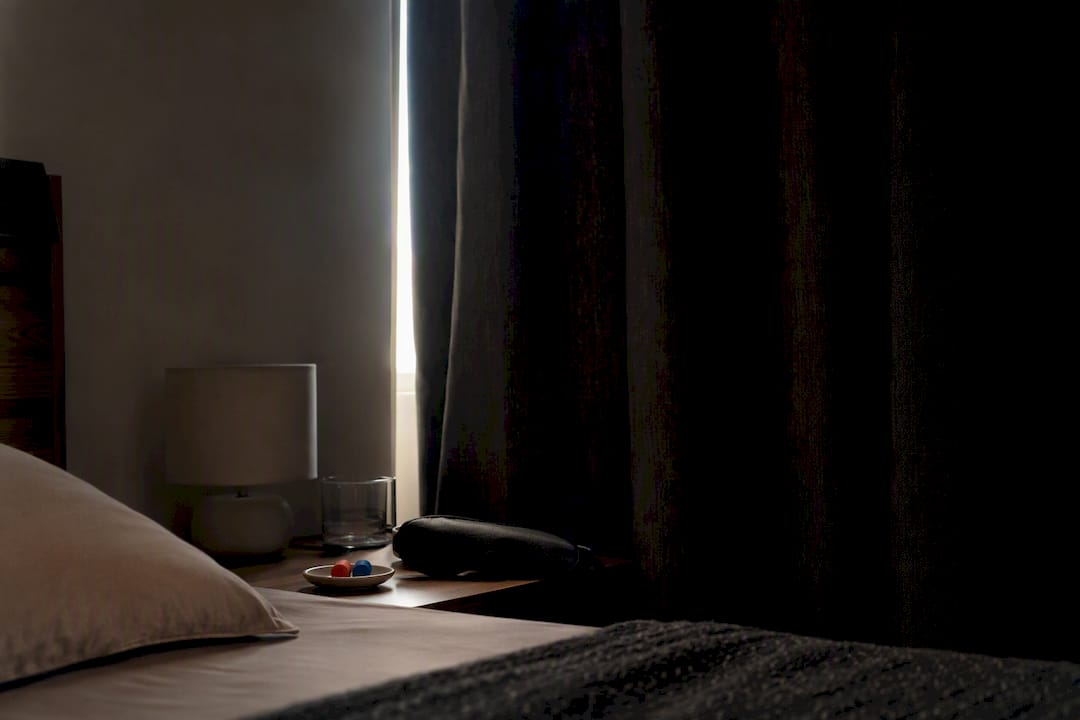
Give yourself a real wind-down. Dim the lights at home an hour before bed, put screens away, and take a shower that starts warm and finishes cool. A few minutes of slow breathing helps signal to your nervous system that it’s safe to power down.
Aim for the same total sleep you’d get on a normal schedule, generally 7 to 9 hours, even though it’s happening during the day. If you’re carrying serious sleep debt, don’t try to fix it in one day. Add naps and slightly longer sleep windows gradually across a few days off.
If you’re doing all of this consistently and still can’t get restorative sleep, or you’re falling asleep involuntarily during shifts, that’s worth raising with a doctor. It could point to shift work sleep disorder, which sometimes needs a targeted treatment plan beyond habit changes.
Why These Tactics Actually Work
None of this is guesswork. Caffeine blocks the adenosine receptors that build up sleep pressure in your brain, which is why timing it early in the shift and cutting it off 6 to 8 hours before bed matters more than the total amount.
A 20 to 30 minute nap measurably improves vigilance and reaction time, and taking caffeine immediately before that nap times the stimulant’s onset almost perfectly to your wake-up, according to Sleep Foundation research on the coffee-nap technique.
Light works through a different pathway entirely. It’s the primary cue your brain’s wakefulness centers respond to, which explains why bright light early in a shift helps and light exposure after a shift actively works against you. Movement adds a third lever: short bursts of activity raise alertness through adrenaline and endorphins immediately, and regular aerobic exercise builds deeper, more restorative sleep over the following weeks.
Managing Circadian Rhythm Disruption Over Time
Full adaptation to night work is rare. Even veteran night shift workers who’ve done it for years rarely shift their internal clock completely, since weekends and days off tend to pull the body back toward a daytime schedule. The realistic goal isn’t total adaptation. It’s reducing disruption using consistent anchors your body can lock onto.
Light and meal timing are your two strongest anchors. If you eat your main meal and get bright light exposure at roughly the same clock times every working night, your body starts treating those cues as reliable signals, even while the rest of your schedule stays unusual. Try to keep this pattern consistent across your entire stretch of night shifts rather than varying it night to night.
Where people go wrong is treating each night as a separate event, sleeping whenever convenient and eating whenever hungry. That randomness is exactly what keeps your circadian rhythm confused. A rotating schedule (some nights, some days) makes this harder, but the anchor strategy still helps, even if it can’t fully erase the disruption.
If you’re on a fixed night schedule for weeks or months at a time, that consistency actually works in your favor. Your body adapts faster to a rhythm that repeats every day than to one that changes constantly, even if that adapted rhythm is inverted from a typical daytime schedule.
Managing Stress on the Night Shift
Night shift stress compounds fatigue in a way that daytime workers rarely deal with. You’re often isolated from the usual daytime support network, running on a body clock that’s fighting you, and in roles like nursing, security, or transport, the stakes of a mistake are high.
Simple breathing techniques help in the moment. A slow four-count inhale, four-count hold, and six-count exhale lowers heart rate and can blunt a stress spike within a minute or two. This is worth doing before a demanding task, not just after one.
Cortisol naturally follows a rhythm tied to light and wake times, and night work throws that rhythm off. Morning light exposure after a night shift, even a short walk outside before you sleep, helps recalibrate that curve over time rather than leaving cortisol elevated at the wrong hours.
Build in small mental breaks during downtime rather than pushing straight through a 10 or 12 hour shift. Even a five-minute pause to step outside, stretch, or simply sit in silence reduces the cumulative stress load that builds across a long shift. Isolation makes stress worse, so staying connected with coworkers during breaks, even briefly, matters more on nights than most people assume.
Keep Your Sleep Schedule Consistent on Days Off
The single biggest mistake night shift workers make happens on days off, not during shifts. Flipping back to a normal daytime schedule for two days and then back to nights resets almost none of the progress your body made adapting.
Sticking close to your work sleep schedule on off days, even shifting it just an hour or two, keeps your circadian rhythm stable instead of forcing it to reset every few days. If you have back-to-back days off, try sleeping at a consistent time rather than “catching up” with one massive sleep-in that throws the pattern off again.
This is a genuine trade-off. Your family and social life often run on daytime hours, and total consistency isn’t realistic for most people. A workable middle ground: stay within two to three hours of your work sleep schedule when you can, and treat full flips to a daytime schedule as the exception, not the rule.
Skip the Sugar and Alcohol During Your Shift
High-sugar snacks feel like an obvious energy boost at 2 AM, but they set up a crash that’s worse than the fatigue you started with. Refined carbs and sugary drinks spike blood sugar fast, and the drop that follows leaves you more tired than before you ate.
Alcohol is worse, and not just during the shift itself. Even used as a sleep aid after a shift, alcohol fragments sleep architecture and reduces the restorative deep sleep stages your body needs most after a night of work. Reaching for a drink to “wind down” before daytime sleep tends to backfire within a few hours.
Stick with the protein-and-fiber snack approach covered earlier. It keeps blood sugar steadier and avoids the crash cycle entirely.
Time Your Hydration to Avoid Nighttime Bathroom Trips
Staying hydrated matters for alertness, but chugging water in large amounts creates its own problem: constant bathroom breaks that interrupt your workflow and, worse, interrupt your sleep once you get home.
The fix is front-loading. Drink more water earlier in your shift and taper the volume in the last one to two hours before your shift ends. Even mild dehydration measurably impairs concentration, so this isn’t about drinking less overall. It’s about spacing it out so your body absorbs it steadily instead of processing a large volume all at once right before you try to sleep.
Aim for pale yellow urine as your rough gauge throughout the shift, and switch to smaller, more frequent sips rather than large bottles once you’re in the last stretch before heading home.
What Actually Works Across Different Night Shift Roles
High-noise, high-demand environments like emergency departments or manufacturing floors respond best to movement and light. The activity is already built into the job, so the leverage point is getting bright light early and protecting sleep afterward. Quieter roles, like overnight security or long-haul driving, need the opposite emphasis: scheduled naps and caffeine timing matter more because there’s less natural movement to lean on.
A canned oxygen product like REV/O2 can serve as a short-term, non-medical complement to these tactics on a tough night, not a replacement for sleep or the timing habits above. Change one variable at a time, whether that’s caffeine timing or nap length, and track how you feel over two weeks before adding another. That’s the only way to know what’s actually helping.
— Paul
Try REV/O2 for a Fast, Portable Alertness Boost
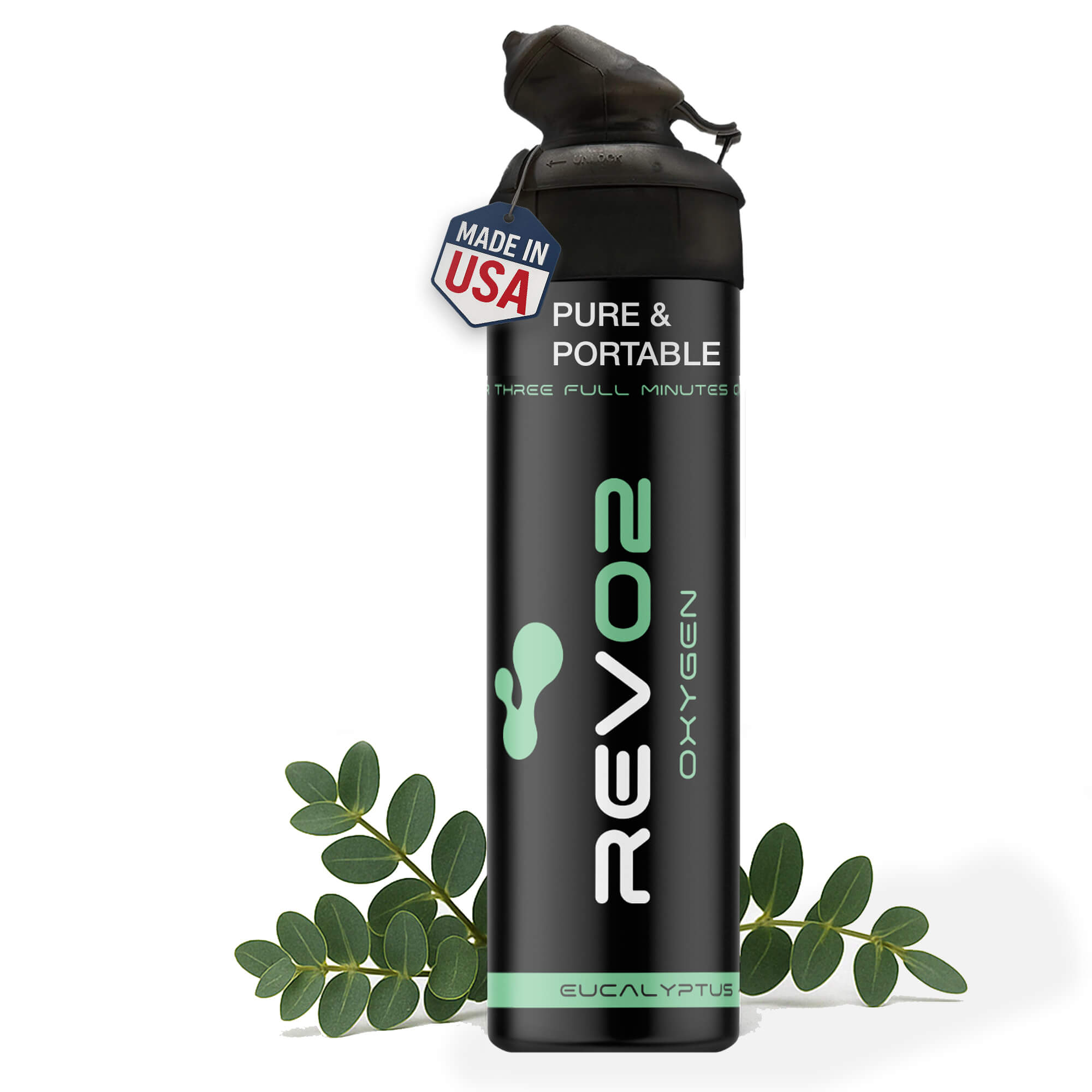
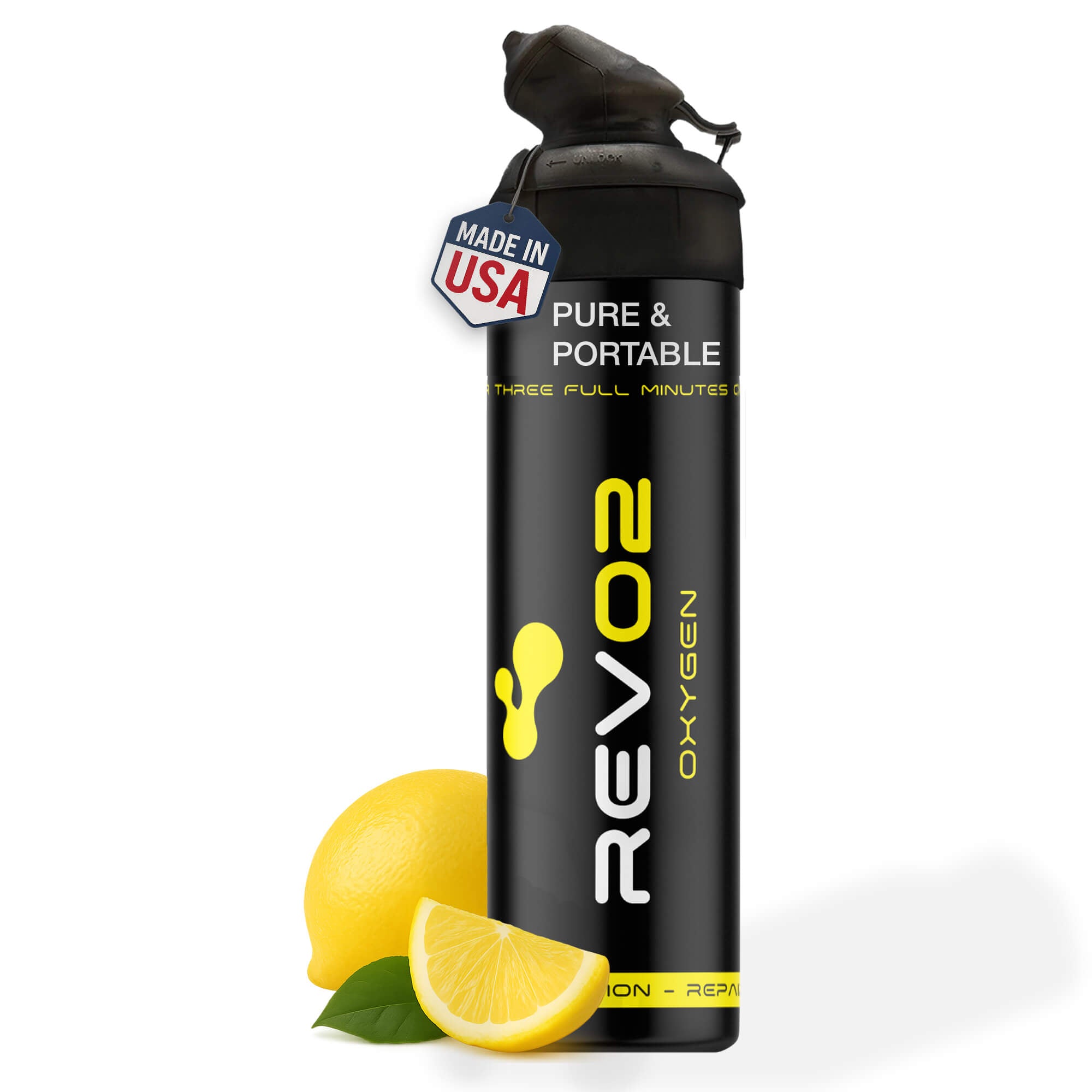
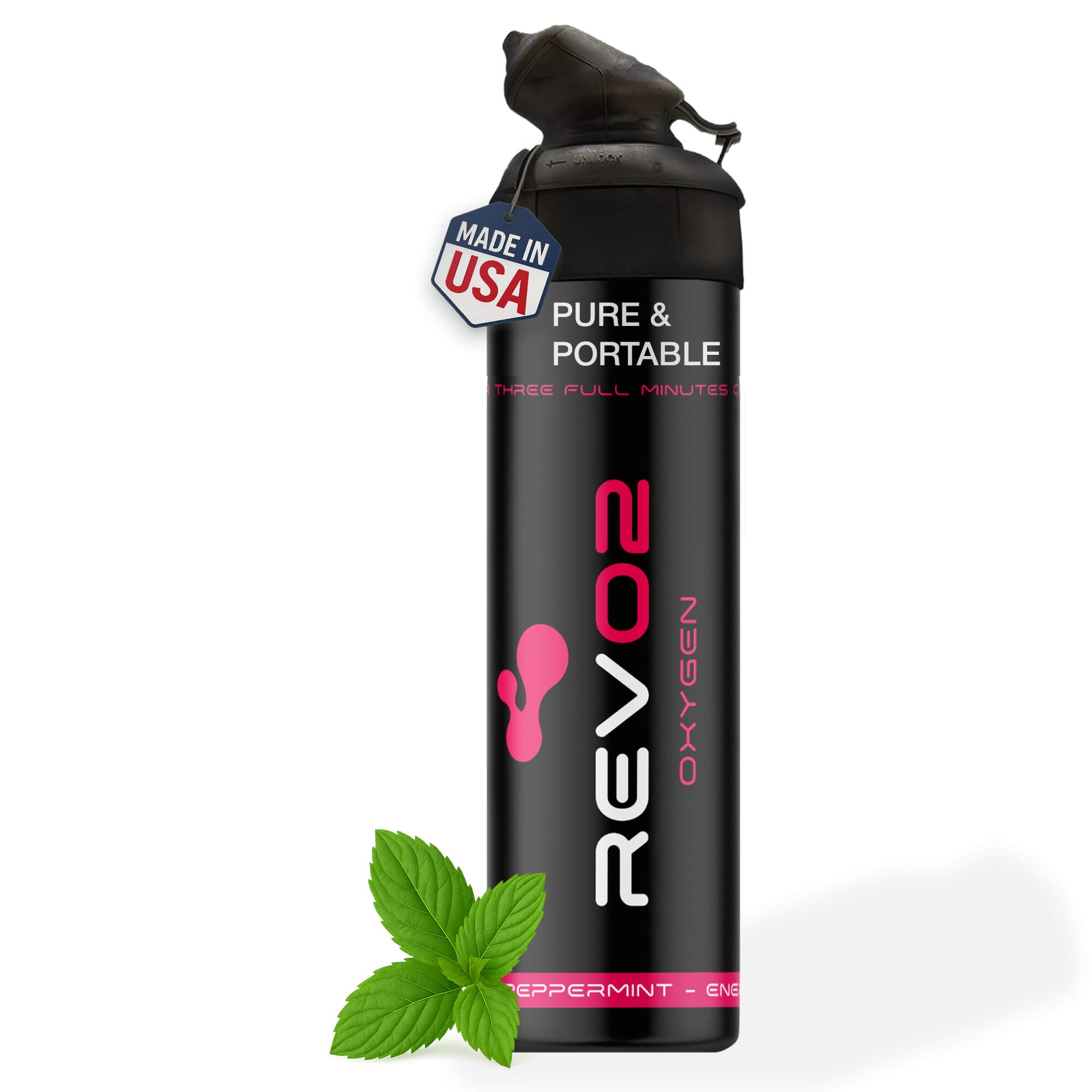
When your shift schedule and every quick fix above still leave you flat at 3 AM, REV/O2 gives you one more tool that fits in a bag or a locker. The Peppermint Oxygen blend is built around energy and endurance, which makes it a natural fit for the exact mid-shift slump this guide covers, while the Lemon Oxygen blend leans toward recovery and the Eucalyptus blend toward focus and relaxation.

REV/O2 is not a prescription product and it’s not a substitute for sleep, proper caffeine timing, or medical care. If your fatigue feels chronic or unmanageable no matter what you change, talk to a doctor. For everything else, a can in your bag is a fast option for the nights your usual tactics fall short. Check the full canned oxygen lineup and read the usage guide before your next shift.
Sources
- Sleep Foundation: Coffee nap and nap benefits
- Circadian disruption and light cues — PMC review
- Harvard Health: How exercise boosts energy and sleep
FAQ
How can I get more energy on night shift?
Time caffeine to your shift start, take a 20 to 30 minute nap mid-shift if possible, get bright light early, and eat protein-forward snacks every three to four hours instead of sugary ones.
What boosts energy immediately?
A cold water splash, a brisk two-minute walk, or 30 seconds of calf raises all raise alertness within minutes by increasing blood flow. A caffeine-nap works well if you have 20 to 30 minutes free.
How do I beat night shift fatigue long term?
Protect daytime sleep with a dark, cool room around 60°F, keep your sleep schedule consistent on days off, and stick to the same light and meal timing anchors every working night.
How do I lower cortisol while working night shift?
Get morning light exposure after your shift ends, use slow breathing techniques during stressful moments, and avoid flipping your entire schedule back to daytime hours on days off.
Can canned oxygen help with night shift fatigue?
Products like REV/O2 can offer a fast, non-prescription complement to caffeine and nap timing on a tough shift, though they don’t replace sleep or medical evaluation for chronic fatigue.