
If you get a headache after running, the cause is often something you can fix: fluid, fuel, heat or tense muscles. Rest, water and a balanced snack are the usual first steps. Some headaches need a medical evaluation, especially one that arrives abruptly or is the first of its kind. This guide covers what tends to trigger post-run headaches, how to ease one, how to prevent the next, and when to stop self-managing and call a professional.
TL;DR
- Most headaches after running trace back to fluid loss, low blood sugar, too much plain water, heat or altitude, or muscle tension in the neck and shoulders.
- Drink before, during and after your run, eat a balanced snack beforehand, and warm up slowly.
- Gentle movement, a warm bath and rest may ease tension-related pain once you are home.
- A sudden, severe headache, your first of this type, or one that lasts more than two days needs prompt medical attention.
- Recovery habits, including how you breathe and cool down, are worth building into every run.
Table of Contents
- Why you get a headache after running
- Common triggers, and what each one feels like
- How to relieve a headache after a run
- Preventing headaches before and during your run
- Is it a good idea to run with a headache?
- When a runner’s headache needs a doctor
- Our perspective on runners, breath and recovery
- Add a recovery breath to your routine
- FAQ
- Sources
Why you get a headache after running
Headaches linked to exertion are often called exercise headaches. According to Mayo Clinic, their exact cause is unknown. One theory is that strenuous exercise dilates blood vessels inside the skull. Clinicians divide them into two groups:
- Primary exercise headaches are usually harmless and are not connected to an underlying problem.
- Secondary exercise headaches are caused by an underlying problem, such as bleeding or a tumor.
That split matters, because it explains why most runners can work on prevention at home while a small number need testing. A healthcare provider may order tests, including an MRI, to rule out possible causes.
One sports medicine perspective in Runner’s World notes that exercise redistributes blood flow, and that cerebral blood flow may increase by up to 25%. Scientists are not sure how this relates cause and effect. In other words, running changes what is happening in your head, but the headache itself usually has several contributors layered together.
Common triggers, and what each one feels like
You will rarely find one clean culprit. Work through these in order, starting with the easiest to check.
Dehydration
Dehydration happens when your body loses more fluid than it takes in. Sweating while running adds to that loss, and a headache is often its first sign. The pain tends to feel dull and spread across the whole head, and it often comes with thirst, a dry mouth and darker urine.
A simple check before a workout: pale yellow urine is a sign of adequate hydration, while dark yellow urine, especially in low volume, points to relative dehydration.
For long or hot runs, plain water is not always the whole answer. If you sweat heavily, drinks designed for endurance athletes cover fluid and carbohydrate together, which is worth understanding before your next long effort.

Too much water
It sounds backwards, but overdrinking can cause trouble too. Hyponatremia, meaning low sodium from excessive water intake during exercise, can lead to brain swelling and headaches, according to experts cited by Runner’s World. The practical lesson is to drink steadily and by need, not to force large volumes all at once.
Low blood sugar
Your brain relies on glucose, and running without enough fuel can deplete it. Low blood sugar can trigger headaches, and runners who train early on an empty stomach or skip meals before a long run are the most likely to notice it. Shakiness, irritability and hunger often show up alongside the pain.
Heat, humidity and altitude
Mayo Clinic advises that people prone to exercise headaches avoid hot, humid or high-altitude conditions where they can. If you run in summer or travel to the mountains for a race, plan for easier effort and more recovery time. Our guides on breathing easier in the heat and headache relief at high altitude go deeper on those two settings.
Posture, form and muscle tension
A headache that starts at the base of the skull and creeps forward often traces back to the neck and shoulders. Hunched shoulders, a jutting chin or a clenched jaw over several miles can all load those muscles. Healthline lists working on your running form among its prevention steps. If this pattern sounds familiar, a sequence of gentle yoga for neck tension can be a calm way to release the area on rest days.

How to relieve a headache after a run
Once the headache has started, the goal is to remove the likely triggers and let your body settle.
- Stop and cool down gradually. Walk for several minutes rather than stopping dead, and get out of direct heat and sun.
- Rehydrate in small, regular sips. Gulping a liter at once is less helpful than steady fluids. If you ran a long time in heat, include something with electrolytes.
- Eat something balanced. If it has been hours since you ate, a snack with carbohydrates and a little protein makes sense.
- Release muscle tension. Gentle exercise such as yoga, or soaking in a warm bath, may help relieve muscle tension and a related headache.
- Slow your breathing. Take a few minutes of calm, even breaths while seated. Try breathing in through your nose for four counts and out for six, five or six times. It will not cure a headache, but it helps your body downshift from the fight or flight state that hard running creates.
If you want a medicated option, speak with your provider first. Cleveland Clinic notes that exertional headaches may be treated like regular headaches: short-term prescription NSAIDs such as indomethacin, longer-term beta-blockers, or short-term over-the-counter NSAIDs such as naproxen. Which one suits you depends on your health history, so a clinician should make that call.
Preventing headaches before and during your run
Prevention is where most runners see the biggest change. Healthline’s checklist is simple: warm up slowly, drink water before, during and after your run, eat a balanced meal or snack within two hours of exercising, and work on your form. Here is how that looks in practice.
The day before
- Eat regular meals, and for a long run or race, take in carbohydrates in the days leading up to it. Runner’s World notes this helps protect against a blood sugar drop.
- Drink fluids evenly through the day instead of catching up at night.
The hour before
- Have a balanced snack about 30 minutes before you head out. This may help prevent a drop in blood sugar.
- Check your urine color. Pale yellow means you are on track.
- Start with an easy jog or brisk walk. A slow warm-up is one of the few steps that Mayo Clinic links directly to prevention.
During the run
- Sip fluids at regular intervals rather than waiting until you are thirsty or drinking a lot at once.
- On runs well beyond an hour, bring fuel such as a gel, chews or a sports drink.
- Relax your jaw, drop your shoulders and keep your gaze forward, not down at your feet.
- Dial back pace on hot, humid days.
After the run
Cool down, rehydrate and eat. A short recovery routine pays off here. Our hydration and oxygen recovery routine for athletes lays out one way to structure it.
Is it a good idea to run with a headache?
There is no single rule that fits everyone, and no checked guideline says a particular headache is safe to run through. What you can do is read the situation:
- A mild, familiar headache that you can link to a missed meal, a poor night’s sleep or too little water often calls for fluids, food and an easy day, not a hard workout.
- A headache that starts or worsens as you run is a signal to stop, walk and reassess. Mayo Clinic says to consult your provider about a headache during or after exercise.
- Any sudden, severe or unusual headache means you should not keep running. Treat it as a reason to seek care, as described below.
A missed run is easy to make up. A headache you ignored is harder to undo.
When a runner’s headache needs a doctor
Most post-run headaches are not dangerous, but a few patterns call for medical care. Mayo Clinic advises you to call right away if the headache begins abruptly or is your first headache of this type.
Cleveland Clinic adds that you should seek medical attention if your headache is severe and sudden, lasts longer than two days, or comes with sleepiness, confusion or fainting.
Two more situations deserve a visit to your primary care provider or a neurologist:
- New headaches in an experienced runner, or ones that fail to respond to standard treatments.
- Headaches triggered by coughing or straining, not only by running. The National Headache Foundation points out that even passive exertion can set off this type of headache, which is why a neurological assessment is recommended.
If you experience severe symptoms such as confusion or fainting, treat it as an emergency and call 911.
Our perspective on runners, breath and recovery
Runners tend to think about headaches as a hydration and fueling problem, and often they are. But the hard effort itself, the fast breathing, the heat and the stress of a demanding week all pile onto your body at once. We think recovery deserves as much planning as the run.
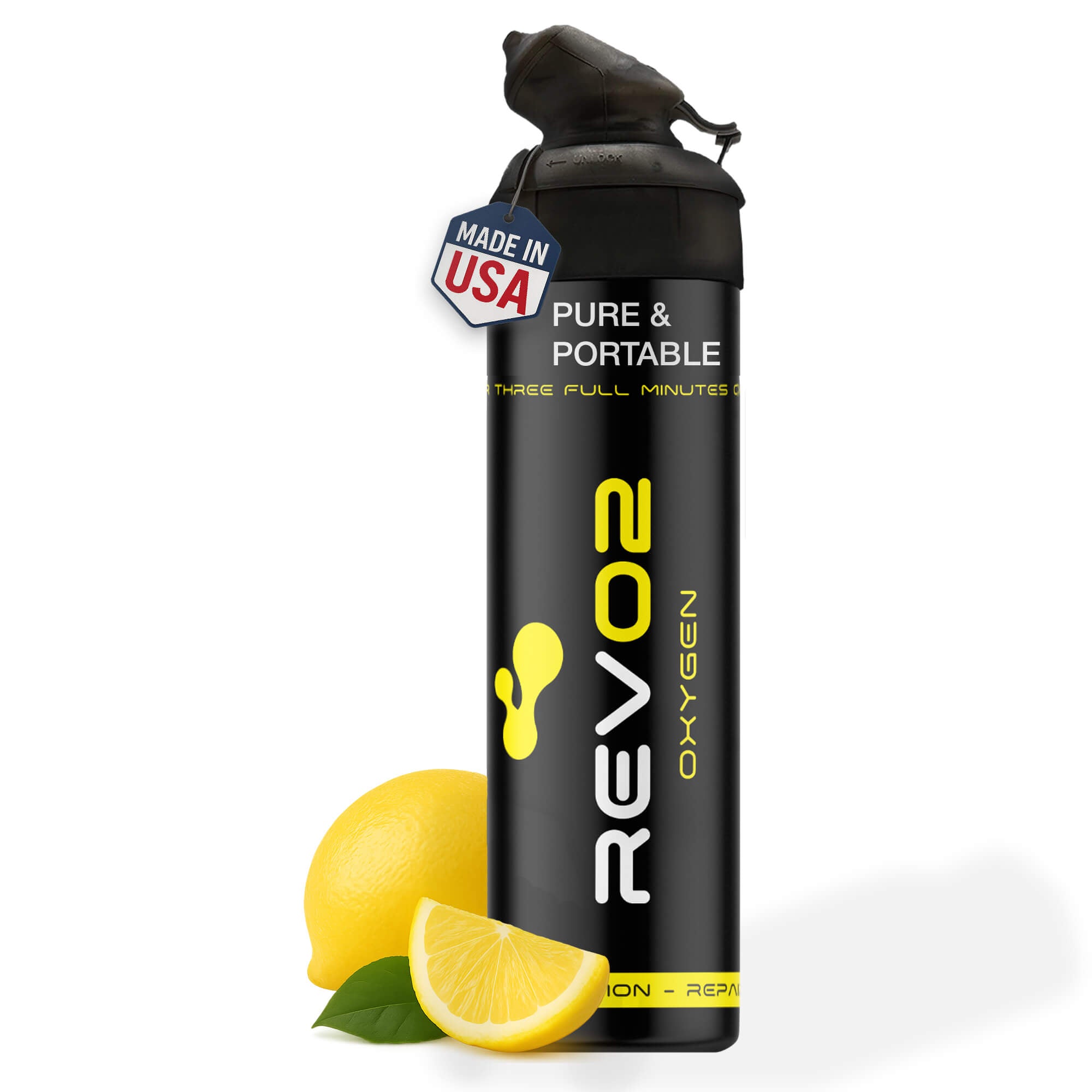
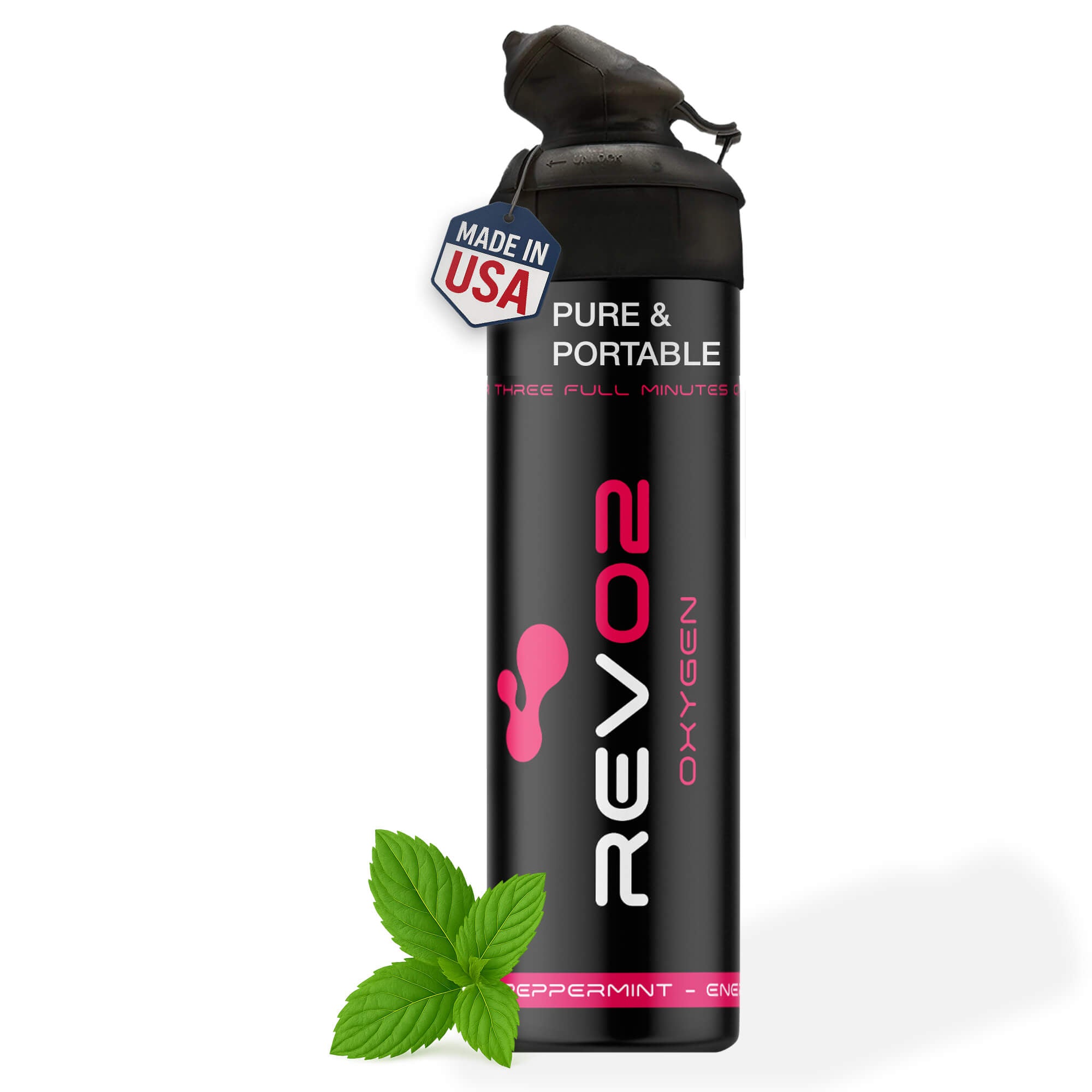
That is why we built REV/O2 as 98% pure canned oxygen in a portable can with a zero-leak mouthpiece and a trigger-lock cap, so you can take a few deliberate breaths without a mask or prescription. Our formula is designed for athletes who want a calm, structured reset after a hard session, and the peppermint, lemon and eucalyptus blends make that moment more pleasant.
Used alongside water, food, a proper cool-down and sensible rest, we see it as one more tool in a runner’s recovery kit. It sits next to good habits, not in place of them, and a worrying headache always belongs with a doctor.
Paul
Add a recovery breath to your routine
If you want a simple way to slow down after a hard run, our canned oxygen is built for exactly that kind of pause. Each can delivers 98% pure oxygen through a zero-leak mouthpiece, and the blends come in peppermint for energy and endurance, lemon for recovery and immunity, and eucalyptus for focus and relaxation.

Browse the Sports Oxygen Can for Athletes, compare flavors in the full canned oxygen collection, or read our guide on how to use canned oxygen safely and effectively before your first can.
FAQ
Why do I get a headache after running?
Often it is an exercise headache, and the exact cause is unknown, though one theory is that vigorous exercise widens blood vessels inside the skull. Common contributing factors include dehydration, low blood sugar, too much plain water, heat and tight neck muscles. If the headache is sudden or new, see a provider.
How can I get rid of a headache after a run?
Cool down slowly, sip fluids, eat a balanced snack and rest somewhere cool. A warm bath or gentle yoga may ease muscle tension. For medication, talk with your doctor, since options such as naproxen or prescription NSAIDs suit some people and not others.
Can dehydration alone cause a post-run headache?
Yes, it is among the commonly cited triggers, and a headache is often its first sign. Dark yellow urine before a workout suggests you are already behind on fluids. Drink steadily before, during and after, but avoid overdoing plain water on very long runs.
Should I be worried about a headache after exercise?
Usually not, but certain signs matter. Get medical care for a sudden and severe headache, your first of this kind, one lasting longer than two days, or one with confusion, sleepiness or fainting. New headaches in an experienced runner also deserve evaluation.
What can I do before a run to prevent headaches?
Warm up slowly, drink water beforehand, eat a balanced snack about 30 minutes before, and avoid pushing hard in extreme heat, humidity or altitude. Working on your running form helps if neck and shoulder tension is part of the problem.
Sources
- Exercise headaches - Symptoms and causes, Mayo Clinic
- Exertion Headaches (Exercise Headaches), Cleveland Clinic
- Headache After Running: 5 Potential Causes, Treatment, and Prevention, Healthline
- Headaches After Running: Causes and Prevention, Runner’s World
- Headache after exercise: Causes, treatment, and prevention, Medical News Today
- The Complete Headache Chart, National Headache Foundation