
Thinner air at altitude means less oxygen per breath, which lowers your maximal aerobic capacity and raises how hard any given pace feels. The practical fix is immediate: run by effort rather than by your usual splits, skip hard sessions for the first 24 to 72 hours, and give your body real time to adjust. Inspired oxygen pressure starts dropping noticeably above roughly 5,000 feet, and while you’ll feel more normal within a week, the real hematological payoff needs three weeks or more.
TL;DR:
- Altitude above 5,000 feet begins to significantly reduce oxygen availability, impacting VO2max by roughly 10% per 1,000 meters and requiring longer adaptation periods.
- Runners should expect their easy runs to feel like tempo efforts and delay intense workouts until after three or more weeks at elevation for better hematological gains.
- The primary strategies to adapt include slow reintroduction of effort, pacing by effort rather than splits, and monitoring early signs of altitude sickness with pulse oximetry.
- Adequate iron levels and gradual exposure are key, with most meaningful red blood cell increases occurring only after three weeks of altitude exposure.
- Portable oxygen can aid recovery and mental clarity but does not substitute the need for proper acclimation time and should be used as a short-term supplement rather than a replacement for physiological adaptation.
Table of Contents
- Why Does High Altitude Running Reduce Oxygen in Your Blood?
- How Much Slower Should You Expect to Run at Altitude?
- What’s the Right Way to Plan an Altitude Training Block?
- What Are the Best Practical Tips for Running at Elevation?
- Do Supplements Like Carbs, Iron, or Glutamine Actually Help?
- What Are the Warning Signs You’ve Pushed Too Hard, Too Fast?
- Where Portable Oxygen Fits Into an Altitude Runner’s Toolkit
- What This Guide Comes Down To
- Recover Smarter Between Sessions at Altitude
- Sources
- FAQ
Why Does High Altitude Running Reduce Oxygen in Your Blood?
Barometric pressure drops as you climb, and that single fact drives almost everything else that happens to your running at elevation. Lower air pressure means fewer oxygen molecules squeezed into each lungful, which lowers the partial pressure of oxygen available to cross into your bloodstream. Your arterial oxygen saturation, or SpO2, falls as a direct result, and your muscles simply get less fuel per heartbeat.
Research on exercise under moderate-to-high hypoxia shows this isn’t subtle. Studies looking at reduced oxygen availability during exertion found measurable drops in SpO2, VO2max, and maximal power output, alongside a rise in heart rate at any fixed workload. Some reports in that literature estimate VO2max can decline by roughly 10% per 1,000 meters of elevation gain, though individual variability is large enough that two runners at the same altitude camp can respond quite differently.
Your body doesn’t just sit there and accept the deficit. Within minutes, ventilation rate climbs so you breathe faster and deeper to compensate. Heart rate rises to move more blood per minute. Neither fix restores full oxygen delivery, but together they blunt the impact somewhat while slower adaptations kick in.
The slower adaptation is hormonal. Reduced oxygen triggers a rise in erythropoietin (EPO), the hormone that signals your bone marrow to produce more red blood cells. This process is not instant.
By the numbers: Meaningful red blood cell mass increases generally require sustained altitude exposure for multiple weeks, according to a systematic review and meta-analysis of altitude training covering 13 randomized controlled trials and 276 participants. That same review found consistent increases in hemoglobin and hemoglobin mass, though gains in VO2max itself were mixed across studies.
Two factors decide how much of this affects you personally:
- Iron status. Building more red blood cells demands iron, and runners who start a camp with low ferritin often see blunted hematological gains no matter how long they stay.
- Genetic variability in hypoxic ventilatory response. Some runners naturally hyperventilate more aggressively at altitude and maintain higher SpO2 than others breathing the same air at the same elevation.
You can get a concrete sense of what you’re dealing with using an oxygen saturation altitude calculator to translate a specific elevation into approximate oxygen availability before you ever land at the trailhead.
How Much Slower Should You Expect to Run at Altitude?
Expect your easy pace to feel like tempo effort and your tempo effort to feel like an interval, at least for the first several days. That gap between effort and pace is the single biggest adjustment runners underestimate before their first altitude block.
The physiological math backs this up. Because VO2max can decline meaningfully with elevation gain, the same pace that felt aerobic at sea level now demands a larger share of your reduced ceiling. A pace that used to sit comfortably at 75% of VO2max might suddenly sit at 85% or higher, and your perceived effort follows that shift almost exactly.
Simulated-altitude research backs up what runners feel on the ground. A randomized trial simulating roughly 4,200 to 4,500 meters had runners work at 70% of peak oxygen uptake to exhaustion and found rating of perceived exertion climbed sharply compared to normoxic conditions, even though the workload stayed identical.
Here’s how that typically plays out session by session:
- Easy runs: feel noticeably harder for the first 5 to 7 days; slow the pace and trust your breathing rate instead of your watch.
- Tempo efforts: shorten the duration or reduce the target pace by feel rather than trying to hit sea-level tempo numbers.
- Intervals: delay hard interval work until at least day three or four, and expect slower times for the same perceived effort.
There’s a cognitive angle too, and it matters more than most training plans mention. Research on exercise and cognitive function under hypoxia found short-term impairment in decision-making tasks after sustained low-oxygen exposure, though light-to-moderate exercise partially restored some of that function. Translation: your judgment about pacing, terrain choices, and when to back off is itself compromised early on, which is one more reason to lean on conservative, pre-set rules rather than in-the-moment decisions.
What’s the Right Way to Plan an Altitude Training Block?
Timing decides almost everything about whether an altitude camp helps or backfires. If you’re racing at elevation, arrive with either a short window (under 24 hours, so acute effects haven’t fully set in) or a long one (two to three weeks, so real acclimation has occurred). The dangerous middle ground, roughly two to five days before a race, is when symptoms peak and performance often suffers most.

For training-focused camps aimed at building red blood cell mass, plan on a minimum of three weeks. That figure lines up with the meta-analysis on altitude training and aerobic capacity, which found the strongest hematological gains in interventions running longer than three weeks, particularly with live-high approaches.
A practical acclimation checklist:
- Days 1 to 3: easy running only, capped at 30 to 40 minutes, no hills, no intervals.
- Days 4 to 7: gradually reintroduce moderate efforts; still avoid maximal work.
- Week 2: begin structured tempo work if sleep and resting heart rate have normalized.
- Weeks 3 to 6: progressively add intensity, monitoring how quickly heart rate recovers between reps.
- Final days before descent or racing: taper intensity slightly to arrive at competition feeling sharp rather than depleted.
Live-high, train-low remains the gold standard when you have access to it, meaning you sleep at altitude but drop to lower elevation for your hardest sessions. Most recreational runners don’t have that luxury, so hypoxic tents and altitude simulation masks fill the gap, though their “hypoxic dose”, the combined intensity and duration of exposure, rarely matches true altitude exposure hour for hour.
Pro Tip: Track your morning resting heart rate throughout the camp. A sustained rise of more than 5 to 10 beats per minute above your baseline is one of the clearest early signs you’re not recovering and need an easier day.
What Are the Best Practical Tips for Running at Elevation?
Small logistical choices make a bigger difference at altitude than they do at sea level, mostly because your margin for error shrinks. Getting breathing, pacing, and recovery right early sets the tone for the entire trip.
Diaphragmatic breathing, pulling air deep into your belly rather than shallow chest breathing, improves oxygen exchange efficiency and is worth practicing at rest before you ever put it into a run. Pursed-lip breathing, exhaling slowly through slightly closed lips, can help on steep climbs when you feel your breathing rate spiraling out of control.

Pace by effort and heart rate, not by your sea-level splits. Your watch will lie to you about what “easy” looks like for the first week.
A few more things worth building into your routine:
- Hydration: altitude air is drier, and you lose more fluid through respiration; check urine color and aim for pale yellow.
- Fueling: lean harder on carbohydrates since your body shifts toward carbohydrate metabolism under hypoxic stress.
- Iron-rich foods: lean red meat, spinach, and lentils support the red blood cell production your body is trying to ramp up.
- Sleep: expect fragmented sleep for the first several nights; this is normal and typically resolves within a week.
- Sun and cold exposure: altitude air is thinner and colder, and UV exposure is stronger, so dress in layers and don’t skip sunscreen.
Do Supplements Like Carbs, Iron, or Glutamine Actually Help?
Carbohydrate loading before altitude sessions has real evidence behind it, and it’s the single most defensible nutritional lever you have. The same simulated-altitude trial that measured perceived exertion under hypoxia found that pre-exercise carbohydrate (an 8% maltodextrin solution) combined with six days of glutamine supplementation at 20 grams per day attenuated the rise in RPE during intense running at simulated 4,200 to 4,500 meters.
That’s a small trial, just nine volunteers, so treat it as a coherent signal rather than proof the combination works for everyone. Still, it lines up with what coaches already recommend: eat more carbohydrate at altitude, not less.
Practical takeaways worth acting on:
- Prioritize carbohydrate intake around hard sessions, more than you’d use at sea level for the same workout.
- Get ferritin and hemoglobin tested before committing to a long altitude camp; supplementing iron without a deficiency offers little benefit and carries its own risks.
- Treat altitude masks and simulation tents as a weaker substitute for real elevation. Their hypoxic dose rarely matches sustained true-altitude exposure.
- If you’re exploring plant-based or adaptogenic options, some athletes look at cordyceps supplementation for endurance, typically dosed around 3 to 4 grams daily for three weeks, though the evidence base is thinner than for carbohydrate strategies.
What Are the Warning Signs You’ve Pushed Too Hard, Too Fast?
Acute mountain sickness (AMS) shows up as headache, nausea, dizziness, and fatigue that goes beyond normal training soreness. More severe forms, high-altitude cerebral edema (HACE) and high-altitude pulmonary edema (HAPE), involve confusion, loss of coordination, or shortness of breath at rest, and both require immediate descent and medical attention.
Running hard in the first 24 hours after arrival raises your odds of triggering AMS, which is exactly why easy-only days at the start of any block aren’t optional caution, they’re the evidence-backed default.
- Watch for SpO2 readings that drop and stay below roughly 90% at rest; that’s a signal to scale back activity, not push through it.
- Headache plus nausea plus poor sleep together is a stronger warning than any symptom alone.
- Confusion, slurred speech, or trouble walking in a straight line means descend immediately and seek care.
Pro Tip: Carry a basic pulse oximeter on any camp above 8,000 feet. It costs less than a pair of running shoes and turns “I feel off” into an actual number you can act on.
Where Portable Oxygen Fits Into an Altitude Runner’s Toolkit
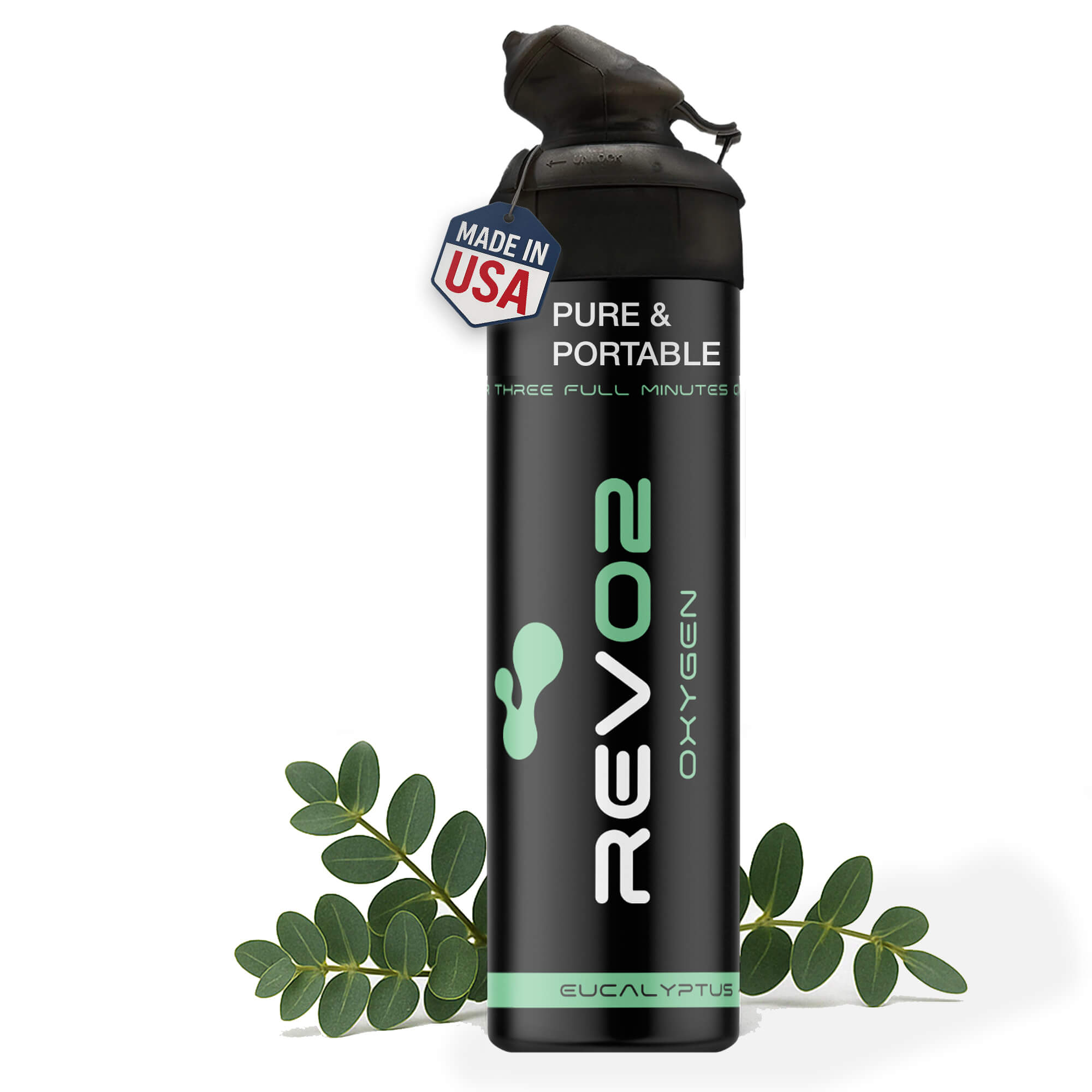
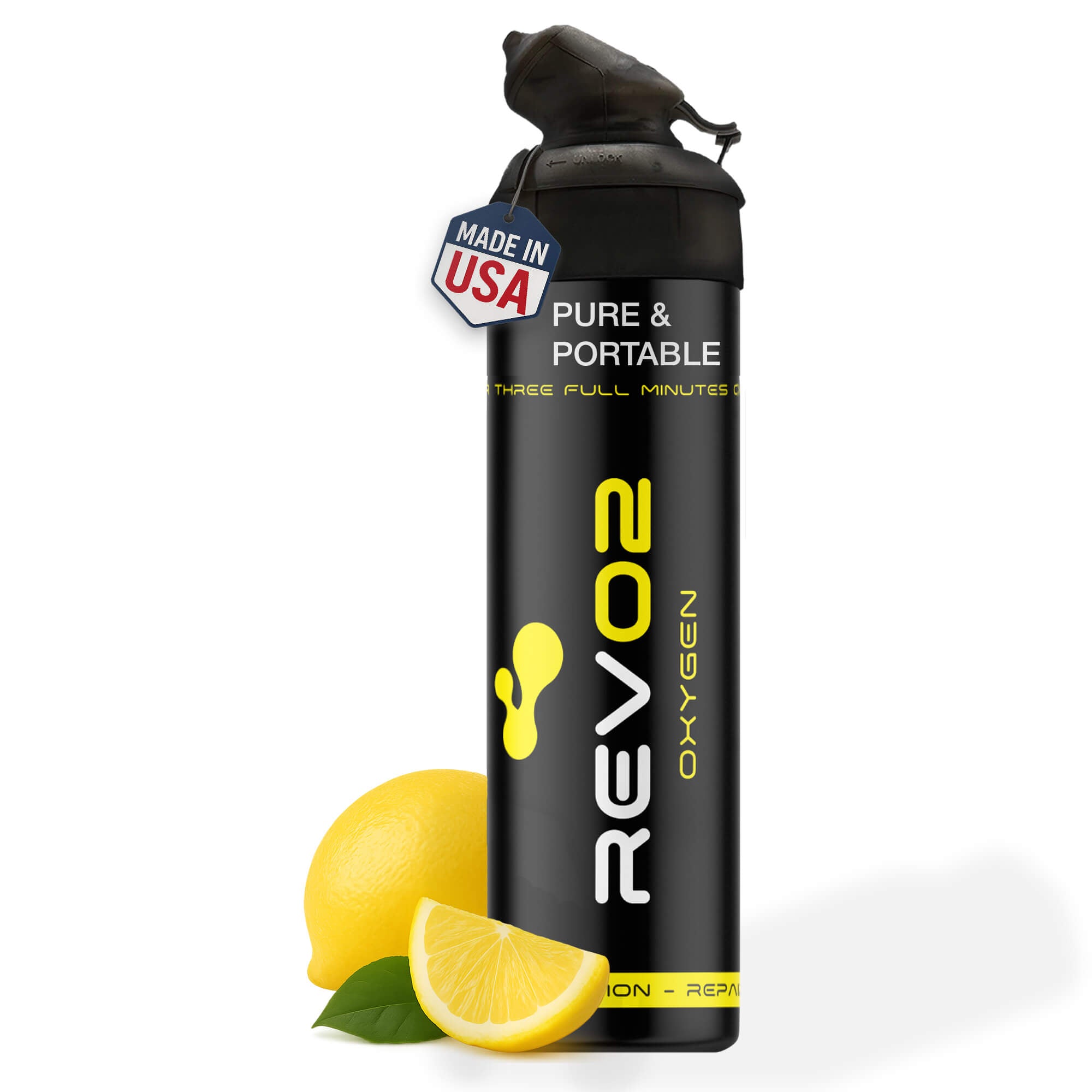
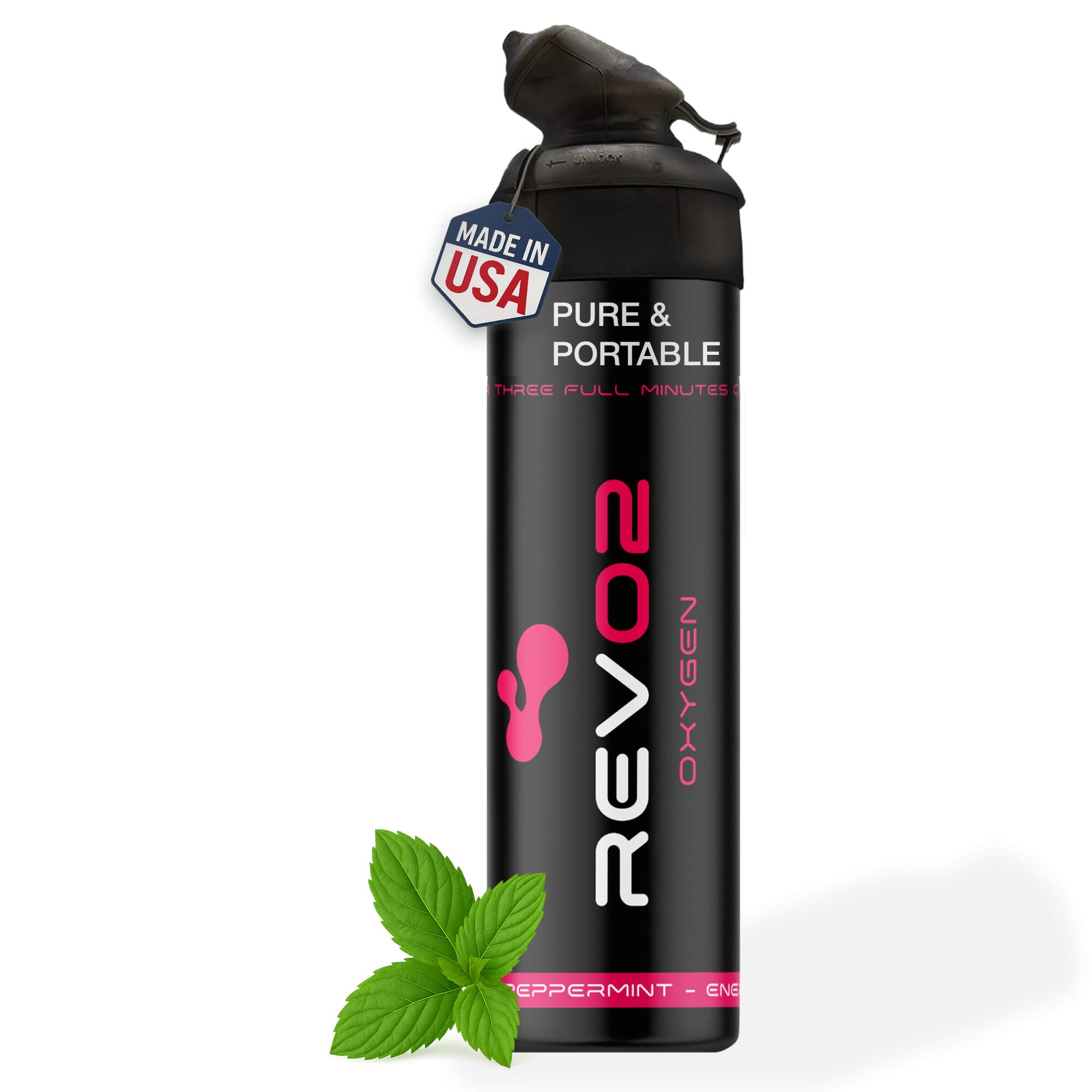
Portable oxygen has a real, narrow role here, and it’s worth being honest about where that role starts and stops. Revo2 makes canned oxygen at 98% purity with a zero-leak mouthpiece designed to prevent the waste you get with a standard mask, available in peppermint, lemon, and eucalyptus blends.
The honest use case is short-term relief, not acclimation replacement. A few inhalations after a hard interval session, or during a moment of altitude-induced grogginess before a run, can offer a quick lift in perceived clarity and energy. It does not substitute for the weeks of physiological adaptation your body needs to genuinely adjust to reduced oxygen.
A few boundaries worth keeping in mind:
- Portable canned oxygen is not medical-grade equipment and isn’t a treatment for AMS, HACE, or HAPE symptoms; those require descent and clinical care.
- Use it as a recovery aid between efforts or a brief pick-me-up, not as a way to push intensity you haven’t earned through acclimation.
- Pair it with real data: an SpO2 and exercise explainer or the altitude to oxygen level calculator gives you a clearer picture of what’s actually happening in your blood before you decide whether a can of oxygen is the right tool for the moment.
What This Guide Comes Down To
The evidence points to one uncomfortable truth: there’s no shortcut around acclimation time, and the runners who get hurt at altitude are usually the ones who tried to find one. Prioritize the boring stuff first, easy days, effort-based pacing, and an honest look at your iron status before committing to a long camp. Treat portable oxygen as exactly what it is: a short-term adjunct for recovery and clarity, never a replacement for the weeks your body needs to actually adapt.
Three things to do before your next trip: lock in your arrival timing relative to race day, schedule genuinely easy days for the first 72 hours regardless of how you feel, and get ferritin checked if you’re planning anything longer than a week at elevation.
— Paul
Recover Smarter Between Sessions at Altitude
Revo2 exists for the moments between the hard parts of altitude training, not as a substitute for the acclimation process itself. Where an altitude tent or a longer camp asks for weeks of commitment, a can of 98% pure oxygen gives you a fast, portable option for recovery breaks or a mental reset before your next session, without masks, prescriptions, or bulky equipment.
The lineup includes Peppermint Oxygen for energy and endurance, Lemon Oxygen for recovery and immunity, and Eucalyptus Oxygen for focus and relaxation, each built around the same zero-leak mouthpiece that stops the waste you get with a standard mask setup. If you’re new to canned oxygen, the safe-use guide walks through exactly how to get the most out of each can. Browse the full canned oxygen collection and pick a pack size that fits your next trip. And if you’re managing a medical condition or persistent low oxygen saturation, talk to a clinician. Revo2 is built for everyday performance and recovery, not as a substitute for prescribed medical oxygen.
Sources
- Effects of altitude training on athletes’ aerobic capacity: systematic review and meta-analysis
- Effects of inspiratory resistance and normobaric hypoxia on exercise performance (FASEB meeting abstract / report)
- Altitude running: How to adapt, breathe and train in thin air (On Running)
FAQ
At What Elevation Do Runners Start Losing Oxygen?
Most runners notice reduced oxygen availability above roughly 5,000 feet, where thinner air starts measurably increasing breathing effort. Below that threshold, the effect is usually too small for most runners to feel during normal training.
Will Supplemental Oxygen Help With High Altitude Symptoms?
Supplemental oxygen can offer short-term relief from grogginess or fatigue and support recovery between efforts, but it doesn’t replace the weeks your body needs to acclimate. Canned oxygen options like Revo2’s 98% pure blends are designed for that kind of brief, adjunct use rather than as treatment for altitude illness.
Is an Oxygen Saturation Level of 92% Normal at High Altitude?
An SpO2 reading around 92% is often within a normal range for moderate altitude, though it runs lower than typical sea-level readings near 97 to 99%. If SpO2 drops below roughly 90% at rest alongside headache or nausea, that combination warrants scaling back activity and monitoring closely.
Does Elevation Gain of Just 1,000 Feet Make a Real Difference for Runners?
A single 1,000-foot gain generally produces a subtle effect for most runners, especially below the 5,000-foot threshold where oxygen availability starts dropping meaningfully. Above that threshold, each additional 1,000 feet tends to compound perceived effort more noticeably, which is why pacing by feel matters more the higher you climb.