
It won’t cure altitude sickness or replace prescribed oxygen therapy, but as a situational tool, it works quickly and travels easily. Most cans hold 5–12 liters of oxygen and deliver it through a mouthpiece in single-breath bursts. A peer-reviewed review of public comments on OTC canned oxygen confirms these products are widely marketed for recovery and mild altitude symptoms, though they are not FDA-approved for medical use. Field testing and pulmonologist commentary from Backpacker reinforce that the benefit is real but brief, driven by short bursts rather than continuous systemic oxygenation.
- Immediate breath normalization after a hard push uphill or a sprint to the gate
- Subjective mental clarity within a few deep inhales, especially useful at elevations above 8,000 feet
- Short recovery windows that let you rest, regroup, and continue activity
- No prescription required, no mask, and no bulky equipment
Key Takeaways
| Point | Details |
|---|---|
| Short-term relief, not a cure | 98% O2 cans ease breathlessness and restore focus briefly; systemic oxygenation change is small and temporary. |
| Not a medical substitute | OTC canned oxygen is not FDA-approved for medical use; never replace prescribed oxygen or emergency care with it. |
| Match specs to your trip | Prioritize 98% purity, a zero-leak mouthpiece, and can volume (5 L for day hikes, 10 L for multi-day trips). |
| Pair with monitoring tools | Bring a pulse oximeter and an evacuation plan; descend immediately if SpO2 drops below 90%. |
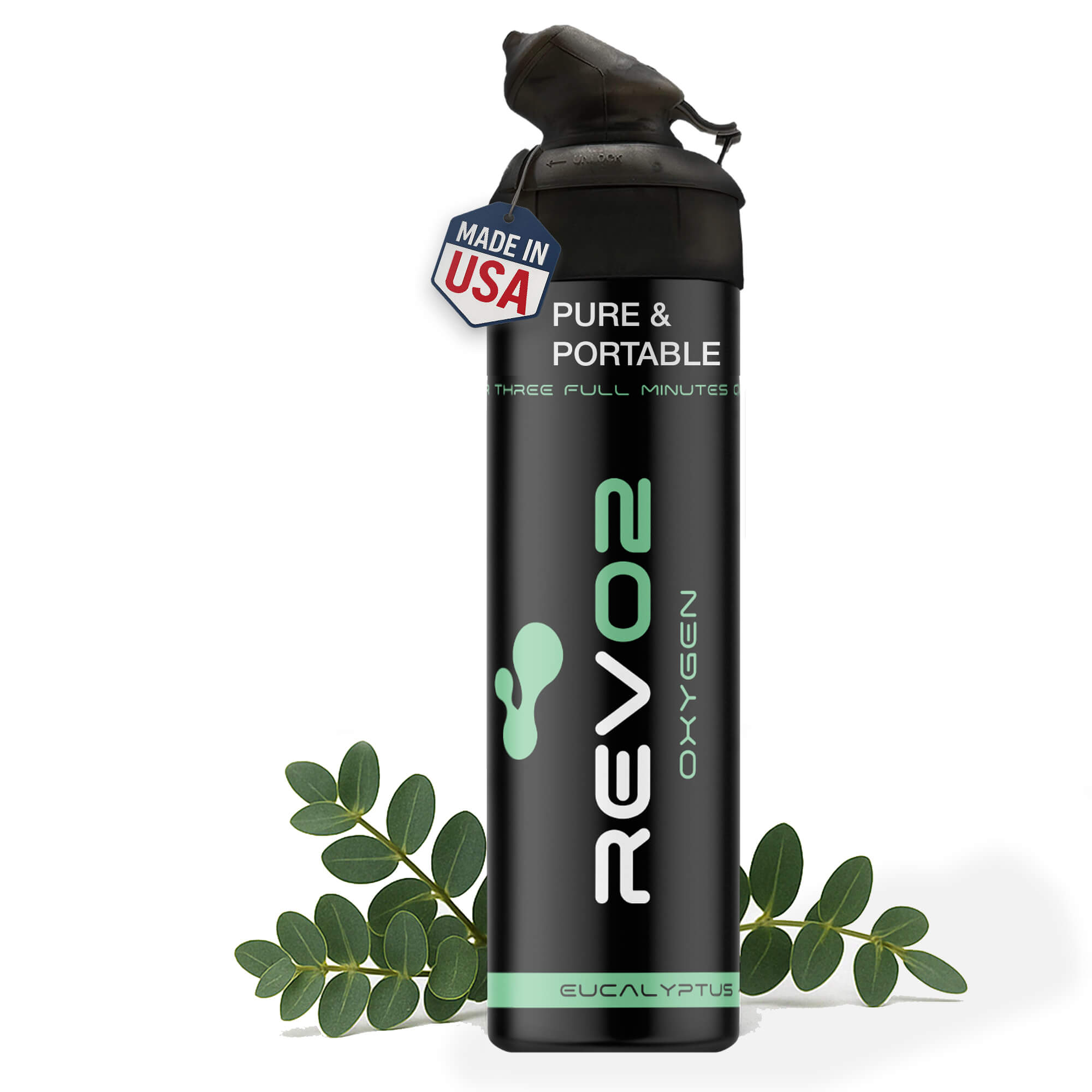
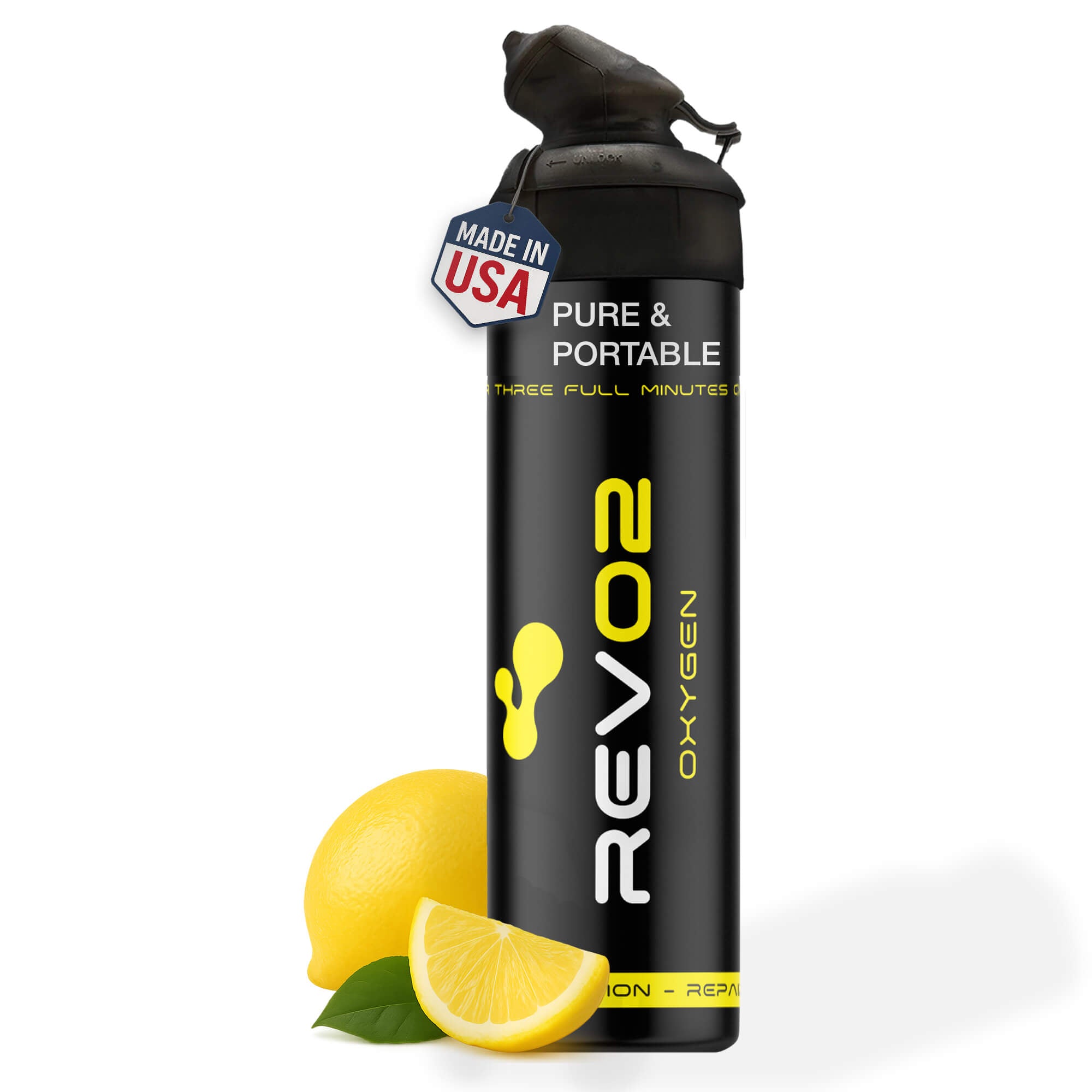
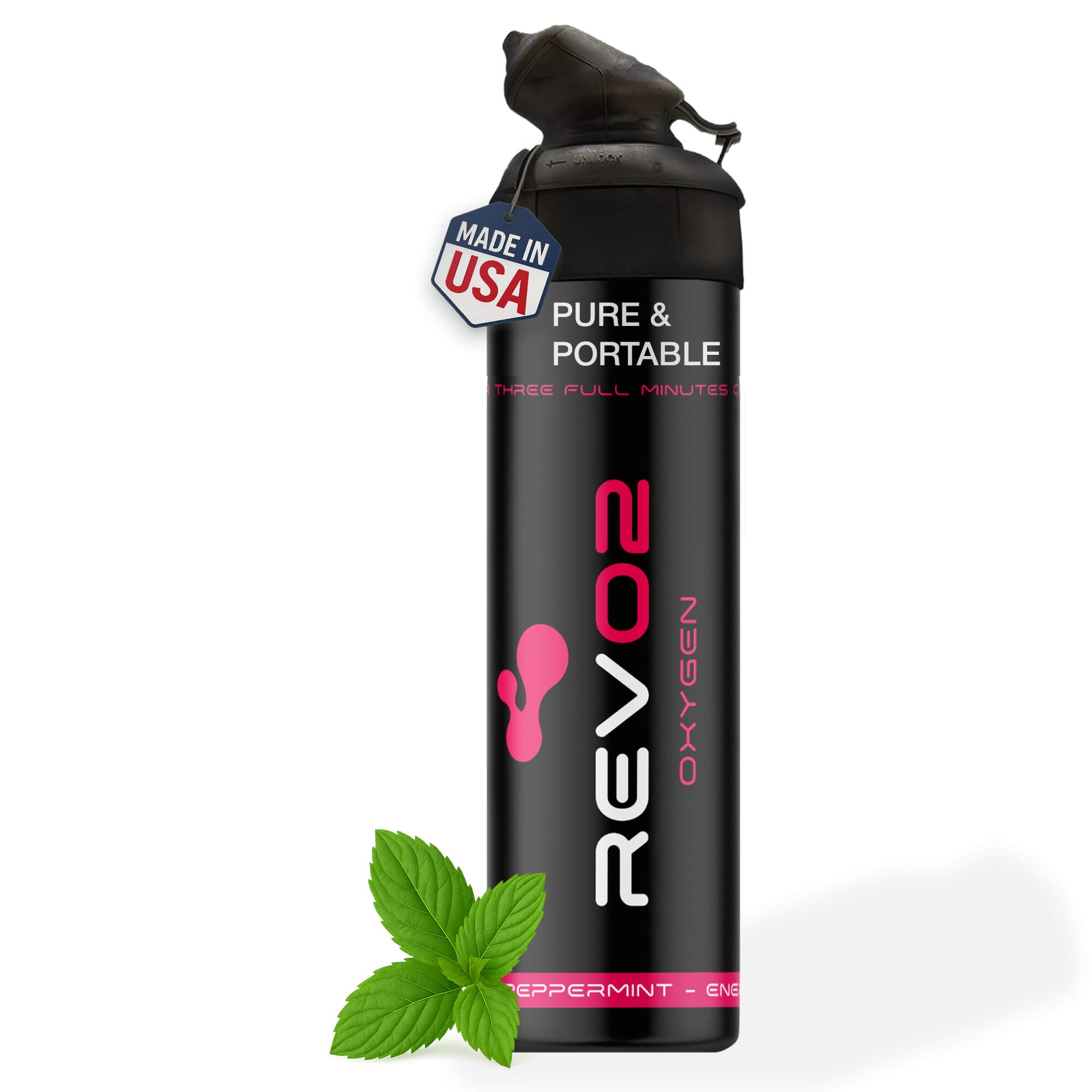
| Revo2 for field-ready use | Revo2 offers 98% pure oxygen in peppermint, lemon, and eucalyptus options with a zero-leak mouthpiece and multi-pack value. |
Table of Contents
- What is high altitude oxygen in a can, and how does it work?
- How to use canned oxygen safely and effectively in the field
- Does canned oxygen actually help? What the evidence shows
- Safety, contraindications, and US regulatory status
- How to choose the right canned oxygen product
- Practical use cases and packing tips for hikers, athletes, and travelers
- The case for using canned oxygen as a field tool, not a fix
- Revo2 is ready when altitude or exertion hits hardest
- Sources
What is high altitude oxygen in a can, and how does it work?
Portable supplemental oxygen, the technical term for what most people call “canned oxygen,” is pressurized 98% pure O2 in a lightweight aluminum canister. Cans typically range from 5 to 12 liters in volume, with smaller formats designed for portability and larger ones for extended trips or group use.
The delivery mechanism matters. These canisters use a mouthpiece rather than a mask, and Revo2’s zero-leak mouthpiece design means the oxygen goes directly into your lungs with minimal waste. You inhale a burst, hold briefly, exhale, and repeat. This is intermittent delivery, not continuous flow. Medical oxygen systems run at 1–6 liters per minute continuously; a 5-liter can at that rate would last under five minutes. In burst-inhalation use, the same can stretches considerably further.
Key specs to compare when evaluating any product:
- O2 purity (%): 98% is the standard for premium products; anything below 95% delivers less benefit per breath
- Can volume (liters): 5 L for day trips, 10–12 L for multi-day or group use
- Delivery method: Zero-leak mouthpiece vs. open mask (mouthpiece wastes less oxygen)
- Flavor options: Unflavored, peppermint, lemon, or eucalyptus; aromatic options may add a cognitive dimension
- Weight and packability: Most 5 L cans weigh under 200 grams, fitting easily in a hip-belt pocket
A review on 95% portable oxygen combined with essential oils found that pairing high-purity oxygen with aromatics like peppermint and eucalyptus may produce multi-sensory benefits for perceived focus and recovery, though the researchers call for more study to confirm long-term clinical effects.
Pro Tip: When reading a product label, trust the stated liter capacity and the lab-verified O2 percentage. Be skeptical of broad performance claims that lack a specific purity figure or volume spec.
How to use canned oxygen safely and effectively in the field
Rest and controlled breathing are always the first steps. A can of oxygen works best as a complement to slowing down, not a reason to push harder.
Step-by-step field use:
- Stop or slow your pace when breathlessness or mild altitude symptoms begin.
- Sit or stand still, hold the mouthpiece firmly to your lips, and press the valve.
- Inhale slowly and deeply, filling your lungs completely.
- Hold the breath for 2–3 seconds, then exhale fully.
- Repeat for 3–5 breaths per dose, then pause and assess how you feel.
- Wait at least 10–15 minutes before a second dose; monitor symptoms between uses.
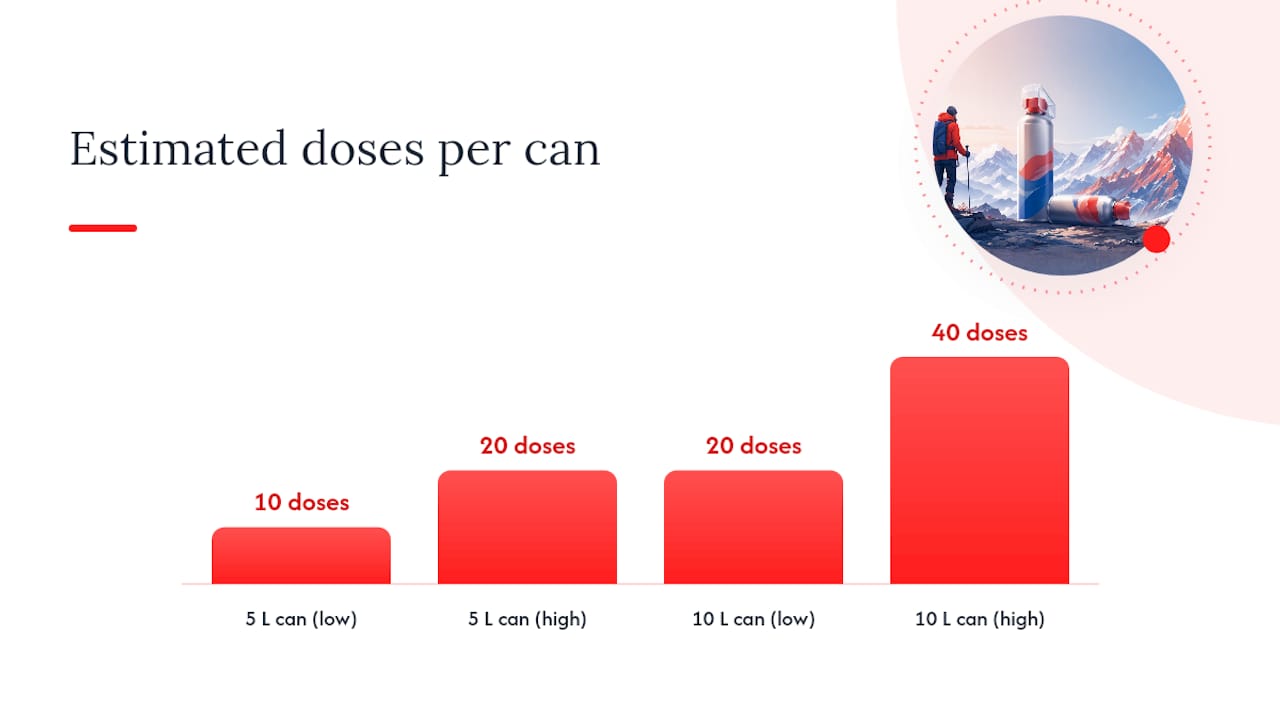
A 5-liter can, used in controlled 3-to-5-breath doses, typically provides 10–20 doses depending on breath depth and valve duration. A 10-liter can roughly doubles that. Actual count varies by user lung volume and technique, so treat those figures as practical estimates rather than guarantees.
For storage and transport, keep cans away from direct heat and ignition sources. Before flying, check current TSA and airline rules; regulations on pressurized canisters vary by carrier and can change. Revo2’s how-to-use guide covers current travel guidance and safe storage specifics.
Safety note: Canned oxygen is not a substitute for prescribed oxygen therapy or emergency medical care. If symptoms include severe headache, confusion, loss of coordination, or SpO2 readings below 90%, descend immediately and seek medical attention.
Does canned oxygen actually help? What the evidence shows
The honest answer is: yes, briefly, and mostly subjectively. Field testing and pulmonologist commentary describe immediate breath normalization after exertion as a common experience, but experts note that a 5-liter can contains less oxygen than your lungs process in a single minute at rest under exertion. The systemic oxygenation change is small and short-lived.
That said, subjective relief is not nothing. Anecdotal reports consistently describe faster breath recovery and improved alertness, and the combination of rest, deep breathing technique, and supplemental oxygen plausibly explains those outcomes.
Pulmonologists and field experts emphasize that acclimatization, slow ascent, hydration, and, when appropriate, prescription options like acetazolamide are the proven strategies for altitude. Canned oxygen is a situational adjunct, not a replacement for those measures.
The aromatics review adds a useful dimension: peppermint and eucalyptus-infused oxygen may enhance perceived alertness beyond what plain oxygen delivers, suggesting flavored options carry functional, not just sensory, value. The expert supplement roundup from Backpacker is direct: OTC oxygen and most altitude supplements have limited evidence for improving performance, but canned oxygen’s mechanism is at least physiologically coherent for short-term relief.
Safety, contraindications, and US regulatory status
OTC canned oxygen is sold as a consumer product in the United States and is not FDA-approved for treating any medical condition. The PMC review documents cases where users substituted it for prescribed home oxygen, which can delay necessary care and create serious risk for people with COPD, asthma exacerbations, or chronic respiratory disease.
Who should not use OTC canned oxygen without medical clearance: Anyone relying on home oxygen therapy, anyone with a diagnosed pulmonary condition, or anyone whose resting SpO2 regularly falls below 90%. Consult a physician before use if you have any chronic respiratory or cardiovascular condition.
Additional safety points:
- Do not use canned oxygen as a substitute for prescribed therapy or emergency care
- Avoid use near open flames or heat sources; canisters are pressurized
- Store at temperatures between 50°F and 120°F; do not puncture or incinerate
- Check TSA and airline rules before packing for air travel; policies vary by carrier
How to choose the right canned oxygen product
The purchase decision comes down to five measurable criteria:
- Purity: 98% O2 is the target; verify it’s stated on the label or spec sheet
- Can volume: Match liters to trip length and group size; 10 L cans offer better cost-per-dose value
- Mouthpiece design: A zero-leak mouthpiece delivers more oxygen per breath than an open mask
- Flavor options: Peppermint, lemon, and eucalyptus add an aromatic dimension that may support perceived alertness
- Return policy and customer support: Look for clear warranty terms and a responsive support channel
Revo2 meets all five. The 10-liter eucalyptus can is a strong option for multi-day hikes; the peppermint multi-pack suits athletes who use oxygen regularly for recovery. Revo2 also offers an altitude-to-oxygen calculator to help you estimate ambient oxygen at your target elevation and plan how many cans to bring.
Pro Tip: Divide the can price by your estimated number of doses to get cost per use. A 10 L can used in 3-to-5-breath doses typically yields 15–20 uses, making it significantly more economical than buying multiple small cans.
Practical use cases and packing tips for hikers, athletes, and travelers
The situations where canned oxygen earns its place in a pack are specific and predictable.
- Day hike at 8,000–10,000 ft: One 5 L can per person is usually sufficient for occasional use on steep sections.
- Multi-day trek above 10,000 ft: Bring at least one 10 L can per person per day of high-altitude exposure; more if the group includes less-acclimatized members.
- Summit push: Pack a 10 L can for the final ascent segment; use it at the first sign of breathlessness, not as a preventive measure.
- Post-interval athlete recovery: A 3-to-5-breath dose immediately after a hard interval set can shorten perceived recovery time.
- Long-haul flights: Cabin pressure at cruising altitude is equivalent to roughly 6,000–8,000 feet. A small can fits in a carry-on and can ease fatigue on arrival, subject to airline rules.
Packing checklist for high-altitude outings:
- Canned oxygen (sized to trip length and group)
- Pulse oximeter to monitor SpO2 in real time
- Basic first-aid kit including altitude sickness medication if prescribed
- Evacuation plan and emergency contact information
- Hydration supply and electrolytes
Pro Tip: For a group of four on a three-day alpine trip, pack at least eight 10 L cans total and designate one as a reserve. Weight per can is low enough that redundancy is worth it above 11,000 feet.
The case for using canned oxygen as a field tool, not a fix
Canned oxygen works best when you treat it as a precision instrument rather than a safety net. The hikers and athletes who get the most from it are the ones who use it deliberately: a few deep breaths to interrupt breathlessness, a short rest, then a clear-eyed decision about whether to continue. That approach respects both the product’s real benefits and its limits.
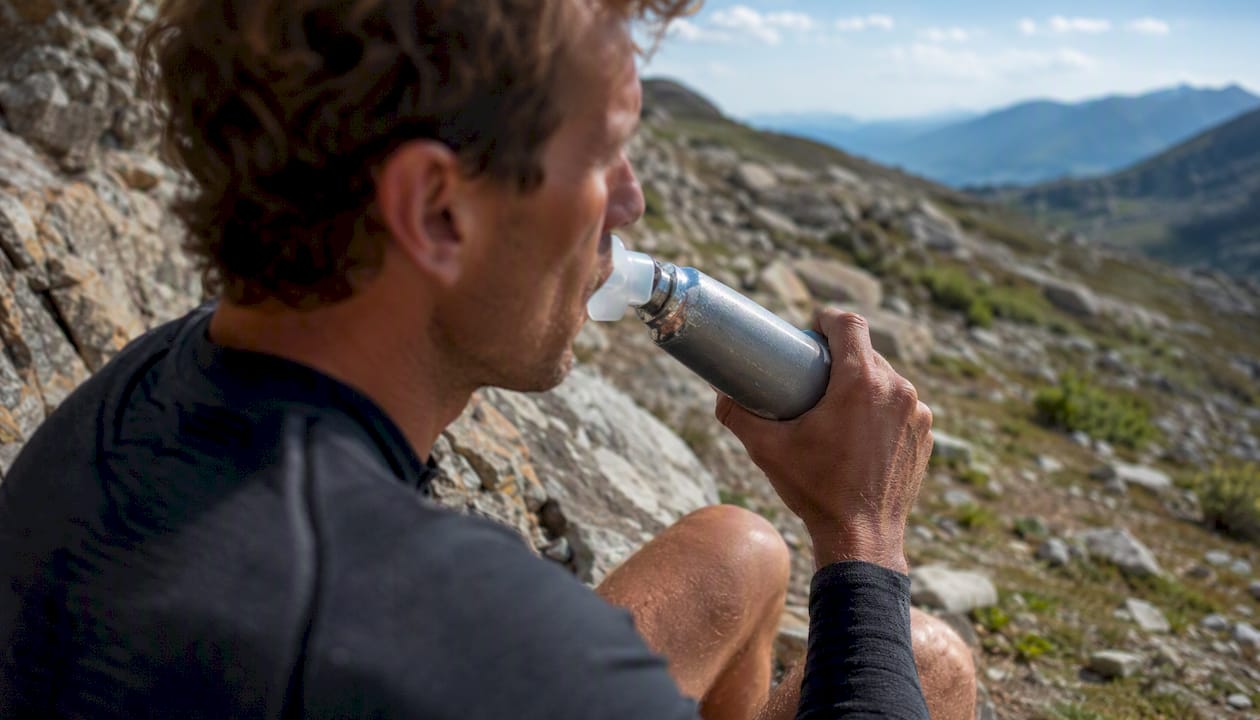
Revo2’s flavored options add something worth noting. For anyone who has tried to think clearly at 13,000 feet, that edge matters.
The one thing canned oxygen should never do is replace a proper acclimatization plan, a pulse oximeter, or an evacuation strategy. Use it as the field tool it is, and it will serve you well. Rely on it as a medical substitute, and you’re taking a risk the product was never designed to cover.
Revo2 is ready when altitude or exertion hits hardest
Whether you’re planning a summit attempt, packing for a long-haul flight, or adding a recovery tool to your training kit, Revo2 offers single cans, multi-packs, and subscription options sized to how you actually use oxygen in the field.
Browse the full Revo2 canned oxygen collection to compare can sizes, flavors, and pack options. New to canned oxygen? The how-to-use guide walks you through safe field technique, storage, and travel rules so you’re ready before you leave the trailhead. For regular use, the peppermint multi-pack offers the best cost-per-dose value for athletes and frequent hikers.
Sources
The claims in this article draw on peer-reviewed research, investigative gear reporting, and Revo2’s own product documentation. Sources supporting safety and regulatory status are marked accordingly.
- Medical Use of Over-the-Counter Canned Oxygen: A Review of Public Comments
- Is Canned Oxygen Practical or Placebo? I Hiked With It to Find Out.
- The efficacy of 95% pure portable oxygen enhanced with essential Oils: A comprehensive review of oxygen and aromatherapy
This article provides general information only and is not a substitute for professional medical advice. Consult a qualified clinician before using supplemental oxygen if you have any chronic respiratory or cardiovascular condition, and verify current TSA and airline rules directly before travel.