
Three short resets can interrupt autopilot and return you to focused work in under two minutes, depending on the method: a slow exhale breath reset (30–60 seconds), a posture and stretch check (60 seconds), and a sensory grounding or micro-movement pause (from 60 seconds up to 2 minutes). The most effective approach is to match the reset duration and type to your immediate need. To try one right now, close your eyes, exhale slowly for a count of eight, and name one concrete next action before you open them again. You’ll know it worked when your breath feels steadier, your jaw is less tight, and you can name your next task without scanning your inbox for a reminder.
- Steadier, slower breath within 30 seconds
- Reduced jaw or shoulder tension
- Ability to name one clear next action without hesitation
Key Takeaways
The most effective way to refresh your mind at work is to attach a 30–60 second breath, posture, or movement reset to an existing calendar cue or task transition, so the habit requires no extra willpower to start.
| Point | Details |
|---|---|
| Use anchor-based resets | Attach each reset to an existing cue (send button, calendar alert, doorway) to make it automatic. |
| Match reset to symptom | Racing thoughts need grounding; stiffness needs movement; low energy needs a micro-walk. |
| Keep most resets under 60 seconds | Brief, repeatable resets generally reduce attention residue without adding cognitive load to your day. Certain resets—like micro-walks and sensory grounding—can be extended to 2 minutes where the situation allows. |
| Know the limits | Persistent exhaustion, mood changes, or physical symptoms need professional support, not more resets. |
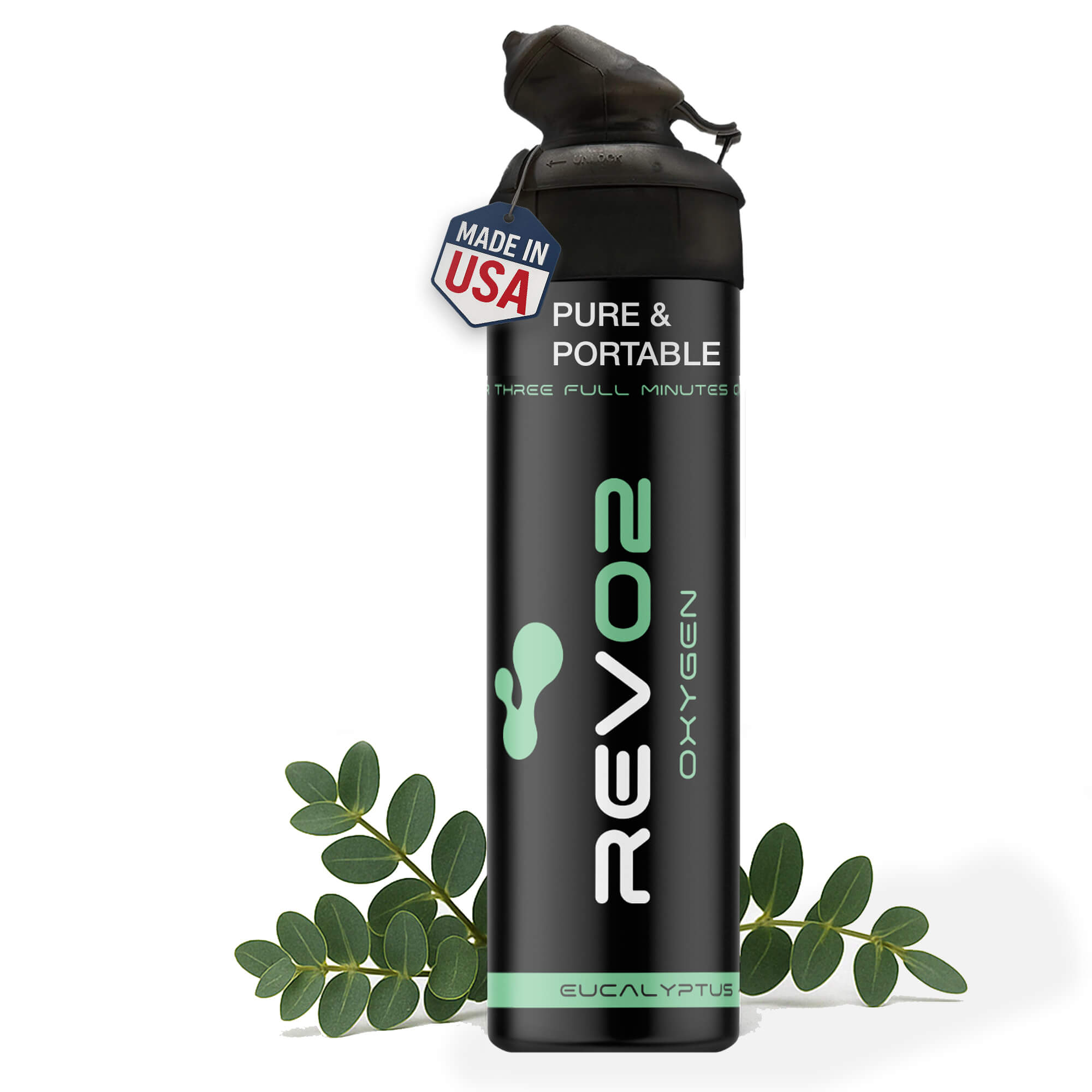
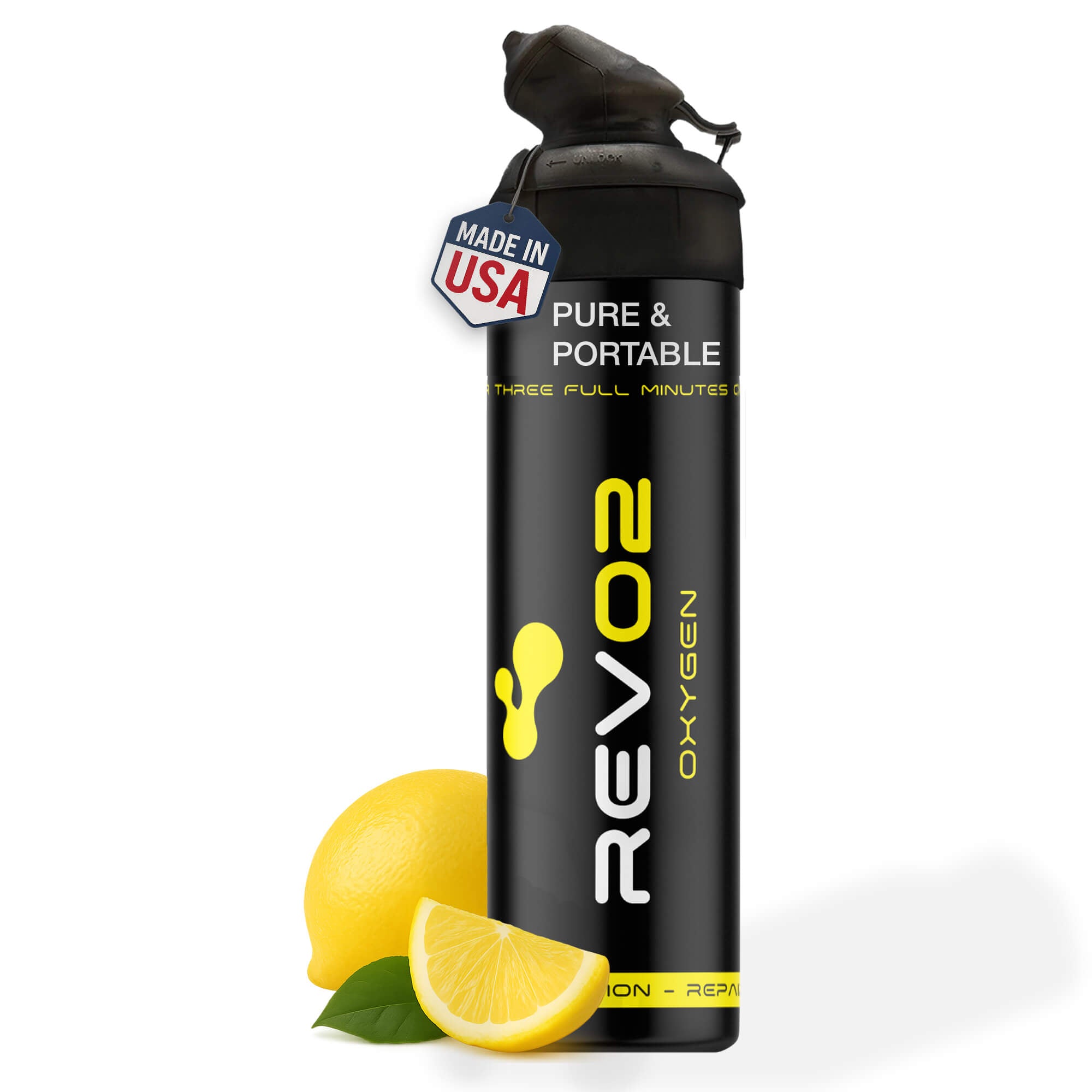
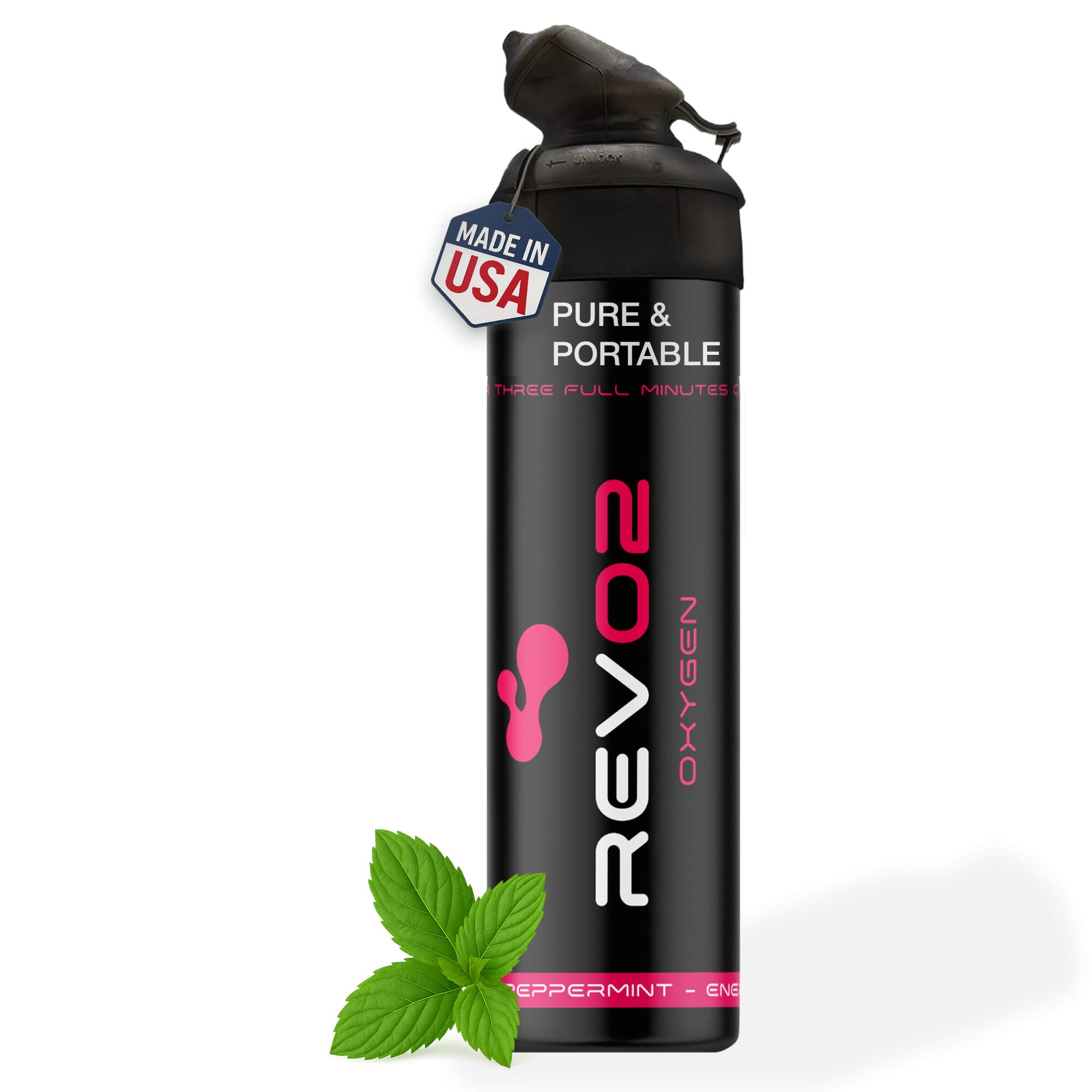
| Revo2 as an adjunct | A brief inhalation from a Revo2 canister pairs with the breath reset to add a physiological and sensory cue for focus. |
Table of Contents
- How do you reset your mind mid-workday? Start with these four steps
- Which reset should you use for each work situation?
- What does a precise 60-second desk reset look like?
- How do you fit micro-resets into a packed calendar?
- Why do micro-resets actually help your attention and stress levels?
- When a 60-second reset isn’t enough
- Can portable canned oxygen support a mid-workday reset?
- How the Revo2 team uses micro-resets every day
- Revo2 portable oxygen as a practical adjunct for brief clarity
- Sources
How do you reset your mind mid-workday? Start with these four steps
Mindful transitions as short as 10–60 seconds create what researchers call an attention boundary, reducing the “attention residue” that lingers from a previous task and letting you start the next one with more clarity. The four resets below each take 30–120 seconds. Every one has a discreet variation for open offices.
1. 60-second breath reset (longer exhale)
Inhale for four counts through your nose, then exhale slowly for eight counts through your mouth. Repeat three times. The extended exhale activates the parasympathetic nervous system, shifting your body away from a low-grade fight-or-flight state. Discreet version: keep your mouth closed and exhale through your nose for six counts. No one around you will notice.
Script: “Breathe in… hold… and out slowly. One more time.”
2. 60-second posture and stretch reset
Sit tall, roll your shoulders back twice, tilt your chin gently to your chest, then lift it. Press both feet flat on the floor. This physical repositioning interrupts the slumped, contracted posture that compounds mental fatigue. A one-minute reset combining breathing, a posture check, and naming a next action can interrupt stress momentum and works in shared workspaces. Discreet version: do the shoulder roll and foot press without standing.
Script: “Shoulders back. Feet down. Breathe.”
3. One-minute sensory grounding
Name five things you can see, four you can physically feel, three you can hear. This technique redirects attention from rumination to the present environment, which is the core mechanism behind mindfulness-based stress reduction. Brief gratitude practices work similarly: name one thing you’re genuinely glad about. Your mood tends to lift within seconds. Discreet version: do it silently with your eyes open, looking at your desk.
Script: “What do I see right now? What do I feel? What do I hear?”
4. Micro-walk or skill-based movement (2–10 minutes)
Walking produces measurable cognitive and mood benefits compared with prolonged sitting. Even a two-minute walk to a water fountain or stairwell counts. For a deeper reset, brief practice of a motor skill (juggling, a short stretching sequence, even dribbling a ball) can shift cognitive load to motor planning circuits, giving your prefrontal cortex a genuine rest. Discreet version: a slow walk to the restroom or a standing stretch at your desk.

Script: “Two minutes. Move. Come back.”
5. Threshold pause
Before you open a new tab, walk through a doorway, or start a new email, pause for three seconds. Breathe once. Name what you’re about to do. This tiny ritual closes the previous task’s mental loop before a new one begins.
Script: “I’m done with that. Now I’m starting this.”
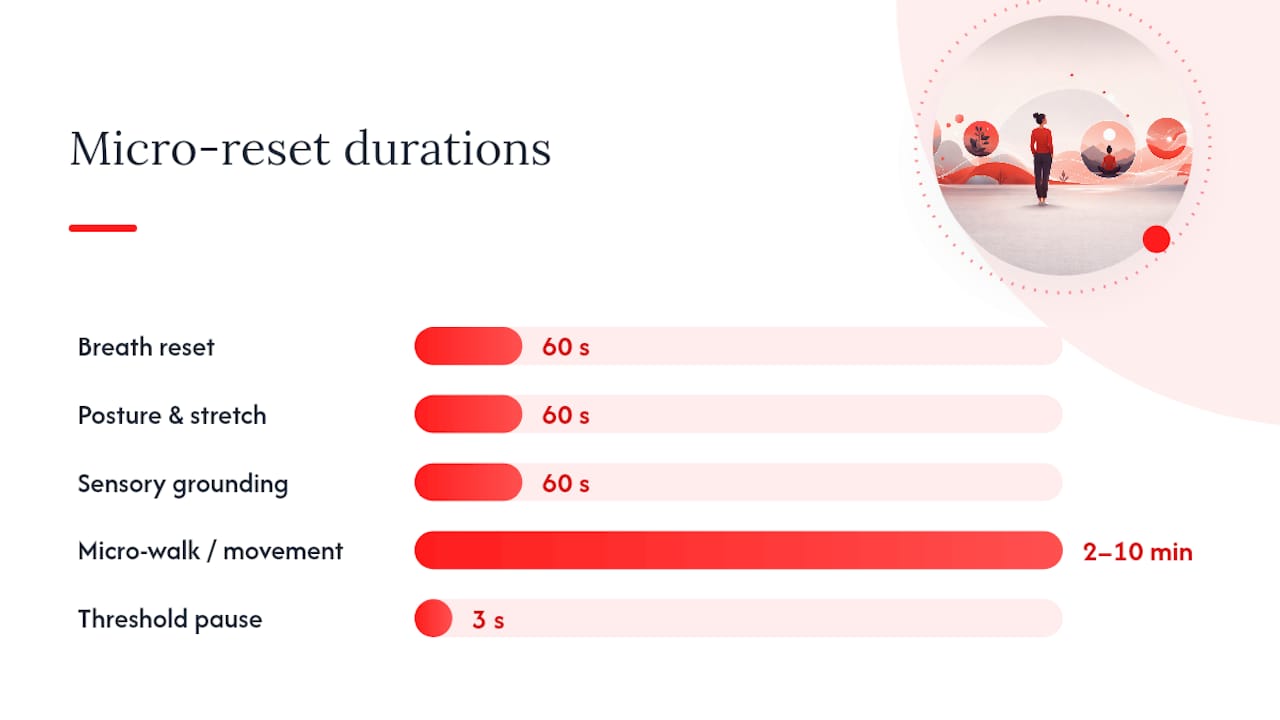
| Reset | Duration | Privacy needs | Best for | What to expect |
|---|---|---|---|---|
| Breath (long exhale) | 30–60 sec | None | Racing thoughts, tension | Calmer autonomic state |
| Posture and stretch | 60 sec | Low | Stiffness, slumped energy | Physical release, alertness |
| Sensory grounding | 60 sec | None | Scattered focus, anxiety | Present-moment clarity |
| Micro-walk | 2–10 min | Moderate | Low energy, afternoon dip | Mood lift, cognitive refresh |
| Threshold pause | 5–10 sec | None | Task switching, email spiral | Cleaner task entry |
Which reset should you use for each work situation?
Choosing the right reset for the moment matters more than picking the “best” one in the abstract. Here’s a quick map:
- Racing thoughts after a tense email or meeting: Use sensory grounding. Naming what you see and feel pulls attention out of the mental loop and back to the present.
- Afternoon energy dip (roughly 2–3 PM): Use a micro-walk. Movement is the most direct counter to the post-lunch circadian dip, and even two minutes of walking shifts your physiology more than a coffee refill.
- Stiffness or physical tension from long screen time: Use the posture and stretch reset. Screen fatigue often shows up as neck tension and shallow breathing before it registers as mental fog.
- Scattered focus before a high-stakes task: Use the 60-second breath reset, then name your single next action aloud or in writing before you begin.
- Transition between back-to-back meetings: Use the threshold pause. You don’t have time for more, and a three-second intentional breath is enough to close one mental context before opening the next.
When privacy is limited: The breath reset and sensory grounding both work silently at your desk with no visible movement. The posture check can be done as a subtle seated adjustment. Save the micro-walk for natural breaks between blocks.
Self-cue examples to use before returning to work:
- “I’ve reset. My next action is ___.”
- “That meeting is done. Right now I’m working on ___.”
- “I feel steadier. I’m ready.”
What does a precise 60-second desk reset look like?
This script is adapted from practical one-minute reset patterns designed for shared workspaces. Set a one-minute timer on your phone before you start.
- 0–15 seconds: Body check. Notice where you’re holding tension. Jaw? Shoulders? Hands? Don’t fix anything yet. Just notice.
- 15–45 seconds: Breathing pattern. Inhale for four counts, exhale for eight. Do this twice. On the third breath, let the exhale go naturally without counting.
- 45–60 seconds: Name one next action. Say it silently or write it: “My next action is ___.” Be specific. “Finish the intro paragraph” beats “work on the report.”
Discreet variations for open offices or on-camera calls:
- Silent 4:8 exhale: Keep your face neutral, breathe through your nose, and count internally. No one will notice.
- Posture micro-scan: Straighten your spine and press your feet to the floor without any visible movement.
- Sensory naming: Look at your screen and silently name three things you can see. Takes four seconds.
Pro Tip: Place a calendar alert labeled “1-min reset” at 11 AM and 3 PM for the first two weeks. Attach the reset to the alert sound, not to a vague intention to “take breaks.” The sound is the cue; the reset is the response.
How do you fit micro-resets into a packed calendar?
The most common reason micro-resets fail is that they depend on willpower rather than structure. Desk-friendly practices are most sustainable when they’re brief, repeatable, and attached to existing cues rather than scheduled as separate events.
A three-point starter routine that works for most professionals:
- Morning anchor (first 5 minutes at your desk): One slow breath before opening email. This sets a deliberate tone before reactive mode begins.
- Midday reset (before or after lunch): A two-to-five-minute walk or a full 60-second desk reset. This is your most important reset of the day because it interrupts the accumulation of attention residue from the morning.
- Pre-meeting pause (30 seconds before each call): One breath, one posture check, one named intention for the meeting. Takes less time than the average hold music.
A laddered approach to break length helps match the reset to the moment: keep a two-minute tool (breath reset), a five-minute tool (sensory grounding plus walk), and a ten-minute tool (guided audio or longer movement) ready. Use the shorter ones for quick interruptions between tasks and the longer one for a genuine midday recovery.
For the first two weeks, limit yourself to two anchored resets per day. Adding too many at once creates its own cognitive load. Once the two-point habit is automatic, add a third.
Pro Tip: Choose one visible trigger and commit to it: the sound of a calendar alert, the act of closing a laptop lid, or the moment you press “send” on an email. Anchor-based resets require zero extra initiation energy because the cue does the work of remembering.
Why do micro-resets actually help your attention and stress levels?
The mechanism is straightforward. When you move from task to task without a pause, part of your attention stays on the previous task, a phenomenon researchers call attention residue. A brief mindful transition creates a boundary that signals to your brain: that context is closed, this one is open.
Breath control works through a direct physiological channel. Slow, extended exhalation stimulates the vagus nerve, which reduces heart rate and lowers cortisol output. You don’t need a long meditation session to access this effect; three slow breaths are enough to shift your autonomic state measurably.
Movement works differently. Walking produces cognitive and mood benefits that passive sitting cannot replicate, partly because it increases cerebral blood flow and partly because it shifts your motor circuits into a different mode of engagement. Skill-based movement goes further: brief practice of a physical skill can restore executive function by redirecting cognitive load to motor planning, giving the prefrontal cortex a genuine rest.
A note on gratitude as a grounding reset: Brief gratitude practices are linked with improved mood and require no equipment, no privacy, and no more than 20 seconds. Naming one thing you’re glad about is a low-friction way to shift emotional tone before a difficult task.
This article is for general informational purposes only and is not a substitute for professional medical or mental health advice. If you are experiencing persistent symptoms, please consult a qualified clinician.
When a 60-second reset isn’t enough
Micro-resets are effective for normal workday fatigue. They are not a treatment for burnout, sleep deprivation, or an unsafe workload. Knowing the difference protects you from using short resets as a way to push through conditions that need structural change.
Warning signs that point to something more than a reset can address:
- Persistent exhaustion that doesn’t improve after a full night’s sleep
- Difficulty making routine decisions or completing familiar tasks
- Noticeable mood changes, irritability, or emotional numbness lasting more than a few days
- Physical symptoms: frequent headaches, chest tightness, or disrupted appetite
If you recognize these signs, short evidence-based work breaks support recovery but are not substitutes for clinical care or structural workplace change. Practical next steps:
- Document your workload for one week: tasks, hours, interruptions. This gives you concrete data for a manager conversation.
- Schedule a check-in with your manager focused on workload, not performance. Frame it as a sustainability conversation.
- Use your Employee Assistance Program (EAP) if your employer offers one. Most EAPs provide free short-term counseling and are confidential.
- See a clinician if physical symptoms persist. Chronic stress affects respiratory function, cardiovascular health, and immune response in ways that go well beyond what a breathing exercise can address.
Longer breaks, genuine weekend recovery, and professional support are not signs of weakness. They’re the structural interventions that micro-resets were never designed to replace.
Can portable canned oxygen support a mid-workday reset?
Supplemental inhaled oxygen is not a clinical treatment for workplace stress, and it won’t correct underlying hypoxemia or replace medical care. That said, there are specific situations where a brief inhalation of high-concentration oxygen may feel subjectively clarifying, and understanding why helps you use it appropriately.
At altitude, during brief physical exertion, or after a period of shallow stress-breathing, your oxygen saturation can dip slightly below your personal baseline. In those moments, a short inhalation of 98% pure oxygen can help restore normal saturation more quickly than ambient air alone. Brain oxygen levels, focus, and cognitive clarity are closely linked: even modest drops in oxygen availability can affect alertness and processing speed.
Practical use cases where Revo2’s canned oxygen may serve as an adjunct to a micro-reset:
- After a high-intensity meeting or a stressful call, when shallow breathing has been sustained for 30+ minutes
- At altitude (travel, high-elevation offices) where ambient oxygen is genuinely lower
- During a brief fatigue dip when you want a sensory cue to signal a shift in mental state
What to be aware of:
- Revo2’s 98% pure oxygen canisters use a zero-leak mouthpiece, so inhalation is direct and efficient without the waste of a mask-based system.
- Supplemental oxygen is not appropriate as a substitute for medical-grade oxygen therapy in clinical conditions. If you have a respiratory condition, consult your physician before use.
- The subjective clarity effect is most noticeable when paired with a brief posture reset or slow exhale, not used in isolation.
Pro Tip: Pair one short inhalation with a 60-second breath reset script to enhance the physiological and behavioral cue for renewed focus.-second breath reset script above. The combination of a slow exhale and a brief oxygen boost gives both a physiological and a behavioral cue that a new focus block is beginning. Revo2 offers peppermint and lemon oxygen breathing exercises for stress relief that pair naturally with this approach.
How the Revo2 team uses micro-resets every day
The reset that made the biggest difference for our team wasn’t the most elaborate one. It was the threshold pause: one breath before opening a new email thread, every time. Attaching that single breath to the act of clicking “Compose” turned an unconscious reactive habit into a deliberate one. Within a week, the quality of the emails improved and the reactive tone dropped noticeably.
The practical suggestion that came out of real use: pair a peppermint inhalation from a Revo2 canister with the moment before a high-focus block. The scent acts as a sensory anchor, and the brief oxygen boost adds a physiological signal that the next 45 minutes are different from the last. It’s a small ritual, but rituals work because they’re consistent, not because they’re complex.
For deeper background on how oxygen availability affects cognitive performance, Revo2’s educational resources on mental focus and clarity are worth a read.
Revo2 portable oxygen as a practical adjunct for brief clarity
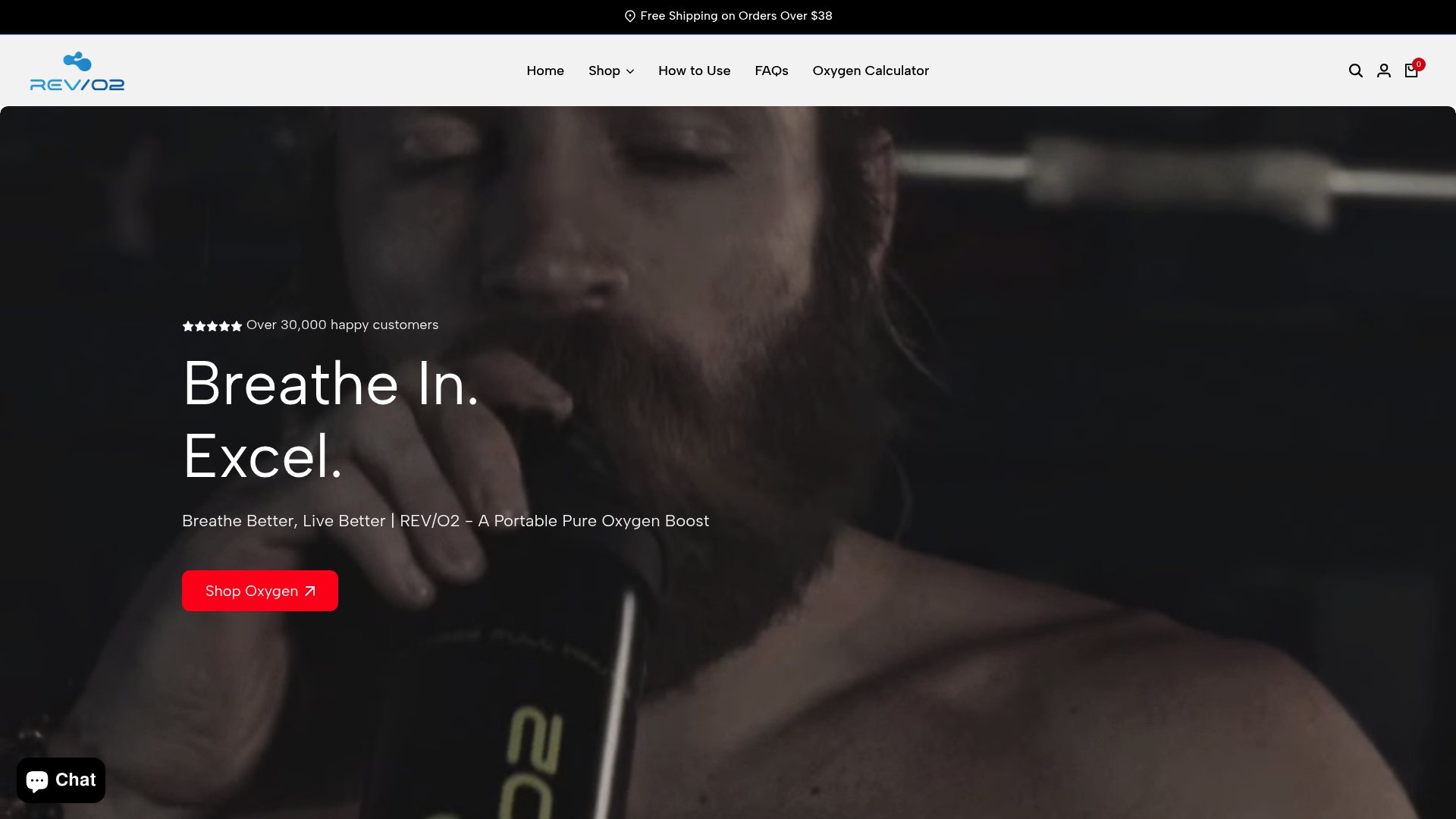
When your afternoon focus drops and a walk isn’t an option, Revo2’s 98% pure canned oxygen gives you a direct, portable way to support your next reset. The zero-leak mouthpiece means no wasted oxygen and no awkward mask, so a brief inhalation fits cleanly into a 60-second desk reset without disrupting your workflow. Peppermint and lemon blends add a sensory cue that reinforces the mental shift you’re trying to make.
This is not a medical treatment and not a replacement for clinical oxygen therapy. It’s a practical adjunct for the moments when ambient air and a slow breath aren’t quite enough. Before you use it, review Revo2’s safe usage guide to make sure it fits your situation. When it does, it’s one of the simplest tools you can keep at your desk.