
Brain oxygen levels are the single most underrated factor in cognitive performance. The brain consumes about 20% of the body’s total oxygen supply at rest, despite accounting for only 2% of body weight. That ratio tells you everything: your brain is an oxygen-hungry organ, and even small drops in oxygen availability translate directly into slower thinking, weaker memory, and reduced focus. Understanding how brain oxygen levels affect focus and productivity gives you a real, physiological foundation for improving how you think and work.
1. How brain oxygen levels shape focus and productivity
Oxygen is the fuel that powers neuronal metabolism. Every time your brain processes information, neurons burn adenosine triphosphate (ATP), and producing ATP requires a continuous oxygen supply. When that supply drops, even slightly, the brain’s ability to handle complex tasks degrades first. Simple, automatic tasks survive longer, but the work that actually matters at a desk or in a lecture hall, such as decision-making, working memory, and sustained attention, suffers early.
The clinical term for low blood oxygen is hypoxemia, and its cognitive effects are well documented. Elevated carbon dioxide (CO2) in a room triggers cerebral vasodilation as the brain tries to flush CO2 out. That sounds helpful, but it suppresses the brain’s metabolic oxygen rate, which is the opposite of what you need for sharp thinking.

The numbers are striking. CO2 at 950 ppm reduces cognitive scores by about 15%. At 1,400 ppm, scores fall by 50%. Standard office air regularly reaches those levels by mid-morning. That afternoon slump you feel is not a willpower problem. It is a biology problem.
Key cognitive functions impaired by low cerebral oxygenation include:
- Working memory: Difficulty holding and manipulating information during tasks
- Inhibitory control: Reduced ability to filter distractions and stay on task
- Decision-making speed: Slower processing when evaluating options under pressure
- Sustained attention: Shorter focus windows before mental fatigue sets in
2. Natural strategies to increase brain oxygen for better focus
Physical exercise is the most powerful natural method to raise cortical oxygenation. Research shows that vigorous exercise increases cortical oxygenated hemoglobin with a standardized effect size of 0.92, compared to 0.64 for moderate intensity and 0.24 for low intensity. That gradient matters. A brisk walk helps, but a 20-minute run before a demanding work session delivers a meaningfully larger oxygen boost to the prefrontal cortex, the region most responsible for focus and executive function.
Here are the most effective natural strategies, ranked by evidence strength:
- Vigorous aerobic exercise. A 20-minute run or cycling session before cognitively demanding work raises prefrontal oxygenation and improves inhibitory control. The neurophysiological oxygen increase during vigorous activity directly drives better concentration afterward.
- Improve indoor ventilation. Open windows, use cross-ventilation, or install a CO2 monitor. ASHRAE ventilation standards exist precisely because air quality metrics like CO2, PM2.5, and volatile organic compounds (VOCs) measurably affect short-term cognitive function.
- Diaphragmatic breathing. Shallow chest breathing reduces oxygen intake per breath. Breathing deeply from the diaphragm, with a slow exhale, maximizes alveolar oxygen exchange and lowers CO2 retention.
- Correct your posture. Slouching compresses the chest cavity and restricts lung expansion. Sitting upright or standing increases tidal volume, meaning more air moves in and out per breath.
- Oral carbohydrate sensing. Research shows that carbohydrate mouth rinsing enhances prefrontal oxygenation and preserves executive function during high-intensity cognitive or physical effort. Rinsing with a carbohydrate solution and spitting it out activates receptors in the mouth that signal the brain, without requiring digestion.
- Spend time outdoors. Outdoor air typically contains far lower CO2 concentrations than indoor spaces. Even a 10-minute outdoor break resets cerebral CO2 levels and restores attentional capacity.
- Stay well hydrated. Blood viscosity rises with dehydration, reducing how efficiently red blood cells carry oxygen to the brain. Consistent water intake supports optimal oxygen transport.
Pro Tip: Install a CO2 monitor at your desk. When readings exceed 800 ppm, open a window or step outside for five minutes. This single habit can prevent the cognitive decline that builds silently through a typical workday.
3. How your workplace environment affects cerebral oxygenation
The office is where brain oxygen problems are most common and least recognized. Most professionals spend eight or more hours in sealed or poorly ventilated rooms, and CO2 accumulates steadily as people breathe. CO2 concentrations between 800 and 1,200 ppm are enough to measurably slow decision-making speed, and most standard offices reach those levels without anyone noticing.
The physiological mechanism is worth understanding clearly. CO2 buildup causes cerebral blood vessels to dilate as a removal mechanism. This paradoxically decreases the oxygen metabolism required for complex cognitive tasks. The result is a vicious cycle: more people in a room, more CO2, slower thinking, and no obvious external cause to blame.
“Sluggishness in offices is largely biological, driven by CO2 accumulation displacing oxygen and impairing cerebral metabolism. It is not a lack of discipline or motivation.”
Simple environmental changes produce real results. Better-ventilated offices with lower CO2 and VOC levels show cognitive task performance 50–100% higher than conventional offices. Productivity gains from improved ventilation alone range from 1% to 10%. Those numbers represent real output differences across a team or a semester of study.
Common environmental factors that reduce brain oxygen availability:
- Sealed conference rooms with multiple occupants and no fresh air intake
- Air conditioning systems that recirculate indoor air without adding outdoor air
- High-occupancy open-plan offices without adequate mechanical ventilation
- Relying on caffeine to counter fatigue caused by CO2 buildup rather than addressing the air quality directly
Caffeine does not restore oxygen availability. It blocks adenosine receptors to reduce the sensation of fatigue, but it does not address the underlying drop in cerebral oxygenation. Fresh air does.
4. Supplemental oxygen options for cognitive enhancement
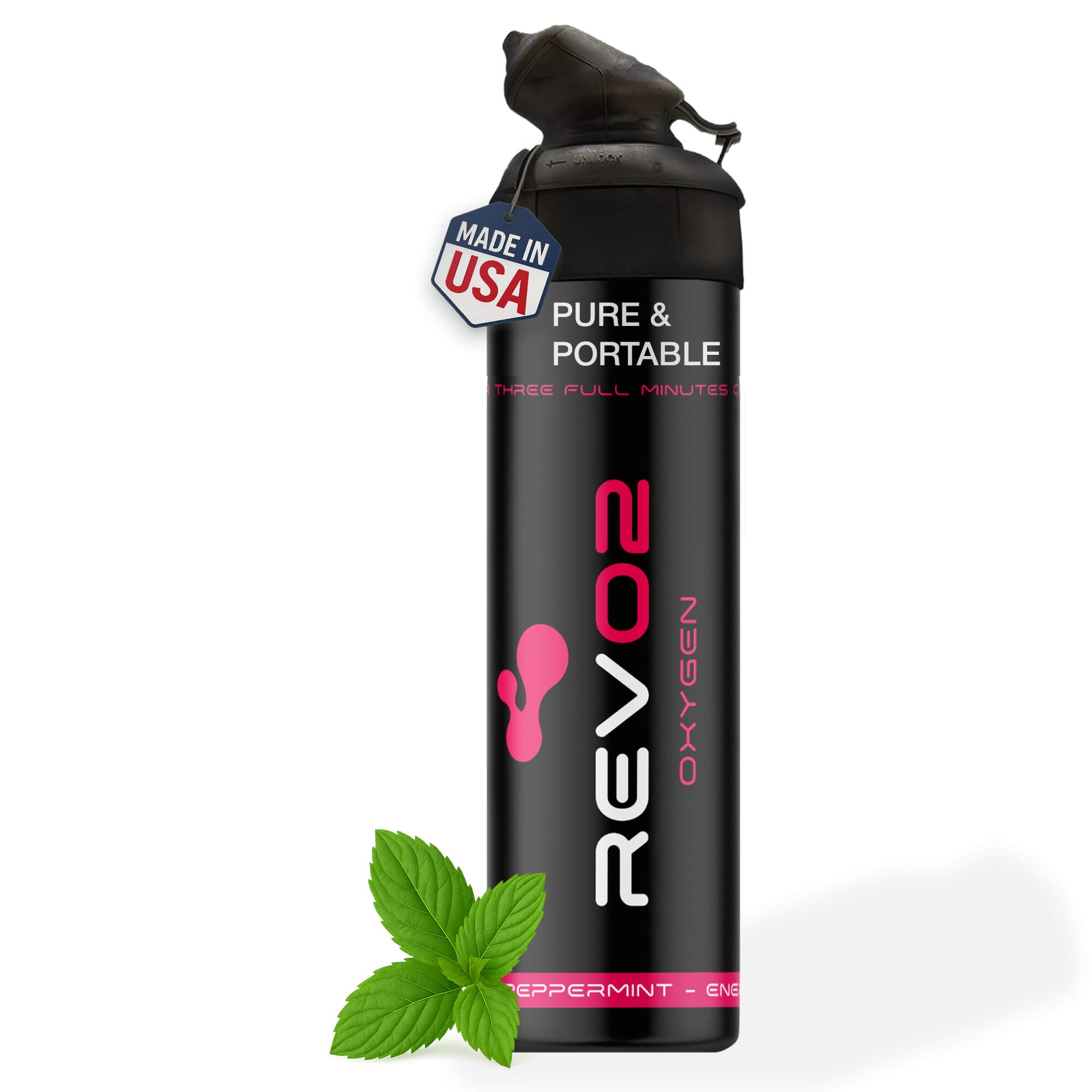
Supplemental oxygen delivers a higher concentration of oxygen per breath than ambient air, which sits at roughly 21% oxygen. Canned oxygen products like those from Revo2 provide 98% pure oxygen in a portable format. That concentration difference is significant: each breath from a Revo2 can delivers far more oxygen molecules to the lungs than a normal breath, supporting faster oxygen saturation in the blood.
Research supports the idea that supplemental oxygen can produce acute cognitive improvements, particularly under conditions of fatigue or reduced ambient oxygen, such as high altitudes or poorly ventilated spaces. The effect is temporary, which is exactly the point. A short burst of high-concentration oxygen before a presentation, an exam, or a long focus session can sharpen attention and reduce mental fatigue in the moment.
Pro Tip: Use supplemental oxygen as a targeted tool, not a daily substitute for exercise and ventilation. Pair a Revo2 can with a five-minute outdoor break for a compounding effect on cerebral oxygenation.
Supplemental oxygen works best when integrated with natural oxygen optimization methods. Exercise, ventilation, and breathing technique build your baseline cerebral oxygen capacity. Supplemental oxygen provides an acute boost when you need peak performance on demand. The two approaches are complementary, not competing. You can learn more about how oxygen supports mental clarity and the specific mechanisms behind each approach.
Key Takeaways
Optimizing brain oxygen levels is the most direct, evidence-based path to sustained focus and higher cognitive output, and it requires combining exercise, environmental control, and targeted supplementation.
| Point | Details |
|---|---|
| Brain oxygen demand is high | The brain uses 20% of the body’s oxygen at rest, making it uniquely vulnerable to supply drops. |
| CO2 is the hidden focus killer | Office CO2 above 950 ppm cuts cognitive scores by 15%; above 1,400 ppm, scores fall by 50%. |
| Exercise raises cortical oxygen fast | Vigorous exercise produces the strongest effect on brain oxygenation, with an effect size of 0.92. |
| Ventilation improvements pay off | Better air quality in offices raises complex task performance by 50–100% over conventional settings. |
| Supplemental oxygen fills acute gaps | Revo2’s 98% pure canned oxygen provides a targeted boost when natural methods are not enough. |
Why I think most productivity advice misses the point
Most productivity content focuses on systems, apps, and time-blocking techniques. Those tools have value, but they all assume your brain is operating at full capacity. Mine often was not, and I did not know why until I started paying attention to air quality.
The turning point for me was placing a CO2 monitor on my desk. By 10:00 AM in a closed home office, readings regularly hit 1,100 ppm. I was not tired because I lacked discipline. I was tired because I was slowly depleting the oxygen available to my prefrontal cortex. Opening a window dropped readings below 600 ppm within minutes, and the mental clarity that followed was immediate and noticeable.
What I have found actually works is treating brain oxygenation as a physical input, not a metaphor. Exercise before demanding work. Monitor and manage indoor CO2. Use diaphragmatic breathing during high-pressure tasks. And when you need a fast, reliable boost, such as before a presentation or a long study block, supplemental oxygen from a portable can is a legitimate, physiologically grounded tool. The cognitive performance and oxygen link is not a wellness trend. It is basic neuroscience that most professionals have never been taught.
The uncomfortable truth is that your environment is probably working against your brain right now. Fixing that is faster and cheaper than most productivity systems, and the results are measurable within the same day.
— Paul
Revo2 and the case for portable oxygen support
When natural strategies are not enough or when you need peak focus on demand, Revo2 offers a practical solution designed for exactly that situation.
Revo2’s canned oxygen products deliver 98% pure oxygen through a zero-leak mouthpiece, with no mask required and no waste. Each can is portable enough to fit in a bag or desk drawer, making it accessible during study sessions, long meetings, or high-stakes work blocks. Revo2 products are built with athlete input and scientific design, and reviews consistently highlight improvements in mental clarity and energy. If you want to understand safe and effective use before you start, the Revo2 usage guide covers everything you need. Pair supplemental oxygen with the natural strategies in this article for the strongest results.
FAQ
How does oxygen affect brain focus and productivity?
Oxygen fuels ATP production in neurons, which powers every cognitive process including attention, memory, and decision-making. When oxygen availability drops, complex thinking degrades first, reducing focus and output.
What CO2 level in an office starts hurting cognitive performance?
CO2 concentrations around 950 ppm reduce cognitive scores by about 15%, and levels of 1,400 ppm cause a 50% decline. Standard offices regularly reach these levels without occupants realizing it.
Does exercise really increase brain oxygen levels?
Yes. Vigorous exercise raises cortical oxygenated hemoglobin with a standardized effect size of 0.92, significantly stronger than moderate or low-intensity activity. Even a 20-minute session before demanding work produces measurable cognitive benefits.
Is supplemental oxygen safe for everyday focus use?
Supplemental oxygen from portable cans is generally considered safe for healthy adults when used as directed. It is not a replacement for exercise or ventilation but works well as a targeted boost before high-demand cognitive tasks.
What is the fastest way to increase brain oxygen right now?
Open a window or step outside to lower indoor CO2, then take several slow, deep diaphragmatic breaths. For a faster and more concentrated effect, a few breaths from a Revo2 portable oxygen can can raise oxygen saturation quickly.