
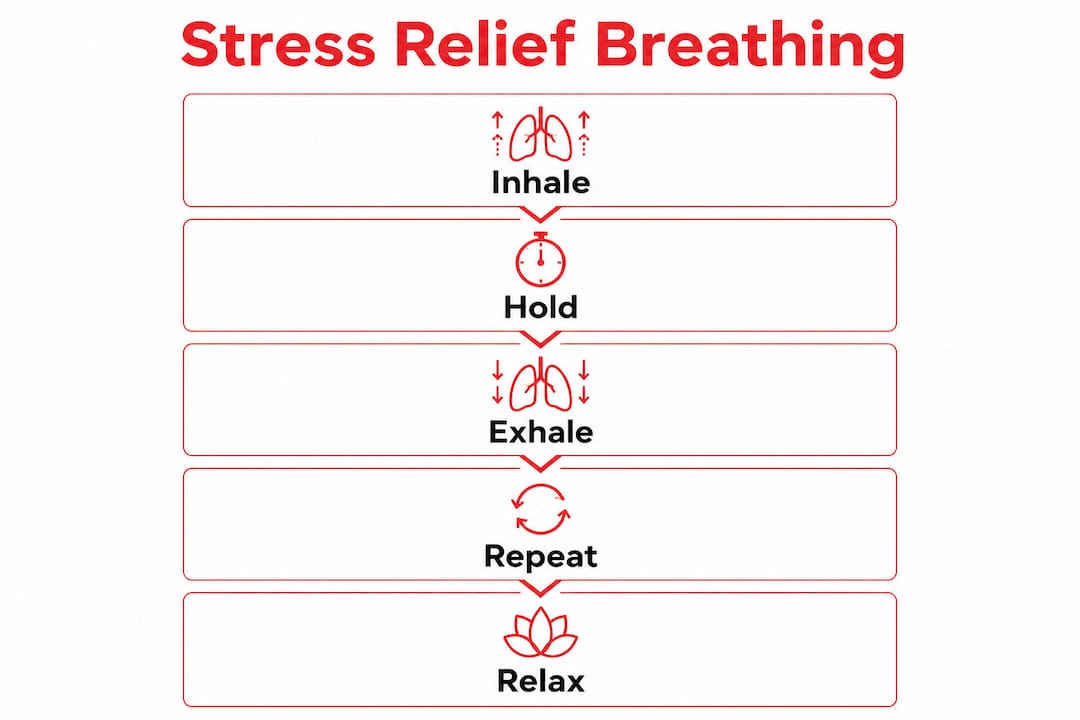
Controlled oxygen breathing exercises for stress relief work by activating your body’s parasympathetic nervous system, the biological “rest and digest” system that counteracts the stress response. The four techniques with the strongest evidence behind them are diaphragmatic breathing, alternate nostril breathing, box breathing, and 4-7-8 breathing. A systematic review of 72 breathing interventions found that 75% successfully reduced stress when sessions lasted at least five minutes and avoided fast-only breath paces. You can start any of these right now, no equipment needed.
Quick-start guide to the four core techniques:
- Diaphragmatic breathing: Inhale slowly through your nose for 4 counts, letting your belly rise. Exhale through pursed lips for 6 counts, letting your belly fall. Repeat for 5–10 minutes.
- Alternate nostril breathing: Close your right nostril with your thumb, inhale through your left. Close your left nostril with your ring finger, release your right, and exhale. Alternate for 5–10 minutes.
- Box breathing: Inhale for 4 counts, hold for 4, exhale for 4, hold for 4. Repeat the cycle 4–6 times.
- 4-7-8 breathing: Inhale for 4 counts, hold for 7, exhale slowly for 8. Repeat several cycles.
Extending the exhale longer than the inhale is the single most reliable trigger for the relaxation response across all four methods. That one principle unifies everything below.
How diaphragmatic breathing reduces stress and how to do it
Diaphragmatic breathing, also called belly breathing, is the foundation of most stress relief breathing methods. Most people under stress default to shallow chest breathing, which uses the shoulders and upper chest rather than the diaphragm. That pattern disrupts the balance of oxygen and carbon dioxide in the blood, which can actually worsen anxiety rather than relieve it.
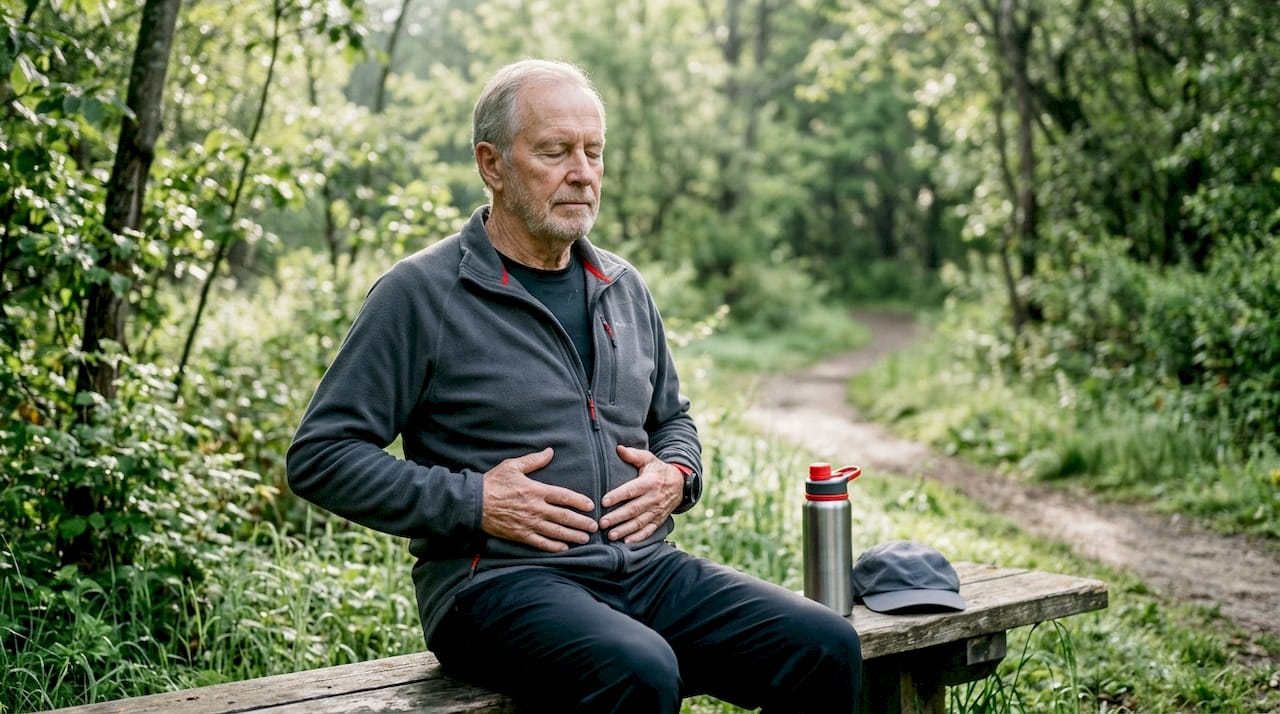
When you breathe with your diaphragm, the large muscle beneath your lungs contracts and pulls downward, drawing a greater volume of air deep into the lungs. According to Harvard Medical School’s Dr. Beth Frates, deep breathing stimulates the vagus nerve, which runs from the brain to the colon and activates the “rest and digest” response. That response lowers your heart rate, widens blood vessels, and reduces levels of epinephrine, a primary stress hormone.
Step-by-step instructions:
- Sit upright in a chair or lie flat on your back with your knees slightly bent.
- Place one hand on your upper chest and the other just below your rib cage.
- Inhale slowly through your nose for 4 counts. The hand on your belly should rise; the hand on your chest should stay still.
- Exhale through pursed lips for 6 counts. Feel your belly fall as your diaphragm releases.
- Repeat for at least 5 minutes.
A common beginner mistake is forcing the breath, which causes the chest to heave and defeats the purpose. If your chest hand is moving more than your belly hand, slow down and take a smaller breath. The goal is gentle, controlled movement, not maximum lung capacity.
Alternate nostril breathing for mental calm and balance
Alternate nostril breathing, known in pranayama for stress management as nadi shodhana, is one of the most studied breathing techniques for relaxation in the yogic tradition. Its calming effect comes from the rhythmic, controlled pace it imposes, which naturally slows your breath rate into the therapeutic range of 6–10 breaths per minute. Research on slow-paced breathing consistently links this range to reduced stress hormone levels and lower heart rate.
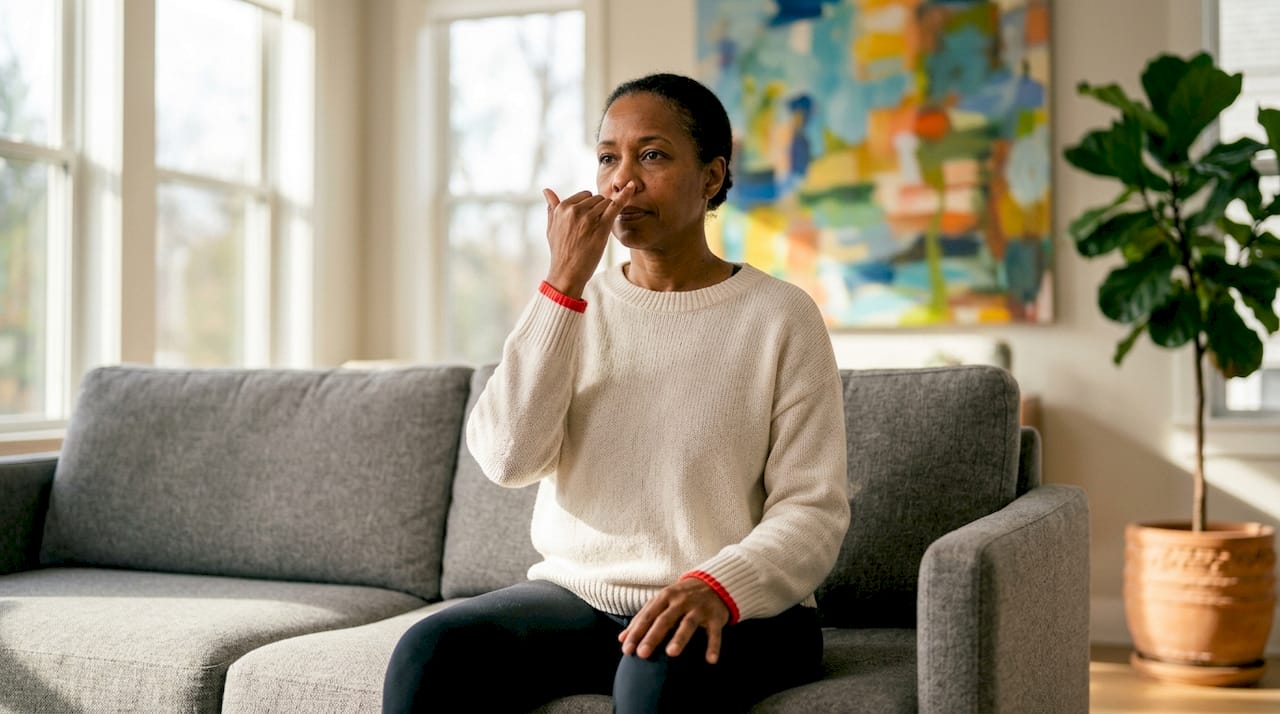
This technique works particularly well when your mind is racing and you need something that demands enough focus to interrupt anxious thought patterns. The physical act of alternating nostrils creates a tactile anchor that keeps attention on the breath rather than the stressor.
How to practice alternate nostril breathing:
- Sit comfortably with your spine upright. Rest your left hand on your left knee.
- Bring your right hand to your face. Place your thumb over your right nostril and your ring finger over your left.
- Close your right nostril with your thumb. Inhale slowly through your left nostril for 4 counts.
- Close both nostrils briefly, then release your thumb and exhale fully through your right nostril for 6 counts.
- Inhale through your right nostril for 4 counts.
- Close both nostrils, then release your ring finger and exhale through your left nostril for 6 counts.
- That completes one cycle. Repeat for 5–10 minutes.
The best time to practice is before a stressful event, such as a presentation or a difficult conversation, or as part of a morning routine before the day’s demands accumulate. A quiet room with no interruptions makes a real difference, especially when you’re learning the technique. Complex pranayama variations require guided training, but this foundational version is accessible to most people from the first session.
Box breathing and 4-7-8 breathing for fast stress control
These two paced breathing techniques are among the most practical stress relief breathing methods available because they give your mind a counting task while your body resets. Both prolong exhalation to signal relaxation to the nervous system, though they do so with slightly different rhythms.
Box breathing
Box breathing uses equal counts for all four phases, making it easy to remember under pressure. It’s widely used by military personnel and first responders for acute stress control.
Steps:
- Inhale through your nose for 4 counts.
- Hold your breath for 4 counts.
- Exhale through your mouth for 4 counts.
- Hold for 4 counts before the next inhale.
- Repeat 4–6 cycles, or until you feel calmer.
4-7-8 breathing
The 4-7-8 method places the emphasis on a long, slow exhale, which is the most direct way to trigger the parasympathetic response. Harvard Medical School recommends purse your lips as if blowing out candles to help slow the exhale naturally.
Steps:
- Exhale completely through your mouth to start.
- Close your mouth and inhale quietly through your nose for 4 counts.
- Hold your breath for 7 counts.
- Exhale completely through your mouth for 8 counts.
- Repeat for 4 full cycles.
Tips for daily integration:
- Practice box breathing before meetings, phone calls, or any situation you know triggers stress.
- Use 4-7-8 breathing at bedtime; the long exhale phase is particularly effective for reducing pre-sleep tension.
- Both techniques are brief enough to fit into busy schedules.
- If the 7-count hold feels too long at first, shorten all counts proportionally (2-3.5-4) and build up over a week.
Why controlled breathing actually lowers stress in your body
The physiological mechanism behind these techniques is more specific than simply “getting more oxygen.” Stress causes shallow, upper-chest breathing that disrupts the balance of oxygen and carbon dioxide in the blood. Restoring that balance through diaphragmatic breathing is what produces calm, not just increasing oxygen volume.
Slow diaphragmatic breathing manually overrides the sympathetic “fight-or-flight” response by stimulating the vagus nerve, which lowers cortisol, slows heart rate, and induces a measurable state of calm.
Here is what happens in sequence when you breathe slowly and deeply:
- Vagus nerve activation: The diaphragm’s downward movement stimulates the vagus nerve, which carries the “rest and digest” signal from the brain throughout the body.
- Cortisol reduction: Vagal activation suppresses the hypothalamic-pituitary-adrenal axis, reducing cortisol output.
- Heart rate drop: Your nervous system automatically lowers heart rate as air moves out during a prolonged exhale, a reflex your body cannot override.
- Endorphin release: A larger lung volume delivers extra oxygen to the brain, which triggers endorphin release and lowers epinephrine levels.
- Gas exchange restoration: Slow breathing restores the optimal CO2-O2 balance that shallow, anxious breathing disrupts, which breaks the vicious cycle where poor gas exchange sustains anxiety.
The American Lung Association confirms that simple slow-paced breathing with an extended exhale is the most accessible and lowest-risk approach for most people, particularly those new to breathwork. You don’t need to master advanced pranayama to get real physiological benefits. The research is clear that sessions of at least five minutes, practiced consistently over multiple days, produce the most reliable stress reduction.
Understanding how stress affects oxygen levels in the body helps explain why these techniques work so consistently. The connection between respiratory function and the stress response runs deeper than most people realize.
Safe practice guidelines and tips for getting the most from breathing exercises
Breathing exercises are safe for most people, but a few practical guidelines separate an effective session from one that leaves you feeling worse.
Duration and frequency:
- Aim for sessions of at least 5 minutes. Shorter sessions are less effective at shifting the nervous system into a relaxed state.
- Daily practice produces better results than occasional use. Even one 5-minute session each morning builds a measurable baseline of calm over time.
- Optimal slow breathing targets 6–10 breaths per minute, not forced maximal breaths.
Precautions and contraindications:
- Beginners may feel lightheaded if breathing too quickly or too deeply. If that happens, return to your natural breath rate and rest for a minute before trying again.
- People with respiratory conditions such as asthma or COPD should consult a physician before starting any structured breathing program.
- If focusing on your breath triggers panic rather than calm, try a grounding technique first, such as the 5-4-3-2-1 sensory method, before returning to breathwork.
- Avoid practicing immediately after a heavy meal, as a full stomach restricts diaphragmatic movement.
Posture and environment:
- Sit upright with your back supported, or lie flat. Slouching compresses the diaphragm and limits its range of motion.
- A quiet, low-light environment reduces competing sensory input and makes it easier to sustain focus on the breath.
- Loose clothing around the waist allows the belly to expand freely during diaphragmatic breathing.
Pro Tip: Place one hand on your abdomen before you begin. The tactile feedback of feeling your belly rise and fall is one of the most effective tools for learning diaphragmatic technique quickly, and it gives your mind a concrete focal point that prevents distraction.
How to recognize that the exercises are working:
You don’t need a heart rate monitor to know the techniques are taking effect. Physical signs include a noticeable drop in muscle tension across the shoulders and jaw, slower and deeper natural breathing between exercises, and a reduction in the urgency or racing quality of anxious thoughts. Over days of consistent practice, you may notice that your resting heart rate feels lower and that stressful situations feel less physically overwhelming. These are signs that your autonomic nervous system is recalibrating toward a more balanced baseline.
Building a daily routine is straightforward. Pair one technique with an existing habit, such as diaphragmatic breathing right after waking, box breathing before lunch, and 4-7-8 breathing before sleep. That structure removes the decision of when to practice, which is the most common reason people abandon breathwork before it becomes effective. For a broader look at how breath control supports performance and recovery, Revo2’s breathing improvement guide covers the clinical rationale in more depth.
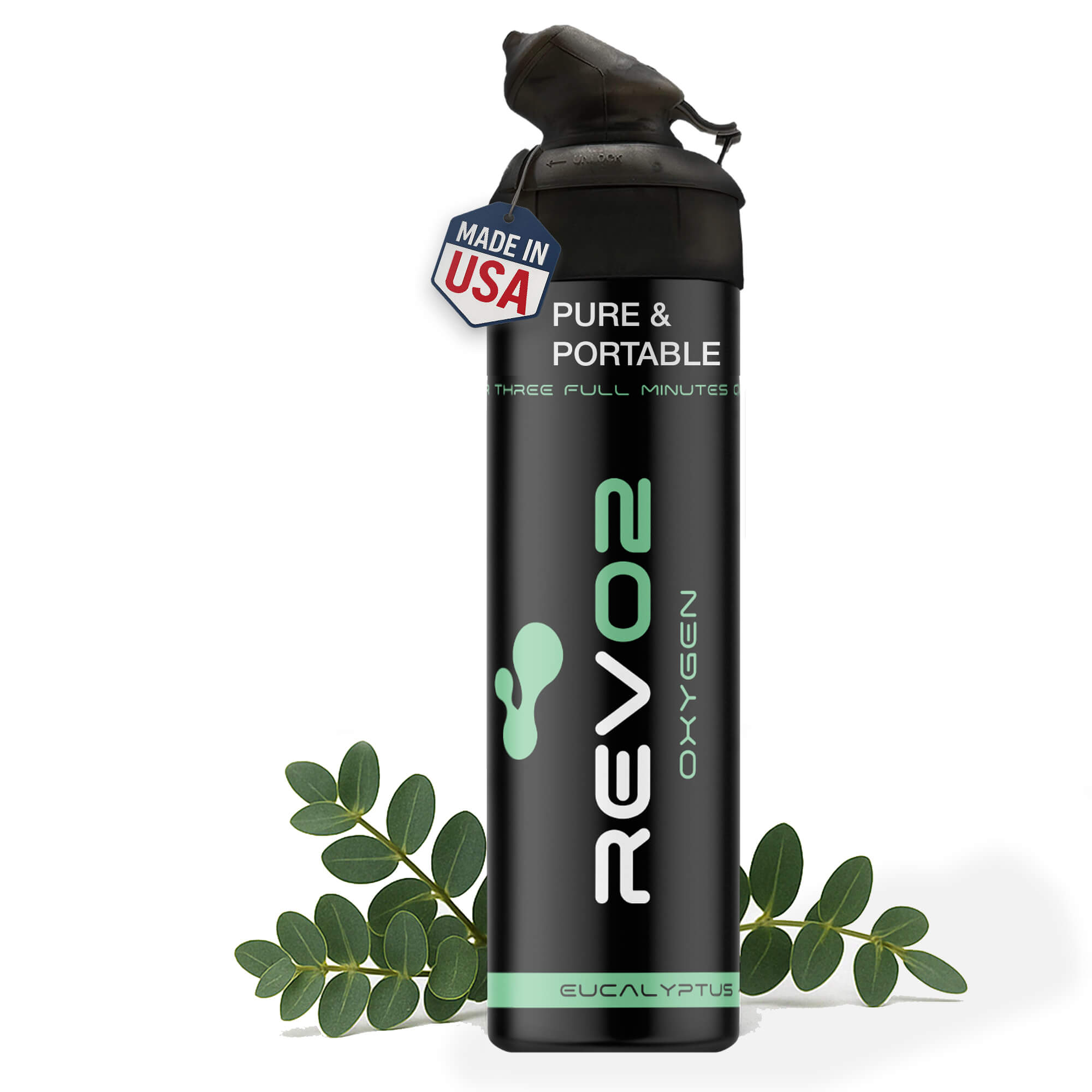
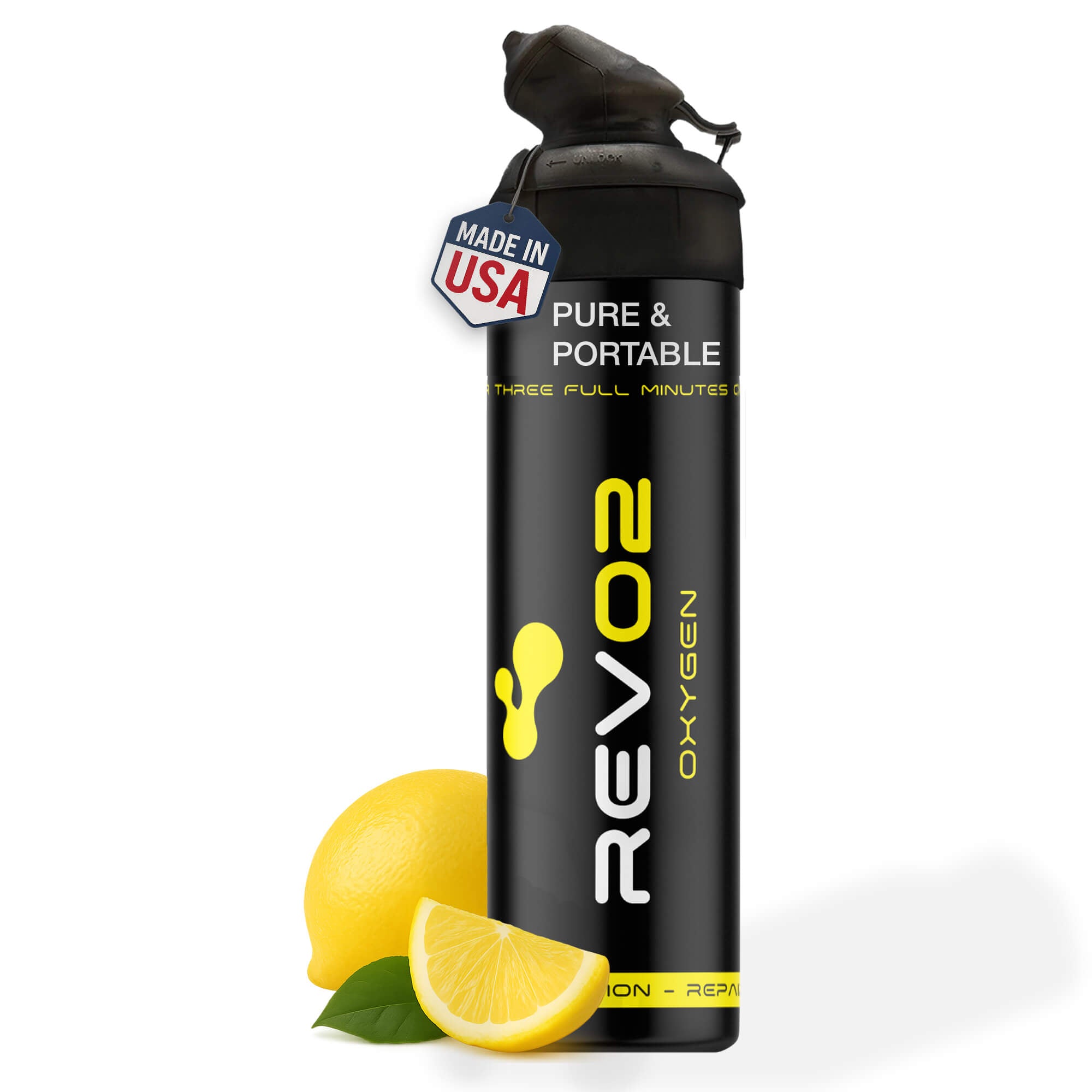
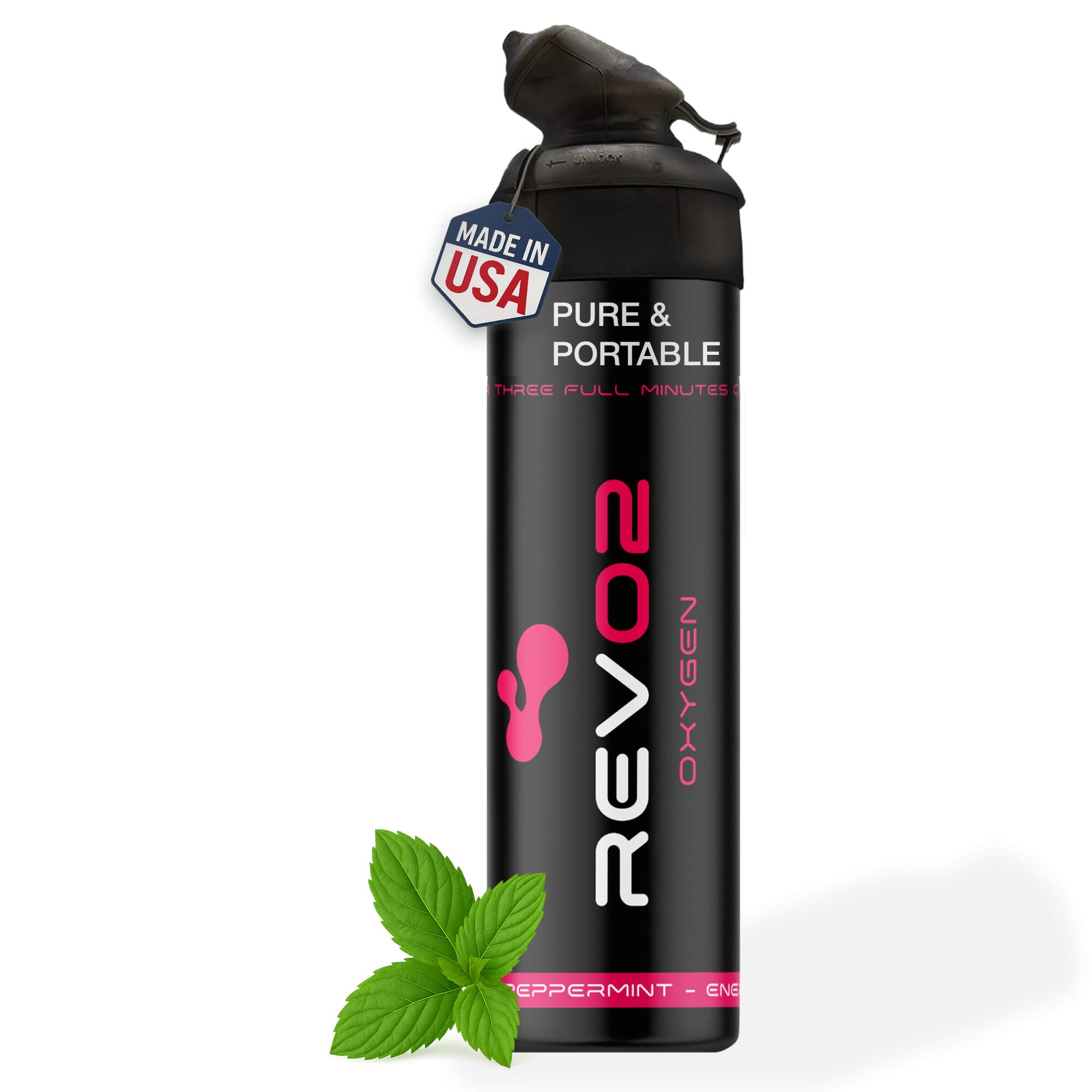
When your breathing routine is working well and you want to support it further, Revo2’s 98% pure canned oxygen offers a portable way to supplement your respiratory health between sessions. Revo2’s zero-leak mouthpiece design delivers clean oxygen without waste, making it practical for use at home, at the office, or after physical activity.
Key Takeaways
Controlled breathing exercises reduce stress by activating the vagus nerve, lowering cortisol, and restoring the oxygen-CO2 balance that shallow, anxious breathing disrupts.
| Point | Details |
|---|---|
| Extend the exhale | Making the exhale longer than the inhale is the fastest way to trigger the parasympathetic relaxation response. |
| Session length matters | Sessions of at least 5 minutes are significantly more effective than shorter bursts at shifting the nervous system. |
| 75% success rate | A review of 72 breathing interventions found 75% successfully reduced stress when following evidence-based parameters. |
| Optimal breath rate | Target 6–10 breaths per minute for stress relief, not forced maximal breaths. |
| Daily practice wins | Consistent daily practice, even one 5-minute session, builds a lasting baseline of calm more reliably than occasional use. |