
Mammoth Lakes sits high enough that some visitors, especially those who arrive from near sea level, feel headaches, poor sleep or unusual fatigue in the first day or two. The good news is that this is usually mild, it is predictable, and a slow first 48 hours, steady hydration and no alcohol go a long way. This guide covers how high you will actually be, what the symptoms look like, a simple arrival plan, and the signs that mean you should head downhill and get medical help.
TL;DR
- Mammoth Lakes town sits at roughly 7,900 ft, and the mountain tops out at 11,053 ft, so a trip from sea level is a real altitude change.
- Symptoms of acute mountain sickness (AMS) usually start 2 to 12 hours after arrival and often peak after the first night. Headache is the main sign.
- Mild AMS generally resolves in 12 to 48 hours if you do not climb higher. Rest, water and no alcohol are the basics.
- Confusion, loss of coordination, breathlessness at rest or coughing up blood are emergencies: descend and call 911.
- Portable oxygen is a comfort and recovery tool, not a replacement for acclimatization or medical care.
Table of Contents
- How high is Mammoth Lakes?
- Why the air feels different up here
- Symptoms of altitude sickness and when they start
- A first-48-hours plan for Mammoth Lakes
- Going up the mountain
- What to do if symptoms start
- Warning signs that mean descend and call for help
- Where supplemental oxygen fits
- Who should be extra careful
- Our perspective
- Bring portable oxygen to Mammoth
- FAQ
- Sources
How high is Mammoth Lakes?
The U.S. National Park Service puts the center of Mammoth Lakes town at approximately 7,900 ft above sea level, and the base of Mammoth Mountain near the Main Lodge at 8,900 ft. The ski area’s 2025/26 fact sheet lists a base elevation of 7,953 ft and a summit of 11,053 ft, a vertical rise of 3,100 ft. The U.S. Forest Service gives the same top and base figures for Inyo National Forest, and the U.S. Geological Survey describes the peak as a lava-dome complex on the rim of Long Valley Caldera.
In practice that means three zones for your body to think about:
| Where | Approximate elevation | What it means for you |
|---|---|---|
| Town of Mammoth Lakes | About 7,900 ft | Where most visitors sleep. The first night here is when symptoms most often appear. |
| Mountain base lodges | 7,953 ft to 8,900 ft depending on the lodge and source | Slightly higher than town, with more exertion if you ski, bike or hike. |
| Summit of Mammoth Mountain | 11,053 ft | A day-trip height reached by gondola or on foot. Take it easy on arrival days. |
If you live near sea level, even the town is a significant step up. If you live in Denver or Salt Lake City, you will probably notice much less.
Why the air feels different up here
The percentage of oxygen in the air does not change with elevation. What changes is air pressure, so each breath delivers fewer oxygen molecules. The National Park Service notes that at high elevations the atmosphere is thinner, with less oxygen and less humidity than at sea level, which can bring muscle fatigue, insomnia, mild headaches or slight shortness of breath. The same page points out that thin air filters out very little ultraviolet radiation, so sunburn can be severe even on a cool day.
Your body adapts by breathing faster and, over days, by making other physiological changes. That adjustment takes time, which is why a slow start matters more than fitness. Athletes get altitude sickness too.
If you want a closer look at the numbers, our explainer on how thin air lowers inspired oxygen walks through the physics at 10,000 ft.
Symptoms of altitude sickness and when they start
MedlinePlus lists the symptoms of mild to moderate acute mountain sickness as:
- Difficulty sleeping
- Dizziness or lightheadedness
- Fatigue
- Headache
- Loss of appetite
- Nausea or vomiting
- Rapid pulse
- Shortness of breath with exertion
The CDC Yellow Book compares AMS to an alcohol hangover. Headache is the cardinal symptom, usually joined by at least one of poor appetite, dizziness, fatigue or nausea. Onset is typically 2 to 12 hours after arriving at altitude or ascending higher, and often during or after the first night.
That timing explains a familiar Mammoth story: you feel great at dinner, sleep badly, and wake up with a pounding head. Cleveland Clinic says AMS symptoms usually appear within the first day or so, while the more severe forms, high altitude pulmonary edema (HAPE) and high altitude cerebral edema (HACE), tend to take longer, usually two to five days.
If headache is your main complaint, our guide to high altitude headache relief options covers what people commonly try.
A first-48-hours plan for Mammoth Lakes
The CDC recommends avoiding alcohol and keeping exercise mild for the first 48 hours at altitude. Visit Mammoth says most visitors acclimatize within 24 to 48 hours and suggests taking the first day easy, drinking plenty of water and letting your body adjust before strenuous activity. Here is how that looks as a schedule.
Before you leave home
- If you can, spend a night or two at a moderate elevation on the drive in. The CDC suggests acclimatizing for 2 to 3 nights at around 8,000 to 9,000 ft before going higher, and Mammoth Lakes is already in that band.
- If you have heart or lung disease, are pregnant, or have had altitude illness before, talk with your doctor before the trip. The Wilderness Medical Society says prevention should fit the individual’s risk profile, and for moderate to high risk situations clinicians may consider medication on top of gradual ascent.
- Ask your clinician about prescription options such as acetazolamide if your risk is higher. The Wilderness Medical Society 2024 summary states acetazolamide has an established role in preventing AMS. It is a prescription medicine, so this is a conversation for your doctor, not a guess.
Day 1: arrive and slow down
- Skip the summit, the long hike and the bike park.
- Drink water steadily. Dry mountain air makes it easy to under-drink.
- Skip alcohol, including the celebratory beer at the lodge.
- Eat regular, lighter meals even if appetite is low.
- Apply sunscreen and wear sunglasses. UV exposure is higher at elevation.
Day 2: easy movement
- Take a flat walk around town or by the lakes.
- Keep exertion mild. If you can talk comfortably, the pace is right.
- Note how you slept. Poor sleep is common on the first night and not a reason for alarm by itself.
Day 3 and beyond: build up
- Add elevation and effort gradually.
- If you plan to go much higher than Mammoth, such as Sierra passes or backcountry trips, remember MedlinePlus says climbing gradually is the most important factor, and it advises a day or two of rest for every 2,000 ft of climb above 8,000 ft. Where you can, sleep lower than the highest point you reach during the day.
Our 5 night plan for avoiding altitude sickness without Diamox expands this approach for travelers who want a structured schedule.
Going up the mountain
The summit at 11,053 ft is about 3,100 ft above the base, and a gondola can get you there in minutes. That is a fast change for someone on day one. A sensible approach is to save the summit for day two or three, go up for the view rather than a hard workout, and come back down to sleep.
For trips that go higher over several days, the CDC gives specific rules: avoid going from low elevation to a sleeping altitude of 9,000 ft or more in a single day, limit sleeping-altitude gains to 500 m (1,650 ft) per night once above 3,000 m (9,800 ft), and add an extra night for every 1,000 m (3,300 ft) of sleeping altitude gained. The Wilderness Medical Society adds a rest day every 3 to 4 days above 3,000 m. Most Mammoth visitors will not need these, but they matter if you are linking Mammoth to a longer Sierra trip.

If you are comparing mountain destinations, we have written similar guides for Lake Tahoe, Aspen and Telluride.
What to do if symptoms start
Mild symptoms are common and usually manageable. Visit Mammoth advises slowing down, drinking water, resting and avoiding alcohol. The CDC states AMS generally resolves within 12 to 48 hours if you do not ascend farther.
A practical routine:
- Stop climbing. Do not go higher or exert hard until symptoms are gone.
- Rest and hydrate. Sip water, eat something light and avoid alcohol.
- Watch the trend. Mild symptoms should ease within a day or two. If they hold or worsen, treat that as a signal.
- Go lower if needed. Sleeping at a lower elevation is one of the most effective steps, and the MedlinePlus advice is to be able to descend quickly if needed.
- Get checked locally. The National Park Service says to come to the Emergency Department day or night if headache, insomnia or fatigue persist or begin to worry you, or to Sierra Park Family Medicine Clinic during daytime hours. Visit Mammoth lists the Mammoth Hospital Emergency Department as available at any hour at 760-934-3311.
For nausea in particular, see our guide on fast altitude nausea relief for hikers.
Warning signs that mean descend and call for help
Mild AMS is uncomfortable. HAPE and HACE are medical emergencies. MedlinePlus advises calling 911 or the local emergency number for altered alertness, coughing up blood or severe breathing problems, and climbing down right away as safely as possible. Other signs that point to these conditions include:
- Confusion or disorientation
- Trouble walking in a straight line or keeping balance
- Chest tightness or breathing difficulty while resting
- Persistent vomiting
- A severe headache that does not respond to rest
Do not wait for a night to “sleep it off” with any of these. Descend, then get evaluated at Mammoth Hospital or call 911.
Where supplemental oxygen fits
It helps to separate two very different situations.
Serious altitude illness. For HAPE, the Wilderness Medical Society’s guideline, summarized on Medscape, recommends descent as the most effective treatment, and continuous supplemental oxygen to reach a saturation above 90% or ease symptoms while waiting for or during descent. It also notes that low-flow oxygen for at least 2 hours works better than brief bursts, and that descent should begin if oxygenation does not improve. That is clinical care with monitoring. A small can of oxygen is not designed for it, and anyone with warning signs should go down and seek a doctor.
Everyday altitude comfort. For the mild end, such as feeling winded on the stairs to your condo, flat after a ski day or tired after a long drive, many visitors like to have a portable oxygen option on hand next to water, rest and a gradual schedule. This is the situation our product is designed for. It supports your comfort and recovery, and it sits alongside acclimatization, never in place of it.
To learn how to use it properly, see our guide on how to use canned oxygen safely.
Other tools you may hear about include portable pressure chambers. The Wilderness Medical Society describes the Gamow Bag as a soft-sided chamber that holds 2 PSI, simulating roughly 3,000 to 9,000 ft of descent, and calls it a temporizing measure. It is emergency gear used by trained groups, not something for a weekend in town. If you are weighing supplements, our overview of top supplements to prevent altitude sickness is a good starting point, and you should check any supplement with your doctor if you take medications.
Who should be extra careful
Anyone can get altitude sickness, but a few groups should plan more conservatively and speak with a clinician first:
- Seniors. Older adults who already notice breathlessness on stairs may feel altitude more. Build in a full rest day on arrival, and consult your doctor if you have heart or lung conditions.
- Children. Kids cannot always say what is wrong. Watch for unusual fussiness, poor feeding or sleep changes, and treat these as possible symptoms.
- Travelers from sea level on tight schedules. If you fly into the Eastern Sierra and plan to ski the next morning, the schedule is the risk. Add a buffer day if you can.
- Anyone who has had altitude illness before. Past episodes are worth discussing with a doctor before you book.
For travelers who also deal with long flights, jet lag stacks fatigue on top of altitude fatigue, which is another reason to keep day one light.
Our perspective
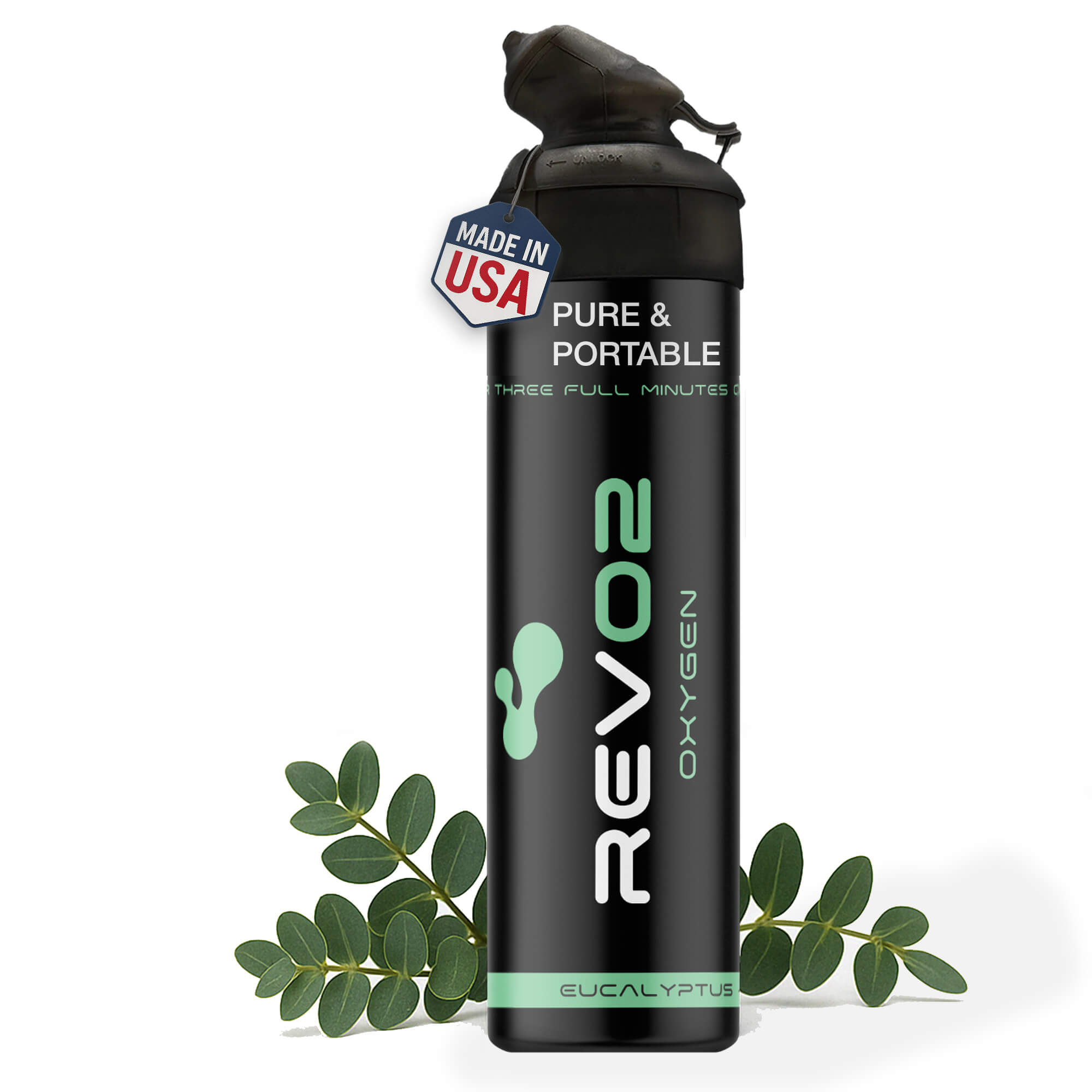
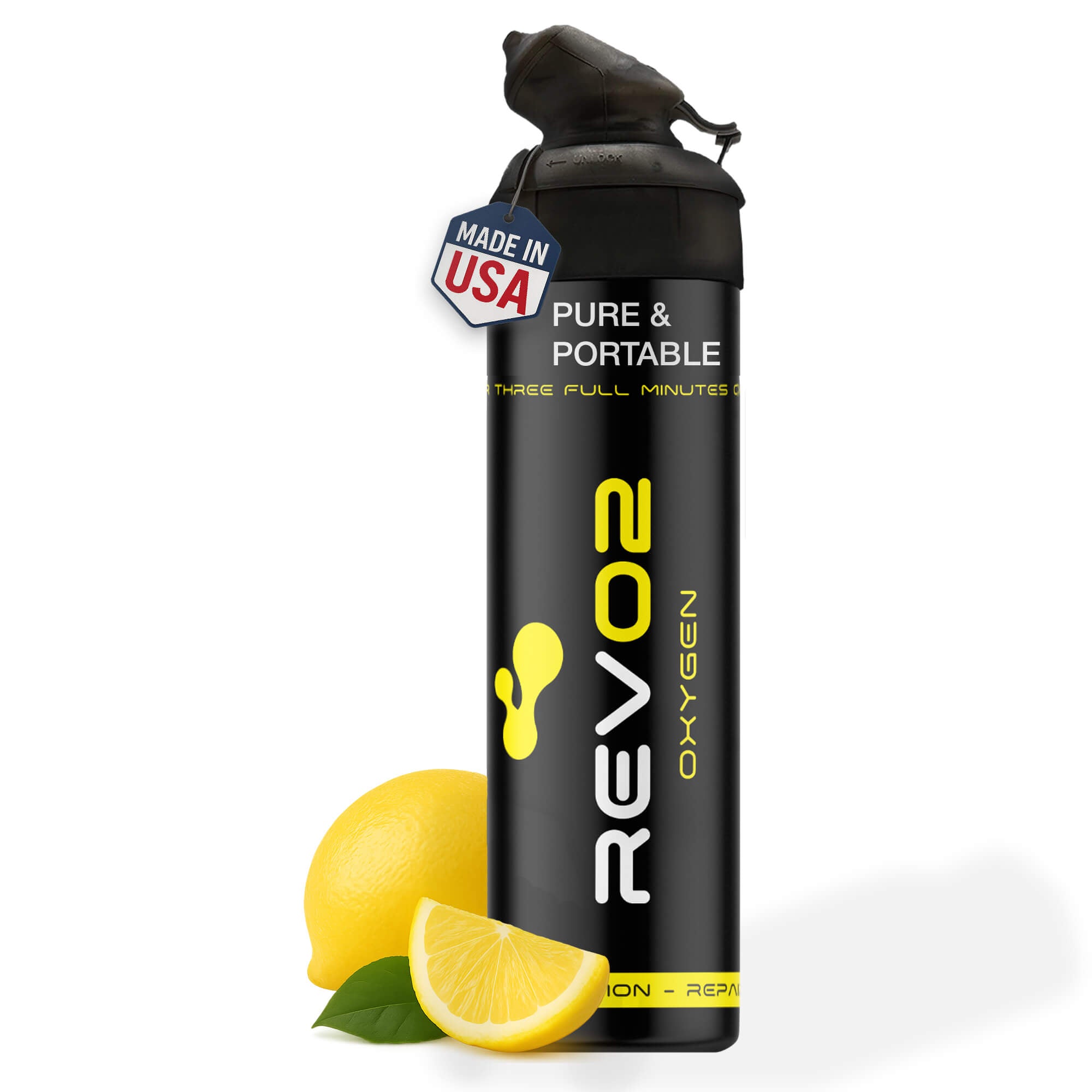
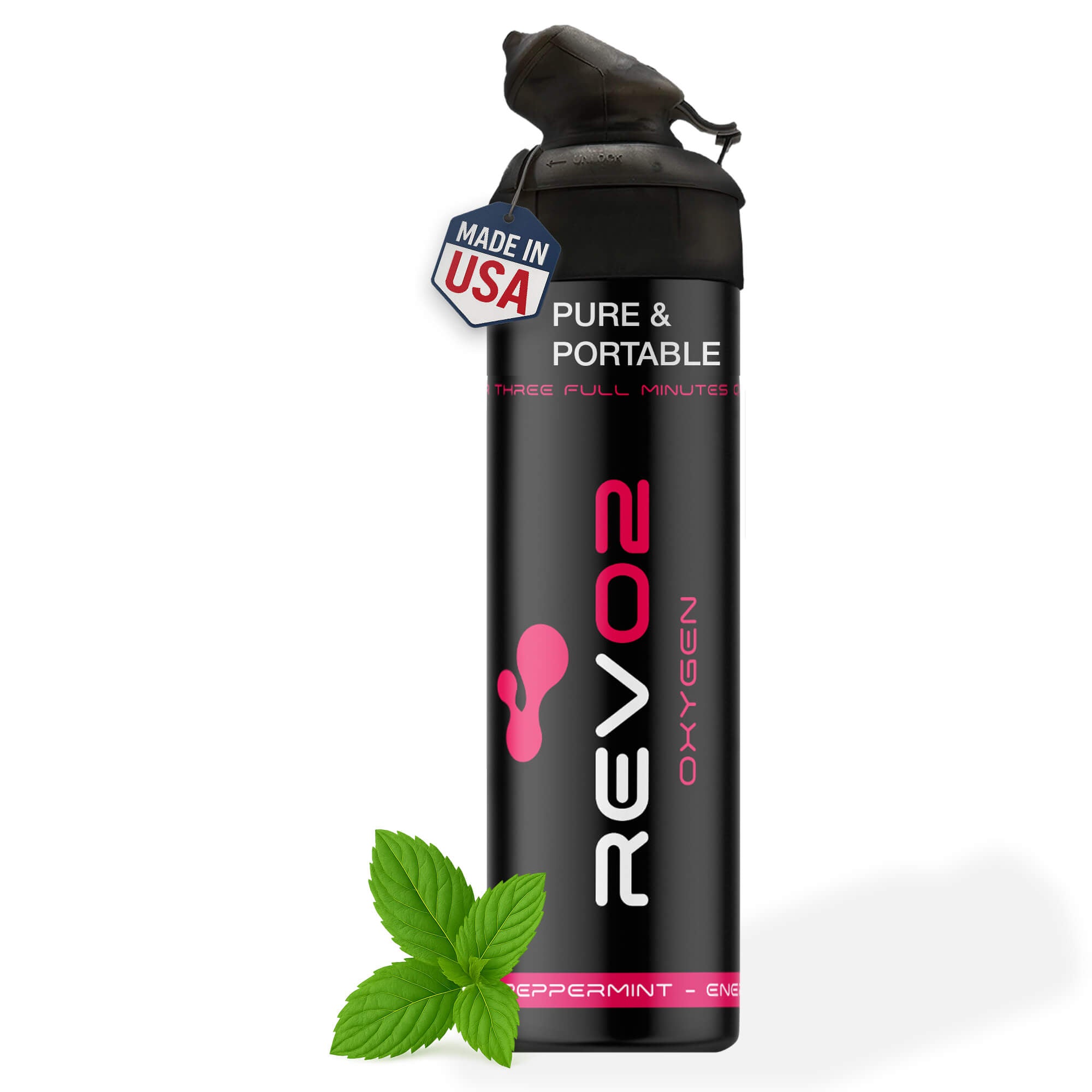
We built REV/O2 for people who want to feel better at elevation without hauling around medical equipment. Our 98% pure oxygen comes in a portable can with a zero-leak mouthpiece and a trigger-lock cap, so you can take a few breaths on the trailhead, after a ski run or back at the condo without a mask or a prescription.
What we have seen from athletes and hikers is that the best altitude trips combine the basics: arrive rested, drink water, skip alcohol, climb gradually and listen to your body. We see our cans as a convenient companion to those habits, with peppermint for energy and endurance, lemon for recovery and eucalyptus for focus and relaxation.
Our product is designed for everyday comfort and performance, not for emergencies. If you ever have confusion, breathing trouble at rest or trouble walking, go down and get medical help right away.
Paul
Bring portable oxygen to Mammoth
If you are packing for Mammoth, our 98% pure oxygen cans are made to slip into a jacket pocket or daypack. Choose peppermint for energy and endurance, lemon for recovery or eucalyptus for focus and relaxation, or browse the full canned oxygen collection.
For a group trip, a custom oxygen can bundle lets you mix flavors in one order. Current pricing is on each product page.
FAQ
How high is Mammoth Lakes compared with other ski towns?
The town center is about 7,900 ft according to the National Park Service, and the mountain summit is 11,053 ft. For many visitors from sea level, that is enough to cause mild symptoms. Colorado towns can be higher, and our Colorado altitude tips cover that comparison, along with Denver’s 5,280 ft.
How long does altitude sickness last in Mammoth?
Mild AMS generally resolves in 12 to 48 hours if you do not go higher, according to the CDC. Visit Mammoth also says most people acclimatize within 24 to 48 hours. If symptoms last longer or worsen, descend and see a doctor.
What are the first signs of altitude sickness?
Headache is the most common, often with fatigue, dizziness, nausea or a poor night’s sleep. These typically show up 2 to 12 hours after arrival, according to the CDC Yellow Book, and often after the first night.
When should I go to the hospital?
Go to the Mammoth Hospital Emergency Department or call 911 for confusion, loss of coordination, severe breathing problems, coughing up blood or a severe headache that will not ease. You can also reach the hospital at 760-934-3311. Descend as soon as it is safe to do so.
Sources
- Mammoth Mountain, U.S. Geological Survey
- Inyo National Forest, Mammoth Mountain, U.S. Forest Service
- High Altitude Safety, Devils Postpile National Monument, National Park Service
- Mammoth Mountain fact sheet, 2025/26
- Acute mountain sickness, MedlinePlus
- High-Altitude Travel and Altitude Illness, CDC Yellow Book
- Altitude Sickness, Cleveland Clinic
- High Altitude Tips for Visiting Mammoth Lakes, Visit Mammoth
- 2024 Altitude Summary, Wilderness Medical Society
- HAPE Management: WMS 2024 Guideline, Medscape
- Wilderness Medicine Application of Hyperbaric Chambers, Wilderness Medical Society