
Hot weather does not remove oxygen from the air you breathe. What changes is how hard your body works: it has to cool itself, your heart pumps faster, and your oxygen needs go up. That is why a walk that felt easy in April can leave you winded in July. This guide explains what is happening, how to exercise and hike more safely in the heat, which warning signs mean you should stop, and where portable oxygen can fit into a recovery routine.
TL;DR
- Heat does not lower the oxygen percentage in the air. It raises how much oxygen your body needs, so breathing feels harder.
- Warm air is less dense, and humid air feels heavy, but neither is the same as low oxygen in your blood.
- Train in cooler hours, hydrate, and allow 7 to 14 days for your body to adapt to the heat.
- Confusion, fainting, or a body temperature of 104°F or higher is an emergency: call 911 and cool the person quickly.
- If you use prescribed oxygen, keep equipment at least five feet from heat and flames and never change your flow rate on your own.
Table of Contents
- Does heat reduce oxygen in the air?
- Why breathing feels harder in hot, humid weather
- Heat and low blood oxygen are not the same thing
- Warning signs: heat exhaustion, heat stroke, and when to call for help
- How to exercise and hike more safely in hot weather
- Where heat meets altitude
- Our perspective: a recovery tool for hot days
- Storing canned oxygen in hot weather
- If you use prescribed oxygen: heat safety
- Try REV/O2 on your next hot-weather cooldown
- A quick hot-day checklist
- FAQ
- Sources
Does heat reduce oxygen in the air?
No. The air around you is still about the same mix of gases on a 95°F afternoon as on a cool morning. Warm air is less dense, so a given volume holds somewhat fewer molecules overall, but the difference at sea level is small compared with what you experience at altitude. The shortness of breath you feel in the heat has a different cause.
According to the University of Rochester Medical Center, humid air may feel heavy, but it does not reduce oxygen levels. What does happen is that your body works harder to stay cool: your heart pumps faster and more blood flows to the skin, which increases oxygen needs and can cause shortness of breath even in healthy people. Humidity makes it worse because sweat evaporates more slowly, so cooling is less efficient.
In other words, heat is a demand problem, not a supply problem. Your lungs are doing their job, but your whole system is asking for more.

Why breathing feels harder in hot, humid weather
Several things stack up at once on a hot day.
Your body spends oxygen on cooling
To shed heat, blood vessels near the skin widen and your heart rate climbs. That extra cardiovascular work is the same effort you feel at the start of a hard workout, except now you are doing it while standing still or walking.
Hot air can irritate the airways
Harvard Health reports that breathing hot air might make nerves in the lungs twitch, causing spasms, inflammation, and narrowed airways. The same article explains that nearby blood vessels may widen and surrounding tissue can swell, so the airway tightens, which may lead to wheezing, coughing, or chest tightness.
Summer air carries more triggers
Stagnant summer air can trap pollen, dust, mold, and pollutants. The Allergy & Asthma Network notes that these can trigger asthma, and that keeping indoor humidity between 30% and 50% can help. If you have asthma or another lung condition, check your local air quality before you head out.
Your body is not used to it yet
Early in a hot spell, the same pace feels much harder. A review of heat guidelines in the journal literature describes heat acclimatization as a set of adaptations that develop over about 7 to 14 days of gradual exposure. NIOSH recommends that new workers start with no more than 20% of their usual time in the heat on day one, then increase gradually. Athletes and hikers can borrow the same logic: start short, add time, and let your body catch up.
Heat and low blood oxygen are not the same thing
It helps to separate two ideas. Feeling out of breath is a sensation. Low blood oxygen, called hypoxemia, is a measurable state, usually checked with a pulse oximeter that reports oxygen saturation (SpO2).
The British Thoracic Society guideline makes a point worth remembering: oxygen is a treatment for hypoxaemia, not breathlessness, and it has not been shown to have a consistent effect on breathlessness in people whose blood oxygen is normal. So if you feel winded in the heat, the first job is to cool down, rest, and rehydrate, not to assume your oxygen is low.
If you want to understand what readings during effort can mean, our explainer on oxygen saturation during exercise walks through it in plain language.
Warning signs: heat exhaustion, heat stroke, and when to call for help
This is the part where caution matters most. Heat illness can look like “just being out of breath” at first.
Heat exhaustion can cause dizziness, nausea, weakness, thirst, and heavy sweating, according to the CDC. NIOSH also lists a rapid heartbeat, extreme fatigue, vomiting, and fast, shallow breathing among the symptoms.
Heat stroke is an emergency. The CDC says it may cause confusion, loss of consciousness, seizures, or a very high body temperature, and that you should call 911 and cool the person quickly. A CDC guide for caregivers puts the threshold at a body temperature of 104°F or higher and stresses that emergency treatment is critical to prevent death or permanent disability.

If you notice any of these signs in yourself or a hiking partner, stop, get into shade or air conditioning, and cool down. Do not treat canned oxygen, or any wellness product, as a replacement for cooling and medical care in this situation.
A pulse oximeter reading that drops well below your usual, or a sudden fall of 3% or more, is also worth taking seriously. The BTS guideline says a sudden drop of that size within a target range should prompt fuller assessment. If you have a lung or heart condition, talk with your clinician about what readings should trigger a call.
How to exercise and hike more safely in hot weather
The practical advice from the medical sources is consistent and simple.
- Pick your hours. The hottest part of the day is typically 11 a.m. to 3 p.m., so Asthma + Lung UK suggests exercising in the cooler mornings or evenings.
- Start hydrated and keep drinking. MedlinePlus advises fluids before, during, and after exercise. Water is best for less intense workouts, while a sports drink may help during activities lasting a couple of hours. Avoid alcohol, caffeine, and sugary drinks.
- Lower the intensity or the duration. Rochester Medical Center recommends reducing effort in the heat, wearing lightweight clothing, and taking breaks in shade or air conditioning.
- Build up over about two weeks. Treat the first week of a heat wave as a ramp-up, not a test.
- Plan for the trail. Tell someone your route, carry more water than you think you need, and turn around early if you feel dizzy or nauseated.
A simple breathing reset after a hot session
When you stop, try this for two minutes in the shade:
- Sit down and loosen tight clothing.
- Breathe in through your nose for about four counts.
- Breathe out slowly through pursed lips for about six counts.
- Repeat until your breathing feels steady and your heart rate comes down.
Slow breathing will not cool you by itself, so pair it with water and shade.
Where heat meets altitude
Hikers often face both at once: thinner air on a mountain and high temperatures on the approach. Altitude lowers the oxygen available with each breath, while heat raises how much your body demands. The combination can make a climb feel far harder than either alone. A research paper on exercise in heat and hypoxia is not needed to see the point: plan for a slower pace, more rest stops, and extra margin on hot, high days. Our guide to supplemental oxygen for altitude covers how hikers and flyers use it as part of that planning.
Our perspective: a recovery tool for hot days
We build REV/O2 for people who want a boost in performance and recovery without hauling medical equipment. Our cans hold 98% pure oxygen, and the zero-leak mouthpiece lets you inhale without a mask and without losing oxygen to the air around you. We designed the product with scientific input and athlete feedback, and customers describe better energy, faster-feeling recovery, and clearer thinking after use.
Here is how we think about heat. The first line of defense is always the basics: shade, water, pacing, and time to acclimate. Once you have done that, a few calm breaths of oxygen at the end of a hard, hot session can be a pleasant part of your cooldown. Many athletes build it into a routine alongside stretching and rehydration. We cover that approach in our portable oxygen cooldown guide and in our piece on summer training and oxygen.
Three habits make a difference:
- Use it after you have stopped moving and started cooling. Sit in the shade first, then take your breaths.
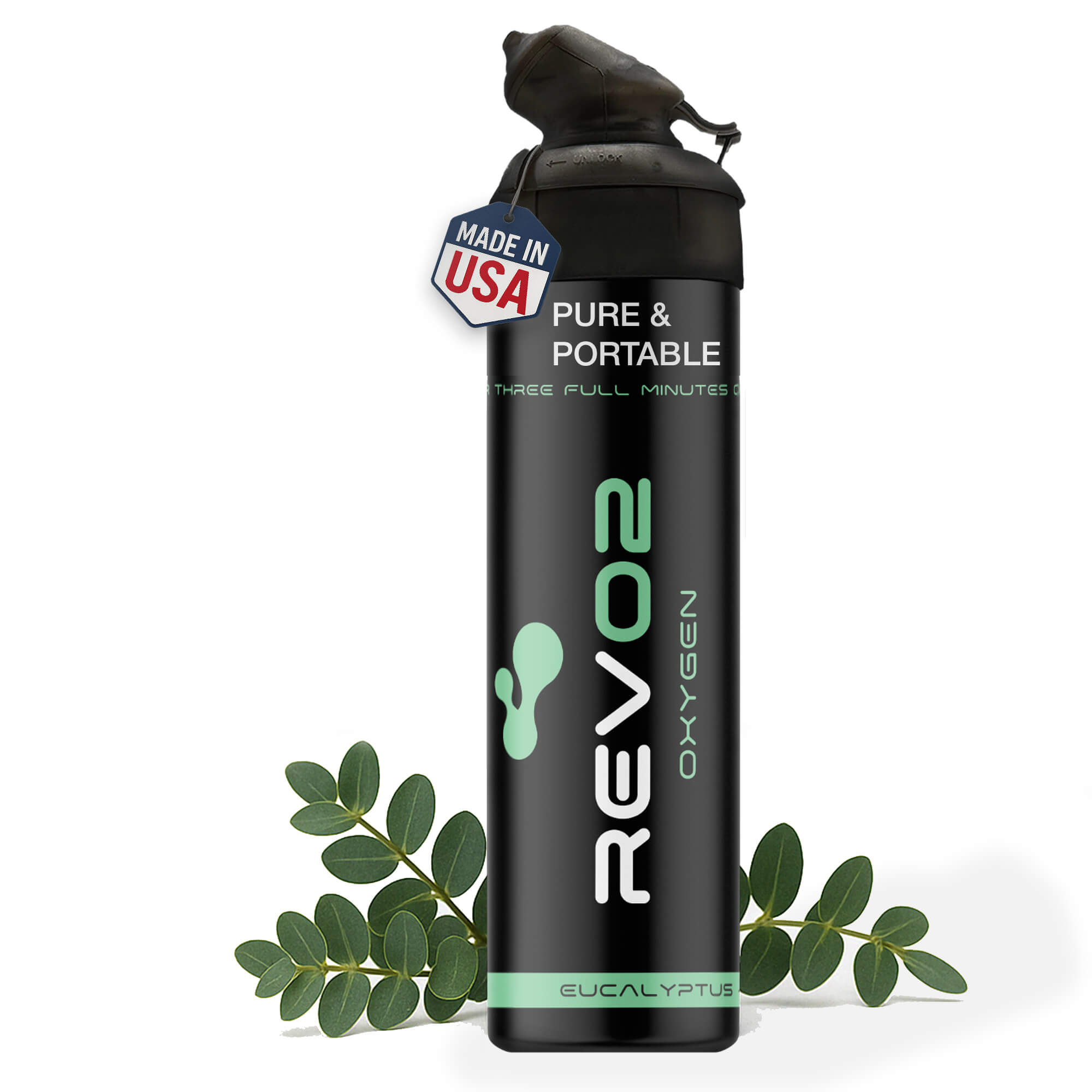
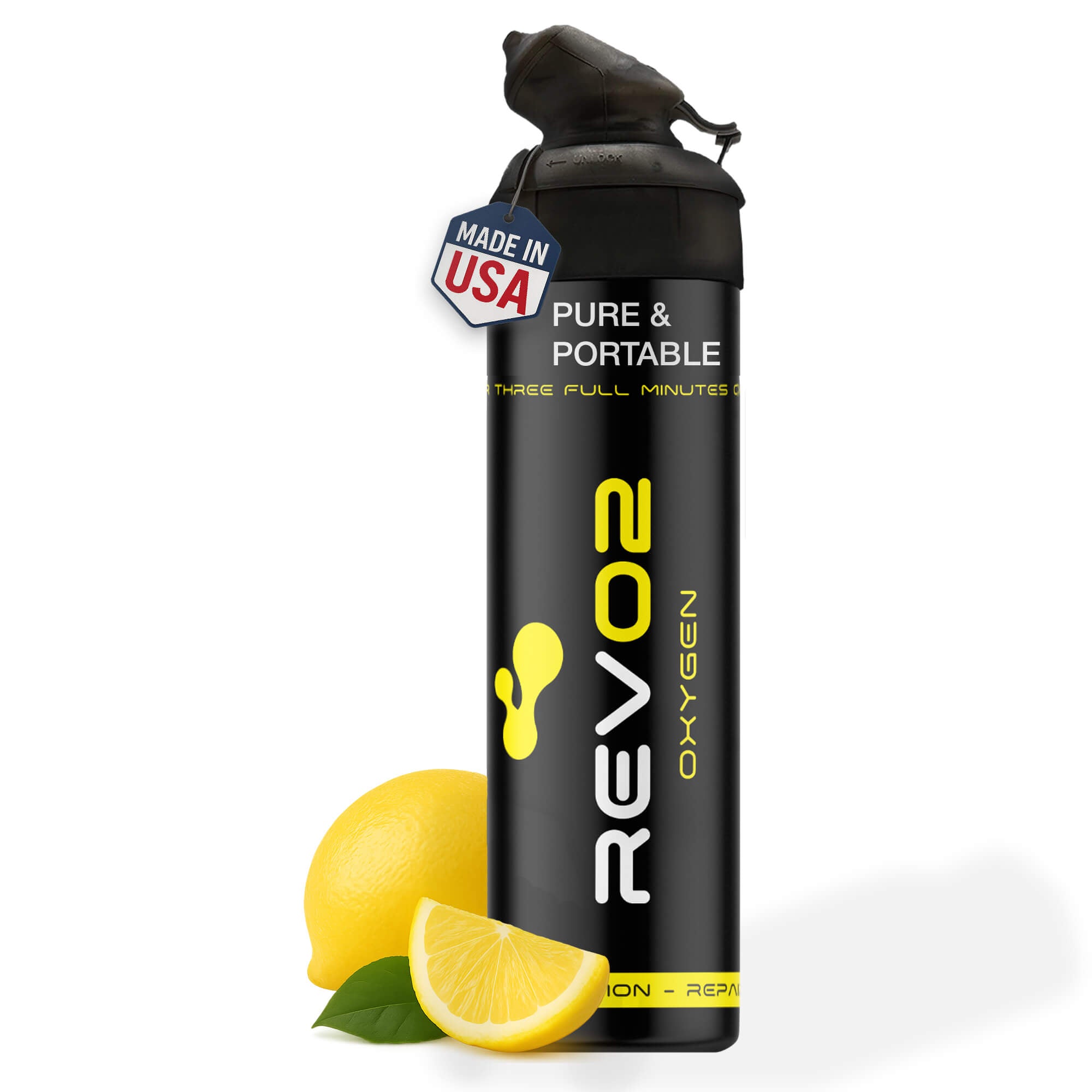
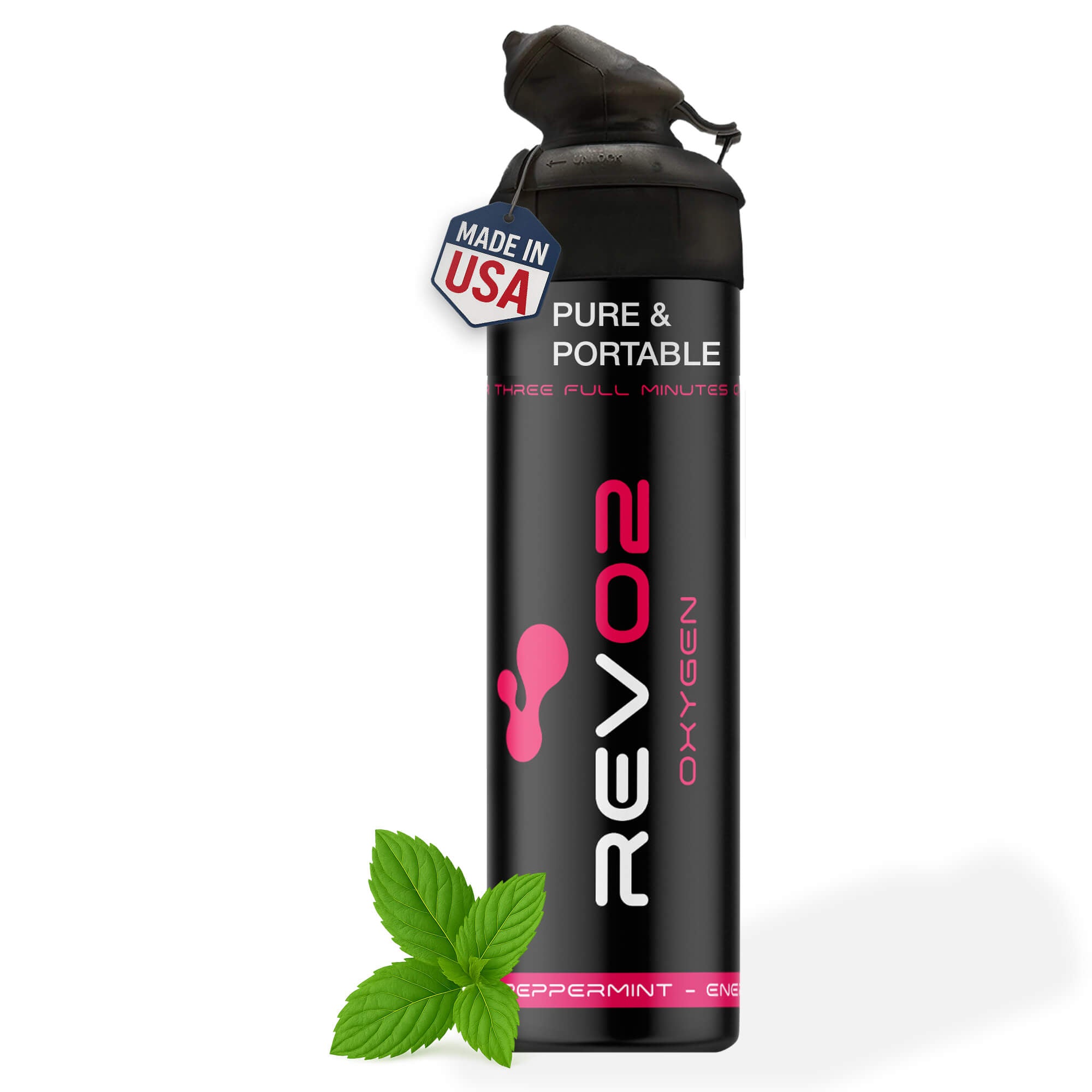
- Choose the blend for the moment. We offer peppermint for energy and endurance, lemon for recovery and immunity, and eucalyptus for focus and relaxation.
- Follow the instructions. Our how-to-use guide explains the trigger-lock cap and the mouthpiece.
We also want you to know what our cans are for. They are a recreational product for everyday performance and recovery, not a replacement for prescribed therapy, and they are not an emergency treatment for heat illness. If you are wondering how the two categories differ, we explain it in oxygen therapy vs supplemental oxygen.
— Paul
Storing canned oxygen in hot weather
Summer raises one practical question for anyone who carries a can in a gym bag or a vehicle: where should it sit? Pressurized containers should be kept away from direct sun and heat sources, and a parked car can get far hotter than the outside air. Read the storage instructions on your can, and see our guide to storing oxygen cans in your car for specifics. As a habit, keep your cans in a cooler spot in your bag, out of the sun, and bring them inside after your outing.
If you use prescribed oxygen: heat safety
People on prescribed supplemental oxygen have a different set of rules, and they come from your care team and your supply company. The American Lung Association gives these safety basics:
- Keep oxygen equipment at least five feet from heat and flames.
- Do not use oxygen while cooking with gas.
- Avoid aerosols and flammable creams or oils near the unit.
- Never change your prescribed flow rate.
- Avoid electrical items such as hair dryers, curling irons, heating pads, or electric razors while wearing oxygen, and consider 100% cotton bedding to reduce static electricity.
Heat waves also bring power outages. The ALA recommends that you contact your electric company, fire department, and police to tell them you depend on electricity for medical equipment. Ask your oxygen supplier about backup tanks or cylinders that do not need electricity, and keep extra batteries and a car charger for a portable concentrator. It also helps to share your backup plan with a neighbor who can check on you.
If you are a senior with shortness of breath that is new or getting worse, see a clinician first. Our article on shortness of breath in seniors explains how over-the-counter oxygen differs from medical care.
Try REV/O2 on your next hot-weather cooldown
If you train, hike, or travel in summer, a can of REV/O2 is easy to toss in a bag. Each can delivers 98% pure oxygen with a flavor blend, and the zero-leak mouthpiece means no mask and no fuss. Start with a single can to find the blend you like, or look at our multi-packs if you plan to use it regularly. Browse the canned oxygen collection, or see the sports oxygen can for athletes.
For a closer look at how heat, stress, and focus interact, you can read about how supplemental oxygen relates to brain fog and about stress and low oxygen levels.
A quick hot-day checklist
| Before | During | After |
|---|---|---|
| Check the forecast and air quality | Drink water regularly | Move to shade or air conditioning |
| Plan your outing outside 11 a.m. to 3 p.m. | Slow your pace and take breaks | Rehydrate and eat something light |
| Hydrate ahead of time | Watch for dizziness, nausea, confusion | Do slow, pursed-lip breathing |
| Pack water, a hat, light clothing | Turn around early if you feel unwell | Optional: a few calm breaths from a can of oxygen |
FAQ
Does temperature affect oxygen levels in the body?
Heat does not directly lower the oxygen in your blood in a healthy person. It raises your oxygen needs because your heart works harder and more blood flows to the skin. That can make you feel short of breath. If a pulse oximeter shows a low reading, or you feel confused or faint, seek medical help.
Is there less oxygen in hot weather?
The percentage of oxygen in the air stays the same. Warm air is a little less dense, but the effect is minor compared with altitude. Humid air can feel heavy and make breathing seem harder, even though it does not reduce oxygen levels.
What are the symptoms of low oxygen or heat illness?
Heat exhaustion can bring dizziness, nausea, weakness, thirst, heavy sweating, and fast, shallow breathing. Heat stroke can cause confusion, seizures, loss of consciousness, or a body temperature of 104°F or higher. Call 911 for suspected heat stroke and cool the person right away.
How long does it take to get used to exercising in the heat?
Heat acclimatization typically develops over about 7 to 14 days of gradual exposure. Begin with shorter, easier sessions and add time each day. Take extra care if you are older, have a heart or lung condition, or take medications that affect fluid balance.
Can I use canned oxygen during or after a hot workout?
Many people use it as part of a cooldown once they are resting in a cool spot. It is not a treatment for heat exhaustion or heat stroke, so cool down and call for help first if you have warning signs. Follow the can’s instructions and ask your clinician if you have a medical condition.
Sources
- Can Heat and Humidity Cause Shortness of Breath? (University of Rochester Medical Center)
- Do you know about these summer breathing hazards? (Harvard Health)
- Summer Asthma and Warm Weather (Allergy & Asthma Network)
- Activity modification in heat: guidelines across athletic, occupational, and military settings (PMC)
- British Thoracic Society Guideline for oxygen use in adults (PMC)
- Heat-related Illnesses (CDC/NIOSH)
- Heat Illness: Parent/Caregiver Information (CDC)
- NIOSH Fast Facts: Protecting Yourself from Heat Stress
- How to avoid overheating during exercise (MedlinePlus)
- Hot weather and your lungs (Asthma + Lung UK)
- Using Oxygen Safely (American Lung Association)
- Power Outages and Lung Health (American Lung Association)
- Preparing for a Power Outage as a Medical Device User (American Lung Association)