
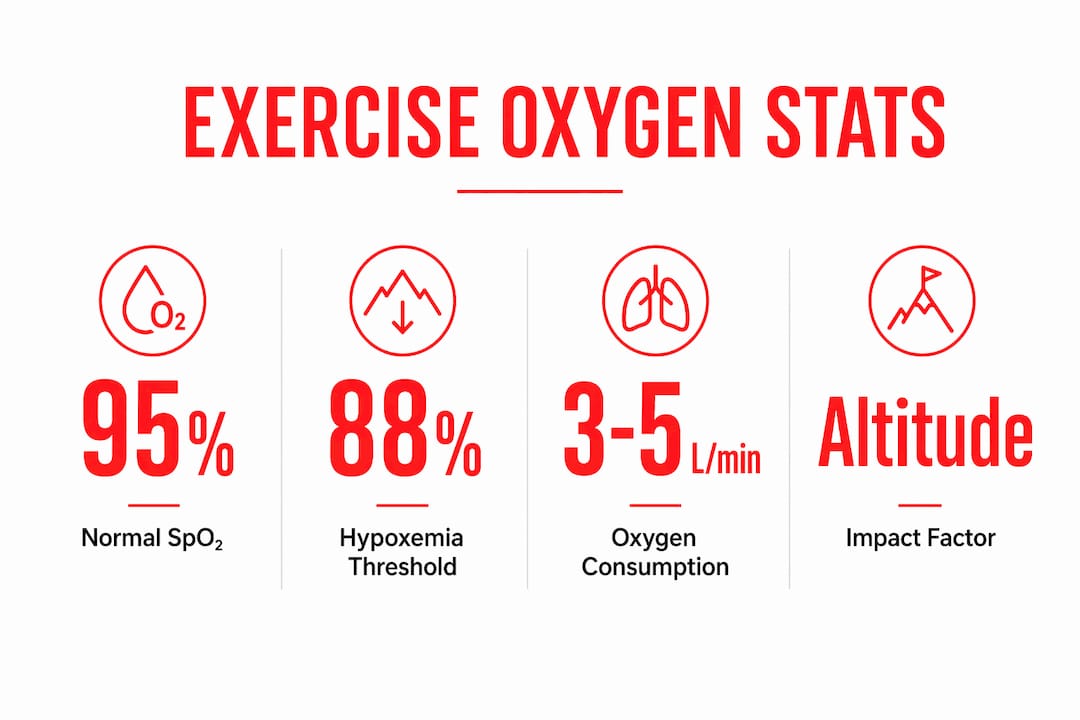
Oxygen saturation during exercise explained simply: it is the percentage of hemoglobin binding sites in your blood that are carrying oxygen, measured as SpO₂. This number tells you how effectively your cardiovascular system is delivering fuel to working muscles. For fitness enthusiasts and outdoor adventurers, understanding how SpO₂ behaves under physical stress is the difference between training smart and training blind. Clinical guidelines target a safe SpO₂ range of 92–97% in most settings, and knowing where you fall during a hard climb or a long run gives you real, actionable information about your performance ceiling.
How does oxygen saturation change during exercise?
Your body is remarkably good at keeping SpO₂ stable during moderate effort. Arterial oxygen levels remain close to resting values during submaximal exercise because ventilation increases in proportion to oxygen demand. Your breathing rate rises, your heart pumps more blood per minute, and your cardiovascular system adapts fast enough to prevent a meaningful drop in arterial saturation.
The Bohr effect is the key mechanism here. As your muscles work harder, they produce more carbon dioxide, raise local acidity, and generate heat. These three changes cause hemoglobin to release oxygen more readily to the tissues that need it most. The result is a rightward shift of the oxyhemoglobin dissociation curve, meaning oxygen unloads from hemoglobin more efficiently at the muscle level even when arterial SpO₂ reads normal.
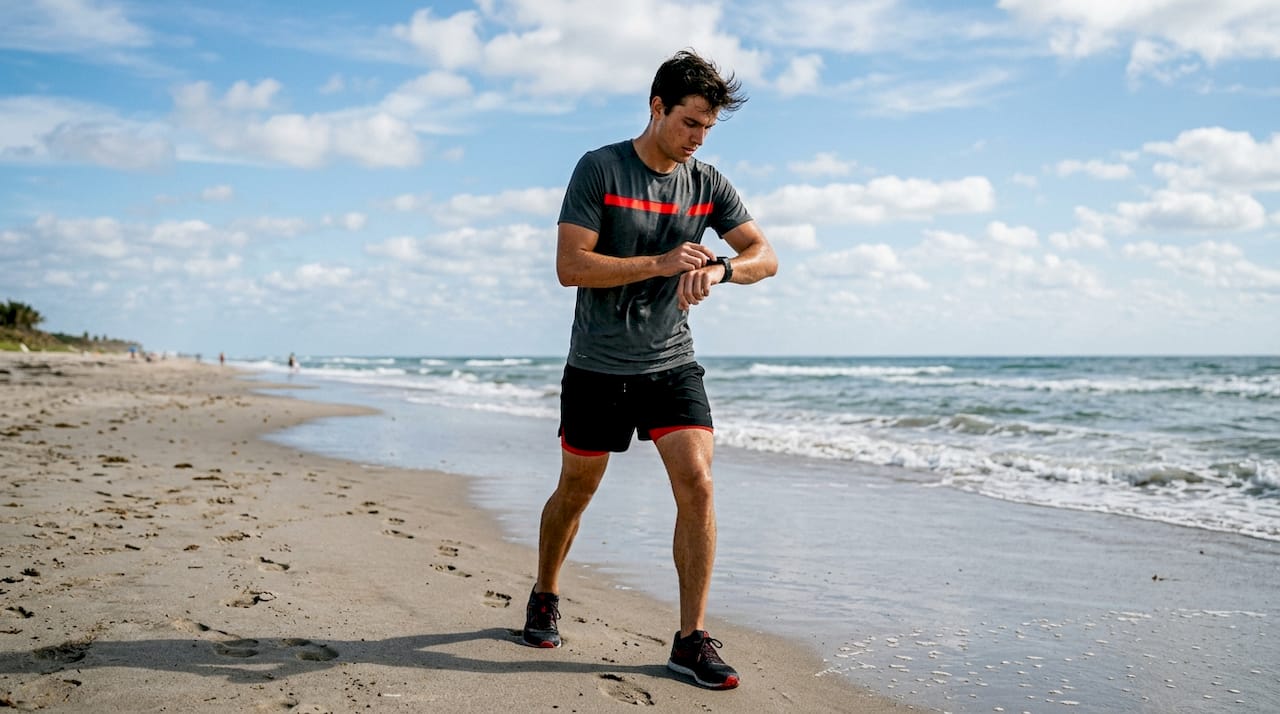
What changes significantly during exercise is not arterial saturation but the arterial-venous oxygen difference. Your muscles extract far more oxygen from each unit of blood than they do at rest. This widening gap reflects how hard your tissues are working, and it is a better indicator of true metabolic demand than a pulse oximeter reading alone.
At maximal intensity, the picture shifts. Elite endurance athletes can experience a genuine drop in arterial oxygen at peak effort because ventilation can no longer fully compensate for the speed of blood flow through the lungs. This is a normal physiological limit, not a pathological event, but it does mark the boundary of sustainable performance.
Key physiological responses during exercise include:
- Increased ventilation: breathing rate and depth rise to match oxygen demand
- Higher cardiac output: heart rate and stroke volume increase to deliver more oxygenated blood
- Bohr effect activation: CO₂, acidity, and heat shift hemoglobin toward releasing oxygen at the tissue level
- Widened arterial-venous O₂ difference: muscles extract more oxygen per unit of blood
- Stable arterial SpO₂: typically maintained at or near resting values during submaximal effort
What causes oxygen saturation to drop during exercise?
Exercise-induced hypoxemia is defined as a significant drop in SpO₂ during exertion, with intervention typically warranted when saturation falls below approximately 88% or drops meaningfully from your personal baseline. This threshold matters because below it, muscle function, mental clarity, and recovery all degrade noticeably.
Altitude is the most common cause for outdoor adventurers. Reduced atmospheric pressure at elevation means each breath delivers fewer oxygen molecules. Altitude hypoxia forces your heart rate and ventilation higher at any given workload, while simultaneously capping your maximal oxygen consumption. A hiker who performs well at sea level may feel genuinely breathless at 8,000 feet doing the same pace. You can estimate how altitude affects your personal oxygen levels using Revo2’s altitude oxygen calculator before your next trip.
Cardiovascular and pulmonary conditions also affect how well your body maintains saturation under load. Conditions that reduce lung efficiency or cardiac output limit the system’s ability to compensate for increased demand. People with asthma, chronic obstructive pulmonary disease, or heart conditions may see SpO₂ drop at intensities that would be unremarkable for a healthy person.
Common causes of SpO₂ drops during exercise:
- Altitude hypoxia: lower atmospheric oxygen pressure reduces arterial oxygen content at any effort level
- Pulmonary limitations: reduced gas exchange efficiency limits oxygen uptake at high intensities
- Cardiovascular constraints: low cardiac output restricts oxygen delivery to muscles
- Dehydration: reduced blood volume concentrates metabolic byproducts and impairs circulation
- Overtraining or illness: systemic inflammation and fatigue reduce respiratory efficiency
Pro Tip: Nail polish, cold fingers, and shivering all compromise pulse oximeter accuracy. If your reading seems unusually low during outdoor exercise, warm your hand, hold still for 30 seconds, and recheck before drawing conclusions.
Measurement accuracy deserves its own mention. Pulse oximetry can be compromised by motion artifacts, severe vasoconstriction, cold-induced peripheral blood flow changes, and even nail polish. A reading taken mid-sprint or in freezing temperatures is less reliable than one taken at rest. This does not mean monitoring is useless. It means you need to interpret readings with context.
How to monitor your oxygen saturation during workouts
Pulse oximetry measures SpO₂ by shining two wavelengths of light through a fingertip or earlobe and detecting how much oxygenated versus deoxygenated hemoglobin is present. The reading reflects hemoglobin oxygen carriage, not how much oxygen your cells are actually using. That distinction matters: a normal SpO₂ does not guarantee adequate tissue oxygen delivery if circulation is compromised.
For practical monitoring during workouts, consistency in measurement conditions matters more than chasing a single perfect number. Take readings at the same point in your warm-up, during a steady-state effort, and immediately after peak intensity. Tracking these trends over multiple sessions reveals your personal response pattern far better than any single data point.
Pro Tip: Clip-style oximeters on the earlobe tend to be more stable during movement than finger-clip devices. If you train with wearables, look for devices that report SpO₂ trends over time rather than just spot readings.
Practical monitoring guidelines:
- Establish your resting baseline: measure SpO₂ on multiple calm mornings to know your personal normal range
- Track trends, not just numbers: SpO₂ trends relative to baseline provide more meaningful insight than single absolute values
- Note conditions: record altitude, temperature, and effort level alongside every reading
- Act on significant drops: if SpO₂ falls below 88% or drops more than 4–5 points from your baseline, reduce intensity, rest, and consider supplemental oxygen
- Combine with other metrics: pair SpO₂ data with heart rate, perceived exertion, and recovery time for a fuller picture
Hyperbaric oxygen therapy represents a more intensive recovery option that some serious athletes explore. Research into oxygen therapy and mental health also suggests broader physiological benefits beyond athletic performance, which may interest adventurers focused on total recovery.
What strategies support optimal oxygen levels for endurance and recovery?
Maintaining adequate SpO₂ during hard efforts requires a combination of training adaptations, smart pacing, and targeted support when conditions demand it. No single strategy works in isolation, but together they create a system that keeps your muscles fueled and your recovery fast.
Altitude acclimatization is the most powerful natural adaptation available to outdoor athletes. Spending time at elevation triggers increased red blood cell production, improved capillary density, and more efficient oxygen extraction at the tissue level. These changes take days to weeks to develop, which is why rushing to altitude without preparation consistently hurts performance.
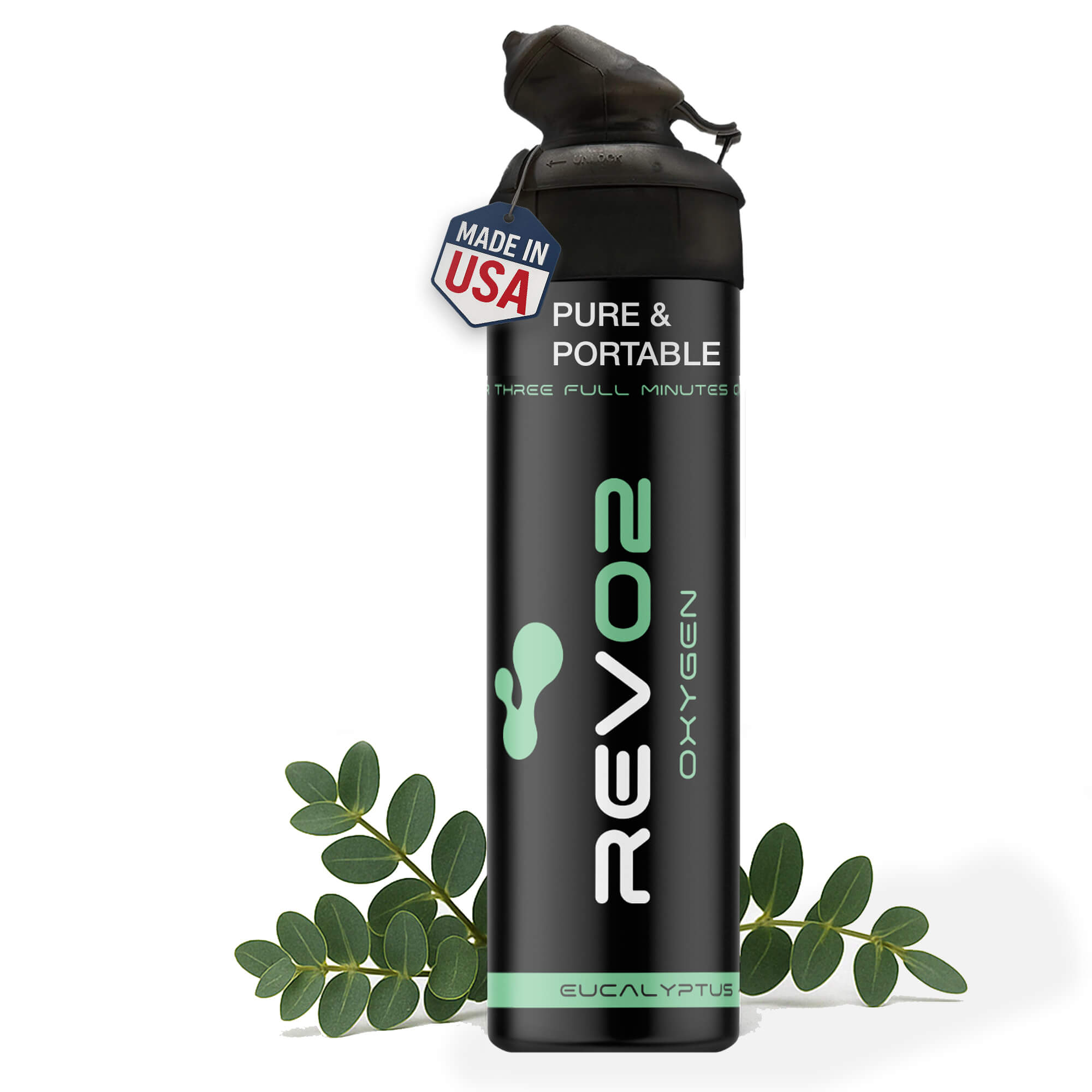
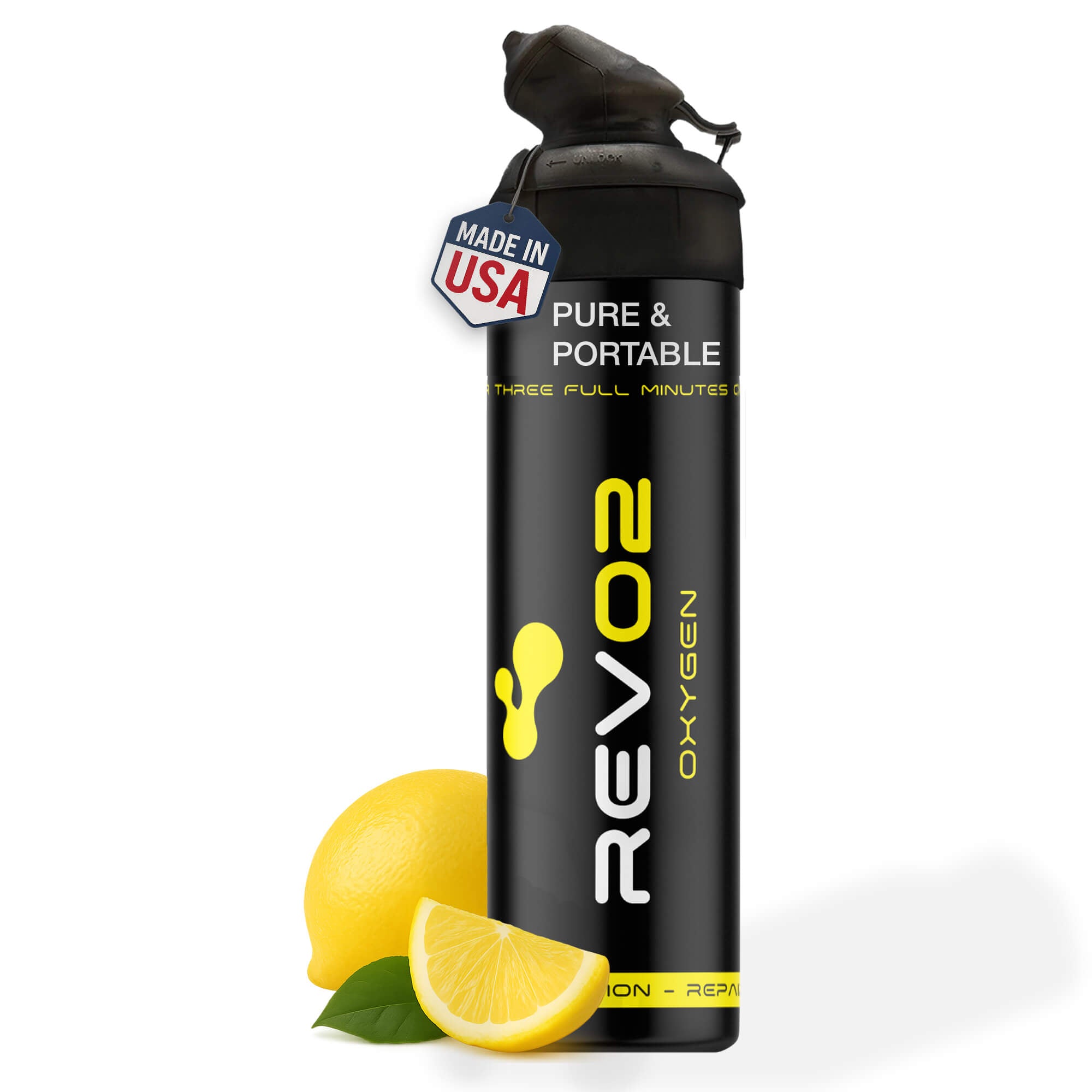
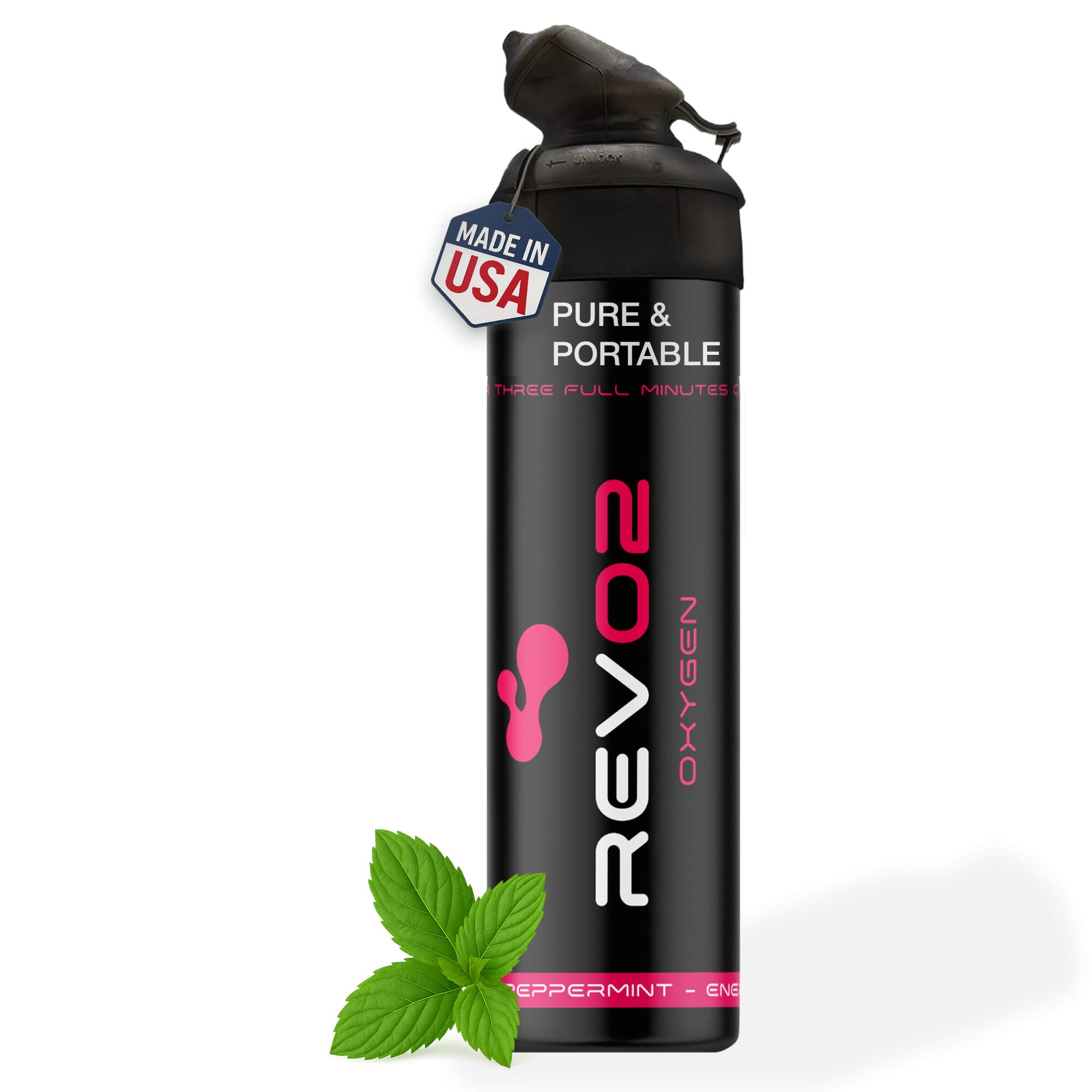
Supplemental oxygen supports exercise tolerance and recovery, with portable products making it accessible outside clinical settings. Athletes report faster recovery between intervals, reduced perceived exertion, and improved mental clarity when using supplemental oxygen during or after intense sessions. Revo2 delivers 98% pure oxygen through a zero-leak mouthpiece, making it practical for use at the trailhead, between climbing pitches, or after a hard training block.
| Method | Best use case | Key benefit |
|---|---|---|
| Altitude acclimatization | Multi-day outdoor expeditions | Long-term hematologic and cardiovascular adaptation |
| Aerobic base training | Year-round fitness programs | Improves cardiac output and oxygen extraction efficiency |
| Breathing technique work | High-intensity intervals and climbing | Reduces ventilatory inefficiency and perceived breathlessness |
| Portable supplemental oxygen | Acute recovery, altitude exposure, post-effort | Rapid SpO₂ support without equipment bulk |
| Hydration and iron intake | Daily training support | Maintains blood volume and hemoglobin production |
Lifestyle factors also shape your baseline oxygen capacity. Iron deficiency reduces hemoglobin production, directly limiting how much oxygen your blood can carry. Chronic sleep deprivation impairs respiratory drive. Consistent aerobic training increases both cardiac output and the density of mitochondria in muscle cells, improving how efficiently your body uses every unit of oxygen it receives.
For hikers and trail runners, Revo2’s oxygen for hiking product is designed specifically for altitude and sustained outdoor effort, giving you a portable option when acclimatization time is short and performance still matters.
Key Takeaways
Oxygen saturation during exercise stays stable at moderate intensities through the Bohr effect and increased ventilation, but drops below 88% signal hypoxemia that impairs performance and requires intervention.
| Point | Details |
|---|---|
| SpO₂ normal range | A target of 92–97% applies in most settings; drops below 88% during exercise warrant action. |
| Bohr effect stabilizes SpO₂ | CO₂, heat, and acidity shift hemoglobin to release oxygen more efficiently to working muscles. |
| Altitude reduces performance | Lower atmospheric pressure at elevation raises heart rate and ventilation while capping maximal oxygen uptake. |
| Track trends, not just numbers | Personal baseline trends reveal more than single absolute SpO₂ readings during exercise. |
| Supplemental oxygen aids recovery | Portable oxygen products like Revo2 support faster recovery and reduced exertion at altitude or post-effort. |
What I’ve learned from tracking SpO₂ in the field
Most people focus on the number on the screen and miss the story behind it. I’ve watched fit, experienced athletes panic over a 94% reading at 10,000 feet when their baseline at sea level was 98%. That four-point drop is physiologically expected and not dangerous. What matters is whether the drop is stable, whether symptoms match the reading, and whether performance is actually suffering.
The factor I see overlooked most often is cold. In winter conditions, peripheral vasoconstriction makes finger-clip oximeters nearly useless. I’ve seen readings of 85% on a healthy person simply because their hands were cold. Earlobe sensors and wrist-based photoplethysmography devices handle cold better, but even those need a warm-up period to stabilize.
My honest recommendation is to integrate SpO₂ data with heart rate variability, rate of perceived exertion, and recovery quality rather than treating it as a standalone metric. When all four signals point in the same direction, you have real information. When one outlier contradicts the others, question the outlier first. Supplemental oxygen from a product like Revo2 can be a useful tool in that system, but it works best when you already understand your personal baseline and know when you genuinely need support versus when your oximeter is just cold.
— Paul
Revo2 for athletes and adventurers who need reliable oxygen support
Knowing your SpO₂ numbers is only half the equation. The other half is having a practical way to act on them when your levels drop and performance is on the line.

Revo2 delivers 98% pure canned oxygen through a zero-leak mouthpiece designed for active use, with no mask required and no wasted breath. Whether you’re recovering between hard intervals, managing altitude exposure on a multi-day trek, or pushing through the final miles of a long run, Revo2 gives your body the oxygen it needs fast. The sports oxygen for athletes can is built with athlete input and fits easily in a pack, vest, or gym bag. For endurance users who want consistent support, the peppermint multi-pack offers a refreshing option at a better per-use value. Browse the full canned oxygen collection to find the format that fits your training and adventure style.
FAQ
What is a normal SpO₂ level during exercise?
SpO₂ typically remains close to resting values during moderate exercise, with a safe target range of 92–97% in most healthy individuals. Readings below 88% during exertion indicate exercise-induced hypoxemia and warrant reducing intensity or using supplemental oxygen.
Why does altitude lower oxygen saturation during workouts?
Altitude reduces atmospheric pressure, which lowers the amount of oxygen in each breath. Acute altitude hypoxia forces higher ventilation and heart rate at any given workload while capping maximal oxygen consumption and endurance capacity.
How accurate is a pulse oximeter during exercise?
Pulse oximeter accuracy drops during movement, cold exposure, and poor peripheral circulation. Motion artifacts and vasoconstriction are the most common causes of unreliable readings, so always recheck in a stable, warm position before acting on a low number.
Should I use supplemental oxygen during training?
Supplemental oxygen is most beneficial during recovery, at altitude, or when SpO₂ drops significantly from your personal baseline. Oxygen titration and supplemental use can support exercise tolerance and speed recovery, but they work best as part of a broader training and monitoring strategy.
What is the Bohr effect and why does it matter for exercise?
The Bohr effect describes how increased CO₂, acidity, and temperature during exercise cause hemoglobin to release oxygen more readily to active tissues. This mechanism is why arterial SpO₂ stays stable during submaximal effort even as muscle oxygen demand rises sharply.