
Breathing is defined as the primary mechanism your body uses to deliver oxygen to working muscles and remove carbon dioxide, and how breathing affects performance is more direct than most athletes realize. Every breath you take regulates your aerobic metabolism, autonomic nervous system balance, and muscular recovery rate. Techniques like inspiratory muscle training (IMT), slow-paced breathing at roughly 6 breaths per minute, and rhythmic breathing patterns are now backed by clinical research showing measurable gains in VO2max, heart rate variability (HRV), and endurance. The difference between an average performance and a great one often comes down to how well you breathe, not just how hard you train.
How does breathing affect performance physiologically?
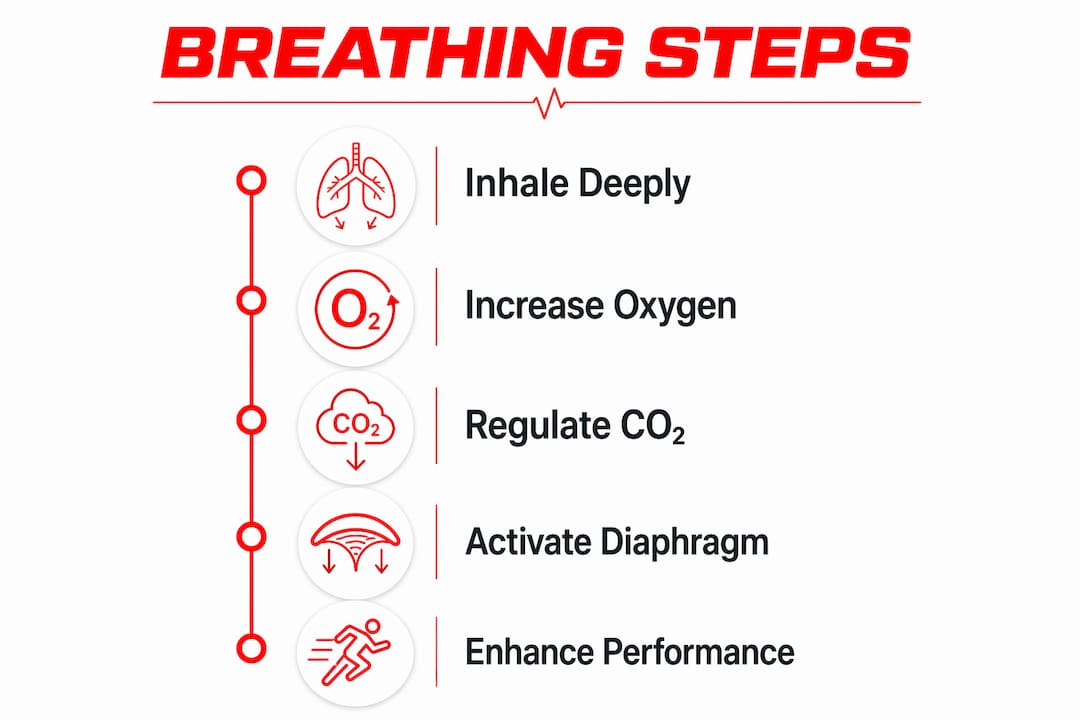
Oxygen is the fuel for aerobic metabolism. When your respiratory system delivers oxygen efficiently, your muscles produce more energy with less waste, which directly raises your VO2max ceiling. When delivery falters, lactic acid accumulates faster, fatigue sets in earlier, and output drops.
Carbon dioxide regulation is equally critical and far less discussed. CO2 is not just a waste product. It controls blood pH and triggers the release of oxygen from hemoglobin to muscle tissue through the Bohr effect. Poor CO2 tolerance means your body offloads oxygen inefficiently, accelerating muscle fatigue even when your lungs are technically full of air.
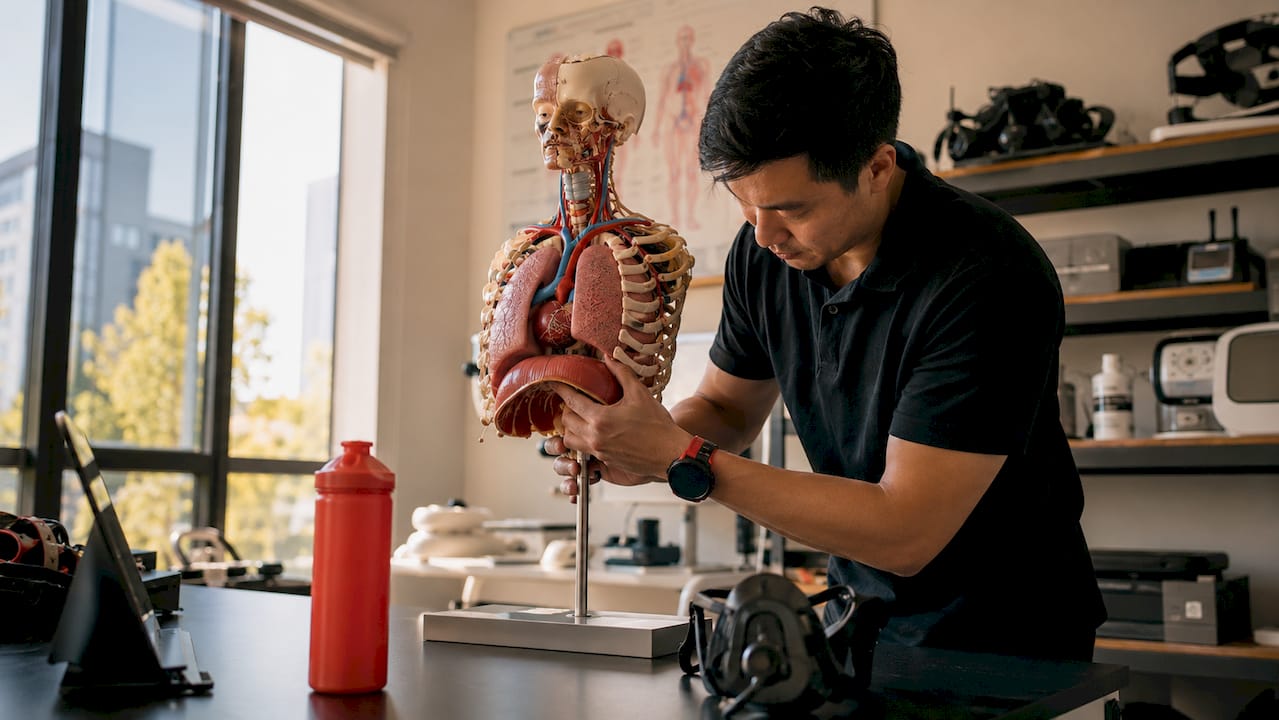
The autonomic nervous system is the third lever. Your breathing pattern directly shifts the balance between sympathetic (“fight or flight”) and parasympathetic (“rest and digest”) activity. Slow, controlled breathing increases HRV, a reliable marker of recovery readiness and stress resilience. Breathing exercises improve aerobic capacity and reduce perceived exertion compared to flexibility exercises in recreational runners, showing that breath training produces real physiological gains, not just subjective comfort.
Inspiratory muscle training (IMT) strengthens the diaphragm and intercostal muscles, the same way resistance training strengthens your legs. IMT improves endurance and core stability with small-to-moderate effect sizes, making it a practical addition to any training program. Stronger respiratory muscles mean less oxygen is diverted from working limbs to keep your breathing apparatus running, which translates directly into better sustained output.
- Aerobic metabolism depends on consistent, efficient oxygen delivery to active muscles.
- CO2 tolerance determines how effectively hemoglobin releases oxygen at the tissue level.
- HRV rises with controlled breathing, signaling better autonomic balance and recovery capacity.
- IMT strengthens respiratory muscles, freeing more oxygen for limb performance.
Pro Tip: Add 10 minutes of diaphragmatic breathing practice to your warm-up. It primes CO2 tolerance and shifts your nervous system toward a performance-ready state before you even start moving.
Which breathing techniques work best for endurance and focus?
The research on breathing techniques for athletes points to a clear hierarchy of methods, each targeting a different performance variable.
-
Slow-paced breathing at 6 breaths per minute. This is the most studied protocol for arousal control. Slow breathing at 6 breaths per minute increases HRV and reduces sympathetic arousal, supporting both anxiety reduction and precision task performance. Use it for 5–10 minutes before competition or during active recovery between sets.
-
Nasal breathing during low-intensity training. Breathing exclusively through your nose during Zone 2 (low-intensity) sessions forces CO2 adaptation. It feels harder at first, but nasal-only breathing builds aerobic base by increasing CO2 tolerance over weeks of consistent practice. Patience is required. The adaptation is real and measurable.
-
Inspiratory muscle training (IMT) protocols. IMT uses a resistive breathing device to load the diaphragm and accessory muscles. Performed daily for 20–30 breaths at 50–70% of maximal inspiratory pressure, IMT produces gains in respiratory muscle strength and stamina. Respiratory muscle training (RMT) improves maximal inspiratory pressure and dynamic ventilatory function, though RMT does not significantly increase lung volume or sprint performance in swimmers. The benefit is metabolic efficiency, not raw lung size.
-
Rhythmic breathing patterns during running. Patterns like a 3:2 or 5:3 inhale-to-exhale ratio synchronize your breath with foot strikes. Rhythmic breathing reduces injury risk by distributing exhalation across alternating foot strikes, which balances muscle fatigue and reduces asymmetric impact stress on the body.
-
Pre-competition breathwork for mental focus. A structured 5-minute session of slow-paced breathing before an event reduces cortisol-driven arousal and sharpens attentional focus. This is how breath control enhances focus at the neurological level: slower breathing activates the vagus nerve, which dampens the stress response and steadies cognitive processing.
Pro Tip: If you are new to nasal breathing during runs, start with just the first 10 minutes of each session. Build the duration weekly. Your CO2 tolerance will adapt faster than you expect.
You can find a full breakdown of these methods in this 2026 breathing techniques guide from Revo2.
How does breathing influence recovery after exercise?
Recovery is where breathing does some of its most important work, and most athletes ignore it entirely.
Controlled slow-paced breathing significantly improves HRV and autonomic nervous system modulation in post-exercise recovery, with a large effect size (d=1.10) for autonomic modulation. That number is striking. An effect size above 0.8 is considered large in clinical research, meaning controlled breathing after exercise produces a recovery benefit comparable to structured cool-down protocols.
The timing of hyperventilation also matters. Hyperventilation timing affects cardiovascular and muscle oxygen dynamics differently when applied before versus after exercise. Post-exercise hyperventilation can disrupt the autonomic recovery process, while controlled slow breathing accelerates it. This means the breathing you do in the 10 minutes after a hard session directly shapes how quickly your heart rate and nervous system return to baseline.
Respiratory muscle oxygenation is another factor. During intense exercise, the diaphragm and accessory breathing muscles compete with limb muscles for blood flow. After exercise, continued heavy breathing prolongs this competition and delays full recovery. Switching to slow, controlled breathing immediately post-exercise redirects blood flow back to limb muscles and accelerates metabolic clearance.
- Slow-paced breathing post-exercise produces a large effect on autonomic recovery (d=1.10).
- Hyperventilation after exercise disrupts, rather than aids, cardiovascular recovery.
- Controlled breathing redirects blood flow from respiratory muscles to recovering limb muscles.
- A 5–10 minute slow breathing session after training measurably improves HRV recovery indices.
How does breath control improve precision and fine motor performance?
Precision sports like shooting, archery, and golf demand a level of motor control that most training programs never directly address. Breathing is the missing variable.
The diaphragm does more than move air. It generates intra-abdominal pressure that stabilizes the spine and pelvis, creating the postural foundation that fine motor control depends on. A weak or poorly coordinated diaphragm produces subtle postural instability that shows up as tremor or inconsistency in targeting tasks.
Slow breathing reduces performance variability and improves autonomic regulation on both fine and gross motor tasks. The mechanism is straightforward: lower breathing frequency reduces sympathetic arousal, which lowers involuntary limb oscillation. Less tremor means tighter groupings in shooting, more consistent release in archery, and steadier putting in golf.
Inspiratory muscle training improves shooting performance in elite air pistol athletes by strengthening respiratory muscles and improving neuromuscular coordination. RMT also enhances core stability, which underpins the postural control that precision sports require. The practical application is to synchronize your shot or release with the natural pause at the end of a slow exhale, when respiratory muscle activity is lowest and postural stability is highest.
- Diaphragm strength creates the intra-abdominal pressure needed for spinal and postural stability.
- Slow breathing lowers sympathetic arousal, reducing involuntary limb tremor in targeting tasks.
- IMT improves shooting performance in elite athletes by strengthening respiratory and postural muscles.
- Synchronizing motor actions with the end-exhale pause maximizes stability at the moment of execution.
Pro Tip: Practice your shot or release timing during a 6-breaths-per-minute protocol in training. Your nervous system will learn to associate the exhale pause with the action, making it automatic under competition pressure.
Key Takeaways
Breath control is a trainable physiological skill that directly determines aerobic capacity, recovery speed, autonomic balance, and motor precision.
| Point | Details |
|---|---|
| Breathing drives aerobic output | Efficient oxygen delivery and CO2 tolerance set the ceiling for VO2max and endurance. |
| Slow breathing accelerates recovery | A 5–10 minute slow-paced protocol post-exercise produces a large effect on HRV recovery (d=1.10). |
| IMT strengthens respiratory muscles | Inspiratory muscle training improves endurance, core stability, and precision sport performance. |
| Rhythmic patterns reduce injury risk | Matching exhale timing to foot strikes distributes impact stress and balances muscle fatigue. |
| Breath control sharpens motor precision | Slow breathing reduces limb tremor and improves consistency in fine motor tasks like shooting. |
What I’ve learned from years of watching athletes overlook their breath
Most athletes treat breathing as background noise. They obsess over training load, nutrition, and sleep, then completely ignore the one physiological lever they can consciously control in real time.
The biggest mistake I see is skipping the post-exercise breathing window. Those first 10 minutes after a hard session are when your autonomic nervous system is most responsive to input. A slow-paced breathing protocol in that window does not just feel calming. It measurably shifts your HRV recovery curve, which means your next session starts from a higher baseline. Skipping it is the equivalent of skipping your cool-down stretch, except the physiological cost is larger.
Nasal breathing during easy runs is the second most underused tool. Yes, it feels uncomfortable for the first two or three weeks. That discomfort is CO2 adaptation happening. Athletes who push through it consistently report that their easy pace becomes genuinely easier, and their race-day breathing feels more controlled. The impact of breathing on exercise capacity is cumulative, not immediate.
Track your progress with HRV or simple perceived exertion scores. Breathing improvements are real but subtle in the early weeks. Without a measurement, you will not notice the gains, and you will quit too soon. Give any breathing protocol at least six weeks before judging its effect.
— Paul
Revo2 and the oxygen edge for athletes
Breathing techniques build the foundation, and sometimes your body needs direct oxygen support to go further.

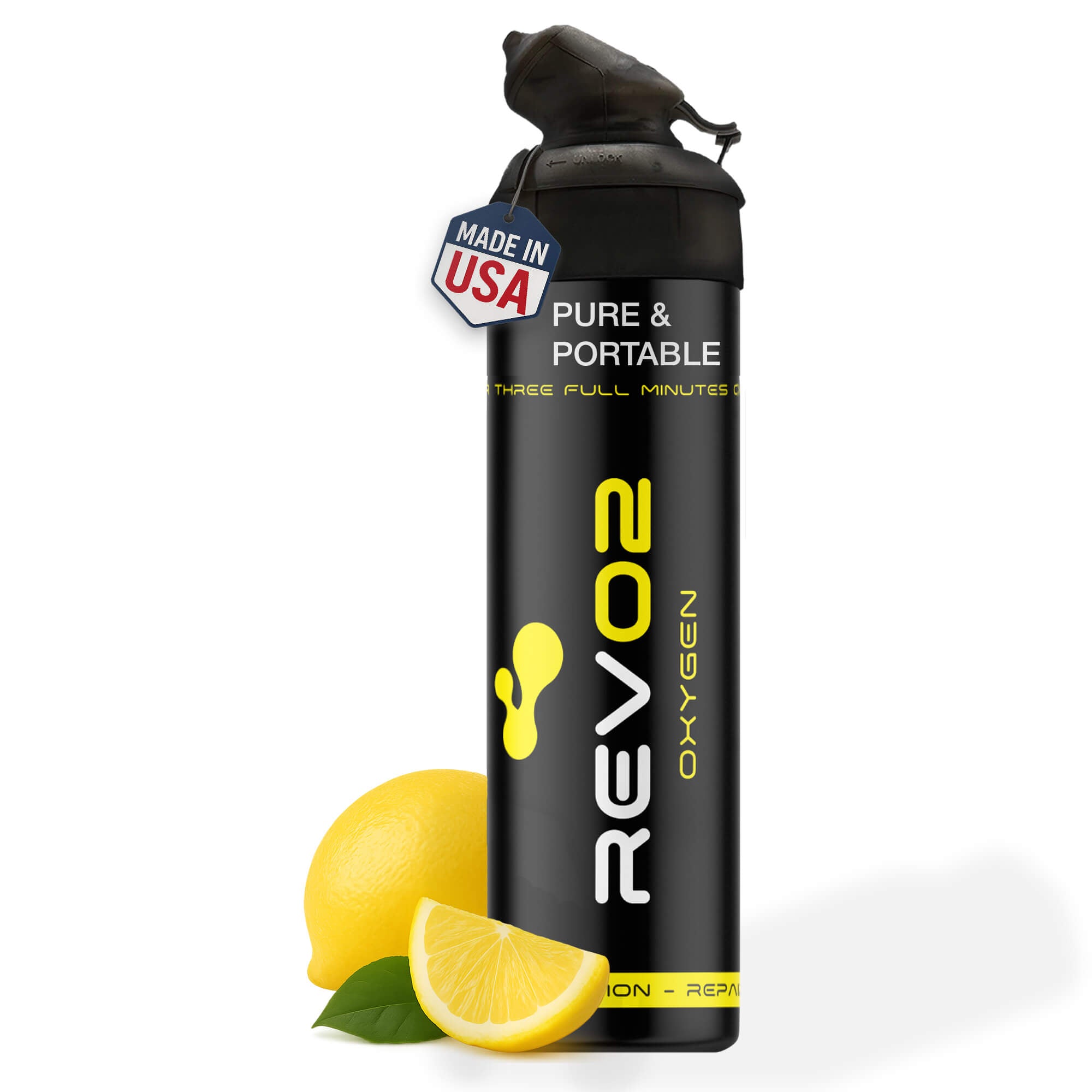
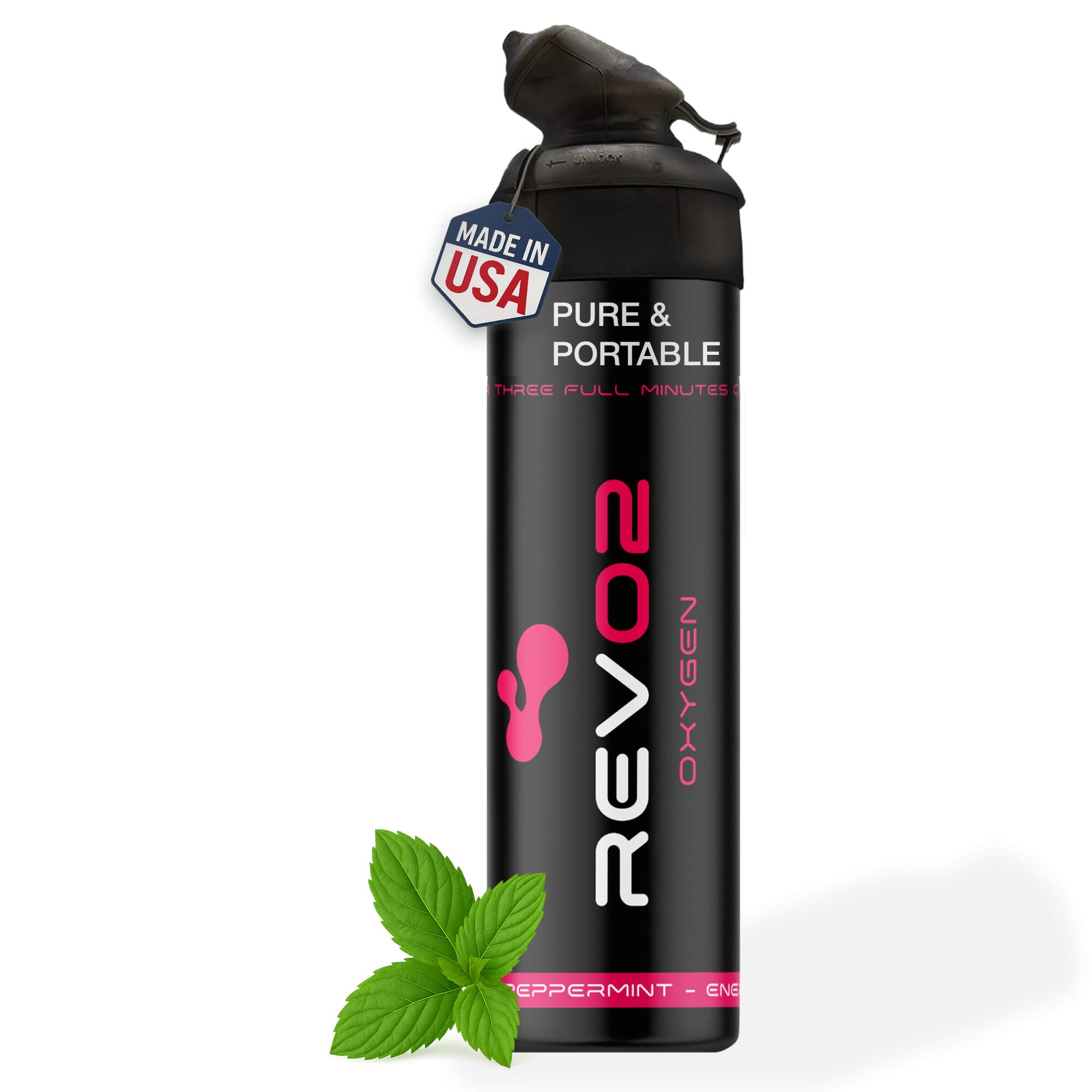
Revo2 delivers 98% pure canned oxygen through a zero-leak mouthpiece designed for athletes, active individuals, and anyone dealing with fatigue or altitude-related oxygen drops. Unlike bulky medical systems, Revo2 cans are portable and ready to use between sets, after a race, or during high-altitude activity. Users report faster recovery, sharper mental clarity, and improved energy levels when combining Revo2 with structured breathing practice. If you want to support your oxygen levels alongside your breath training, the Revo2 sports oxygen can is built for exactly that. For a full range of options, the Revo2 canned oxygen collection covers every use case from endurance training to post-workout recovery.
FAQ
How does breathing directly affect athletic performance?
Breathing controls oxygen delivery to muscles and regulates CO2 levels, which together determine aerobic capacity, muscle fatigue onset, and autonomic nervous system balance. Controlled breathing techniques improve VO2max and HRV, both of which are direct markers of athletic performance.
What is the best breathing rate for performance and recovery?
Slow-paced breathing at approximately 6 breaths per minute is the most evidence-backed rate for improving HRV, reducing sympathetic arousal, and accelerating post-exercise cardiovascular recovery.
Does inspiratory muscle training actually work?
IMT produces small-to-moderate gains in endurance, core stability, and respiratory muscle strength. It improves shooting performance in precision athletes and reduces the metabolic cost of breathing during sustained exercise, though it does not significantly increase lung volume.
Can breathing techniques improve mental focus?
Slow breathing activates the vagus nerve and reduces sympathetic arousal, which lowers involuntary limb tremor and improves consistency on fine motor and cognitive tasks. A 5–10 minute slow-paced session before competition measurably sharpens attentional focus.
How soon after exercise should I use a breathing protocol?
Start a slow-paced breathing protocol within the first 10 minutes after exercise. Research shows this window produces the largest effect on autonomic modulation and HRV recovery, setting a higher baseline for your next training session.