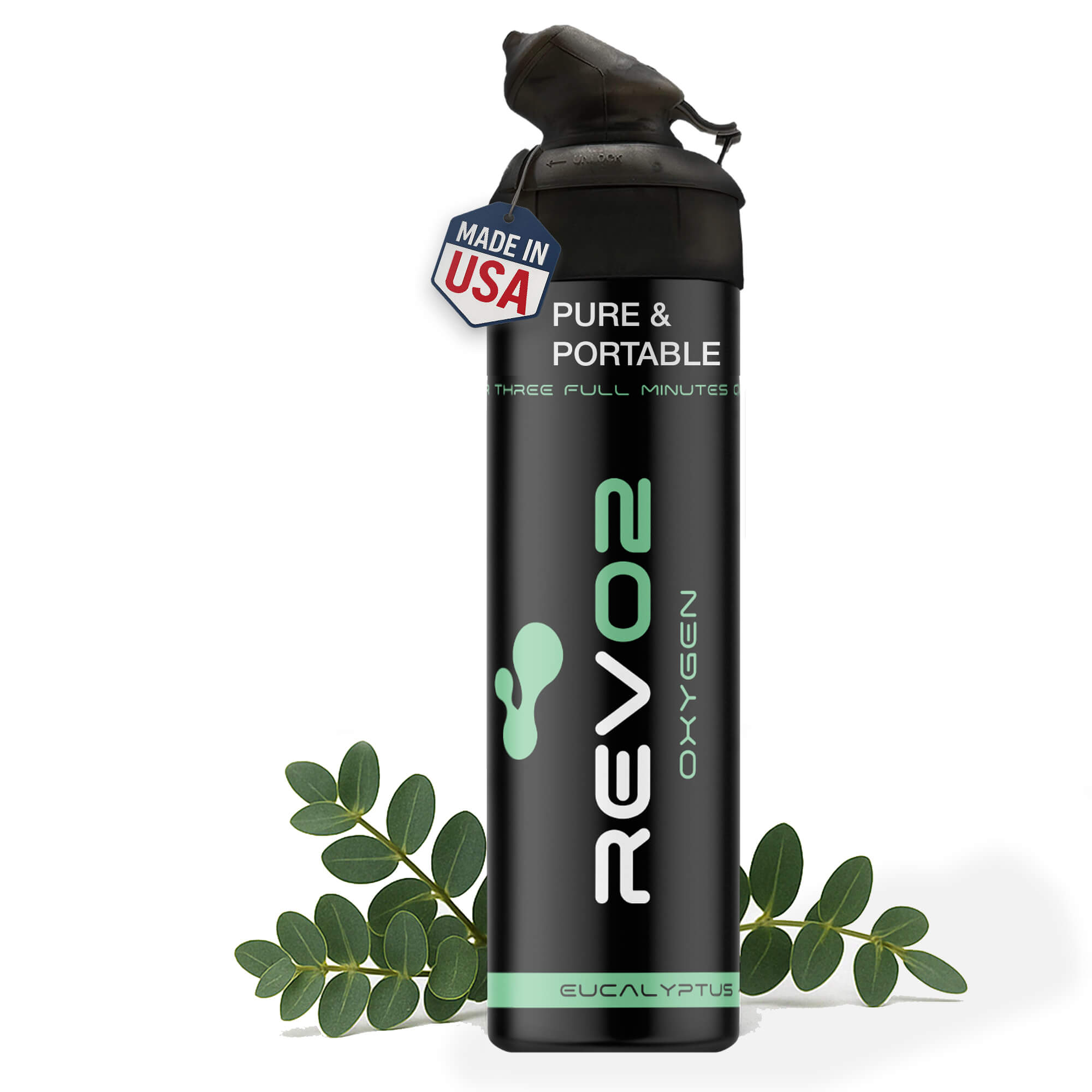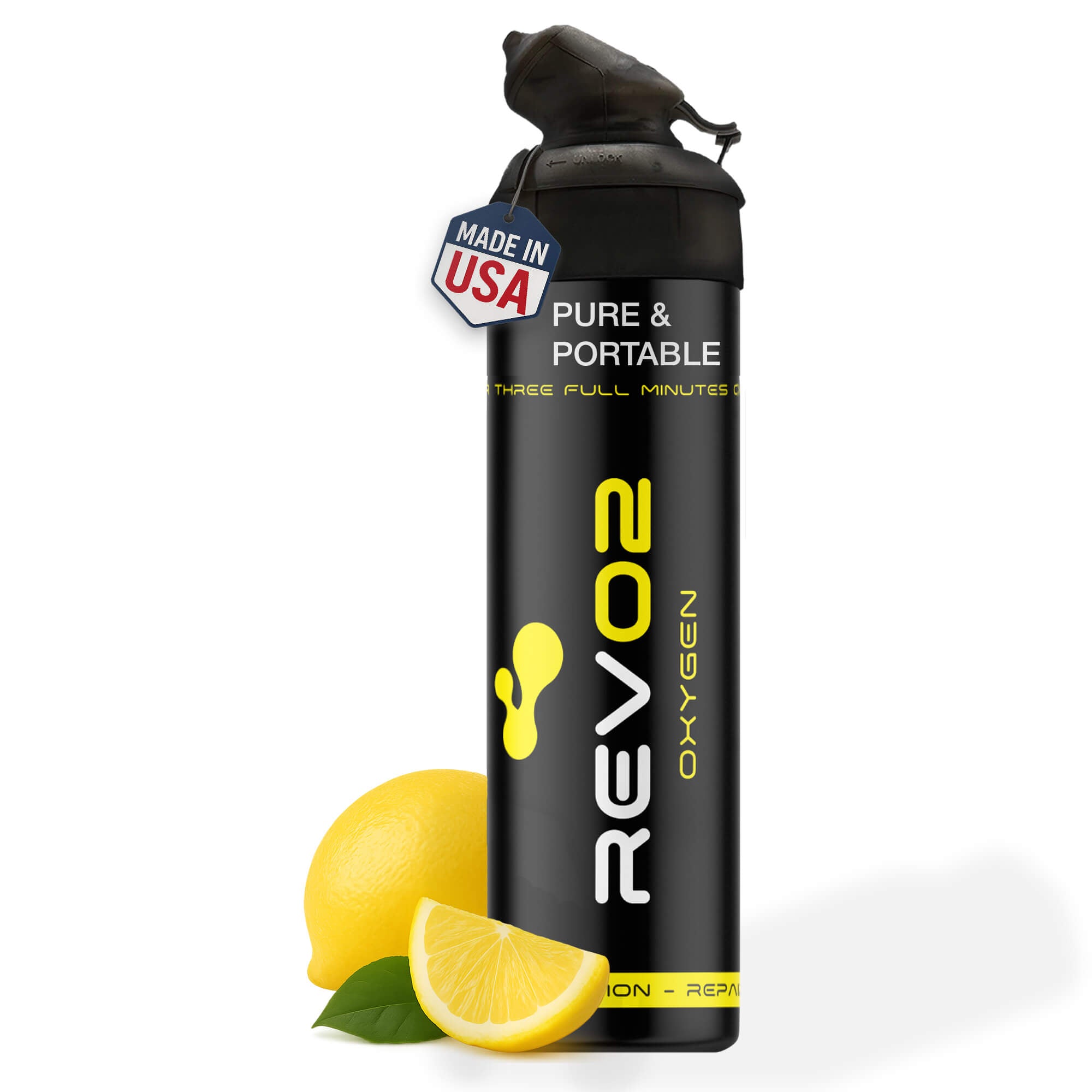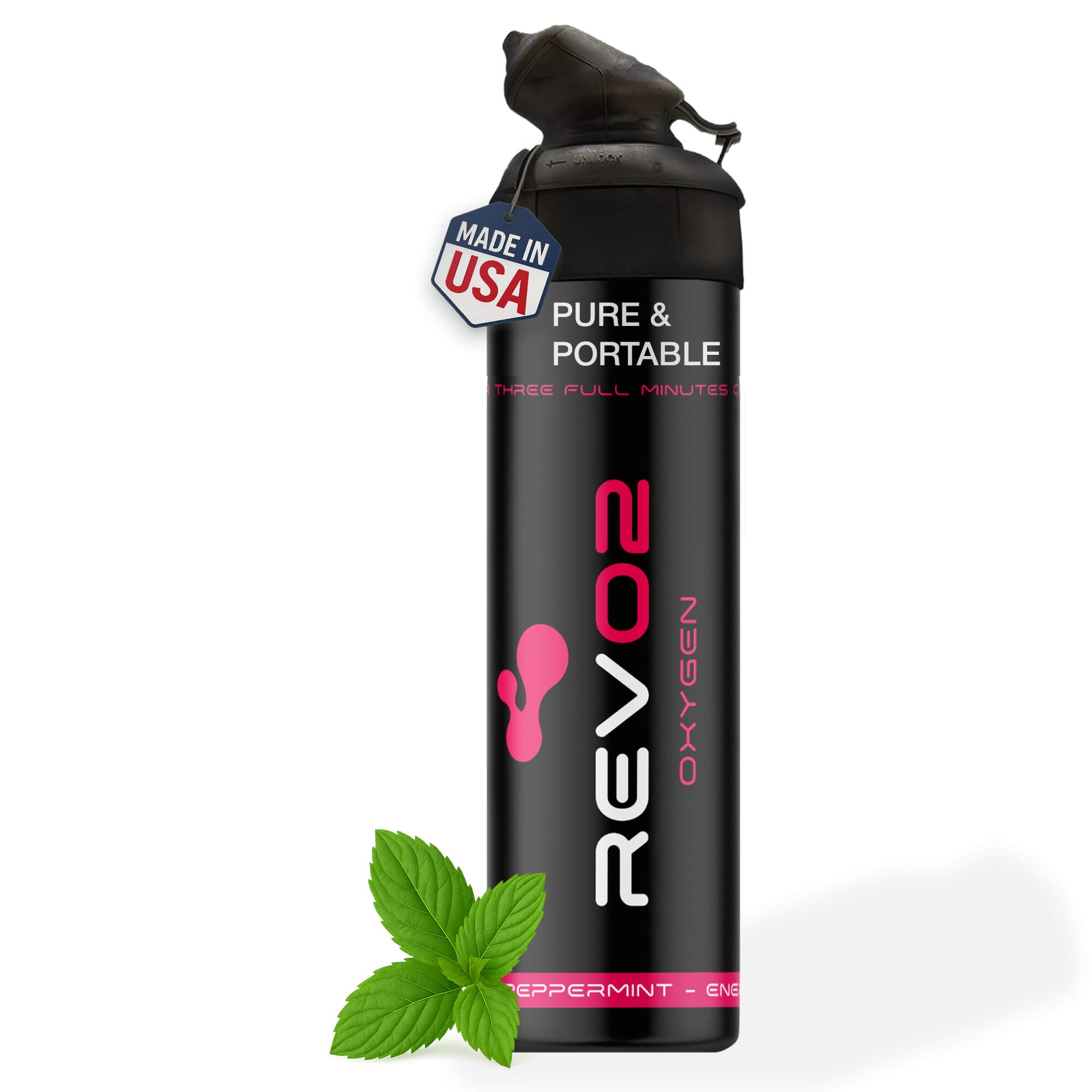

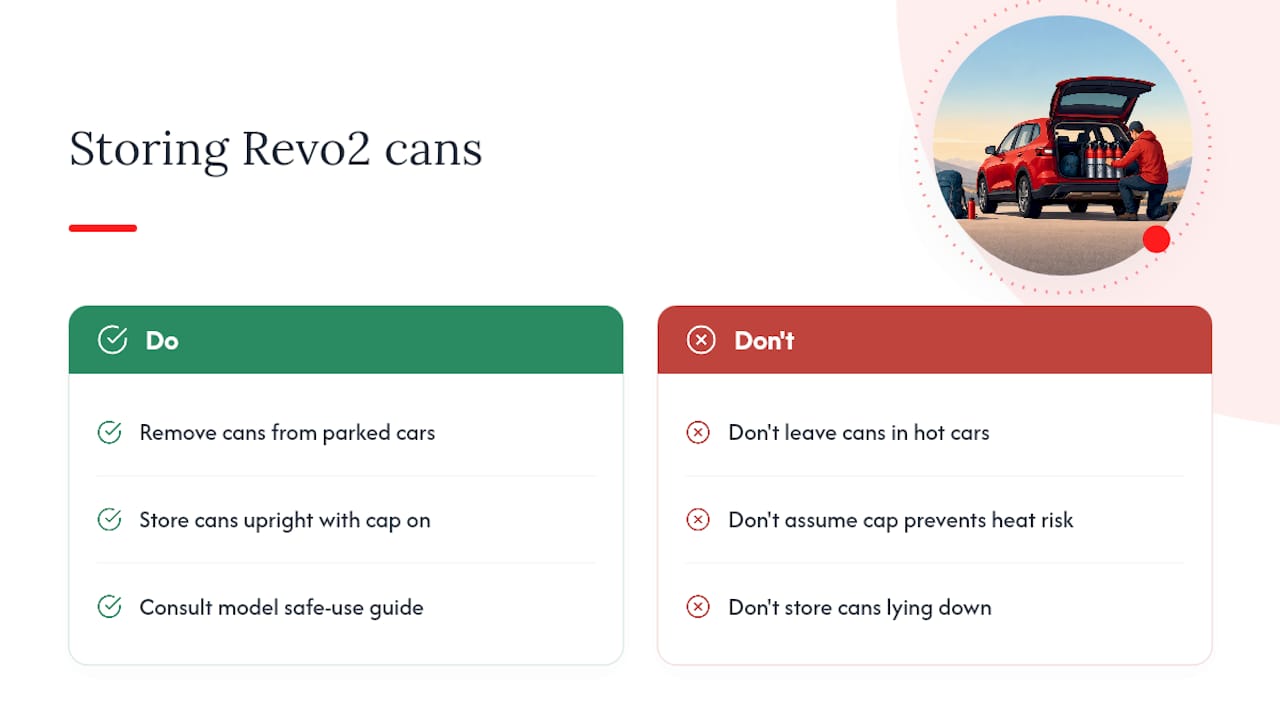
You can carry recreational canned oxygen in a car for short trips, but the single rule that matters most is this: remove your Revo2 cans immediately on arrival and never leave them in a parked vehicle where interior temperatures can climb above the manufacturer-recommended limit of about 120°F. That threshold is not a conservative estimate. On a warm day, a closed car interior can exceed it within minutes.
Before you read another word, here is what you need to do right now:
- Remove cans from the vehicle as soon as you arrive at your destination.
- Keep cans upright and secured during transit, with the protective cap on.
- Store them in a shaded spot in the cabin or trunk, away from direct sunlight.
- Avoid leaving cans in the car overnight or for extended periods, even in mild weather.
Key Takeaways
Recreational canned oxygen is safe to carry in a car for short trips, provided you keep cans below about 120°F, store them upright and secured, and remove them from the vehicle on arrival.
| Point | Details |
|---|---|
| Temperature limit | Keep cans below approximately 120°F; parked cars can exceed this within 30 minutes on a warm day. |
| Remove on arrival | Take cans with you whenever possible; never leave them in a parked vehicle for extended periods or overnight. |
| Upright and secured | Store cans vertically with the cap on to protect the valve and reduce leak risk during transit. |
| If a can overheats | Ventilate, move the can outdoors if safe, keep ignition sources away, and contact Revo2 for disposal guidance. |
| Revo2 recommendation | Revo2 cans feature a zero-leak mouthpiece and protective cap; consult the safe-use guide for model-specific handling. |
Always follow the product label and contact Revo2 customer support for disposal or damage questions specific to your canister.
Table of Contents
- What are the dos and don’ts for carrying oxygen cans in a vehicle?
- Why does heat put pressurized oxygen cans at risk?
- How do you safely store and transport cans in your car for short trips?
- What should you do if a can feels hot, hisses, or looks damaged?
- What extra steps do longer trips and other travel modes require?
- Why Revo2 recommends removing cans from parked cars
- Revo2 canned oxygen: built for performance, designed for safe handling
- Sources
What are the dos and don’ts for carrying oxygen cans in a vehicle?
Knowing the rules before you load up saves you from a situation that is both avoidable and genuinely risky.
Do:
- Carry cans in your bag or on your person whenever the destination is close.
- Store cans upright and secured during transit to prevent rolling or tipping.
- Keep the protective cap on the mouthpiece at all times while not in use.
- Place cans in a shaded area of the trunk or passenger footwell, away from direct sun.
Don’t:
- Leave cans in a parked, sun-exposed vehicle, even for what feels like a short stop.
- Store cans near the engine bay, exhaust components, or any heat source.
- Smoke or allow open flames in the vehicle while cans are present. Oxygen accelerates combustion, and even a small ignition source can become a serious hazard.
- Lay cans on their side. Lateral storage raises the risk of valve damage during a sudden stop.
Pro Tip: If you frequently stash cans at races, games, or outdoor events, keep a small insulated lunch bag in your kit. It takes seconds to drop a can inside and dramatically reduces heat exposure during short parking stops.
Why does heat put pressurized oxygen cans at risk?
Rising temperature raises the internal pressure of any sealed, pressurized canister. That is basic physics, and it applies directly to recreational oxygen cans.
A parked car is a greenhouse. On an 80°F day, interior temperatures can reach 130°F or higher within 30 minutes. Manufacturer guidance consistently recommends keeping pressurized canisters below approximately 120°F, and many user reports cite about 125°F as a practical upper limit before risk increases meaningfully.
When internal pressure climbs past a canister’s design tolerance, the pressure relief device (PRD) activates. Manufacturers design PRDs to vent before structural failure occurs, but that venting can be sudden, loud, and fast. According to Catalina Cylinders’ transport guidance, a PRD release can create a hazard if any ignition source is nearby, because the escaping oxygen-rich gas feeds combustion rapidly. In a worst-case scenario where a PRD fails or a canister is already compromised, structural failure is possible.
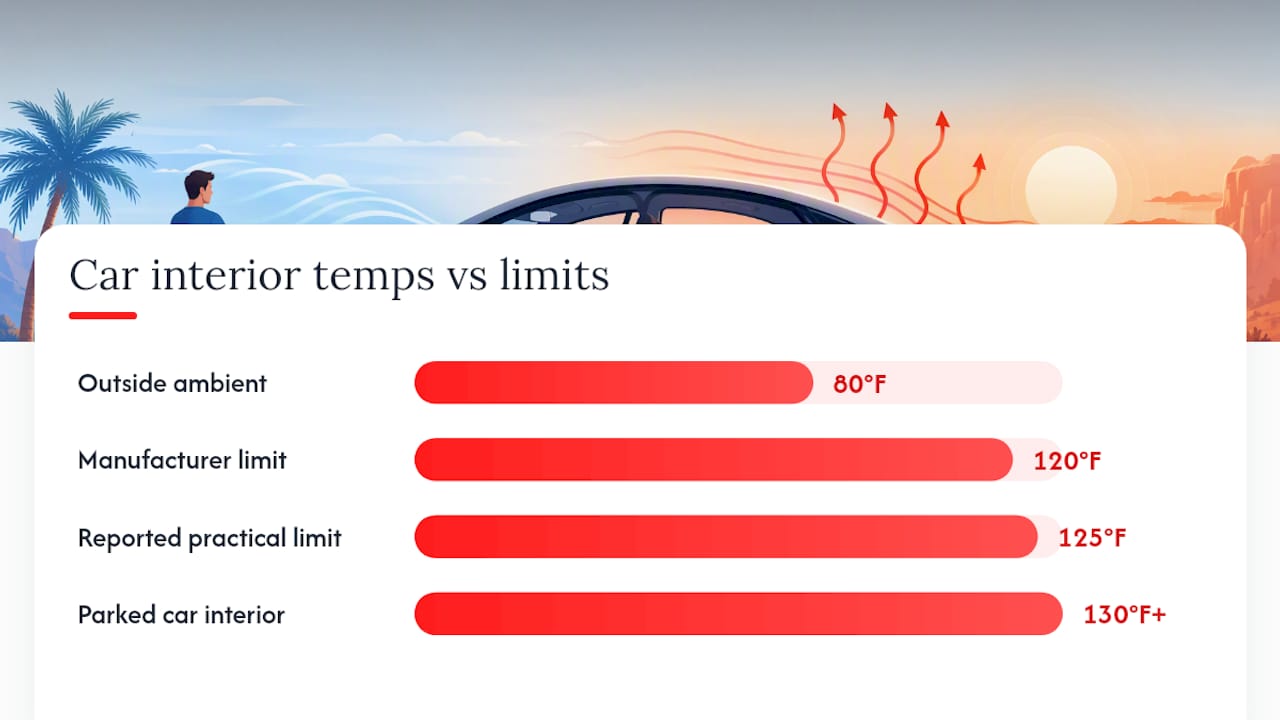
“Extended exposure” in practical terms means hours in a hot car, not days. A can sitting in a sealed trunk on a summer afternoon is already in a risk window. Overnight storage in a vehicle, even in cooler weather, is not a practice worth the tradeoff.
How do you safely store and transport cans in your car for short trips?
The first decision is simple: can you take the cans with you? If your destination is within a few minutes of the parking spot, carry them inside. That eliminates the risk entirely.
When you do need to leave cans in the vehicle briefly, follow these steps:
- Cap and inspect before loading. Check that the protective cap is seated firmly and the canister shows no dents, corrosion, or valve damage before placing it in the car.
- Store upright, always. Place cans vertically in the trunk well, passenger footwell, or a secured bag. Upright storage reduces the chance of valve damage and keeps liquid-phase gas away from the PRD.
- Choose the coolest spot. The spare-wheel well or the area under the parcel shelf tends to stay cooler than the main cabin. Community experience confirms these lower compartments as reasonable short-term locations when carrying cans inside is not possible.
- Shade the vehicle. Use a reflective windshield cover and park in shade when available. These measures materially reduce peak cabin temperature during short stops.
- Ventilate when possible. Avoid sealing cans in a fully enclosed, unventilated compartment. A slightly cracked window helps moderate temperature buildup.
- Check at every stop on longer drives. Feel the can briefly when you open the trunk. If it is warm to the touch, move it to a cooler location or bring it inside with you.
For longer road trips, do not rely on the car as a storage unit between activity legs. Bring only what you need for the day’s activity and plan ahead for each stop. Avoid overnight vehicle storage regardless of outside temperature.
Pro Tip: A small, soft-sided cooler with a single ice pack keeps cans well below the 120°F threshold for several hours without refrigeration. It doubles as a carry bag at the trailhead or sideline.
What should you do if a can feels hot, hisses, or looks damaged?
Stay calm, but act quickly. Heat exposure and physical damage are the two most common triggers for a pressurized canister to behave unpredictably.
- Move people away first. Create distance between bystanders and the can before doing anything else.
- Ventilate the vehicle. Open all doors and windows immediately to disperse any gas that may have vented.
- Move the can outdoors if it is safe to do so. Place it on a flat, non-flammable surface away from vehicles, structures, and ignition sources.
- Keep all ignition sources away. No smoking, no lighters, no starting the engine near the area until the situation is resolved.
- Do not puncture, shake, or attempt to repair the can. A compromised canister is not something to troubleshoot.
- Contact Revo2 customer support for disposal instructions. Do not place a damaged or heat-exposed can in household trash. Follow local hazardous-waste guidelines or the manufacturer’s return guidance.
- Call emergency services if the situation escalates. Active hissing that does not stop, visible deformation, fire, or a rapid pressure release that you cannot safely distance yourself from warrants a 911 call.
If a can has been exposed to high heat but shows no visible damage, let it cool completely in a ventilated outdoor area before handling it further. Contact Revo2 before deciding whether to use or dispose of it.
What extra steps do longer trips and other travel modes require?
Short car hops and multi-day road trips carry different planning demands. On a long drive, the risk is cumulative: more stops, more time in a hot trunk, and more opportunity for a can to sit unattended in a warm vehicle.
- Carry only the cans you need for each day’s activity. Store extras in a temperature-controlled bag or bring them into your lodging each evening.
- At rest stops, check can temperature and move them to the cabin if the trunk has been in direct sun.
- For athletes managing a travel and recovery plan, building a simple checklist into your packing routine prevents the “I forgot it in the car” scenario.
If your trip involves flying or taking public transit, check carrier rules before you travel. Airline and transit policies for pressurized recreational canisters differ from those for medical oxygen concentrators, and the rules vary by carrier. The FAA and individual airlines each set their own standards, so verify directly with your carrier ahead of time rather than assuming recreational canned oxygen follows the same rules as other formats.
For caregivers or anyone building a broader emergency preparedness plan that includes breathing support, incorporating safe canister storage into your written plan is a straightforward step that pays off when travel conditions change unexpectedly.
Why Revo2 recommends removing cans from parked cars
Revo2 designs its canned oxygen for real-world use: athletes at altitude, workers managing stress, travelers pushing through fatigue.
The zero-leak mouthpiece means you are not losing oxygen between breaths, and the cap keeps the valve protected during transit. Those features address everyday handling well. What they do not do is insulate the canister from ambient heat. A Revo2 can sitting in a 130°F trunk is subject to the same pressure physics as any other pressurized container.
Revo2’s recommendation is straightforward: remove cans from parked vehicles whenever possible, store them upright with the cap on, and consult the safe-use guide for model-specific handling details.
Revo2 canned oxygen: built for performance, designed for safe handling
Revo2’s canned oxygen collection delivers 98% pure oxygen in peppermint, lemon, and eucalyptus blends, with a zero-leak mouthpiece that makes every breath count whether you are at altitude, mid-race, or managing a long travel day. The cans are compact enough to fit in a jersey pocket or gym bag, which is exactly where they belong during a hot-weather event rather than in a sealed car.
For athletes who go through multiple cans at events, peppermint multi-packs and lemon multi-packs make it practical to keep a fresh supply on hand without overpacking the vehicle. Bring what you need for the day, store the rest at your lodging, and follow the safe-use guidance on every label. Visit the Revo2 safe-use page for handling and disposal details specific to your canister.
Sources
The guidance on this page draws from the following manufacturer and safety resources. Check each directly for the most current transport and disposal rules.
- How to Store MSR Fuel Canisters Safely and Correctly – Cascade Designs
- Transporting Charged Cylinders in Passenger Vehicles - High Pressure Aluminum Gas Cylinders | Composite Cylinders
- How to safely store a propane/butane/isobutane canister in a vehicle — Outdoors.StackExchange
- Can You Safely Transport Oxygen Tanks In Your Vehicle? | ShunAuto