
The best way to handle Colorado’s altitude is to go up gradually, take it easy for the first day or two, drink more water than you normally would, and know which symptoms mean you should head downhill. Most visitors who follow those four habits feel fine, or at worst a little tired and headachy for a day. This guide walks through each habit with guidance from public health agencies, so you can plan a trip that feels good rather than one spent on the hotel couch.
TL;DR
- Travelers going above 8,000 feet can be at risk for altitude illness, so plan your route and your first days around that number.
- Avoid strenuous activity for the first 24 to 48 hours, and spend a day or two at a moderate elevation before going higher.
- Colorado’s dry air raises dehydration risk: aim for 2 to 3 liters of water a day and consider electrolytes.
- Headache, nausea, dizziness, fatigue and shortness of breath are common early symptoms. Confusion, clumsiness, chest pain or a wet cough mean go down and get medical care.
Table of Contents
- Why Colorado’s elevation matters
- Plan your route before you pack
- Your first 24 to 48 hours
- Hydration: more water than you think
- Know the symptoms and what to do about them
- Hiking and outdoor activity as you gain elevation
- Who should take extra care
- Our perspective: calm preparation beats quick fixes
- Bringing portable oxygen along
- A short Colorado altitude checklist
- FAQ
- Sources
Why Colorado’s elevation matters
The air at altitude contains the same share of oxygen as air at sea level, but there is less pressure pushing it into your lungs, so each breath delivers less. The CDC says altitude illness is caused by low oxygen levels in the air, and that travelers going above 8,000 feet may be at risk.
Denver sits at 5,280 feet, which is mile-high marketing but also a real physiological change if you live near the coast. Many popular mountain destinations are far higher. Denver is often used as a stepping stone: a National Geographic travel piece describes Denver as an acclimation location for mountain towns such as Vail and Breckenridge.
If you want to understand the physiology in more depth, our explainers on why Denver at 5,280 feet lowers your oxygen and how thin air affects each breath cover the numbers step by step.
Plan your route before you pack
Most altitude trouble starts with the itinerary, not with anything you do on the ground. The simplest protection is a gradual climb.
The CDC’s travel guidance suggests that you avoid going from a low elevation straight to sleeping above 9,000 feet in one day, and that you spend a few days at 8,000 to 9,000 feet before going higher. Once you are above 9,000 feet, raise your sleeping altitude by no more than 1,600 feet per day.

That is a rule about where you sleep, which is why a day trip to a high pass followed by a night back in town is easier on most bodies than moving your bed up the mountain.
Flying in changes the math
If you fly from sea level into Denver and drive straight to the mountains, you have ascended thousands of feet in a few hours. Cleveland Clinic notes that if you ascend quickly because you flew to a high-altitude destination, you should factor that into your plans. In practice, that means:
- Book your first night in Denver or another moderate-elevation spot rather than a high mountain town.
- Keep the first day’s schedule light: a walk, a good meal, an early night.
- Save the high trailhead, the ski day or the mountain pass drive for day three or later.
A sample gradual itinerary
Here is one way a sea-level traveler could structure a week. It is an illustration of the principle, not a prescription, and you should adjust for your health and your destination.
| Day | Where you sleep | What you do |
|---|---|---|
| 1 | Denver area (about 5,280 ft) | Arrive, hydrate, short easy walk |
| 2 | Denver area | Gentle sightseeing, no hard workouts |
| 3 | Moderate mountain elevation | Light hike or scenic drive |
| 4 to 5 | Higher mountain town | Build up activity slowly |
| 6 to 7 | Wherever you like | Bigger days if you feel good |
The CDC Yellow Book explains that the acute acclimatization process occurs over the first 3 to 5 days after ascent, and that some acclimatization continues for weeks to months. It also cautions that standard recommendations can still be too fast for some travelers and too slow for others, so treat any schedule as a starting point and listen to your body.
Your first 24 to 48 hours
The Colorado Department of Public Health and Environment advises visitors to spend a day or two at a moderate elevation before going higher and to avoid strenuous activity during the first 24 to 48 hours. The same page says symptoms usually show up within 6 to 24 hours of arriving at altitude, which is why that first evening and next morning are the moments to pay attention.
A calm, practical first day looks like this:
- Move gently. A neighborhood walk is plenty. Skip the hard run, the first-day summit and the bike ride up a canyon.
- Go easy on alcohol. It is tempting to celebrate your arrival, but you are already working harder to breathe and stay hydrated.
- Eat regularly. Skipping meals when you feel a little off makes fatigue worse.
- Carry water everywhere. Sip throughout the day rather than catching up at night.
- Notice, don’t push through. A mild headache and a bit of tiredness are common. Worsening symptoms are a signal to slow down, not to tough it out.
If you are curious how sleep tends to behave over the first few nights, our guide to sleeping better at altitude explains why rest can feel lighter at first and what usually helps.
Hydration: more water than you think
Colorado air is dry, and altitude makes you breathe faster, so you lose more moisture with every breath. CDPHE puts it plainly: the dry, high-altitude air increases the risk of dehydration, and the agency recommends 2 to 3 liters of water daily, with electrolytes as an option.
Some practical ways to hit that number without turning it into a chore:
- Start the morning with a full glass before coffee.
- Keep a refillable bottle in the car, the daypack and the hotel room.
- Add an electrolyte mix to one or two bottles a day, especially on active days.
- Check your urine color. Pale yellow is a good sign; dark yellow means drink more.
- Treat alcohol and heavy caffeine as extra fluid debts you need to repay with water.
For a deeper look at how fluid and electrolyte intake supports energy and focus, including how much to drink in a sitting, that article is a good companion read before a trip.
What is the best drink at high altitude?
Water is the foundation. Add electrolytes when you are sweating or hiking, and keep sugary or very salty drinks in the occasional category. No drink is a proven altitude sickness preventive, so think of fluids as a way to avoid making things worse rather than a cure.
Know the symptoms and what to do about them
According to CDPHE, common symptoms include headache, nausea or vomiting, dizziness, fatigue, shortness of breath, loss of appetite and difficulty sleeping. If you have symptoms, the guidance is to descend gradually if you are able.
Two levels are worth keeping separate in your mind:
Mild symptoms: pause and recover
A headache and low energy on day one are the classic picture. Stop ascending, rest, drink water and eat something. If you are at a higher elevation than you slept at last night, consider going back down. Our guide to high altitude headache relief options covers what tends to help and what to avoid, and our article on fast nausea relief for hikers walks through the descend-first approach.
Serious symptoms: go down and get care
CDPHE advises seeking a doctor immediately for vision changes, shortness of breath, chest tightness or pain, clumsiness, confusion or slurred speech. The National Park Service adds that if symptoms progress to loss of balance or coordination, slurred speech, an altered mental state, extreme shortness of breath, a wet or rasping cough, or blue skin, go down immediately and seek medical attention.
These are not situations for waiting until morning, for a snack or for a can of anything. Descend, call 911 if the person cannot walk safely or is confused, and get evaluated.
Hiking and outdoor activity as you gain elevation
Colorado trails reward ambition and punish overconfidence. CDPHE’s guidance for hikers is straightforward: pace yourself, take breaks, and set a strict cutoff time so you have enough daylight to return. Carry water and food, navigation tools and layered clothing.
A few habits make the difference between a great day and a rough one:
- Start early and turn around on time. Your cutoff is a rule, not a suggestion, even if the summit looks close.
- Walk slower than feels necessary. If you can’t speak in full sentences, you are going too fast.
- Build up. Do a shorter, lower hike before the big one.
- Dress in layers. Mountain weather and temperature swing quickly, and the sun is stronger at elevation.
- Tell someone your plan. Trailhead, route and expected return time.
If hiking has left you with tired legs or sore joints, our hiker-focused readers often pair the trip with practical hiking injury prevention tips so a small strain does not cut the trip short.
Who should take extra care
Altitude affects people unpredictably, and fitness is not a reliable shield. Strong athletes get altitude headaches, and some less active people feel fine. What matters more is how quickly you go up and whether you have conditions that altitude can aggravate.
The National Park Service notes that conditions affecting the brain, heart and lungs may be aggravated by high altitude and can prove deadly in the mountains. If you have heart disease, lung disease, a history of altitude illness, are pregnant, or are traveling with young children or older adults, talk with your own doctor before you go. Ask specifically about your destination elevation, whether medication is appropriate for you and what warning signs to watch for.
Asking about prescription options is a conversation for a clinician, not a product page. If you want background before that appointment, our overview of supplements people use for altitude and our 5-night plan for avoiding altitude sickness without Diamox can help you form better questions.

Our perspective: calm preparation beats quick fixes
We make portable oxygen, so people often assume we think a can solves altitude. We don’t. The biggest lever you have is how you plan the trip: gradual ascent, a light first day, steady hydration and respect for symptoms. Those habits work whether or not you carry anything extra.
Where we see portable oxygen fit is as one small comfort in a well-planned trip. Hikers, athletes and travelers tell us a few deep breaths of 98% oxygen after a steep section or at the end of a long travel day feels refreshing and helps them feel more clear-headed. That is a feeling of ease, not a medical treatment, and it does not replace descending when symptoms are serious or seeing a doctor when something feels wrong.
We designed our cans with athlete and scientist input, with a zero-leak mouthpiece and a trigger-lock cap so there is no mask to fuss with and less wasted oxygen. If you want to know how oxygen behaves at elevation, our article on why reduced air pressure starves your body of oxygen explains the physiology in plain language, and our piece on brain fog at altitude covers the foggy, slow feeling many visitors describe.
The goal is for you to feel in control of your breathing, not worried about it.
— Paul
Bringing portable oxygen along
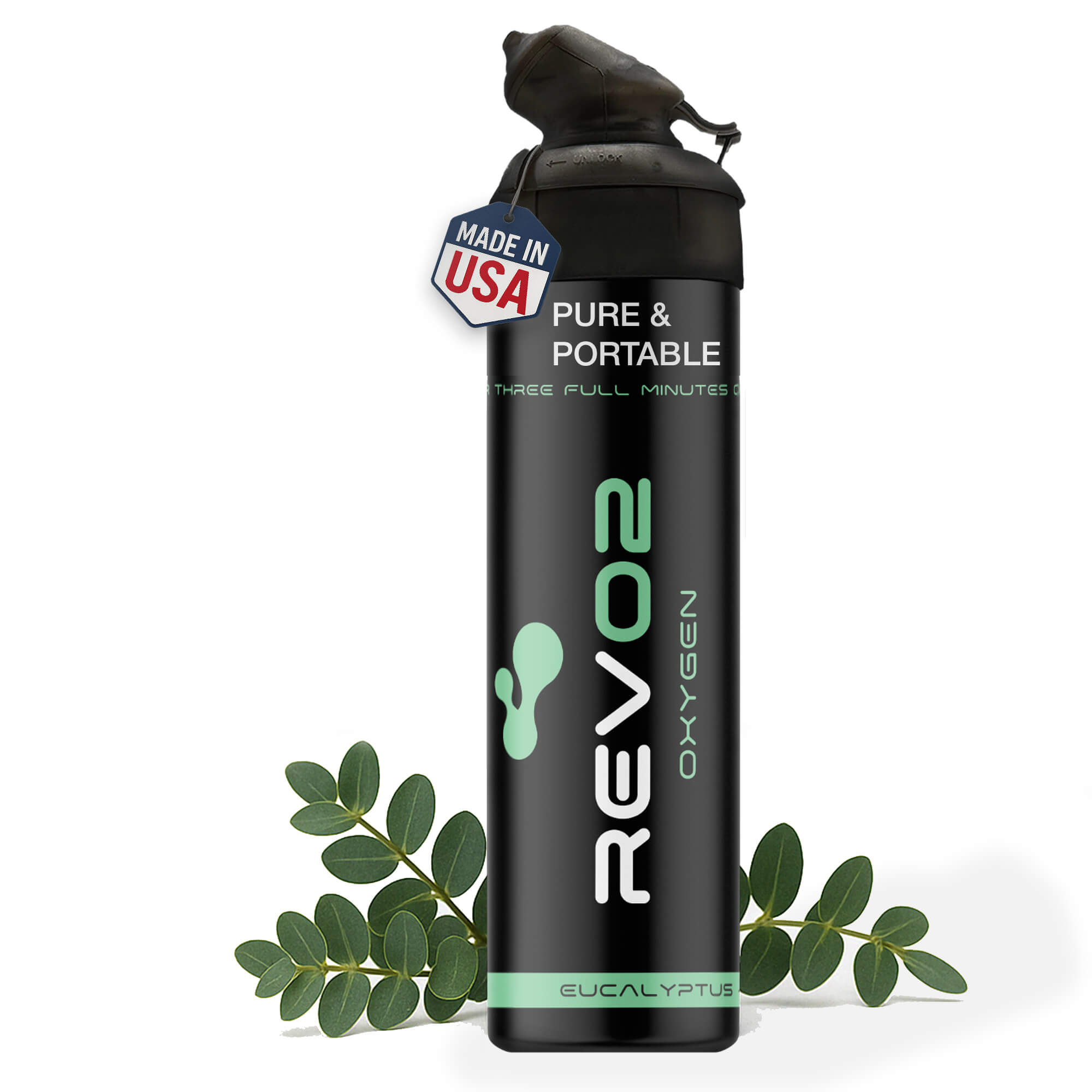
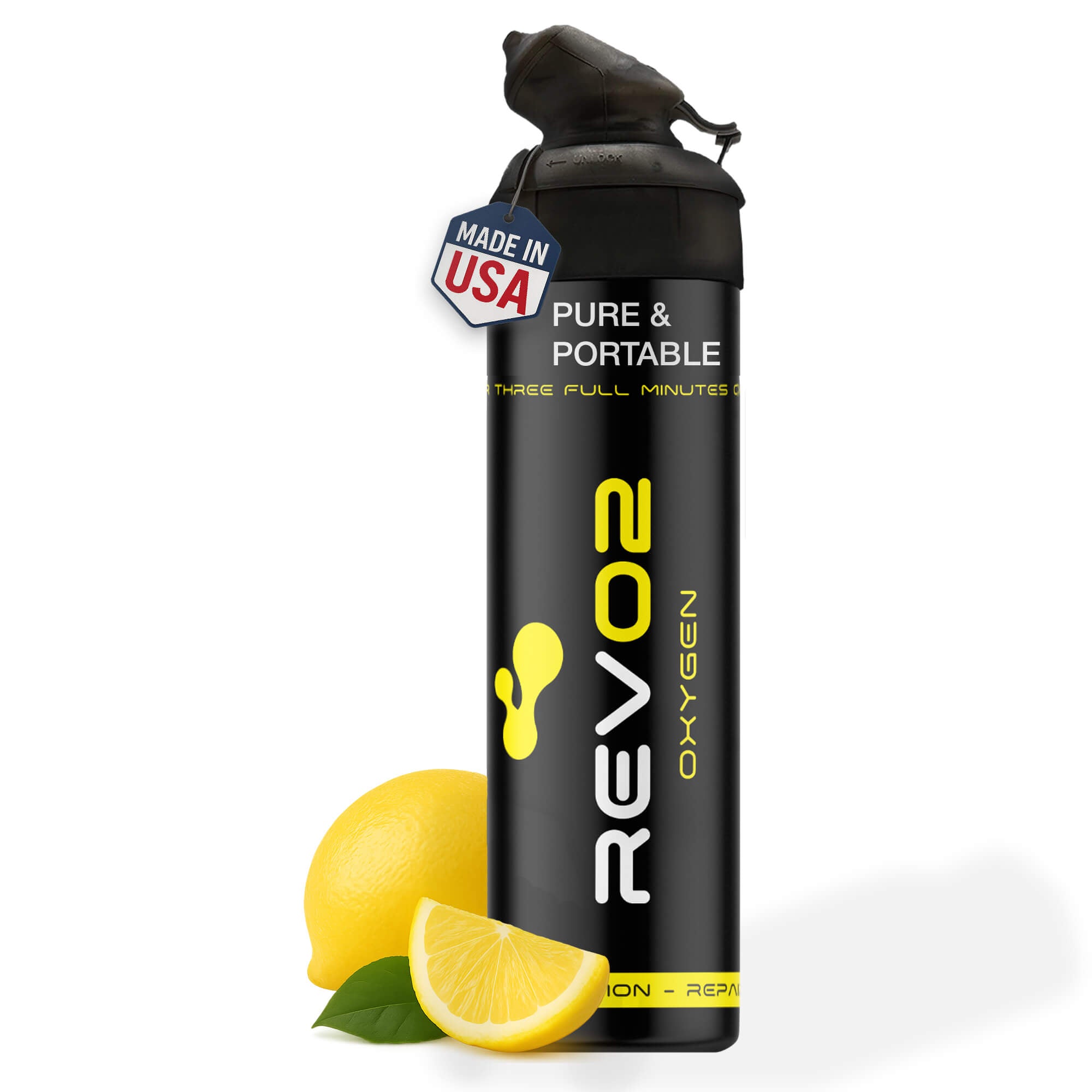
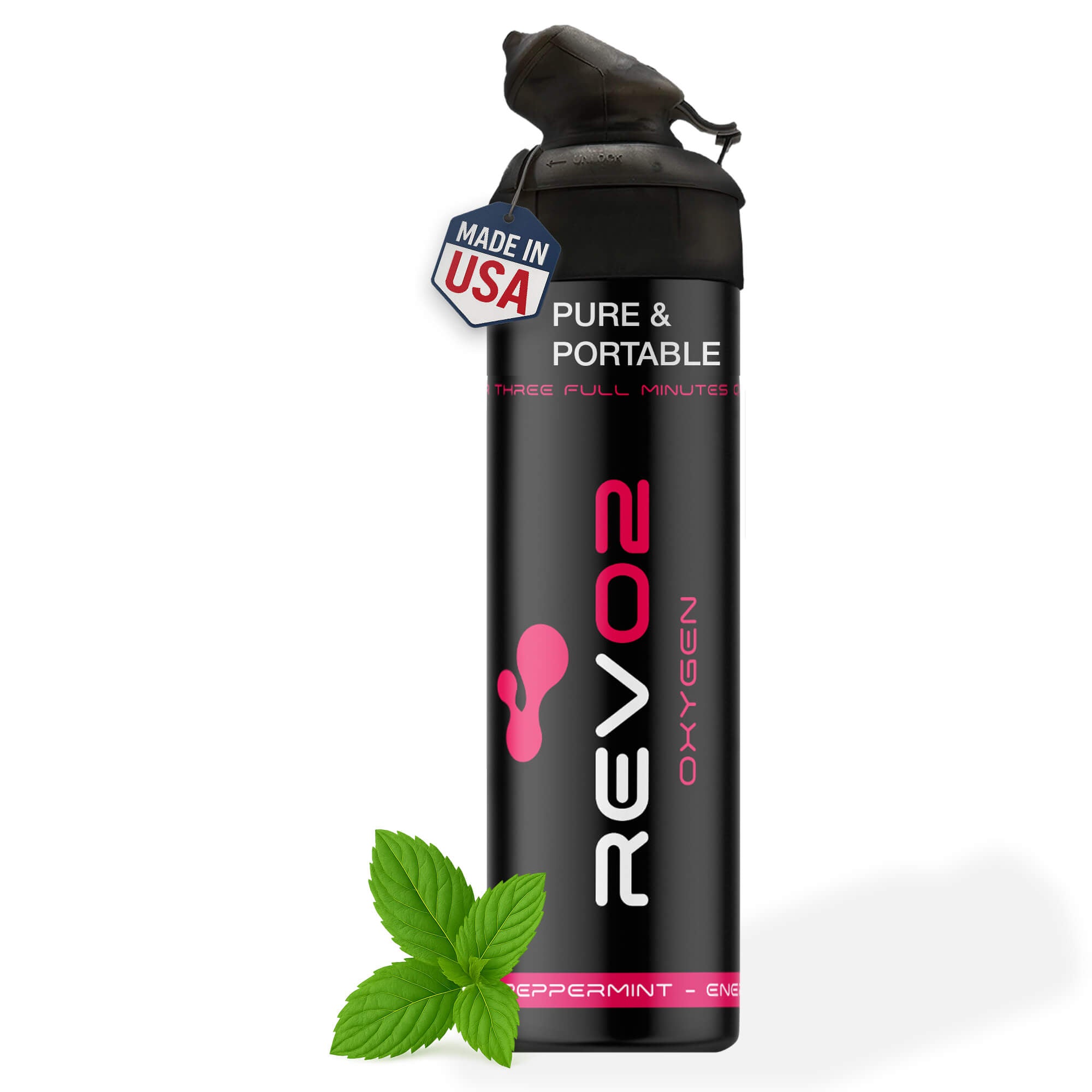
If you want a simple, mask-free option in your daypack or carry-on, REV/O2 canned oxygen comes in three blends: Peppermint for energy and endurance, Lemon for recovery, and Eucalyptus for focus and relaxation. Each is 98% pure oxygen with a zero-leak mouthpiece. You can browse the canned oxygen collection or read how to use canned oxygen safely and effectively before your trip.
For a broader look at how people use it on the trail and in the air, see our guide to supplemental oxygen for hiking, climbing and flying. Canned oxygen is a recreational wellness product, not a prescription device, so people who need medical oxygen should follow their doctor’s guidance instead.
A short Colorado altitude checklist
Print it, screenshot it or paste it in your notes app:
- Sleep at moderate elevation for the first night or two.
- Keep days one and two easy, with no hard workouts.
- Drink 2 to 3 liters of water daily and add electrolytes on active days.
- Go easy on alcohol, and eat regular meals.
- Increase sleeping altitude gradually once above 9,000 feet.
- Set a turnaround time on every hike and carry layers, food, water and navigation.
- Descend for worsening symptoms, and seek care immediately for confusion, clumsiness, chest symptoms or a wet cough.
- Check with your doctor first if you have heart, lung or brain conditions.
FAQ
How can I prevent altitude sickness when going to Colorado?
The most reliable approach is a gradual ascent. Spend your first night or two at a moderate elevation, keep activity light for 24 to 48 hours, and drink plenty of water. If you are considering medication, ask your own doctor well before you travel, since the right choice depends on your health history.
How common is altitude sickness in Colorado?
It is common enough that state health guidance gives specific advice to every visitor, and the CDC flags travelers going above 8,000 feet as being at risk. How often it affects you depends on how fast you ascend, where you sleep and your personal susceptibility, which can vary even between trips. For exact rates, ask a physician or check the CDC Yellow Book.
How long does it take to adjust to altitude in Colorado?
The CDC Yellow Book says acute acclimatization happens over roughly the first 3 to 5 days after ascent, with some adjustment continuing for weeks to months. Some people adapt faster and others slower, so use that range as a guide rather than a guarantee.
What is the best drink at high altitude?
Water is the best choice, with electrolytes added when you are active or sweating. Colorado’s guidance is 2 to 3 liters a day. Limit alcohol early in your trip, since it can add to dehydration and fatigue.
Can canned oxygen cure altitude sickness?
No. Canned oxygen is a recreational product that some people find refreshing, and it does not treat altitude illness. If symptoms are getting worse, descend and seek medical care.
Sources
- Travel to High Altitudes, CDC Travelers’ Health
- High-Altitude Travel and Altitude Illness, CDC Yellow Book
- Rocky Mountain Ready: Fun First, Safety Always, Colorado Department of Public Health and Environment
- Acute Mountain Sickness, Rocky Mountain National Park
- Altitude Sickness, Cleveland Clinic
- Heading to the mountains? Don’t let altitude sickness ruin your trip, National Geographic