
The only reliable long-term cure for driver fatigue is adequate sleep, seven to eight hours a night. When drowsiness hits mid-drive, your real options are limited: stop and nap, pair caffeine with that nap for a short alertness window, or take a planned break before exhaustion sets in. Everything else, cold air, loud music, sugar, buys you minutes, not safety.
TL;DR:
- Short-term remedies such as caffeine and a 20-minute nap are effective only if timed correctly and performed in safe, well-lit areas.
- Building habits like regular, adequate sleep before trips and avoiding driving during circadian lows significantly reduce fatigue risk.
- Immediate signs like head nodding, lane drifting, or missing exits require urgent stopping and resting rather than relying on stimulants or distractions.
- Medication use, sleep disorders, and environmental factors inside the vehicle can increase fatigue risk and should be managed proactively.
- Canned oxygen can supplement alertness during planned stops but is not a substitute for proper rest and medical treatment if necessary.
Table of Contents
- Driver Fatigue Remedies to Use Right Now if You Feel Sleepy
- Preventing Driver Fatigue Before a Long Trip Even Starts
- The Nap-Plus-Caffeine Technique, Done Right
- Medications and Sleep Disorders That Raise Your Risk
- Cabin Setup and Technology: Helpful, Not a Fix
- Warning Signs That Mean You Must Stop Now
- Where Canned Oxygen Fits as a Recovery Adjunct
- What I’d Actually Change About How Drivers Handle Fatigue
- Keep REV/O2 on Hand for the Stops You Already Know Are Coming
- Sources
- FAQ
Driver Fatigue Remedies to Use Right Now if You Feel Sleepy
If your eyelids are getting heavy at mile 200, you don’t need a debate about sleep hygiene. You need a plan for the next half hour.
- Pull over safely, immediately. Look for a rest area, well-lit gas station, or truck stop rather than the shoulder, which carries its own crash risk.
- Drink 1 to 2 cups of coffee, then nap for about 20 minutes. NHTSA points to this combination as a short-term way to restore alertness when you’re already on the road.
- Use the caffeine’s onset window to your advantage. It takes roughly 20 to 30 minutes to kick in, which lines up almost perfectly with a short nap.
- Get out of the car before you resume driving. Walk to the building, stretch your shoulders and legs, and let blood flow return to normal.
- Rotate drivers if anyone else in the vehicle is licensed and rested. A ten-minute handoff beats another hour of fighting your own eyelids.
- Call someone if you’re alone and can’t safely continue, a friend, a family member, or roadside assistance. Waiting it out in a parking lot beats gambling on the next exit.
Pro Tip: Set a phone alarm before you nap. A “quick five minutes” at a rest stop has a habit of turning into ninety without one.
Preventing Driver Fatigue Before a Long Trip Even Starts
Fatigue remedies work best when you never need the emergency version. Prevention starts the night before you leave, not somewhere past the halfway point of your drive.
- Aim for consistent adequate sleep in the days leading up to a long drive, not just the night before. NHLBI ties this range to cognitive performance, and driving is a cognitive task disguised as a physical one.
- Know your circadian low points, typically mid-afternoon and the stretch between midnight and 6 AM, and avoid scheduling driving during those windows when you have a choice.
- Build in a break at least every two hours or every 100 miles, per FMCSA guidance for commercial drivers, and treat that guidance as sound for anyone on a long haul.
- Pad your schedule with buffer time so a break feels optional in theory but easy to take in practice. Trips planned down to the minute are the ones where drivers skip the stop they actually needed.
- Share driving duties on multi-hour trips and cap how many hours any one person spends behind the wheel in a day.
- Favor light, steady snacks over heavy or sugary meals before and during a drive. A heavy lunch spikes blood sugar, then drops it, and that drop shows up as drowsiness an hour later. Nutrition guidance on stabilizing blood sugar with smarter snacks applies just as well on the road as at a desk.
The Nap-Plus-Caffeine Technique, Done Right
Timing is what separates a nap that helps from one that leaves you groggier than before you stopped. Drink your coffee, then nap immediately rather than waiting for the caffeine to hit first. A randomized study on sleep inertia found that caffeine reaches effective blood levels right around the time you wake up, which cuts the grogginess that normally follows a nap.
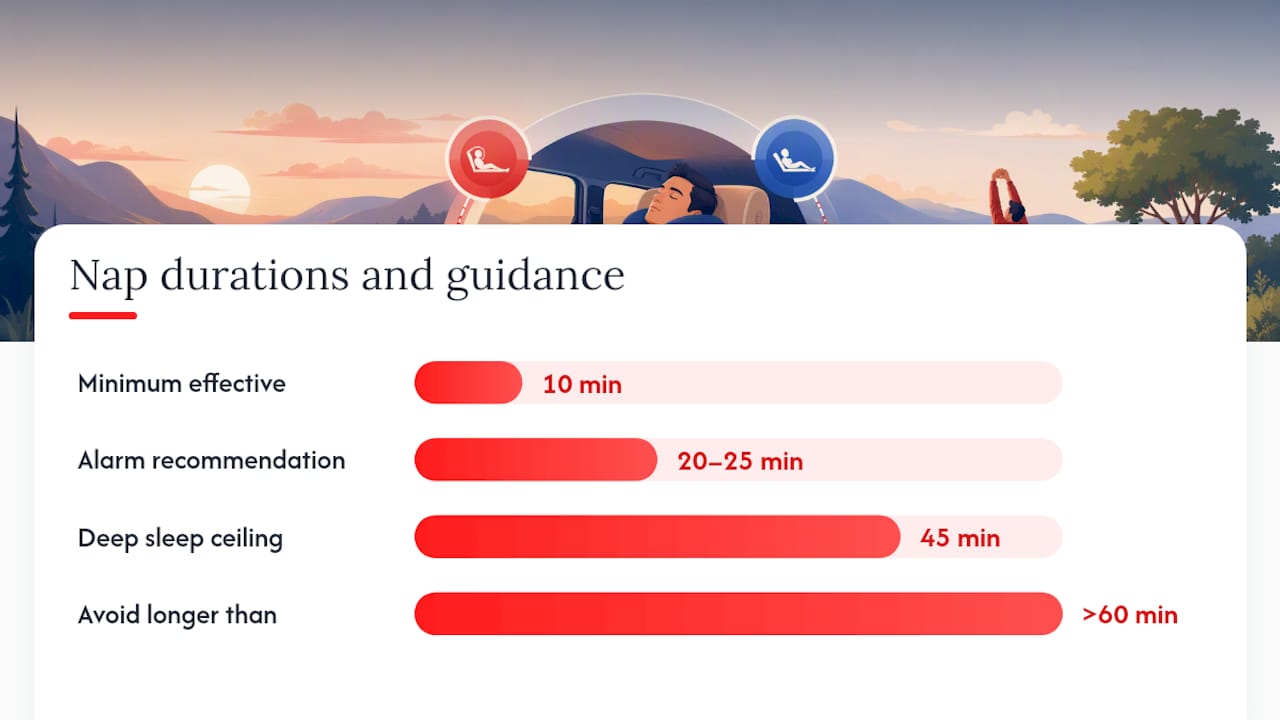
- Keep naps between 10 and 45 minutes. FMCSA notes that even a 10-minute nap restores some alertness, and 45 minutes is close to the ceiling before deep sleep sets in.
- Avoid naps longer than an hour. Waking from deep sleep produces sleep inertia, that heavy, disoriented feeling that can make you less safe to drive than before you stopped.
- Don’t expect caffeine alone, without the nap, to solve real sleep debt. It masks tiredness temporarily; it doesn’t reverse it.
Microsleeps, those brief, involuntary lapses into sleep lasting a few seconds, often strike before a driver consciously feels sleepy enough to worry. That’s the real danger of relying on stimulants instead of rest: the warning signs of microsleep can arrive after impairment has already set in, not before.
Safe power-nap checklist: find a legal, well-lit spot; lock the doors; recline the seat slightly; set an alarm for 20 to 25 minutes; and give yourself a few minutes to fully wake before driving again.
Medications and Sleep Disorders That Raise Your Risk
Some of the most dangerous fatigue isn’t caused by a long trip at all. It’s sitting in your medicine cabinet.
- Sedatives, certain antihistamines (including some allergy medications sold over the counter), and many cold or cough remedies carry drowsiness warnings. FDA guidance recommends checking the label every time, even for medicines you’ve taken before, since formulations and interactions can change the effect.
- If a label warning is unclear, ask a pharmacist before you drive, not after you’ve already started to feel it.
- Obstructive sleep apnea, marked by loud snoring, gasping during sleep, and persistent daytime sleepiness despite a full night in bed, is strongly linked to impaired driving performance. CDC research connects extended wakefulness and disrupted sleep to impairment on par with alcohol.
- If those symptoms sound familiar, a clinical evaluation matters. Treating an underlying sleep disorder often does more for your driving safety than any short-term remedy on this list.
Cabin Setup and Technology: Helpful, Not a Fix
Modern vehicles increasingly include lane-departure warnings and drowsiness-detection systems that flag erratic steering or prolonged eye closure. These are useful backups, not substitutes for rest.
- Keep the cabin cool and well-ventilated; a warm, stuffy car accelerates drowsiness.
- Adjust your seat and mirrors so you’re not straining or slouching, since physical discomfort compounds mental fatigue.
- Treat loud music, an open window, or cold air on your face as short-term nudges. They can buy a few alert minutes, but none of them substitute for sleep or a real break.
Warning Signs That Mean You Must Stop Now
Certain signs aren’t suggestions to consider a break soon. They’re hard stops.
- Repeated yawning that doesn’t ease up after a few minutes.
- Head nodding, even briefly.
- Drifting within your lane or clipping rumble strips.
- Missing an exit or losing track of the last few miles, a common memory gap tied to microsleep.
The moment you notice two or more of these, pull over. Lock the doors, nap for 15 to 20 minutes in a safe, well-lit location, and don’t resume driving on willpower alone. Once you’re stopped, hydrate, stretch, and use the caffeine-plus-nap sequence if it fits your timeline.
Where Canned Oxygen Fits as a Recovery Adjunct
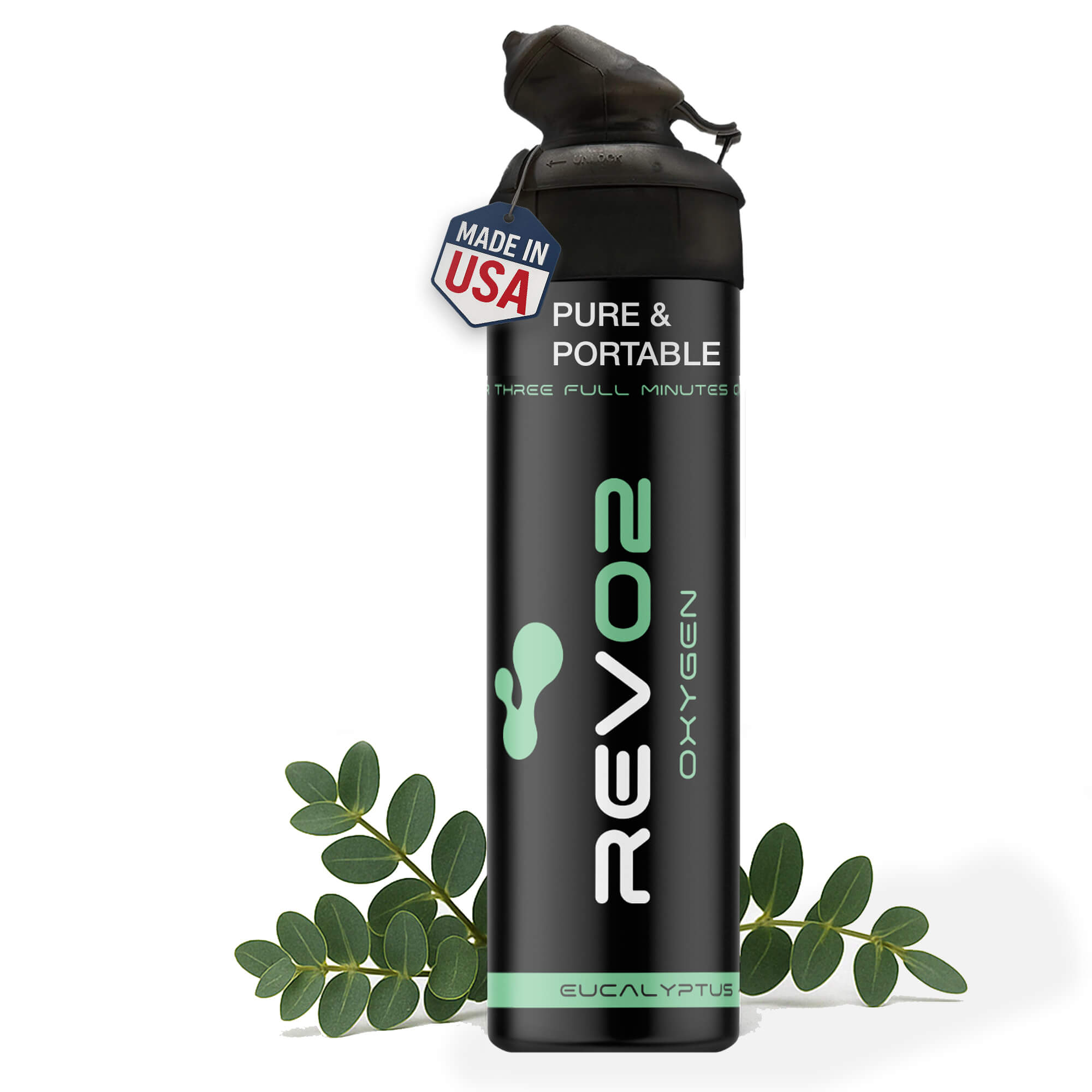
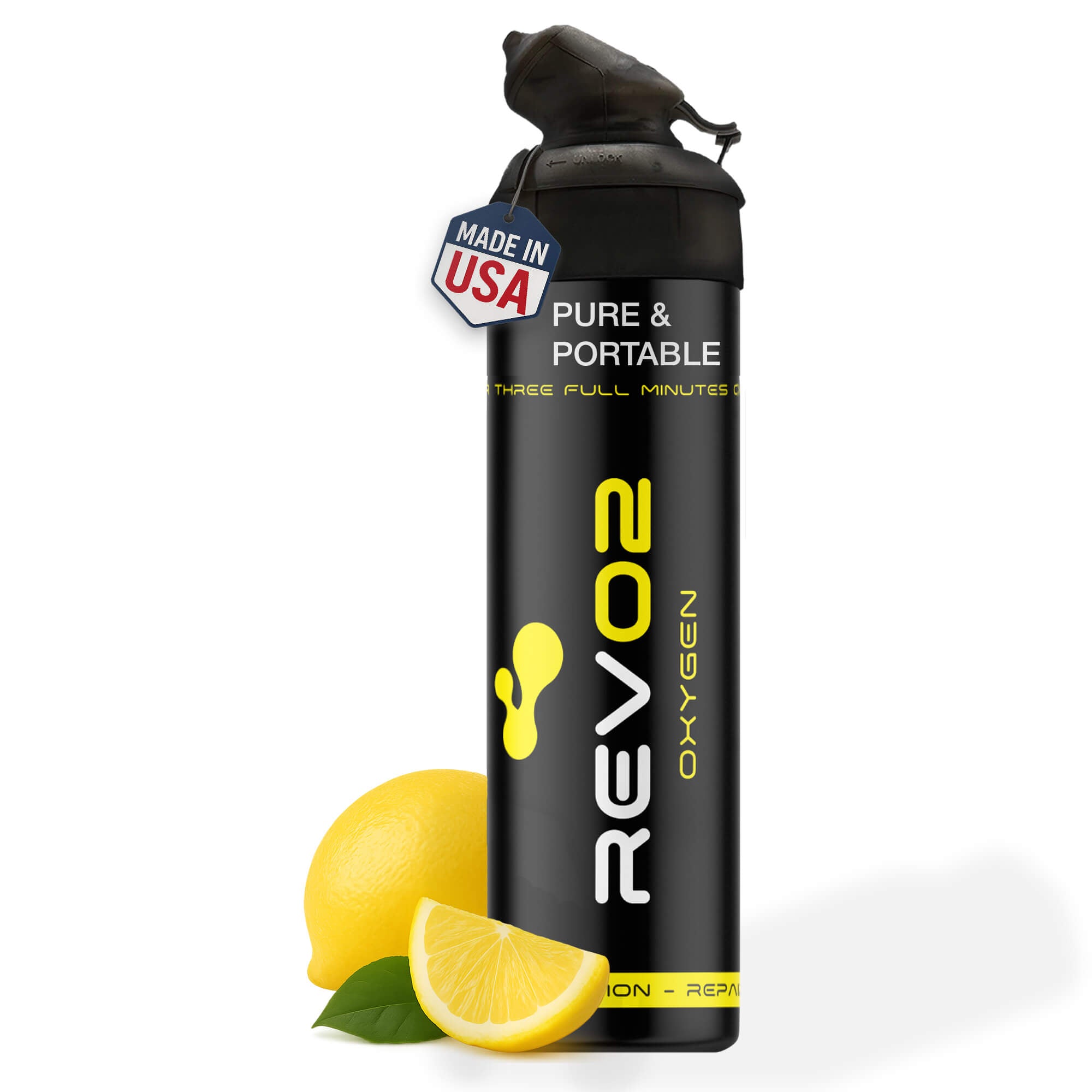
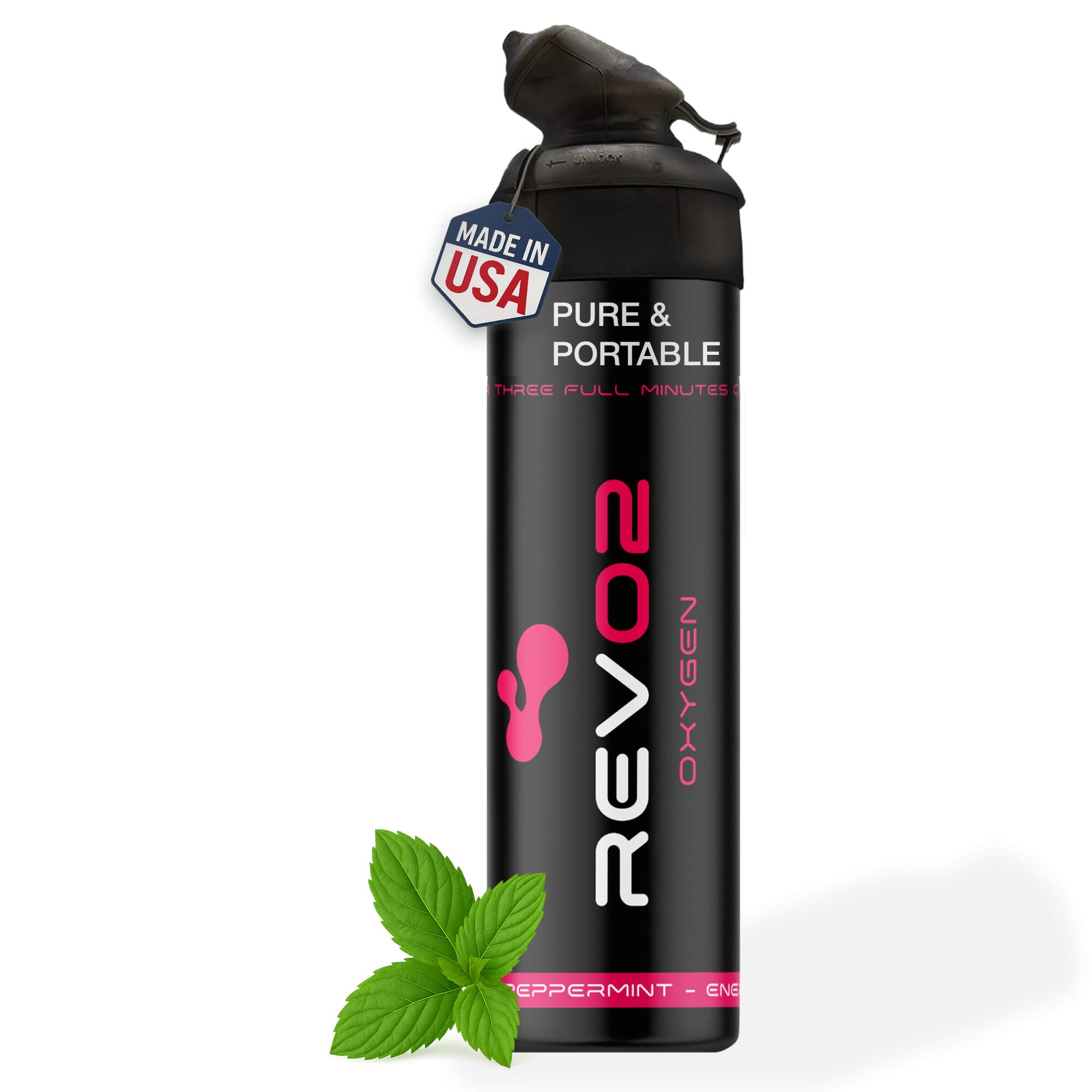
REV/O2’s canned oxygen delivers 98% pure oxygen through a zero-leak mouthpiece, built for quick use without a mask. Some drivers use it during a rest stop, alongside a nap and hydration, as part of feeling more alert and clear-headed after pulling over safely.
- It’s meant to be used after you’ve stopped, not as a reason to keep driving through fatigue.
- It isn’t a substitute for medical oxygen therapy or treatment for a diagnosed sleep disorder.
- Anyone with a chronic fatigue or breathing condition should talk to a clinician rather than relying on canned oxygen alone.
Pro Tip: Review the safe-use instructions once before your first long trip, not while parked on the shoulder trying to read fine print.
What I’d Actually Change About How Drivers Handle Fatigue
Most drivers treat fatigue as a mood to push through instead of a physical limit to plan around. The single habit worth adopting: a 20-minute brisk walk and a full glass of water before any drive longer than two hours, with a phone reminder set for your first break…
— Paul
Keep REV/O2 on Hand for the Stops You Already Know Are Coming
Sleep is the fix. REV/O2 is the tool you reach for during the stop you were already planning to take, not a reason to skip it. The canned oxygen collection includes peppermint, lemon, and eucalyptus options built around a 98% pure oxygen fill and a zero-leak mouthpiece, so you can use it at a rest area without fumbling a mask or losing product to leaks.

Pair it with the basics: pull over, nap, hydrate, then reach for a can if you want an extra edge before getting back on the road. If you’re new to the product, the how-to-use guide walks through safe handling in under two minutes. For drivers who make this kind of trip often, the peppermint multi-pack keeps a few cans in the glove box for whenever the next long haul comes up.
Sources
- Drowsy Driving | NHTSA
- CMV driving tips - Driver fatigue | FMCSA
- Caffeine and the duration of sleep inertia: a randomized study (PMCID)
- Some medicines and driving don’t mix | FDA
FAQ
What is the best remedy for driving fatigue?
Adequate sleep is the only reliable long-term remedy. For an immediate fix, NHTSA recommends pulling over, drinking 1 to 2 cups of coffee, and taking a short nap of about 20 minutes.
What are some natural remedies for fatigue?
Consistent sleep, light and steady meals instead of heavy or sugary ones, hydration, and short walking breaks all reduce fatigue without relying on stimulants. None of these replace sleep if you’re already running a significant deficit.
What are 5 signs of driver fatigue?
Repeated yawning, head nodding, drifting out of your lane, missing exits, and blanking on the last few miles driven are the clearest warning signs. Any of these means it’s time to pull over.
When is fatigue worrisome?
Fatigue becomes a medical concern when it’s persistent, unexplained by poor sleep habits alone, or paired with symptoms like loud snoring and gasping during sleep, which can point to a disorder such as obstructive sleep apnea. Talk to a clinician if daytime sleepiness keeps showing up despite consistent, adequate sleep.