
The fastest way to beat the afternoon energy crash naturally is a three-part routine: refuel with protein, rehydrate to a real target, and activate your circulation with movement or light before 3 p.m. Try a lunch with 20 to 30 grams of protein instead of a carb-heavy plate, or step outside for a five-minute walk right when your focus starts slipping. Both moves interrupt the same chain reaction: a blood-sugar dip layered on top of your body’s natural circadian dip.
If you’re reading this at 2:45 p.m. with your eyelids already fighting you, here’s what to do in the next 15 minutes:
- Drink 12 to 16 ounces of water, especially if your last glass was hours ago.
- Eat a snack that combines protein and fiber (Greek yogurt, a handful of almonds, or hummus with vegetables).
- Get up and walk for five minutes, ideally outside or near a window.
- If you’re stuck at a desk, stand and do ten minutes near natural light or a bright lamp.
Key Takeaways
Beating an afternoon energy crash naturally comes down to stabilizing blood sugar, hydrating on a real schedule, and moving or getting light exposure before the circadian dip sets in.
| Point | Details |
|---|---|
| Protein at lunch | Aim for 20 to 30 grams of protein plus vegetables and complex carbs to avoid a reactive blood-sugar drop. |
| Hydrate on schedule | Drink roughly half your body weight in fluid ounces daily, sipped through the morning. |
| Move every hour | A five-minute walk or standing break restores circulation and cuts through the circadian dip. |
| Protect your sleep | Consistently getting 7 to 9 hours of sleep is the strongest long-term prevention strategy. |
| Try a complementary boost | REV/O2’s canned oxygen offers a non-stimulant option for moments when movement or light aren’t possible. |
Table of Contents
- Why Your Energy Often Dips in the Early Afternoon
- What to Eat and Drink to Stabilize Your Energy
- How Movement and Light Re-Energize You Fast
- How Sleep and Naps Prevent Recurring Crashes
- When Afternoon Fatigue Might Be a Medical Issue
- A Two-Week Experiment to Find What Works for You
- Why I Trust This Three-Part Routine
- A Complementary Option for Moments When You Can’t Move
- Sources
Why Your Energy Often Dips in the Early Afternoon
Your body isn’t malfunctioning at 2 p.m. It’s following a schedule. The circadian system produces a natural low point in alertness typically between 1 and 3 p.m., independent of what you ate for lunch. The problem is that most people stack a second crash right on top of it.
A carb-heavy lunch spikes blood sugar, and the drop that follows amplifies the circadian dip instead of counteracting it. Add these common contributors and the slump gets worse:
- Skipping breakfast or eating one that’s low in protein
- A lunch heavy in refined carbs (white bread, pasta, sugary drinks)
- Under-hydrating in the morning
- Sitting for hours without moving
- Poor sleep the night before
- Certain medications or undiagnosed conditions
Pro Tip: Don’t skip breakfast, and don’t make it carbs alone. Pairing complex carbohydrates with protein at breakfast prevents an energy deficit that compounds by early afternoon, so the crash never gets a running start.
What to Eat and Drink to Stabilize Your Energy
Build meals around 20 to 30 grams of protein, plus fiber and healthy fat, at both breakfast and lunch. That combination slows digestion enough to prevent the rapid rise and fall in blood sugar that produces reactive fatigue.
For breakfast, reach for Greek yogurt with berries, a protein-forward oatmeal with nut butter stirred in, or eggs with whole-grain toast. All three pair complex carbs with protein, which holds off hunger and steadies energy longer than cereal or a pastry ever will.
Lunch is where most crashes actually get built. Aim for lean protein (chicken, fish, tofu, beans), a large portion of vegetables, and a modest serving of complex carbs like quinoa or brown rice. Meals heavy in simple carbs and light on protein cause blood sugar to spike and drop, which is why Mayo Clinic Press recommends roughly 20 to 30 grams of protein at lunch specifically.
Smart snacks follow the same rule: protein plus fiber, not sugar alone.
- Apple slices with peanut butter
- Cottage cheese with pineapple
- A small handful of mixed nuts
- Hummus with carrots or bell peppers
Skip the vending-machine candy bar or a giant bagel. Sugar alone tends to produce a rebound dip not long after you eat it, trading a short lift for a longer slump.
Hydration matters more than most people assume. Even mild dehydration can impair concentration and get mistaken for plain tiredness. A practical daily target is to drink roughly half your body weight in fluid ounces, sipped through the morning and finished before lunch rather than chugged all at once at 2 p.m.

Caffeine works, but timing decides whether it helps or backfires. Use it earlier in the day, and taper off by early afternoon. Caffeine consumed late in the day disrupts the sleep you need to prevent tomorrow’s crash, so a cup of green tea’s gentler lift is often a smarter afternoon choice than a second coffee.
How Movement and Light Re-Energize You Fast
A short walk does more than “wake you up.” It increases circulation, which improves oxygen delivery to your brain, and that’s precisely what a sedentary stretch behind a desk starves. Nutrition, hydration, and movement together form the most controllable set of levers you have against the 3 p.m. wall.
Try these micro-breaks, scheduled rather than left to willpower:
- A 5 to 10 minute walk, ideally outside
- Standing up for a few minutes every hour
- Simple desk stretches (neck rolls, shoulder shrugs, calf raises)
- A minute of brisk, deliberate breathing
Natural light or a bright desk lamp helps too, since dim, low-stimulus rooms make drowsiness worse.
Pro Tip: If your job keeps you chained to a phone or a desk, set a recurring alarm for :50 past each hour. That’s your cue to stand, stretch, or step to a window before the slump has a chance to settle in.

How Sleep and Naps Prevent Recurring Crashes
The most durable fix isn’t anything you do at 2 p.m. It’s what happened the night before. Consistently hitting 7 to 9 hours of quality sleep is the single most effective long-term prevention strategy, and even a one-hour deficit measurably slows next-day cognitive performance.
- Keep a consistent sleep and wake schedule, even on weekends.
- Cut caffeine by early afternoon so it clears your system before bed.
- Set a screen curfew 30 to 60 minutes before sleep.
- If you nap, keep it short: 10 to 20 minutes, done before roughly 3 p.m., recharges alertness without the grogginess a longer nap causes.
- Napping too late or too long can make nighttime sleep harder to fall into, which resets the whole cycle.
When Afternoon Fatigue Might Be a Medical Issue
Most crashes respond to diet, hydration, and movement. Some don’t, and that’s worth paying attention to. Persistent or severe sleepiness can signal an underlying condition like anemia, a thyroid disorder, or sleep apnea rather than a lifestyle gap.
Watch for these red flags:
- Daytime sleepiness severe enough to interfere with work or driving
- Loud snoring paired with daytime exhaustion
- Unexplained weight loss
- Persistent heart palpitations
- Ongoing brain fog or low mood that doesn’t lift
If any of these sound familiar, take these steps:
- Track your energy, sleep, and symptoms for two weeks.
- Bring that log to your primary care visit.
- Ask about a CBC (to rule out anemia), thyroid function tests, a sleep study referral, or a review of your current medications.
A Two-Week Experiment to Find What Works for You
Everyone’s crash has a slightly different fingerprint, so test it like a scientist instead of guessing. Run this over 14 days, changing one variable every 3 to 4 days:
- Days 1 to 3: Baseline. Change nothing, just log it.
- Days 4 to 6: Swap lunch for a 25-gram-protein meal.
- Days 7 to 9: Add a five-minute walk every hour.
- Days 10 to 12: Hit your hydration target consistently.
- Days 13 to 14: Combine whatever worked best.
Each day, log your energy on a 0 to 10 scale at 1 p.m. and 3 p.m., plus what you ate, your water intake, movement breaks, caffeine, and any naps. A change is “working” if it consistently adds two or more energy points across three afternoons. If nothing moves the needle after two honest weeks, that’s your cue to loop in a clinician rather than keep experimenting alone.
Why I Trust This Three-Part Routine
I recommend the refuel, rehydrate, and move routine because it targets the two things actually driving most afternoon crashes: blood sugar and circulation, not willpower. The two-week experiment matters just as much, since your own log will tell you more than any generic list ever could. These are natural, non-pharmacologic strategies. If fatigue stays severe or persistent despite them, get it checked out medically.
— Paul
A Complementary Option for Moments When You Can’t Move
Sometimes a walk isn’t possible. You’re mid-meeting, on a flight, or stuck at a desk with no window in sight. That’s the specific gap portable oxygen is built for, not a replacement for the food, water, and movement covered above, but a short-duration option for the moments those aren’t available.

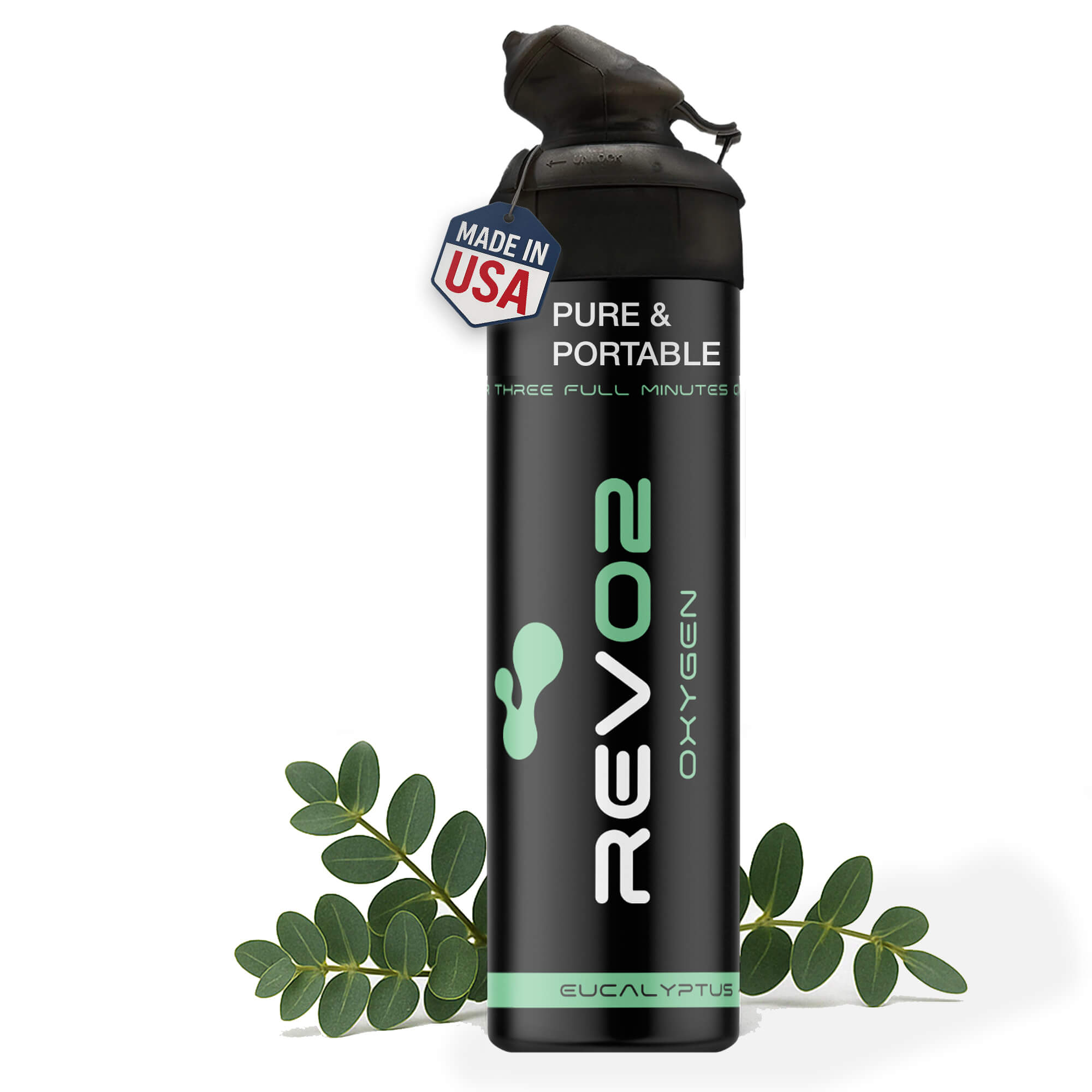
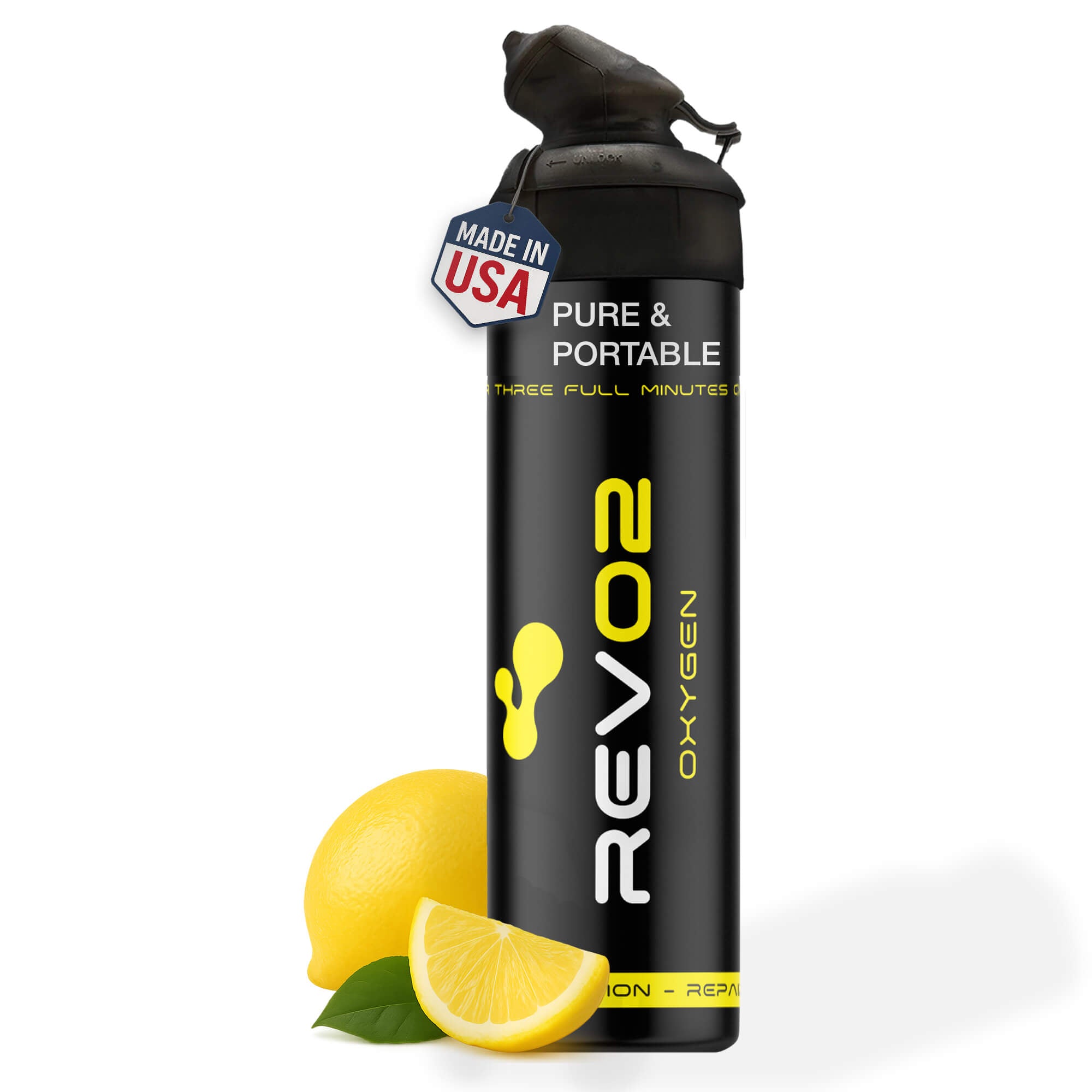
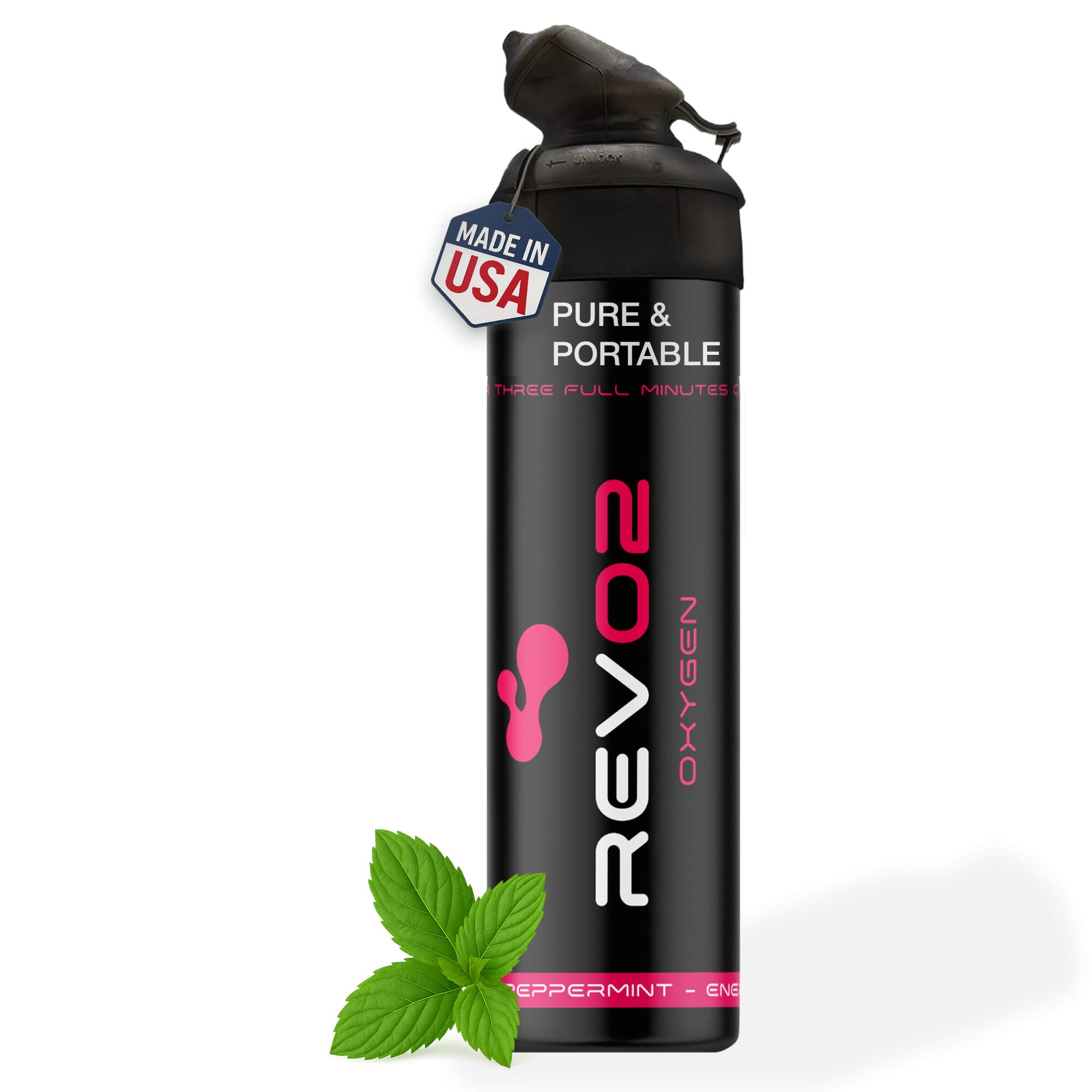
Sedentary stretches reduce how much oxygen reaches your brain, which is part of why prolonged sitting feels foggy even when you’re well fed and hydrated. REV/O2’s canned oxygen delivers 98% pure oxygen through a zero-leak mouthpiece, no mask, no setup, in flavors like peppermint, lemon, and eucalyptus, so you can use it at a desk, a gate, or a trailhead in under a minute. It’s a non-stimulant alternative, which matters if you’re already trying to cut back on late-day caffeine to protect your sleep.
This isn’t a substitute for medical-grade oxygen, and if you have an uncontrolled cardiopulmonary condition, talk to your clinician before using it. For everyone else looking for a quick, drug-free lift between meetings, check the usage and safety guide and pick a flavor to keep at your desk.
Sources
- How to prevent an afternoon crash with diet - Mayo Clinic Press
- Tips for drinking more water - Mayo Clinic Health System
- Sleep drive and your body clock - Sleep Foundation
- Beat the 3 pm Slump: Why You’re So Tired and What You Can Do About It - RWJBarnabas Health
- Overcoming Your Midafternoon Energy Slump - UR Medicine (Rochester)
These sources were chosen for their clinical grounding in nutrition, sleep science, and hydration guidance.
This article is general information, not a substitute for advice from a qualified doctor. Consult a qualified healthcare professional about your own circumstances before acting on anything here.