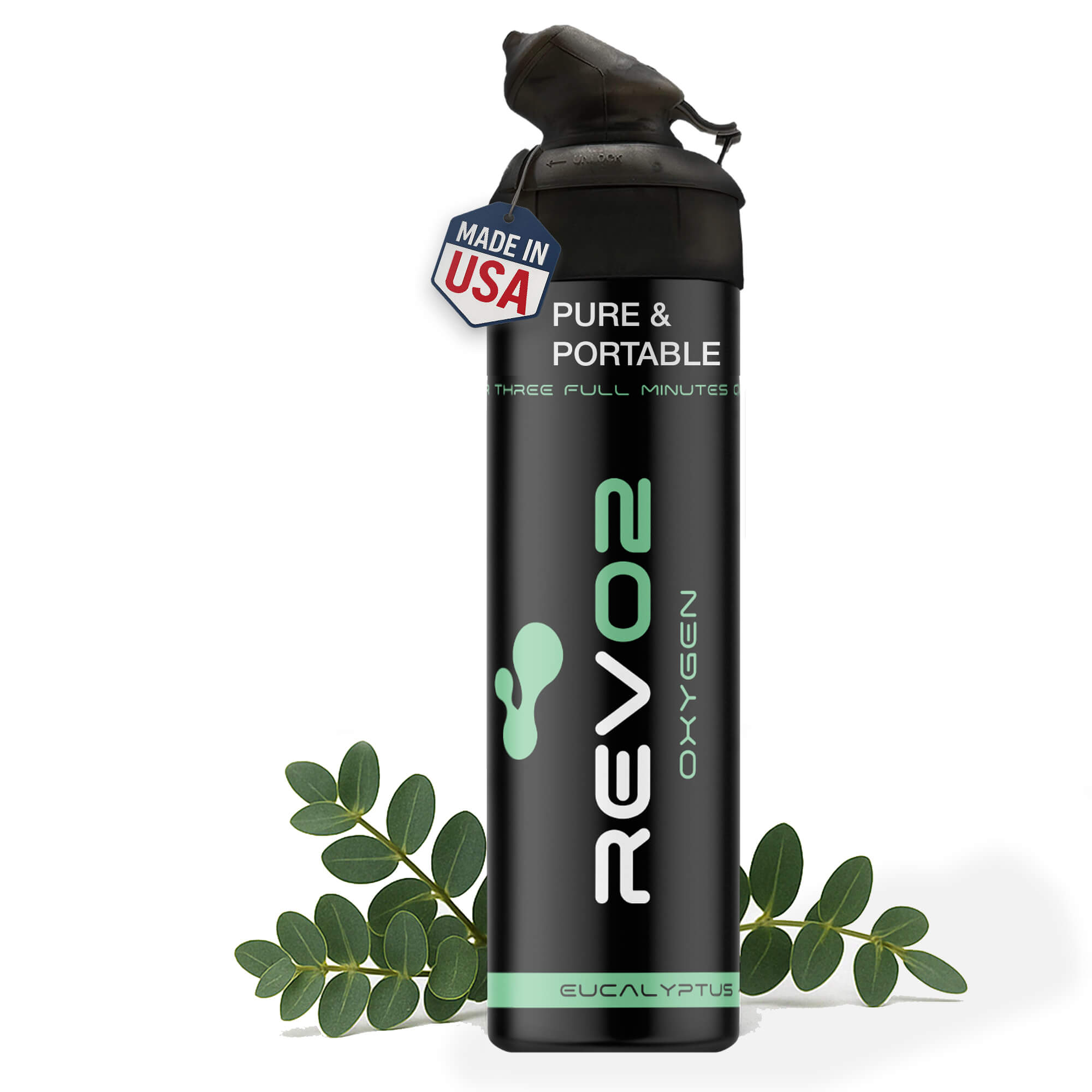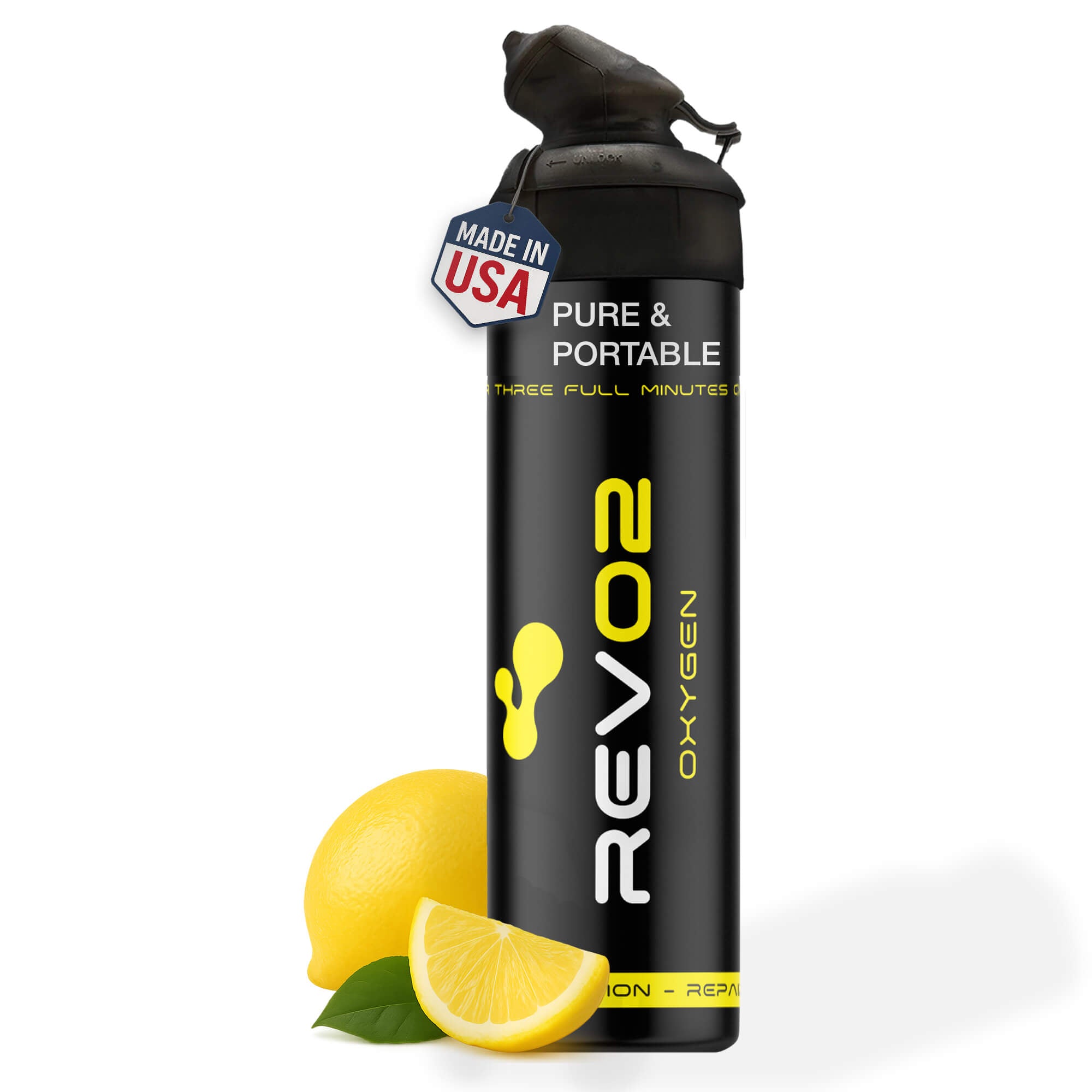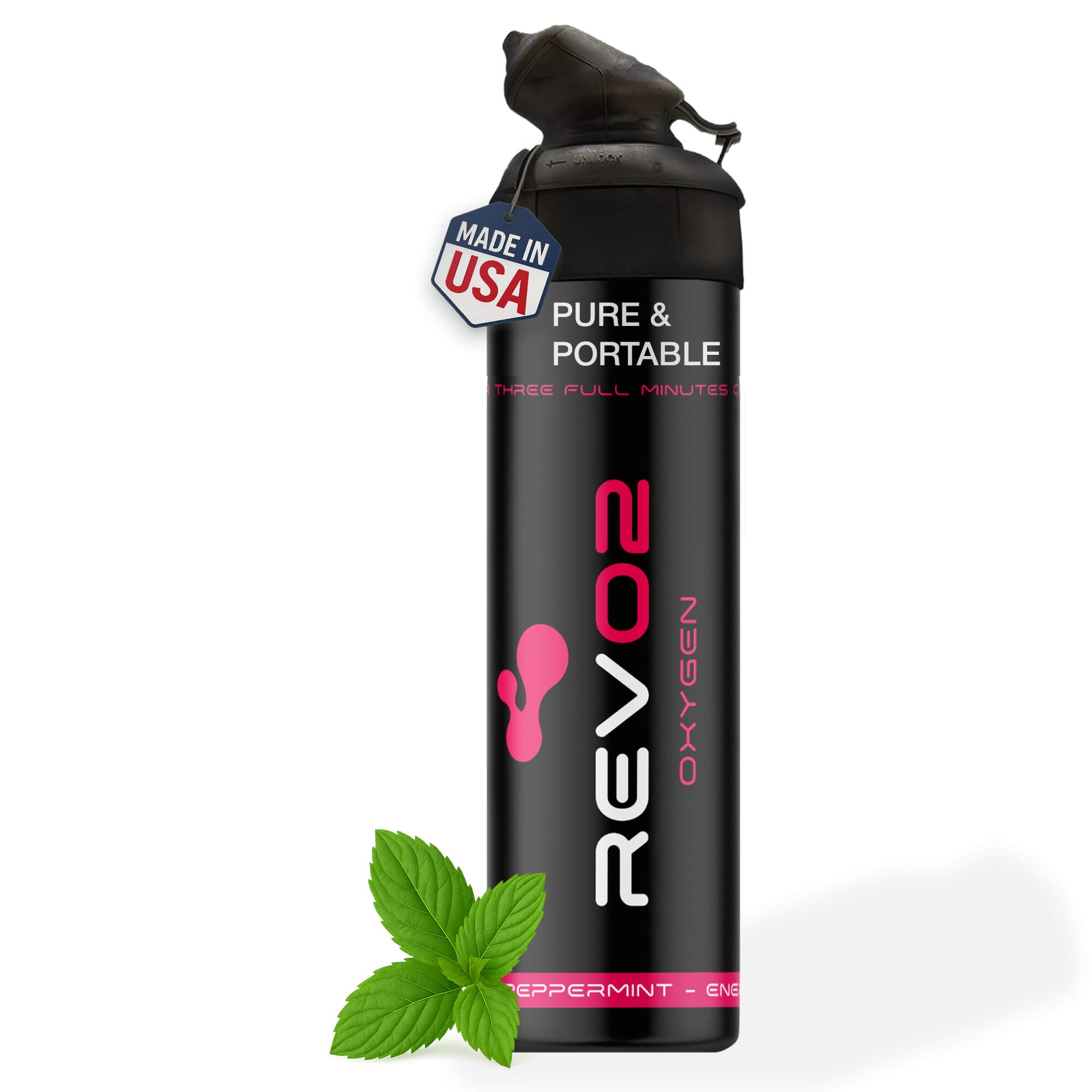

The main examples of non-prescription breathing aids fall into six categories: external nasal strips (like Breathe Right), intra-nasal dilators, oscillating positive expiratory pressure (OPEP) devices (like AEROBIKA), expiratory muscle trainers (EMT, like POWERbreathe EX1), portable OTC nebulizers, and canned/portable oxygen (like Revo2). Each targets a different goal.
- Nasal strips and external dilators — instant airflow relief for congestion and snoring
- Intra-nasal inserts — reusable internal support for nasal airway volume
- OPEP devices — mucus mobilization and airway clearance, often as a clinical adjunct
- EMT devices — progressive exhalation muscle training over weeks
- Portable OTC nebulizers — saline delivery for airway moisture and symptom support
- Canned/portable oxygen — short-term energy, recovery, altitude, and stress relief
The bottom line: nasal strips and canned oxygen act within minutes; EMT and OPEP devices build benefits over repeated sessions. None of these replace prescription care for diagnosed respiratory conditions.
Table of Contents
- What are the main categories of non-prescription breathing aids?
- How each type of breathing aid works and what the evidence says
- Safety limits and when you should see a doctor
- How to choose the right breathing aid for your goal
- How to use Revo2 canned oxygen safely and effectively
- Key Takeaways
- The case for knowing your category before you buy
- Revo2 canned oxygen: portable, pure, and ready when you need it
What are the main categories of non-prescription breathing aids?
Non-prescription respiratory devices split cleanly into two groups: mechanical airflow aids and active respiratory trainers, including mild resistance tools like the BreatheFree Resistance Necklace. Knowing which group fits your goal saves you from buying the wrong tool.
External nasal strips (Breathe Right being the most recognized example) use a spring-like adhesive band across the bridge of the nose. The band lifts the nasal sidewalls outward, widening the nasal passage. Breathe Right Extra Strength strips carry a manufacturer claim of up to a 31% improvement in nasal airflow, with up to 12 hours of continuous relief. They are disposable, widely available at pharmacies, and positioned for instant congestion relief and snore reduction.
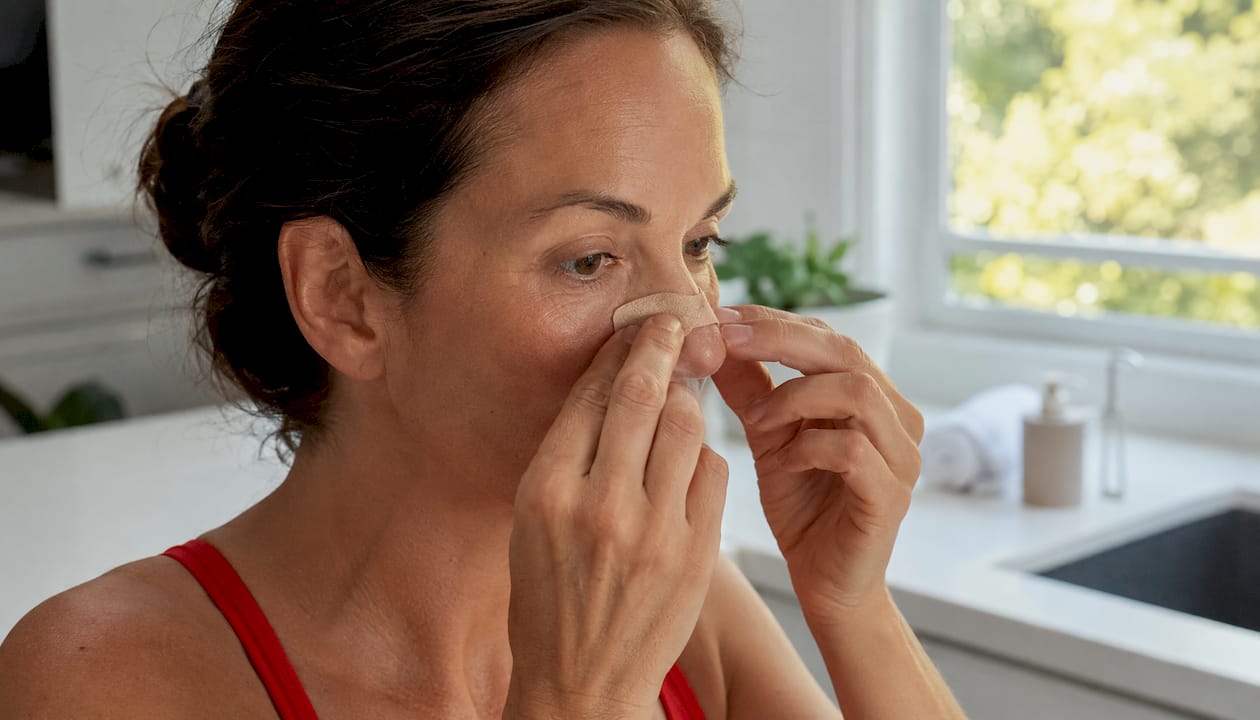
Intra-nasal dilators sit inside the nostrils rather than on the skin. Flexible nasal flares expand the nasal passages from within, and some manufacturers claim airway volume increases of up to 58%. Because they are reusable and adhesive-free, they avoid the skin irritation that can come with prolonged strip use. They are latex-free, BPA-free, and drug-free.
OPEP devices (Oscillating Positive Expiratory Pressure) work through a different mechanism entirely. The user exhales against resistance, and the device produces oscillating back-pressure that vibrates the airway walls. This loosens and mobilizes mucus so it can be cleared more easily. The AEROBIKA OPEP device is a well-known drug-free example used as an adjunct for airway clearance in conditions like COPD and bronchiectasis. The POWERbreathe Shaker Deluxe operates on the same principle, with specified minimum operating pressures of 8–11 cmH₂O depending on the model.
Expiratory muscle trainers (EMT) add progressive resistance to the act of breathing out. The POWERbreathe EX1 uses a pressure-threshold method with adjustable resistance levels, building exhalation muscle strength over weeks of consistent training. This is active engagement, not passive relief.
Portable OTC nebulizers convert liquid into an inhalable mist. Many mesh and ultrasonic models are sold over the counter for saline delivery, which helps loosen mucus and keep airways moist. The device itself requires no prescription; the medications used to treat asthma or COPD do.
Canned/portable oxygen delivers a concentrated oxygen supply on demand. Revo2 offers 98% pure oxygen in portable cans with a zero-leak mouthpiece, available in peppermint, lemon, and eucalyptus blends. It is designed for athletes, hikers, stressed workers, and anyone needing a short-term respiratory lift.
Pro Tip: If you are unsure which category fits your situation, start by identifying your primary goal: immediate relief, progressive training, or short-term energy support. That single question narrows the field from six categories to one or two.
How each type of breathing aid works and what the evidence says
| Category | Primary Purpose | Onset | Reusability | OTC Status | Evidence Level |
|---|---|---|---|---|---|
| External nasal strips | Congestion/snoring relief | Immediate | Disposable | Yes | Manufacturer claims; consumer use |
| Intra-nasal dilators | Nasal airway volume | Immediate | Reusable | Yes | Manufacturer claims |
| OPEP devices | Mucus clearance | Cumulative | Reusable | Yes | Clinical adjunct use |
| EMT devices | Exhalation muscle strength | Weeks | Reusable | Yes | Progressive training data |
| Portable OTC nebulizers | Saline/airway moisture | Immediate | Reusable | Device yes; meds no | Clinical for prescription use |
| Canned oxygen | Energy/altitude/recovery | Minutes | Single-use can | Yes | Manufacturer/brand data |
Nasal strips and intra-nasal dilators act the moment you put them on. The physical widening of the nasal passage is mechanical, not chemical, so there is no waiting for a drug to absorb. Breathe Right’s manufacturer claim of up to a 31% increase in nasal airflow, and some intra-nasal dilators advertise airway volume increases of up to 58%. Clinical sources identify them as add-on therapies for mucus clearance in COPD and chronic bronchitis, not standalone treatments. The oscillation loosens secretions that standard coughing cannot shift.
EMT devices like the POWERbreathe EX1 build exhalation strength through progressive resistance, similar to how weight training builds muscle. Benefits accumulate over weeks, not sessions. This makes them a poor choice if you need relief today, but a strong choice if you want to improve respiratory function over time.
OTC portable nebulizers are appropriate for saline delivery. Buying a nebulizer over the counter does not give you legal or clinical access to prescription medications. Asthma and COPD medications require a clinician’s prescription even when the device itself is consumer-purchased.
Canned oxygen from Revo2 delivers supplemental oxygen within minutes. Users typically report improved energy, mental clarity, and reduced fatigue during altitude exposure or high-stress periods. The effect is short-term by design.
Safety limits and when you should see a doctor
Over-the-counter availability does not mean these tools are appropriate for every situation. Prescription systems like CPAP, BiPAP, and noninvasive positive pressure ventilation exist because some respiratory conditions require medically calibrated pressure support that no consumer product can replicate.
Common side effects by category:
- Nasal strips: skin irritation or redness after prolonged adhesive use
- Intra-nasal dilators: mild discomfort during initial fitting; rare pressure sensitivity
- OPEP devices: dizziness if used incorrectly or for too long in a single session
- EMT devices: temporary respiratory muscle fatigue, especially early in training
- OTC nebulizers: airway irritation if the device is not cleaned properly between uses
- Canned oxygen: lightheadedness or dizziness if inhaled too rapidly or continuously
Seek immediate medical care if you experience:
- Persistent breathlessness that does not resolve with rest
- Chest pain or tightness during or after use
- Severe wheezing or a sudden change in breathing pattern
- Confusion, bluish lips, or fingertips (possible signs of low oxygen saturation)
Safety note: If you have a diagnosed lung condition, heart disease, or any serious medical condition, consult a clinician before using any breathing aid, including canned oxygen. These products support healthy respiratory function; they do not treat hypoxia or respiratory failure.
How to choose the right breathing aid for your goal
Start with your primary goal, then work through these questions before buying.
Decision checklist:
- Do I need instant airflow relief, or am I building long-term respiratory strength?
- Will I use this daily, occasionally, or only in specific situations (altitude, exercise, sleep)?
- Do I have any skin allergies that would rule out adhesive strips?
- Do I have a diagnosed respiratory or cardiac condition?
- Do I need a device compatible with nebulized therapy, or is supplemental oxygen what I need?
Who should consult a clinician first:
- Anyone with COPD, asthma, bronchiectasis, or chronic lung disease
- Anyone who has had recent thoracic or nasal surgery
- Anyone with an active respiratory infection and worsening symptoms
- Seniors with cardiovascular conditions considering canned oxygen
For mobility-friendly breathing support and comfort-focused options, reusable intra-nasal dilators and canned oxygen tend to score highest because they require no adhesives, no resistance training, and no cleaning protocols.
Pro Tip: Athletes and hikers who want both immediate and progressive support often pair canned oxygen for acute use with an EMT device for longer-term training performance. The two tools address different physiological needs and do not overlap.
How to use Revo2 canned oxygen safely and effectively
Revo2’s portable canned oxygen is designed for short-term supplemental use, not continuous oxygen therapy. Used correctly, it delivers a concentrated oxygen supply within minutes.
Step-by-step for first-time users:
- Remove the cap and attach the zero-leak mouthpiece securely.
- Place the mouthpiece to your lips and press the valve to release oxygen.
- Inhale slowly and steadily for 1–3 seconds per breath.
- Take 3–5 breaths, then pause and assess how you feel.
- Repeat as needed, but avoid prolonged continuous inhalation in a single session.
Revo2 cans contain 98% pure oxygen and are available in peppermint, lemon, and eucalyptus blends. The zero-leak mouthpiece prevents oxygen loss between breaths, which matters at altitude when every molecule counts. For energy and recovery, most users notice a difference within two to five minutes.
Recommended frequency by use case:
- Energy boost or stress relief: 1–2 sessions as needed, typically 3–5 breaths per session
- Altitude acclimatization support: use before or during ascent; repeat when symptoms of altitude fatigue appear
- Post-exercise recovery: 1 session immediately after intense activity
Safety reminders: Keep cans away from open flames and heat sources. Do not use in enclosed spaces with poor ventilation. If you have severe cardiopulmonary disease, get clinician clearance before use.
For seniors, the pure oxygen can for seniors page covers age-specific guidance and dosing considerations.
Key Takeaways
Non-prescription breathing aids span six distinct categories, each matched to a specific goal — and choosing the wrong one means either waiting weeks for results you needed today, or buying a training device when you needed instant relief.
| Point | Details |
|---|---|
| Instant vs. cumulative | Nasal strips, intra-nasal dilators, and canned oxygen act within minutes; EMT and OPEP devices build benefits over weeks. |
| OTC device ≠ OTC medication | Portable nebulizers are sold without a prescription, but the medications used in them for asthma or COPD remain prescription-only. |
| OPEP devices have clinical backing | AEROBIKA and similar OPEP devices are recognized clinical adjuncts for mucus clearance in COPD and bronchiectasis. |
| Red flags require medical care | Persistent breathlessness, chest pain, or signs of low oxygen saturation need a clinician, not an OTC breathing aid. |
| Revo2 for portable oxygen needs | Revo2’s 98% pure canned oxygen with a zero-leak mouthpiece is a ready-to-use option for energy, altitude, recovery, and stress relief. |
The case for knowing your category before you buy
Most people shopping for breathing aids land on the wrong product because the category labels are confusing. “Breathing aid” covers everything from a $10 adhesive strip to a clinical OPEP device to a can of 98% pure oxygen. They share a category name and almost nothing else.
The distinction that matters most is active versus passive. Nasal strips and canned oxygen do the work for you the moment you use them. EMT and OPEP devices require you to do the work, repeatedly, over time. Neither approach is better in the abstract. They serve genuinely different needs, and conflating them leads to frustration on both ends: someone expecting instant relief from an EMT device, or someone hoping a nasal strip will strengthen their respiratory muscles.
There is also a tendency to underestimate canned oxygen as a wellness tool because it sounds clinical. It is not. For altitude exposure, post-workout recovery, or a midday energy reset, a portable oxygen can is one of the most direct and immediate options available without a prescription. The key is understanding what it can and cannot do. It supports short-term respiratory function. It does not treat chronic hypoxemia. That boundary is not a limitation of the product; it is just an honest description of what supplemental oxygen is for.
Revo2 canned oxygen: portable, pure, and ready when you need it
If you have read this far, you already know that most over-the-counter breathing tools require either patience (EMT training), a specific condition (OPEP for mucus clearance), or a device setup (nebulizers). Revo2 is the option that requires none of those things.
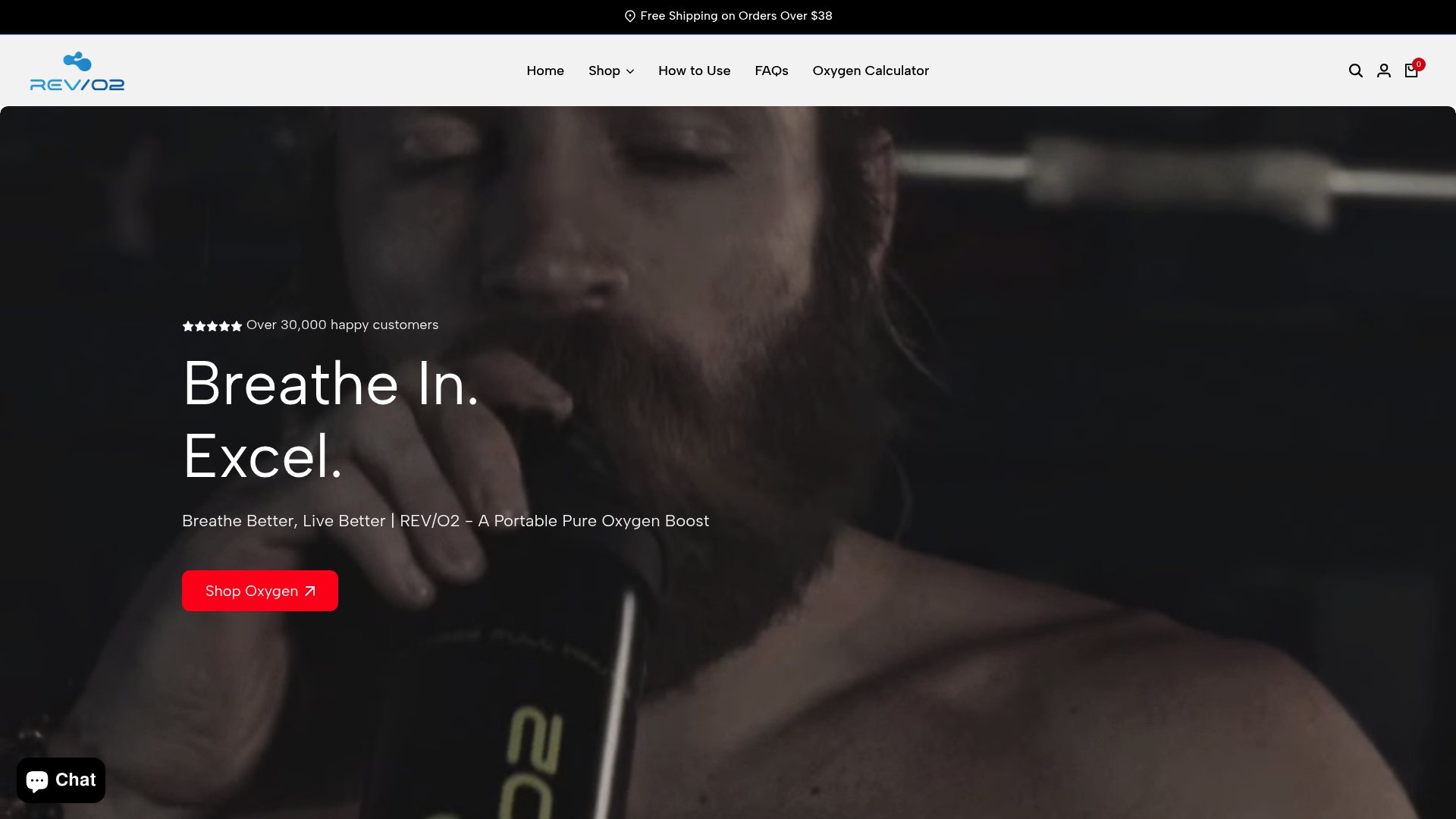
Revo2 delivers 98% pure canned oxygen in a portable can with a zero-leak mouthpiece, available in peppermint, lemon, and eucalyptus. No setup, no prescription, no waiting. Athletes use it for recovery. Hikers use it at altitude. Stressed workers use it for a midday reset. Seniors use it for gentle daily support.
For a practical walkthrough of safe use, the how-to-use guide covers dosing, timing, and safety considerations in plain language. If you want to stock up, the Essentials Bundle gives you three cans at a better per-unit value.
This article is general information, not medical advice. If you have a respiratory or cardiac condition, confirm whether any breathing aid is appropriate for your situation with a qualified healthcare professional.