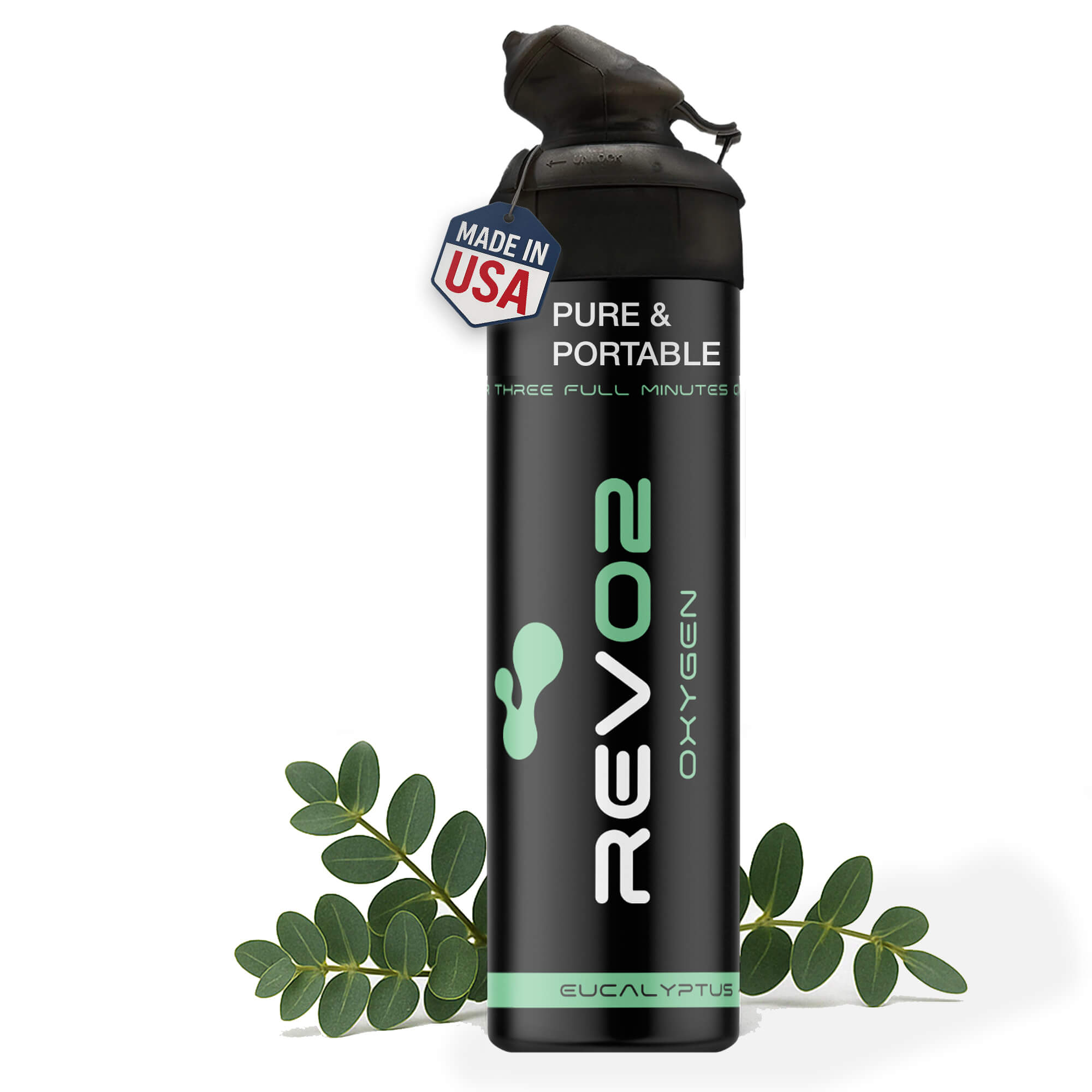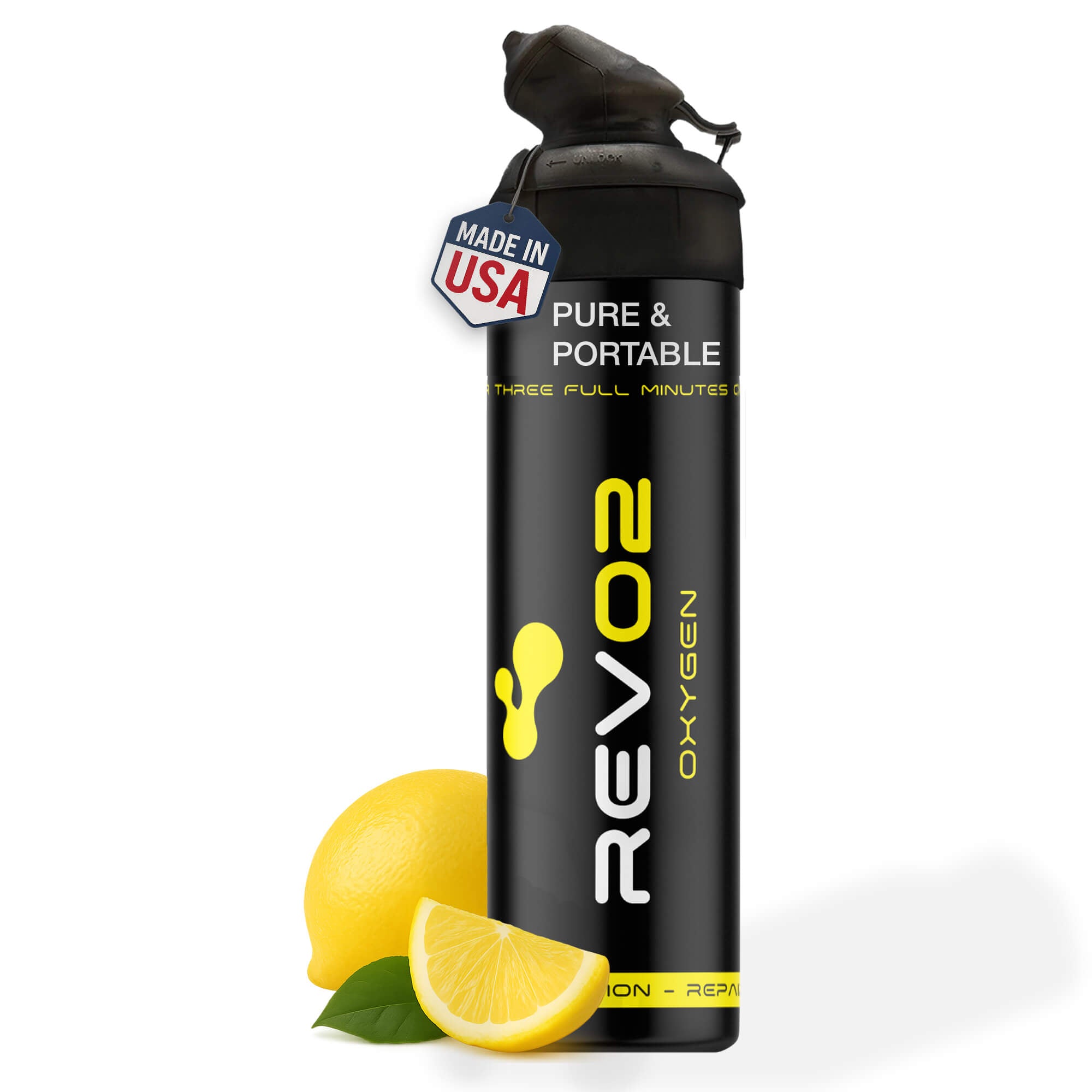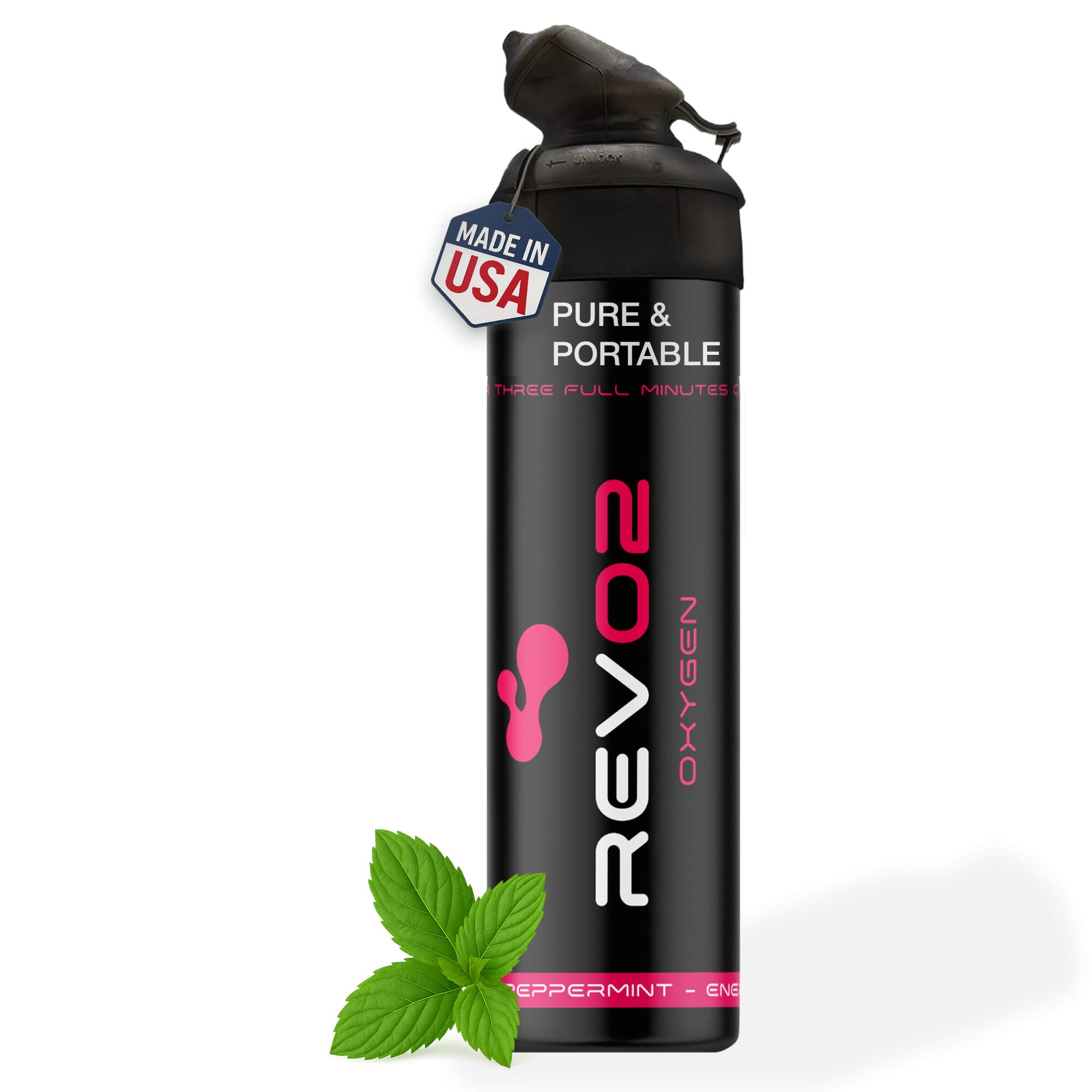

Revo2’s canned oxygen, delivered through a zero-leak mouthpiece, is a ready option for this kind of fast relief. Set your expectations correctly: this is a short-term, recreational tool, not a medical treatment, and it will not fix chronic anxiety or lung disease.
Before you reach for a can, know this:
- Relief typically arrives within a minute and tapers off within 5 to 15 minutes.
- People with COPD, asthma flare-ups, or other lung conditions should talk to a doctor before relying on over-the-counter oxygen.
- Canned oxygen works best as a situational tool, not a daily anxiety plan.
Key Takeaways
| Point | Details |
|---|---|
| Effect is real but brief | Relief typically starts within a minute and fades within 5 to 15 minutes, since oxygen isn’t stored in the body. |
| Best for situational need | Altitude exposure, post-exertion fatigue, and travel stress show the clearest benefit; normal resting oxygenation shows less. |
| Safety comes first | Skip canned oxygen if you have COPD or severe lung disease, and never substitute it for prescribed medical oxygen. |
| Dose conservation matters | A large canister offers up to roughly 200 one-second doses, so short spaced bursts stretch a can further than long pulls. |
| Revo2 fits the recreational category | Revo2’s 98% pure, zero-leak mouthpiece cans are built for fast, on-the-go relief, not as a replacement for prescribed therapy. |
Table of Contents
- Why Breathing Better Fast Can Reduce Anxiety and Boost Alertness
- Who Notices the Biggest Difference From Canned Oxygen?
- Is Canned Oxygen Safe, and What Are Its Limits?
- How Do You Use a Canned Oxygen Canister for Fast Relief?
- What Sizes and Doses Do Portable Oxygen Cans Actually Offer?
- What’s the Fastest Way to Use Canned Oxygen for Anxiety or Focus?
- Where Does Canned Oxygen Fit Compared to Medical Oxygen?
- What Canned Oxygen Products Are Worth Buying?
- How Much Does Canned Oxygen Really Cost Over Time?
- How Do You Choose the Right Portable Oxygen Can?
- How Soon Can You Actually Start Using Canned Oxygen?
- Canned Oxygen vs. Inhalers, Sprays, and Other Fast Relief Options
- Revo2’s Take: Treat Canned Oxygen as a Tool, Not a Cure
- Ready to Try REV/O2? Here’s How to Pick Your Can
- Sources
Why Breathing Better Fast Can Reduce Anxiety and Boost Alertness
Anxiety and mental fog often share a physical trigger: your blood isn’t carrying quite as much oxygen as your brain wants in that moment. Stress tightens breathing, altitude thins the air, and fatigue slows your oxygen uptake. Inhaling concentrated oxygen raises your fraction of inspired oxygen, known clinically as FiO2, which can briefly push blood oxygen saturation (SpO2) and cerebral oxygenation higher than your baseline. That state is called hyperoxia, and it’s the mechanism behind why a few deep pulls from a canister can feel like someone turned the lights back on.
The research backs a real, if brief, effect. A randomized clinical trial on oxygen supplementation at altitude found that emergency responders who breathed extra oxygen at simulated high altitude held onto sharper sustained attention and faster reaction times than those who didn’t. Separate work in exercise physiology has shown that hyperoxia increases maximal power output, endurance, and muscle oxygenation during exertion, which helps explain why athletes reach for oxygen after a hard effort.
Here’s the catch: the benefit doesn’t stick around.
- Onset is fast, usually within 30 to 90 seconds of inhalation.
- Decay is just as fast. Extra oxygen doesn’t get stored in your body for later use.
- The effect is strongest when you’re actually oxygen-deprived (altitude, exertion, poor ventilation) and weaker when you’re already breathing normally at sea level.
Who Notices the Biggest Difference From Canned Oxygen?
Not everyone will feel the same jolt from a canister, and knowing where you fall on that spectrum saves you from disappointment. If your body is genuinely working with less oxygen than it needs, the effect tends to be noticeable. If you’re already saturated near 98% at rest, you’re mostly buying a psychological reset rather than a measurable physiological one.
People most likely to feel a real difference include:
- Hikers and skiers dealing with acute altitude sickness or breathlessness above 8,000 feet.
- Athletes in the minutes right after intense exertion, when muscle and cerebral oxygen debt is highest.
- Travelers who land jet-lagged and fatigued before a meeting or event and need alertness fast.
- Workers in stuffy, poorly ventilated offices who feel a stress spike build through the afternoon.
People less likely to notice much beyond a calming ritual: anyone with already-normal resting oxygenation looking for a lasting energy fix. If you’re relaxed, well-rested, and breathing easily, a can of oxygen won’t outperform a short walk. But if you feel sudden breathlessness at elevation or a wall of fatigue mid-task, that’s exactly the cue to try one.
Is Canned Oxygen Safe, and What Are Its Limits?
Canned oxygen is generally safe for healthy adults when used as directed, according to poison-center guidance from Missouri Poison Center, but a few groups need to skip it. If you have COPD, severe asthma, or another chronic lung condition, extra oxygen can interact badly with your baseline breathing patterns. Talk to a doctor first. If you’re facing a genuine medical emergency such as chest pain, severe shortness of breath, or confusion, call for emergency help rather than reaching for a canister.
Follow these safety basics:
- Use short bursts, not continuous inhalation for extended periods. Prolonged, heavy overuse carries a theoretical oxygen toxicity risk, even though poison centers note this is unlikely with normal recreational use.
- Store canisters away from open flame or high heat. Pressurized oxygen canisters are not flammable themselves, but oxygen supports combustion, so keep them clear of lighters, stoves, and direct sun in a hot car.
- Check airline and travel packaging rules before flying with a canister, since pressurized containers face carrier-specific restrictions.
- Never substitute canned oxygen for prescribed medical oxygen therapy. If a doctor has you on continuous oxygen via a nasal cannula or mask, canned oxygen is not a replacement.
Pro Tip: A zero-leak mouthpiece design, like the one Revo2 uses, delivers more of each breath into your lungs instead of losing it around a loose seal, which matters when you’re working with a limited number of doses per can.
The core limit to remember: a mouthpiece delivering one-second to three-second bursts is not equivalent to continuous medical oxygen through a mask. It’s a recreational tool for short-term relief, not a substitute for prescribed therapy.
How Do You Use a Canned Oxygen Canister for Fast Relief?
Here’s the exact routine to follow when you feel anxiety spike or your focus start to slip:
- Check and position. Read the canister label for warnings, sit or stand upright to open your airway fully, and remove the mouthpiece cap.
- Inhale in short, controlled bursts. Take one to three doses of one to three seconds each, pausing between each to let the oxygen circulate before taking another.
- Ground yourself for 30 to 60 seconds. Close your eyes, slow your exhale, and let your shoulders drop. Pairing the oxygen hit with a brief moment of stillness tends to amplify how calm you feel afterward.
- Repeat only if needed. Wait a few minutes before taking additional doses rather than emptying the can in one sitting.
Budget your doses wisely. Larger canisters can provide up to roughly 200 one-second doses, which works out to about three minutes of total oxygen flow. That sounds like a lot until you realize a habit of long, continuous pulls burns through a can in a handful of uses. Short, spaced bursts stretch a single canister across many more moments of need.
What Sizes and Doses Do Portable Oxygen Cans Actually Offer?
Portable canned oxygen isn’t one-size-fits-all. Canisters generally range from about 3 liters up to 10 liters of compressed 98% pure oxygen, and the size you pick should match how often you plan to use it.
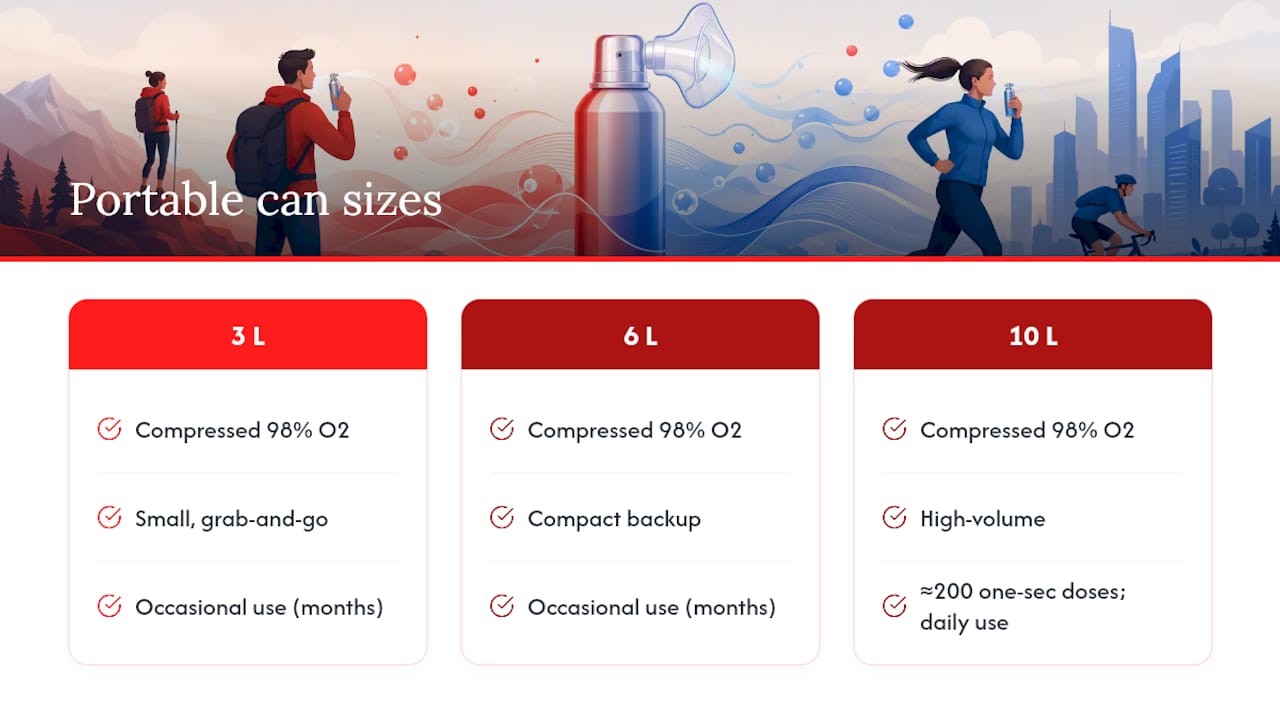
Smaller 3 to 6 liter cans are built for occasional, grab-and-go use: a hike where breathlessness might hit, a single stressful travel day, or a gym bag backup. Larger 10 liter cans, like Revo2’s peppermint formula, are designed for people who reach for oxygen regularly, whether that’s frequent altitude trips, daily post-workout recovery, or ongoing stress management at a demanding job.
Dose count matters more than liter size when you’re deciding what to buy. A high-volume canister advertising close to 200 one-second doses gives you roughly three minutes of cumulative oxygen flow, spread across dozens of individual uses rather than one long session. That’s the practical difference between a can that lasts a week of light use and one that’s empty after a single weekend trip.
A useful way to think about it: match canister size to frequency, not to how dramatic you expect the effect to feel. Someone using oxygen for occasional altitude symptoms can get by on a small can for months. Someone using it daily for recovery or midday energy dips will burn through a small can in a week and should size up.
What’s the Fastest Way to Use Canned Oxygen for Anxiety or Focus?
When anxiety spikes or your attention starts slipping, speed matters more than ritual. The fastest effective approach strips the process down to three moves: breathe, ground, reassess.
First, take your dose immediately rather than waiting for symptoms to build. A one to two second inhalation, repeated once or twice with a short pause between, delivers the oxygen your body needs without wasting the canister on an overlong pull. Second, pair that breath with a brief physical reset: close your eyes, drop your shoulders, and slow your exhale for about 30 to 60 seconds. This isn’t a breathing exercise in itself, it’s a short grounding pause that lets the oxygen boost register mentally instead of getting lost in continued stress signals. Third, check in with yourself. If the edge has softened and focus feels sharper, you’re done. If not, wait a few minutes before a second round rather than stacking doses back to back.

This sequence works because acute anxiety and attention lapses are often self-reinforcing: shallow breathing keeps oxygen slightly low, which keeps the nervous system on alert, which keeps breathing shallow. A quick oxygen boost interrupts that loop directly instead of asking you to talk yourself out of it. For readers who want a companion grounding technique to pair with the canister, a short stress-relief breathing routine can extend the calming window a bit further.
Where Does Canned Oxygen Fit Compared to Medical Oxygen?
Canned oxygen and prescription medical oxygen solve different problems, and confusing the two is the single biggest misuse risk in this category. Medical oxygen is prescribed by a doctor, delivered continuously through a mask or nasal cannula, and dosed to a specific flow rate for a diagnosed condition such as COPD or chronic hypoxemia. It’s regulated, monitored, and meant to correct a persistent medical deficit.
Recreational canned oxygen is none of that. It’s an over-the-counter product delivered in short bursts through a handheld mouthpiece, intended for healthy people dealing with transient situations: altitude exposure, post-exertion fatigue, travel stress, or an afternoon focus dip. The NCOA’s overview of OTC versus prescription oxygen draws this line clearly: OTC canisters are not designed or approved to treat a diagnosed respiratory condition.
The practical rule is simple. If you have a doctor-diagnosed condition requiring oxygen therapy, canned oxygen is not a substitute, and skipping prescribed treatment in favor of a recreational can is genuinely risky. If you’re a healthy person dealing with a short-term situational need, a canister is a reasonable, low-risk tool built exactly for that gap. Revo2 positions itself firmly in that second category: a performance and recovery product for athletes, travelers, and stressed workers, not a replacement for anything a pulmonologist prescribes.
What Canned Oxygen Products Are Worth Buying?
The recreational oxygen market has grown crowded, and not every canister on a shelf offers the same purity, delivery, or value. A few factors separate a genuinely useful product from a novelty item: oxygen purity percentage, mouthpiece design, and dose count relative to price.
Revo2’s canned oxygen line stands out on the delivery side. Its zero-leak mouthpiece is built to reduce the air lost around a loose seal, a common flaw in basic open-spout canisters where a meaningful portion of each puff never actually reaches your lungs. Revo2 also offers 98% pure oxygen across flavor blends, peppermint, lemon, and eucalyptus, which makes repeated use more pleasant than the flavorless cans some competitors sell.
On pricing, single cans are positioned for occasional or first-time buyers who want to test the effect before committing further, while multi-packs bring the per-can cost down for people using oxygen weekly. Sport-specific formulations, like the oxygen can built for athletes, lean into recovery use, while hiking-focused cans emphasize altitude support.
The trade-off across this category is consistent: single cans cost more per dose but require no upfront commitment, while bundles reward frequent users with a lower per-use price at the cost of a larger initial purchase.
How Much Does Canned Oxygen Really Cost Over Time?
The sticker price on a single canister only tells part of the story. What matters for your budget is cost per dose, not cost per can, since a 10 liter canister with roughly 200 one-second doses works out to pennies per burst even though the upfront price looks higher than a smaller can.
Frequent users, daily athletes, regular travelers, or anyone using oxygen as part of a stress-management routine, should think in terms of monthly consumption rather than one-time purchases. If you’re taking two or three doses a day, a single small canister might last only a week or two, which makes multi-packs or subscription bundles the more economical path. Occasional users, someone who only reaches for a can during altitude trips or the occasional high-stress travel day, can reasonably stick with single cans purchased as needed.
The replacement math is simple: track how many doses you use per week, divide that into your canister’s advertised dose count, and you’ll know roughly how often you need to reorder. Buying in bundles typically lowers the per-can price compared to one-off purchases, which matters if canned oxygen becomes a regular part of your routine rather than an occasional backup. Factor shipping costs into repeat orders too, since a subscription or multi-pack often reduces per-shipment fees compared to frequent single-can reorders.
How Do You Choose the Right Portable Oxygen Can?
Not every canister on the market is built the same way, and a few smart questions before you buy will save you money and disappointment. Start with purity: look for a clearly labeled 98% oxygen concentration rather than a vague “oxygen-enriched air” claim, since diluted blends deliver less of the effect you’re paying for.
Ask these questions before purchasing:
- How many doses does this can actually provide? Compare advertised dose counts, not just liter volume, since delivery efficiency varies.
- Does the mouthpiece prevent leakage? A zero-leak design gets more of each burst into your lungs instead of losing it to a loose seal.
- What’s the cost per dose, not just per can? Divide the price by the advertised dose count to compare products fairly.
- Is the flavor or scent tolerable for repeated use? If you’re using it daily, an unpleasant taste becomes a real barrier to consistency.
- Does the brand disclose safety guidance clearly? A reputable seller should point you toward contraindications and dosing limits, not just marketing claims.
Buyers who skip these questions often end up with a canister that empties faster than expected or delivers less oxygen per breath than the label implies.
How Soon Can You Actually Start Using Canned Oxygen?
If you’re buying canned oxygen for an upcoming trip, event, or high-stress week, timing your purchase matters. Most direct-to-consumer oxygen sellers, Revo2 included, ship within a few business days of order placement, and the product itself requires no waiting period, prescription, or setup once it arrives. There’s no activation step and no training required beyond reading the label.
That said, don’t wait until the morning of a flight or hike to place your order. Standard shipping windows mean a domestic order typically arrives within a week, though buyers heading to a specific altitude trip or event should order at least seven to ten days ahead to build in a buffer for carrier delays. If you need something the same day, check whether local pharmacies or outdoor retailers stock canned oxygen on shelves, since availability varies by region and store.
Once the can is in hand, there’s zero learning curve. Unbox it, check the label for any warnings relevant to your health situation, and it’s ready for its first burst. That immediacy is part of the appeal: unlike a supplement that needs weeks to show effect, or a prescription that requires a doctor visit, canned oxygen is designed to deliver its effect the moment you use it.
Canned Oxygen vs. Inhalers, Sprays, and Other Fast Relief Options
Canned oxygen isn’t the only product marketed for quick anxiety relief or an alertness boost, and it’s worth knowing how it stacks up against the alternatives you’ll see nearby on a shelf or search results page.
Menthol or aromatherapy inhalers rely largely on scent and the psychological association of a cooling sensation with calm, without changing your actual oxygen levels. They’re inexpensive and pocket-sized, but the physiological backing is thin. Calming sprays, often lavender or similar botanical blends, work on a similar principle: pleasant scent, minimal measurable physiological shift.
Canned oxygen operates differently because it changes something measurable, your inspired oxygen fraction, even if the change is short-lived for someone with already-normal saturation. Research on hyperoxia during exertion and cognitive performance at altitude gives it a physiological basis that a scented inhaler simply doesn’t have. That doesn’t make it a stronger tool in every situation. If your anxiety has no physical oxygen component at all, a grounding technique or a non-prescription breathing aid might serve you just as well at a lower cost.
The honest comparison: canned oxygen wins when altitude, exertion, or genuine breathlessness is part of the picture. Scent-based tools compete mainly on convenience and price when the trigger is purely psychological.
Revo2’s Take: Treat Canned Oxygen as a Tool, Not a Cure
The biggest mistake people make with canned oxygen is expecting it to behave like medicine. It doesn’t, and it was never designed to. The honest read of the evidence is narrower and more useful: short bursts of concentrated oxygen genuinely help in specific, physically demanding moments, altitude exposure, post-exertion recovery, acute fatigue, but the effect for someone already breathing comfortably at sea level leans more psychological than measurable.
That’s not a knock against the product. A calming ritual paired with a real, if modest, physiological nudge is still a legitimate tool, especially when it’s this fast and this portable. Where conventional marketing in this category falls short is honesty about duration. Benefits fade within minutes, and no canister replaces prescribed treatment for a diagnosed lung condition.
What should you prioritize first? Match the situation to the tool. Save your doses for moments when your body is actually working against low oxygen: elevation, exertion, or a genuine energy crash, rather than treating every stressful afternoon as an excuse to empty a can. Used that way, canned oxygen earns its place in a gym bag or travel kit.
— Paul
Ready to Try REV/O2? Here’s How to Pick Your Can
If you’ve read this far, you already know when canned oxygen makes sense: altitude symptoms, post-workout fatigue, a stressful travel day, or an afternoon focus slump. The next step is picking the right size for how often you’ll actually use it.
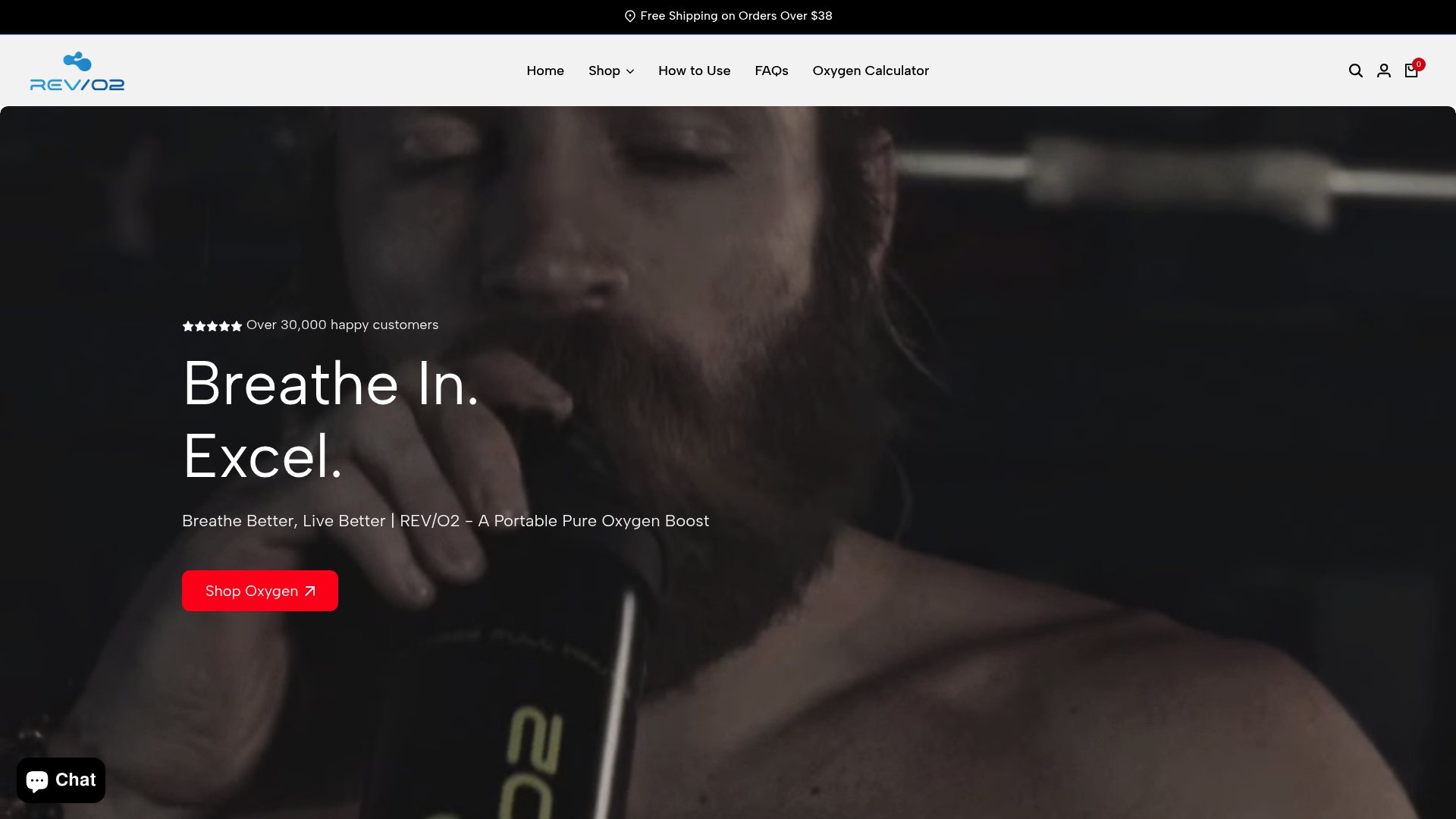
First-time buyers who want to test the effect before committing should start with a single can from the Revo2 canned oxygen collection, which includes peppermint, lemon, and eucalyptus options at 98% purity with the zero-leak mouthpiece built into every canister. If you already know oxygen fits into your weekly routine, whether that’s regular altitude trips, daily post-workout recovery, or managing stress at a demanding job, a multi-pack bundle brings the cost per dose down significantly compared to buying single cans one at a time. Before your first use, walk through the full usage and safety guide so you know the correct burst length and dosing cadence for your situation. Order today and your first can arrives within days, ready the moment you need a fast reset.
Sources
- Over-the-Counter Oxygen vs. Prescription Oxygen: What’s Safe and What Works
- Effect of oxygen supplementation on cognitive performance among HEMS providers after acute exposure to altitude: the HEMS II randomized clinical trial
- Canned Oxygen: Is it good for you? - Missouri Poison Center