
Oxygen availability drops significantly as you gain elevation, and your body’s ability to absorb it becomes the single biggest factor in your trekking performance. The physiological challenge is called hypoxemia, a reduction in blood oxygen saturation that causes fatigue, headaches, and slowed thinking. Knowing the practical ways to boost oxygen intake while trekking means the difference between reaching your summit and turning back early. Techniques like pressure breathing, rhythmic step cadence, and iron optimization weeks before departure all work together to keep your oxygen saturation where it needs to be.
What are the most effective breathing techniques to increase oxygen intake while trekking?
Breathing technique is the fastest lever you can pull to improve oxygen uptake at altitude. Most trekkers breathe too shallowly without realizing it, and that single habit is responsible for more early fatigue than any other factor.
Pressure breathing
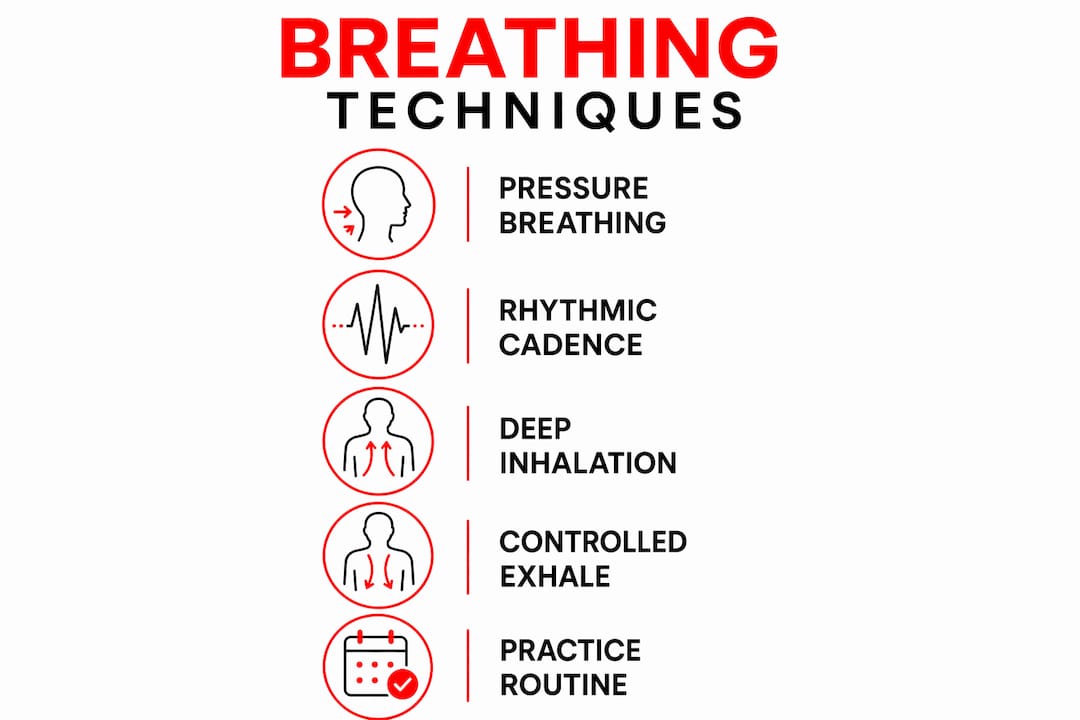
Pressure breathing is the most effective method above 4,000 meters. It works by creating positive end-expiratory pressure, which keeps your alveoli open longer and improves gas exchange. The technique is simple: inhale deeply through your nose or mouth, then exhale forcefully through pursed lips as if blowing out a candle. That resistance on the exhale is what maintains alveolar pressure and drives more oxygen into your bloodstream.
Rhythmic step cadence
Linking your breath to your steps gives your respiratory system a reliable rhythm. Inhale for 2–3 steps, then exhale for 2–3 steps. This cadence prevents the erratic, shallow breathing that sets in when you push too hard on a steep section. Consistent rhythm also signals your cardiovascular system to stabilize, which reduces the sensation of breathlessness.
Common breathing mistakes
The most damaging mistake trekkers make is incomplete exhalation. CO2 trapping from incomplete exhales is the primary cause of breathlessness on the trail. When CO2 builds up, your body panics and takes rapid, shallow breaths, which makes the problem worse. A single conscious, forceful exhale resets your breath depth and breaks that cycle immediately.
Nasal breathing warms and filters incoming air effectively on flat or easy terrain. On steep climbs, nasal breathing alone cannot meet your oxygen demand. Switch to mouth breathing or a combined mouth-and-nose pattern when your heart rate climbs significantly.
- Inhale deeply through your nose on easier terrain to warm and filter the air.
- Switch to mouth or combined breathing on steep ascents where demand spikes.
- Exhale fully and forcefully using pursed lips to clear CO2 and trigger a deeper next breath.
- Match your breath count to your steps: 2–3 steps per inhale, 2–3 steps per exhale.
- If breathlessness spikes, stop, take one full forced exhale, and reset your rhythm before continuing.
Pro Tip: Practice pressure breathing at home before your trip. Spend five minutes each morning exhaling through pursed lips during a light walk. Your respiratory muscles will adapt, and the technique will feel natural on the mountain.
How does hydration and nutrition impact oxygen delivery during trekking?
Hydration directly affects how efficiently your blood carries oxygen to working muscles. Dehydration thickens your blood, and thicker blood is harder for your heart to pump. That means less oxygen reaches your muscles per heartbeat, which accelerates fatigue at altitude.
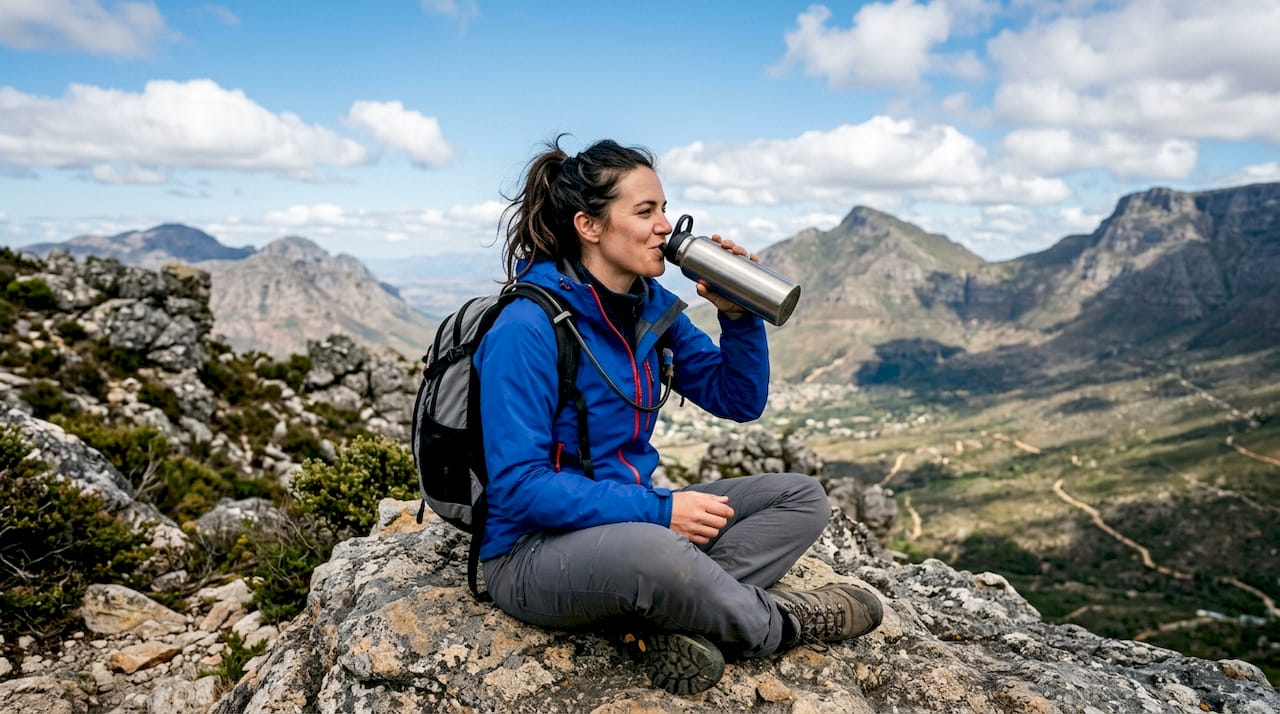
Above 3,000–4,000 meters, drinking 3–4 liters of water daily is the standard recommendation to maintain blood fluidity. This is not optional. Altitude medications like acetazolamide increase fluid loss, making conscious hydration even more critical for trekkers using them.
Key nutrition and hydration principles for altitude trekking:
- Prioritize carbohydrates. Carbohydrates require less oxygen per unit of energy than fats or proteins. At altitude, where every molecule of oxygen counts, a carbohydrate-heavy diet directly improves your endurance and energy efficiency.
- Optimize iron levels before departure. Iron is the raw material for red blood cell production. Low iron means fewer red blood cells, which means less oxygen transport capacity regardless of how well you breathe.
- Avoid alcohol and excessive caffeine. Both accelerate dehydration and disrupt sleep quality, which is already compromised at altitude.
- Eat small, frequent meals. Digestion competes for blood flow. Large meals divert circulation away from your muscles and lungs at exactly the wrong time.
Pro Tip: Check your urine color throughout the day. Pale urine signals good hydration; dark yellow means you need to drink immediately. This is the simplest and most reliable hydration check available on the trail.
What pacing and movement strategies help maintain oxygen efficiency on the trek?
Pacing is where most trekkers lose their oxygen battle, not on the steepest section of the day, but in the first 20 minutes of the morning. Starting too fast creates an oxygen debt that your body spends hours trying to repay.
Your cardiovascular system needs time to stabilize oxygen delivery after you begin moving. Starting slow allows this stabilization to happen naturally, preserving your aerobic capacity for the hours ahead. Trekkers who start at a controlled pace consistently outlast those who push hard early.
- Start every day at a pace where you can hold a full conversation. If you cannot speak in complete sentences, you are moving too fast.
- Shorten your stride on steep sections. Smaller steps reduce the oxygen demand per footfall and keep your heart rate in a sustainable range.
- Rest before you feel tired. Stopping briefly every 30–45 minutes prevents the deep fatigue that forces long, unplanned breaks.
- Keep your torso upright. Hunching forward compresses your diaphragm and reduces lung volume. An open chest posture gives your lungs room to expand fully with each breath.
- Never hold your breath on difficult steps. Breath-holding is a reflex on technical terrain, but it causes immediate CO2 buildup. Breathe through every move, no matter how demanding.
Linking your rhythmic breathing to step cadence is the most practical way to maintain oxygen efficiency across a full trekking day. When your breath and steps fall into a natural rhythm, your body stops fighting itself and settles into a sustainable aerobic state.
What preparatory steps can you take before trekking to optimize oxygen intake?
Physiological preparation before your trip determines your ceiling at altitude. You cannot fully replicate high-altitude conditions at sea level, but you can arrive with a body that is primed to adapt faster.
- Optimize iron levels 6–8 weeks before departure. Iron is critical for red blood cell production, the primary adaptation your body makes to hypoxia. Get a blood panel, address any deficiency with a physician, and allow enough time for your red blood cell count to respond before you fly.
- Build aerobic fitness with consistent cardio training. Running, cycling, and swimming improve cardiovascular efficiency and increase your lung’s tidal volume. Sea-level aerobic training builds cardiovascular efficiency but cannot replicate the red blood cell adaptations that come from actual altitude exposure. Train hard, but set realistic expectations.
- Use simulated altitude exposure if available. Altitude tents and hypoxic training facilities expose your body to reduced oxygen before the trip. This triggers early red blood cell production and gives your respiratory system a preview of the conditions ahead.
- Plan a gradual ascent profile. The standard acclimatization rule is to gain no more than 300–500 meters of sleeping elevation per day above 3,000 meters. Rushing this process is the most common cause of acute mountain sickness.
- Discuss acetazolamide with your physician. This medication accelerates acclimatization for some trekkers. It is not appropriate for everyone and requires a prescription. A physician familiar with altitude medicine is the right person to make that call.
| Preparation step | Timing before departure | Primary benefit |
|---|---|---|
| Iron level check and correction | 6–8 weeks | Maximizes red blood cell production |
| Aerobic fitness training | 8–12 weeks | Builds cardiovascular efficiency |
| Simulated altitude exposure | 4–6 weeks | Triggers early hypoxic adaptation |
| Acclimatization schedule planning | 2–4 weeks | Reduces acute mountain sickness risk |
| Medication consultation | 2–4 weeks | Supports acclimatization where appropriate |
Use the altitude oxygen calculator from Revo2 to understand exactly how much oxygen saturation drops at your target elevation. That number makes the preparation steps above feel concrete rather than theoretical.
What role do portable supplemental oxygen products play in supporting oxygen intake during trekking?
Portable supplemental oxygen provides a temporary boost to blood oxygen saturation during periods of high exertion or recovery. It does not replace acclimatization, but it fills a specific and useful gap.
Canned oxygen delivers a temporary oxygen boost that can relieve acute breathlessness, support recovery between demanding sections, and help trekkers manage symptoms of mild altitude fatigue. Think of it as a recovery tool rather than a performance drug.
Situations where portable oxygen is commonly used on trek:
- After a steep, demanding climb when your oxygen saturation has dropped and you need to recover before continuing.
- During rest stops at high camp to accelerate recovery and improve sleep quality at elevation.
- When early symptoms of altitude sickness appear, such as headache or dizziness, as a short-term measure while descending or resting.
- For trekkers with lower baseline fitness who experience greater drops in oxygen saturation during exertion.
The key limitation is duration. A single canister provides minutes of supplemental oxygen, not hours. Trekkers who rely on canned oxygen as a substitute for proper pacing, hydration, and acclimatization will find it insufficient. Used correctly as part of a broader strategy, oxygen for hiking supports the physiological work your body is already doing, rather than replacing it.
Key takeaways
Effective oxygen intake at altitude requires combining proper breathing mechanics, consistent hydration, controlled pacing, and physiological preparation well before your trek begins.
| Point | Details |
|---|---|
| Master pressure breathing | Exhale through pursed lips above 4,000m to keep alveoli open and improve gas exchange. |
| Hydrate at altitude | Drink 3–4 liters of water daily to maintain blood fluidity and support oxygen transport. |
| Start slow every day | A slow start prevents oxygen debt and preserves aerobic capacity for the full day. |
| Optimize iron 6–8 weeks out | Correcting iron deficiency before departure maximizes red blood cell production at altitude. |
| Use supplemental oxygen strategically | Canned oxygen aids recovery and manages acute fatigue but does not replace acclimatization. |
What I’ve learned from watching trekkers get this wrong
Most trekkers arrive at altitude having trained hard and packed carefully. They have the right gear, the right itinerary, and the wrong breathing habits. The single most consistent mistake I see is the focus on effort over efficiency. Trekkers push harder when they feel breathless, which makes breathlessness worse. The correct response is always to slow down, exhale fully, and reset.
The breathing insight that surprises people most is the exhale. Everyone focuses on getting more air in. The real problem is almost always that stale air is not getting out. One deliberate, forceful exhale on a hard section will do more for your oxygen levels than any amount of gasping for air.
Hydration is the other area where trekkers consistently underperform. You do not feel thirsty at altitude the way you do in heat. Your respiratory rate is higher, you are losing moisture with every breath, and the dry mountain air accelerates that loss. Drinking on a schedule rather than waiting for thirst is not optional above 3,500 meters.
The preparation timeline matters more than most people expect. Trekkers who address iron levels and build aerobic fitness 8–12 weeks out adapt to altitude noticeably faster than those who prepare in the final two weeks. Your body needs time to build the red blood cells and cardiovascular capacity that altitude demands. Respect that timeline and your summit day will feel very different.
— Paul
Revo2 portable oxygen for your next high-altitude trek
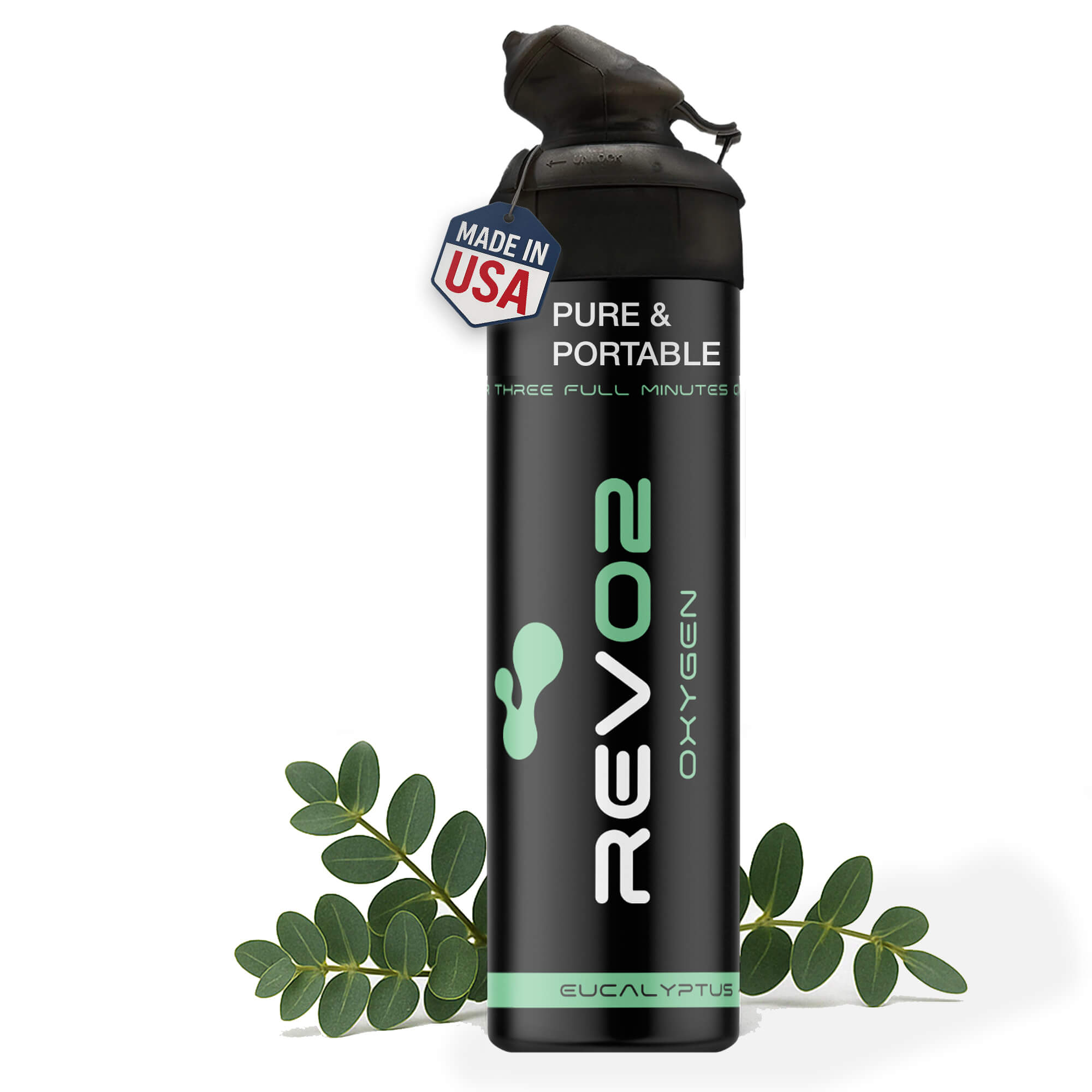
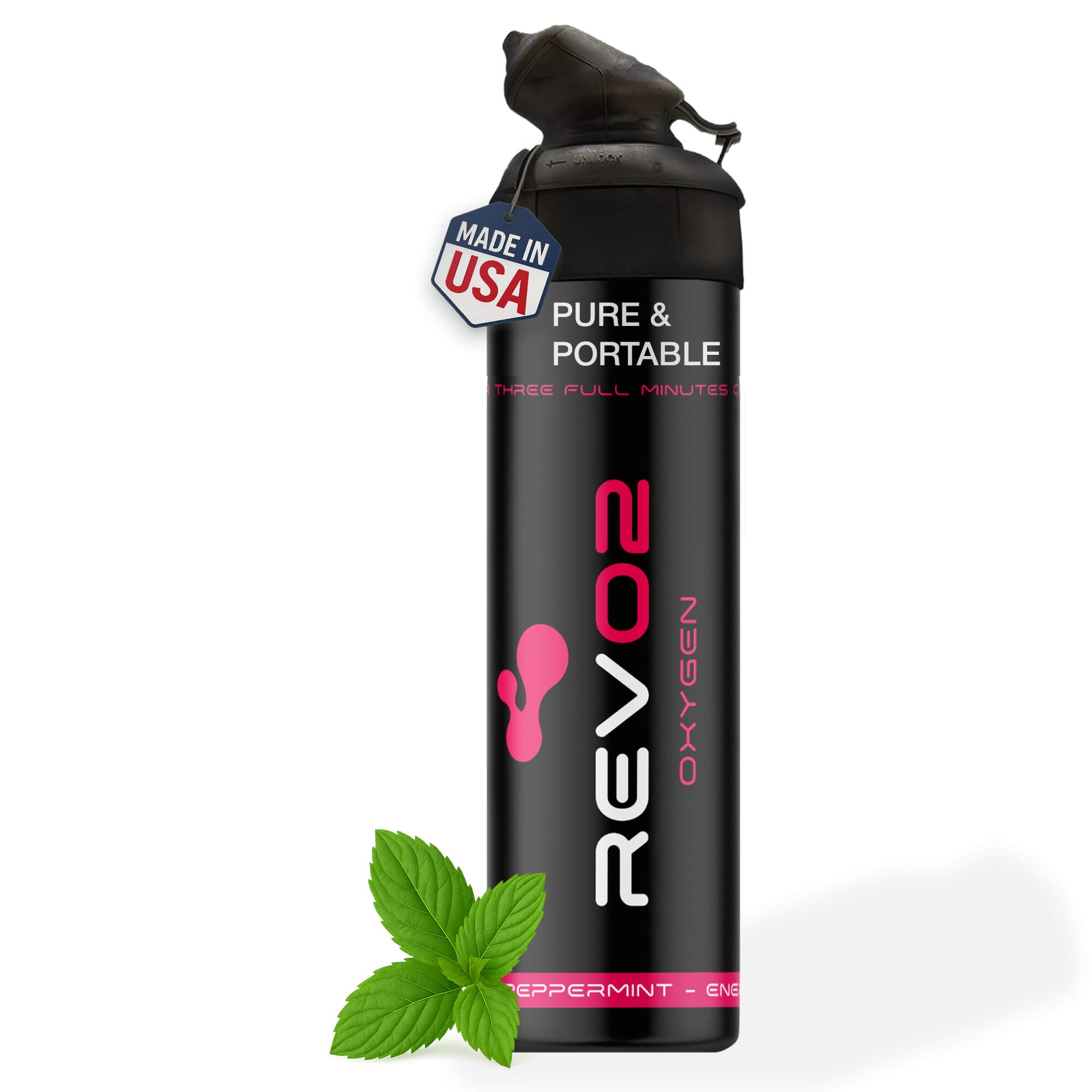
Revo2 produces 98% pure canned oxygen designed specifically for trekkers, athletes, and anyone who needs a reliable oxygen boost during exertion or recovery. The zero-leak mouthpiece delivers oxygen directly without waste, and the portable format fits easily in a pack pocket or hip belt.

Trekkers report faster recovery between climbs, reduced headache intensity at altitude, and improved mental clarity during demanding sections. Revo2 canned oxygen is built to support the physiological strategies covered in this article, not replace them. For guidance on getting the most from each canister, the safe usage guide covers dosing, timing, and best practices for high-altitude use.
FAQ
What is pressure breathing and why does it help at altitude?
Pressure breathing involves exhaling forcefully through pursed lips to create resistance that keeps the alveoli open longer. This improves gas exchange and increases oxygen absorption above 4,000 meters.
How much water should you drink while trekking at high altitude?
Trekkers should drink 3–4 liters of water daily above 4,000 meters to prevent dehydration-related blood thickening, which reduces oxygen delivery to muscles.
Can canned oxygen replace acclimatization on a trek?
No. Canned oxygen provides a temporary boost to oxygen saturation but does not trigger the physiological adaptations that acclimatization produces. It works best as a recovery aid alongside proper pacing and preparation.
How far in advance should you prepare for a high-altitude trek?
Iron level optimization should begin 6–8 weeks before departure, and aerobic training is most effective when started 8–12 weeks out to build cardiovascular efficiency before altitude exposure.
Does nasal or mouth breathing work better while hiking?
Nasal breathing is preferred on easy terrain because it warms and filters the air. On steep climbs where oxygen demand spikes, mouth breathing or a combined approach is necessary to meet the body’s needs.