
How oxygen directly enhances senior mobility
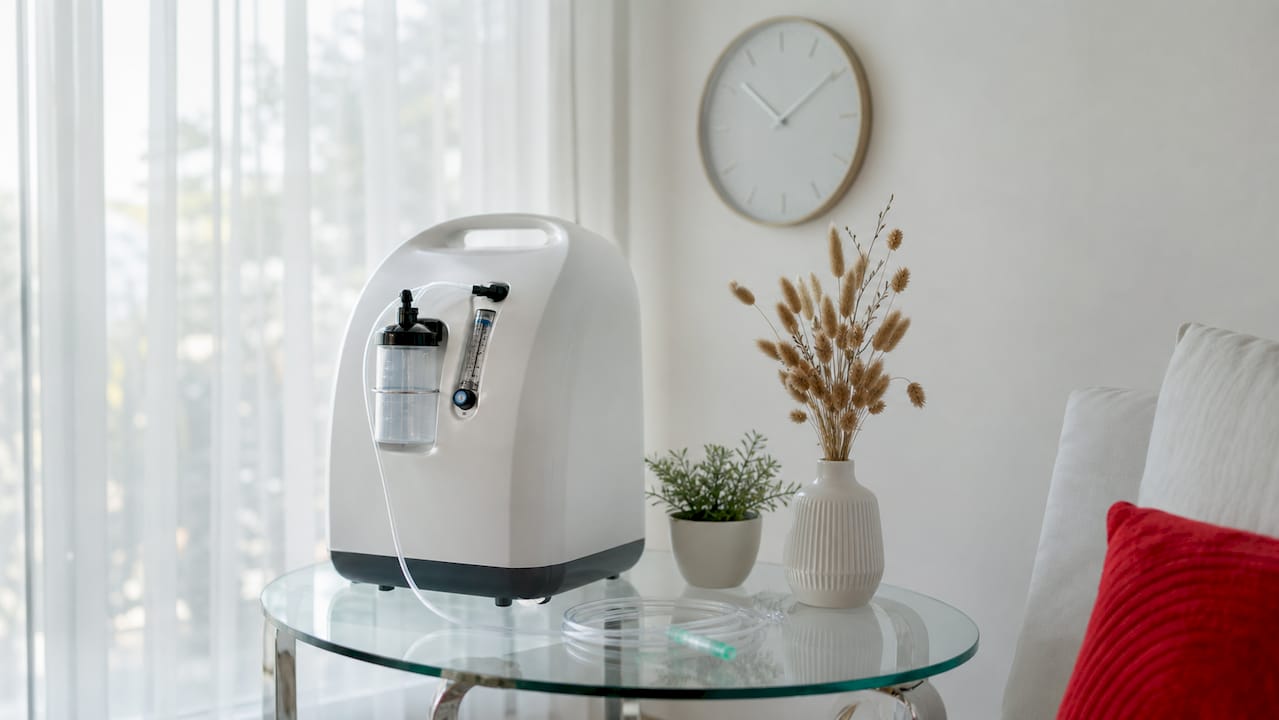
Adequate oxygen supply is the single most direct driver of senior mobility. When blood oxygen saturation drops, muscles fatigue faster, the heart works harder, and coordination suffers. Restoring proper oxygen levels addresses all three problems at once.
Here is what the science shows:
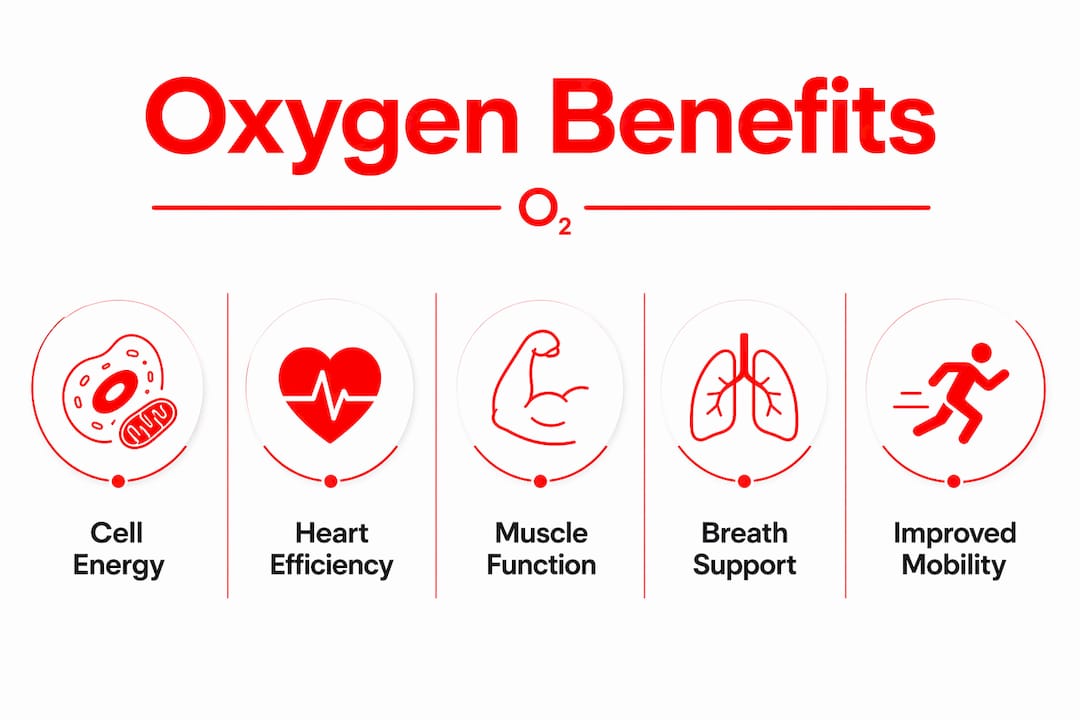
- Muscle energy production: Oxygen fuels mitochondria, the cellular engines that convert nutrients into usable energy. Without enough oxygen, muscles shift to less efficient anaerobic metabolism, producing lactic acid and accelerating fatigue.
- Cardiac efficiency: Oxygen therapy reduces heart workload by normalizing oxygen levels, decreasing heart rate, and reducing strain on the heart in seniors with lung or heart conditions.
- Cognitive alertness and coordination: Low oxygen levels impair brain function, slowing reaction time and disrupting the balance signals that prevent falls.
- Breathlessness relief: Supplemental oxygen eases dyspnea, which directly allows seniors to walk farther and stay active longer.
The American Thoracic Society and the National Council on Aging both recognize supplemental oxygen as a clinically supported tool for improving quality of life, exercise tolerance, and physical function in older adults with hypoxemia.
Table of Contents
- The science behind oxygen, muscles, and energy in seniors
- When does a senior actually need supplemental oxygen?
- How portable oxygen changes the social and psychological picture
- How Revo2 supports senior energy and mobility
- Using supplemental oxygen safely to support energy and mobility
- Potential risks and contraindications specific to seniors
- How oxygen therapy compares to other mobility treatments for seniors
- Revo2 portable oxygen for active seniors
- Key Takeaways
The science behind oxygen, muscles, and energy in seniors
Oxygen does far more than keep you breathing. At the cellular level, it drives the mitochondrial processes that produce adenosine triphosphate (ATP), the molecule muscles use for every contraction. When oxygen supply falls short, a condition called hypoxemia, this energy pathway breaks down.
- Mitochondrial function: Long-term oxygen therapy (prescribed for 15 or more hours per day) appears to protect against mitochondrial oxidative capacity loss in COPD patients with chronic hypoxemia, preserving the muscle endurance needed for walking and daily movement.
- Exercise endurance: Supplemental oxygen acutely increased walking distance and exercise endurance time in COPD patients compared with room air.
- Muscle atrophy prevention: Chronic hypoxemia is associated with skeletal muscle wasting, particularly in the muscles used for walking. Restoring oxygen levels slows this decline.
- Heart and brain protection: When oxygen saturation falls, the heart, brain, and kidneys are the first organs affected. Supplemental oxygen keeps these organs functioning at the level seniors need to stay mobile and independent.
| Physiological Effect | Mechanism | Mobility Outcome |
|---|---|---|
| Mitochondrial energy production | Oxygen drives ATP synthesis | Reduced muscle fatigue during movement |
| Cardiac workload reduction | Normalized O₂ lowers heart rate | Greater endurance for physical activity |
| Cognitive function support | Adequate O₂ sustains brain perfusion | Better coordination and fall prevention |
| Muscle oxidative capacity | LTOT preserves mitochondrial function | Maintained walking ability over time |
When does a senior actually need supplemental oxygen?
Clinical guidelines are specific about the threshold. Supplemental oxygen is prescribed when resting oxygen saturation falls below 88–89% or when arterial oxygen pressure drops under 60 mmHg. Maintaining saturation above 90% relieves fatigue and breathlessness, directly supporting mobility.
Common conditions that lead to a prescription include:
- COPD: The most frequent reason older adults use oxygen therapy. Low oxygen levels from COPD cause breathlessness and limit walking distance.
- Pulmonary fibrosis: Scarring in the lung tissue reduces oxygen transfer into the bloodstream, often requiring supplemental oxygen during exertion or at rest.
- Heart failure: Reduced cardiac output can lower blood oxygen, creating a cycle of fatigue and reduced physical activity.
Statistic: many older adults in the United States currently use supplemental oxygen for a range of health conditions.
Duration matters too. Long-term oxygen therapy, defined as use for extended daily periods, is the standard for seniors with chronic resting hypoxemia. Activity-specific testing such as a supervised walking test helps clinicians determine whether a senior needs oxygen only during exertion, during sleep, or around the clock.
How portable oxygen changes the social and psychological picture
The physical benefits of oxygen are well documented. The psychological ones are less discussed but equally real. Many seniors resist using supplemental oxygen in public because of stigma, self-consciousness, or the fear of appearing frail. That resistance often leads to reduced activity, social withdrawal, and a decline in mental health.
Modern portable oxygen devices address this directly. Lightweight, discreet designs reduce the social barrier, enabling seniors to participate in family outings, community events, and physical activities they would otherwise avoid. Improved social engagement supports mood, cognitive alertness, and overall well-being in ways that stationary home systems simply cannot replicate.
- Confidence to leave home: Portable oxygen lets seniors attend appointments, visit family, and travel without anxiety about running out of supply.
- Mood and mental health: Restored oxygen levels relieve fatigue, dizziness, and depression, helping seniors feel more like themselves.
- Cognitive clarity: Better oxygenation supports sharper thinking and faster reaction times, both of which reduce fall risk.
- Social participation: Staying connected to community is one of the strongest predictors of healthy aging.
Pro Tip: When selecting a portable oxygen solution, prioritize weight and mouthpiece design. A lighter device with a secure, no-leak delivery system means you get the full dose of oxygen without the bulk or the self-consciousness of older equipment.
How Revo2 supports senior energy and mobility
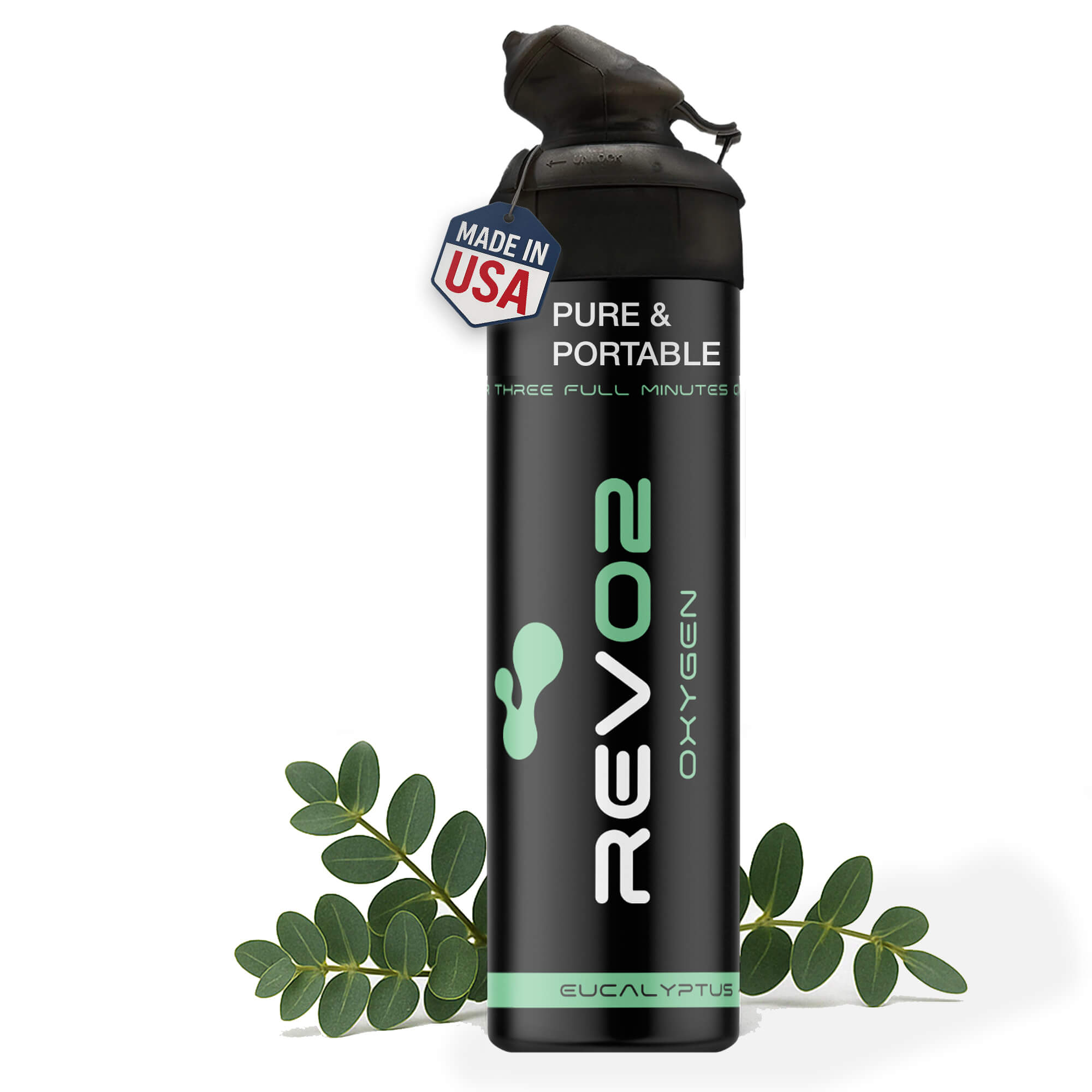
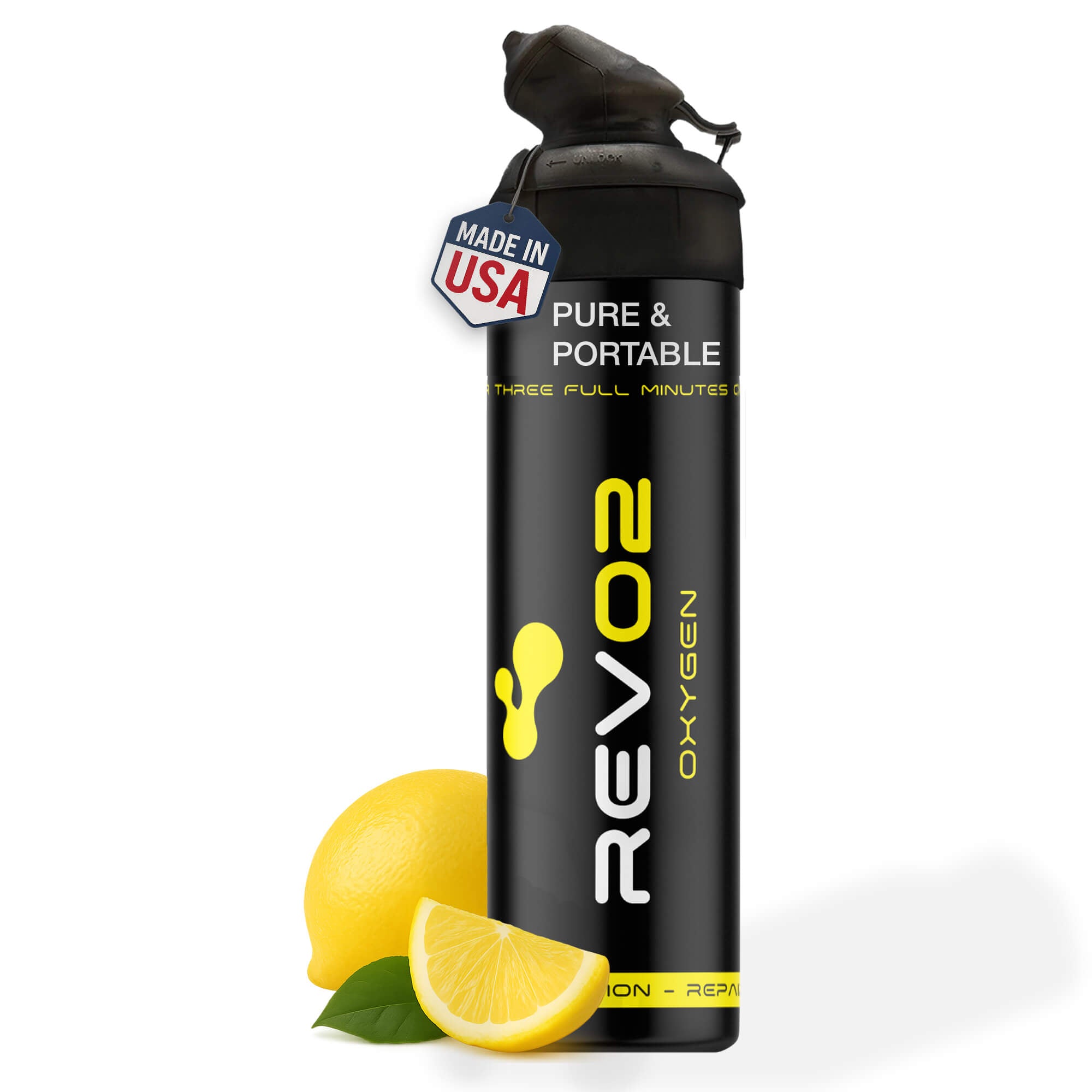
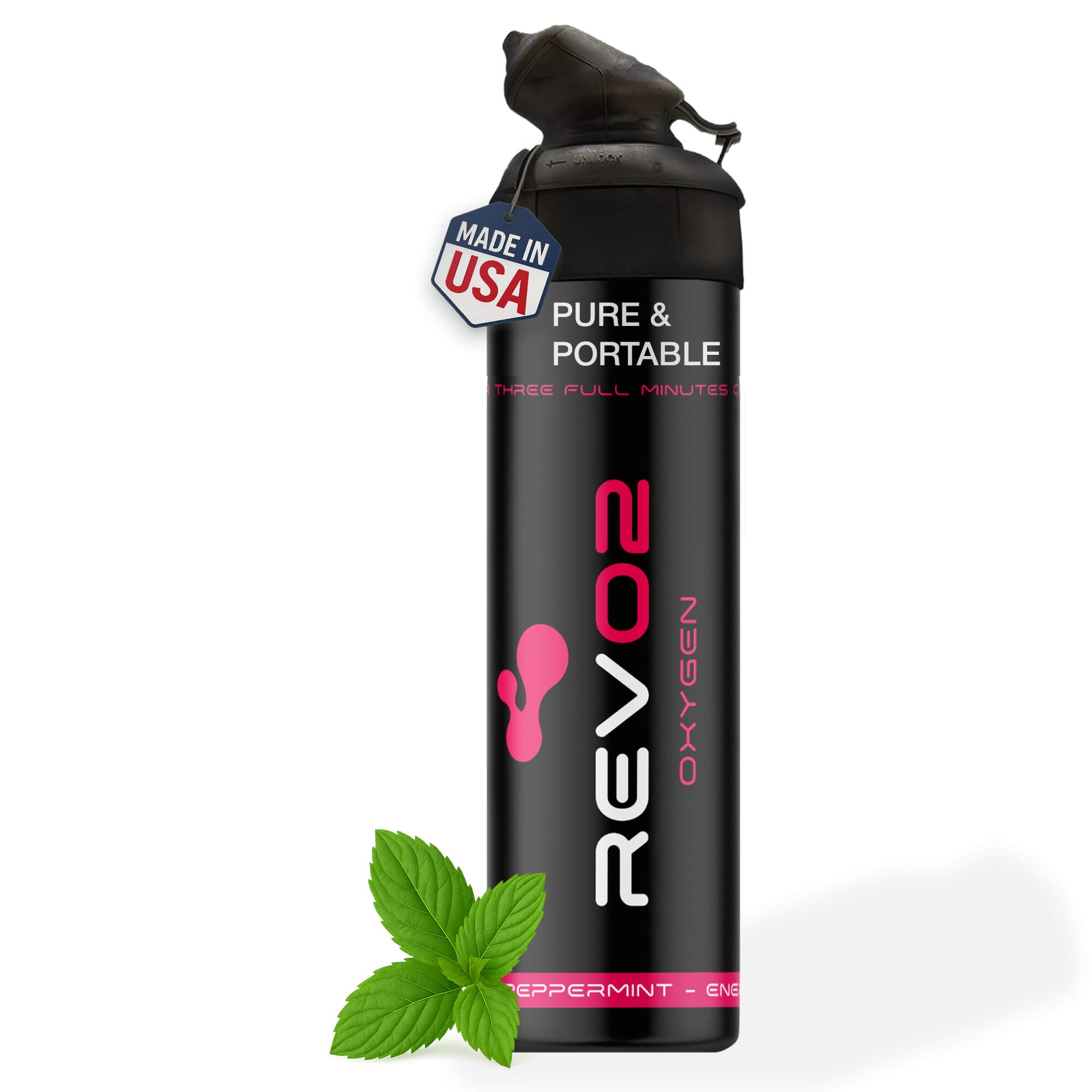
Revo2 offers 98% pure canned oxygen in a format designed specifically for portability and ease of use. The zero-leak mouthpiece technology ensures that every breath delivers the full concentration of oxygen, with no waste and no awkward mask required. For seniors who want to stay active without the complexity of a medical oxygen concentrator, that design difference is meaningful.
- Purity: 98% pure oxygen, compared to the roughly 21% found in ambient air.
- Portability: Compact cans fit in a bag or pocket, making them practical for walks, travel, and social outings.
- Ease of use: No prescription required for supplemental wellness use; simply inhale through the mouthpiece.
- Recovery support: Users report improvements in energy levels, mental clarity, and recovery speed after physical exertion.
Revo2 is not a medical oxygen therapy device and does not replace a physician-prescribed oxygen system for seniors with diagnosed hypoxemia. It is designed as a supplemental oxygen option for health-conscious seniors seeking an energy and recovery boost during activity.
Using supplemental oxygen safely to support energy and mobility
Safe use starts with medical supervision. A physician determines the appropriate flow rate, duration, and delivery method based on a senior’s specific diagnosis and activity level. Adjusting flow rates without guidance carries real risks.
- Oxygen toxicity: Breathing high concentrations of oxygen for extended periods without medical need can suppress the natural breathing drive and cause CO₂ buildup.
- Fire hazards: Oxygen accelerates combustion. Water-based lubricants are recommended near oxygen equipment; petroleum-based products like Vaseline must be avoided entirely.
- Flow rate matching: Portable devices may not meet the oxygen demands of high-exertion activities, so testing oxygen needs during different activity levels is necessary.
- Equipment handling: Keep oxygen sources away from open flames, smoking areas, and heat sources.
Safety note: Experts caution that using oxygen therapy without a diagnosis of hypoxemia can dangerously slow heart rate and breathing in otherwise healthy individuals. Always consult a physician before starting any oxygen therapy regimen.
Supplemental oxygen does not create dependence. Every cell in the body requires a constant oxygen supply to function, so using supplemental oxygen when levels are genuinely low simply meets a biological need, not a habit.
Potential risks and contraindications specific to seniors
Seniors face a distinct set of considerations that younger adults do not. Age-related changes in lung elasticity, cardiovascular function, and kidney efficiency mean the body responds differently to both low oxygen and supplemental oxygen.
The most clinically significant risk is hypercapnia, a buildup of carbon dioxide that can occur when supplemental oxygen suppresses the hypoxic drive to breathe. This risk is highest in seniors with advanced COPD who rely on low oxygen levels as their primary breathing stimulus. Seniors with untreated sleep apnea face a related concern: supplemental oxygen used without addressing airway obstruction can worsen nighttime CO₂ retention.
Contraindications also include using oxygen near open flames or in poorly ventilated spaces, which creates a fire and explosion risk. Seniors with certain cardiovascular conditions should have their oxygen therapy titrated carefully, since both too little and too much oxygen can strain the heart. Any senior considering supplemental oxygen, whether prescribed or wellness-focused, benefits from a baseline conversation with their physician.
How oxygen therapy compares to other mobility treatments for seniors
Supplemental oxygen works best as part of a broader mobility strategy, not as a standalone fix. Physical therapy, for instance, directly rebuilds muscle strength and balance through progressive exercise, addressing the structural causes of mobility decline. Pulmonary rehabilitation programs combine exercise training, education, and breathing techniques, and they have strong evidence for improving walking distance and quality of life in seniors with COPD.
Medications such as bronchodilators open the airways and reduce breathlessness, making movement easier without directly raising blood oxygen. Nutritional support, particularly adequate protein intake, helps preserve muscle mass that hypoxemia tends to erode. Assistive devices like walking frames reduce fall risk by improving stability during movement.
What oxygen therapy adds to this mix is the physiological foundation. Without adequate blood oxygen, exercise is harder, recovery is slower, and the brain cannot coordinate movement efficiently. Oxygen therapy and physical rehabilitation are genuinely complementary: oxygen makes the exercise possible, and the exercise builds the strength that sustains mobility long term.
Revo2 portable oxygen for active seniors
Seniors who want to stay active without waiting for a clinic appointment have a practical option in Revo2’s pure canned oxygen. It delivers 98% pure oxygen through a zero-leak mouthpiece, fits in a jacket pocket, and requires no setup or prescription for wellness use.
For health-conscious seniors managing fatigue, recovering from exertion, or simply wanting to feel sharper during a walk or social outing, Revo2 offers a direct, portable path to better oxygen intake. It is not a replacement for medically prescribed oxygen therapy, but it fills a real gap for active seniors who want on-demand respiratory support without the weight or complexity of a concentrator. Visit revo2.com to browse the full range of portable oxygen options and find the format that fits your lifestyle.
Key Takeaways
Adequate blood oxygen is the physiological foundation of senior mobility, supporting muscle energy, heart efficiency, and the cognitive coordination that prevents falls.
| Point | Details |
|---|---|
| Clinical oxygen threshold | Supplemental oxygen is prescribed when saturation falls below 88–89% or arterial pressure drops under 60 mmHg. |
| Exercise endurance gains | Supplemental oxygen acutely increased exercise endurance time by nearly 6 minutes and walking distance by around 29 meters in COPD patients compared with room air. |
| Muscle protection | Long-term oxygen therapy (15+ hours per day) appears to preserve mitochondrial oxidative capacity in seniors with chronic hypoxemia. |
| Safety first | Unsupervised oxygen use risks CO₂ buildup and slowed heart rate; always consult a physician before starting any oxygen regimen. |
| Revo2 portable option | Revo2’s 98% pure canned oxygen with zero-leak mouthpiece supports on-demand energy and recovery for active seniors without a prescription. |