
Portable oxygen solutions for active seniors are defined as medically prescribed or supplemental oxygen delivery systems that support respiratory function during exercise, travel, and daily activities. About 1.5 million U.S. adults use supplemental oxygen annually, with COPD accounting for roughly 80% of all portable oxygen concentrator prescriptions. The industry term for the primary medical device is a portable oxygen concentrator, or POC. This guide covers how to choose the right device, use it safely, and keep living fully on your own terms.
What are the best portable oxygen solutions for active seniors?
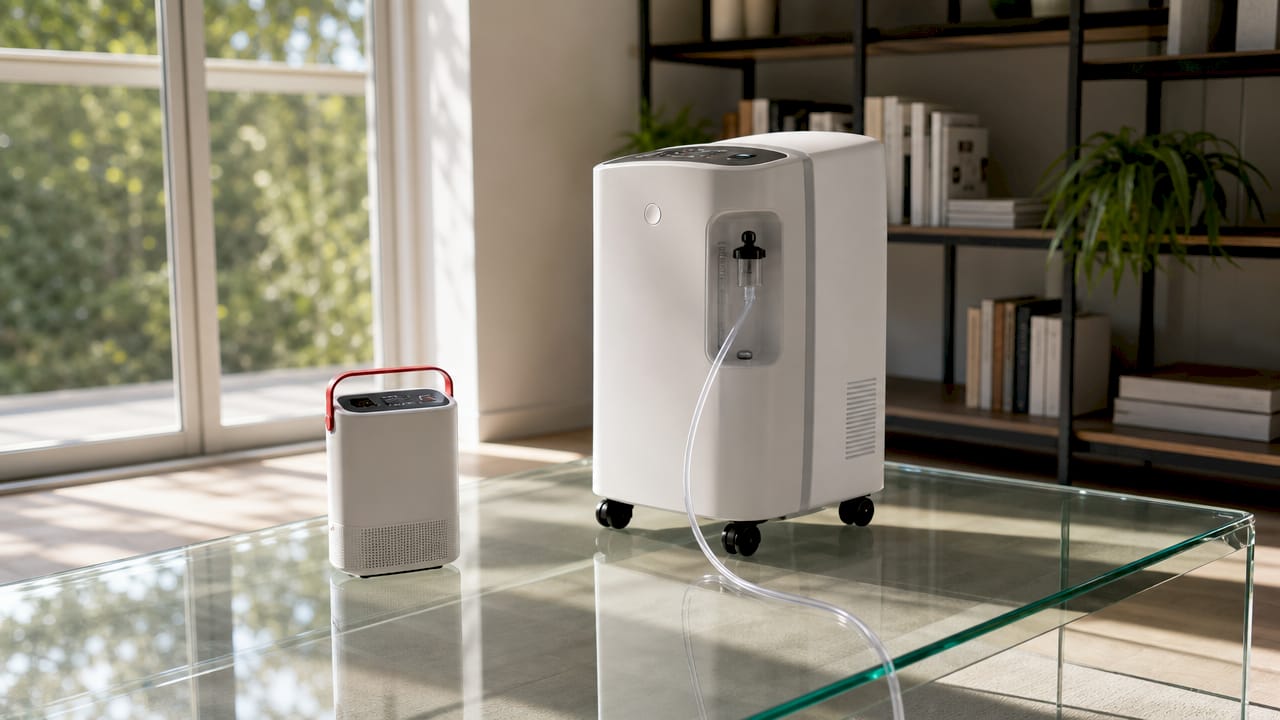
Portable oxygen concentrators are the clinical standard for seniors who need therapeutic oxygen away from home. FDA-cleared POCs deliver 90–95% pure oxygen and stabilize delivery within five minutes of startup. That speed matters when you are preparing for a morning walk or boarding a flight. Understanding the difference between device types is the first step toward choosing the right one.
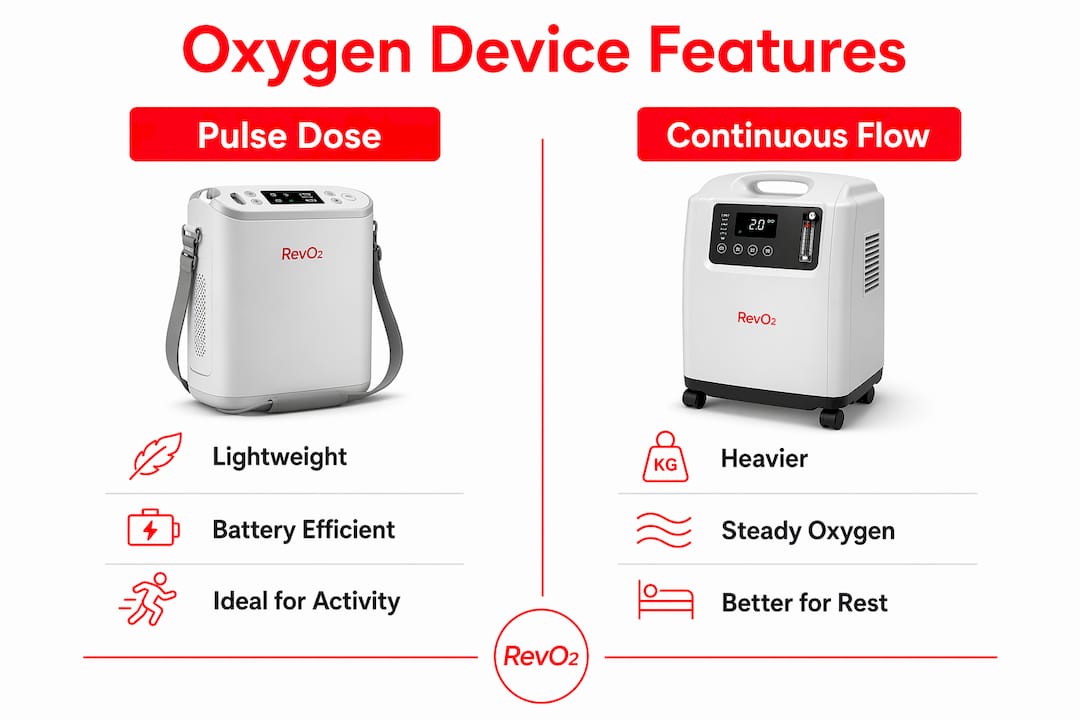
The two delivery modes are pulse dose and continuous flow. Pulse dose devices release oxygen only during inhalation, which makes them lighter and easier to carry. Continuous flow devices deliver a steady stream of oxygen regardless of your breathing pattern. Continuous flow is necessary for people with irregular breathing, overnight use, or CPAP therapy.
Your physician prescribes a specific flow rate and delivery mode based on your blood oxygen saturation, or SpO2, readings. Following that prescription exactly is not optional. Device selection must prioritize prescription match over convenience features, because an underpowered device risks poor oxygenation and treatment failure.
| Feature | Pulse dose | Continuous flow |
|---|---|---|
| Weight | Lighter (2–5 lbs typical) | Heavier (5–10 lbs typical) |
| Battery life | Longer per charge | Shorter per charge |
| Best for | Active daytime use | Overnight, irregular breathing |
| Clinical suitability | Mild to moderate conditions | Moderate to severe conditions |
| Travel convenience | High | Moderate |
Your daily activity level also shapes the right choice. If you walk two miles each morning and take weekend flights, a lightweight pulse dose unit with extended battery packs fits that routine well. If your breathing becomes labored at rest, your physician will likely prescribe continuous flow, and your device plan needs to reflect that.
Key features to evaluate before choosing a portable oxygen device
Battery life is the most misunderstood spec on any POC. Actual battery life runs 20–30% shorter than manufacturer claims because breath rate, temperature, and altitude all affect performance. A device rated for eight hours may deliver closer to five or six hours during a brisk walk in summer heat. Always carry at least one fully charged spare battery.
Weight matters, but carrying system design matters more. Weight distribution affects fatigue more than device weight alone, which means a heavier unit in a well-fitted backpack can feel easier to manage than a lighter unit in a poorly balanced shoulder bag. Test the carrying system before committing to a device.
Key features to assess before purchase or rental:
- Flow type: Confirm pulse dose or continuous flow matches your prescription.
- Battery life: Check real-world reviews, not just spec sheets.
- Carrying system: Look for padded backpacks, rolling carts, or adjustable shoulder straps.
- Noise level: Most POCs produce 45–48 decibels. Quieter units are better for social settings.
- FAA approval: Confirm the device appears on the FAA’s approved list before booking any flight.
- Controls: Large buttons and clear displays reduce errors during use.
- Alarm system: Audible low-battery and low-flow alarms are non-negotiable safety features.
Medicare Part B covers oxygen equipment as a rental when your blood oxygen levels meet qualification thresholds. Medicare does not cover outright purchase. Knowing this upfront prevents billing surprises and helps you plan for out-of-pocket costs on accessories like spare batteries and carrying cases.
Pro Tip: Ask your supplier for a loaner device for one week before committing. Real-world use reveals battery performance, noise tolerance, and carrying comfort that no spec sheet can predict.
How to use your portable oxygen device safely every day
Safe daily use starts with a consistent setup routine. Follow these steps each time you prepare your device:
- Inspect the cannula. Check for kinks, cracks, or discoloration before inserting it. Replace the nasal cannula every two to four weeks or sooner if it becomes stiff.
- Charge the battery fully. Start each day with a full charge and a spare battery charged to 100%.
- Power on and confirm flow. Turn the device on and hold your hand near the cannula tip to feel airflow before inserting it.
- Set the prescribed flow rate. Never adjust the flow rate above your physician’s setting without medical guidance.
- Monitor the battery indicator. Check it every 30 minutes during activity. Switch to your spare battery when the indicator drops to 25%.
- Check for alarms. If the device sounds an alarm, stop activity, sit down, and consult the user manual. Common causes include a kinked cannula, low battery, or blocked air intake filter.
- Store safely after use. Keep the device in a clean, dry location away from direct sunlight and heat sources.
Oxygen supports combustion but does not ignite on its own. Keep your device and any oxygen supply at least five feet from open flames, gas stoves, candles, and smoking materials at all times. This is the single most critical safety rule for anyone using oxygen therapy at home or outdoors.
Supplemental oxygen reduces breathlessness but does not eliminate it completely. You may still feel some shortness of breath during exertion, and that is normal. If breathlessness worsens significantly despite correct device use, contact your physician rather than increasing your flow rate on your own.
For emergencies, keep a backup oxygen option at home. A small backup cylinder prescribed by your physician provides a safety net when your POC needs servicing or loses power. Oxygen must be kept away from flames and heat in all storage locations, including the backup cylinder.
How to stay active with portable oxygen during travel and exercise
Integrating oxygen therapy into an active lifestyle takes planning, but it is entirely achievable. The key is treating your oxygen supply the same way you treat your phone battery: always know how much you have left and where your next charge is coming from.
For air travel, these steps protect you from delays and denials:
- Confirm FAA approval. Check the FAA’s current approved device list and carry a printed copy.
- Notify the airline at least 48 hours before departure. Most carriers require advance notice for medical oxygen devices.
- Carry battery power for 150% of total journey time. FAA regulations require sufficient battery for 150% of flight duration, including potential delays.
- Bring your physician’s letter. A signed letter stating your diagnosis, prescribed flow rate, and device name is required by most airlines.
- Pack batteries in your carry-on. Checked baggage temperature and pressure changes can damage lithium batteries.
During exercise, work with your physician to determine whether your flow rate needs adjustment for higher exertion levels. Some seniors require a higher pulse dose setting during brisk walking compared to rest. Never self-adjust without guidance. For active lifestyle oxygen support, the goal is matching your oxygen delivery to your actual activity demands.
Social settings deserve attention too. A quiet device in a discreet backpack draws little attention. If you feel self-conscious, remember that using oxygen therapy in public is no different from wearing glasses or using a hearing aid. It is a tool that lets you participate fully in life.
Pro Tip: For long travel days, pack a small insulated bag for your spare batteries. Extreme heat or cold shortens battery life faster than altitude or breath rate. Keeping batteries at room temperature preserves their rated capacity.
Key Takeaways
Portable oxygen concentrators are the clinical standard for seniors who need therapeutic oxygen on the go, and matching the device to your prescription is the single most important decision you will make.
| Point | Details |
|---|---|
| Prescription match is non-negotiable | Choose pulse dose or continuous flow based on your physician’s order, not device weight or price. |
| Plan for real battery life | Actual runtime runs 20–30% shorter than specs; always carry a fully charged spare. |
| Carrying system affects fatigue | Weight distribution matters more than device weight; test backpacks and carts before committing. |
| FAA travel rules are strict | Carry 150% battery capacity for total journey time and notify your airline at least 48 hours ahead. |
| Oxygen safety is constant | Keep all oxygen equipment at least five feet from flames, heat sources, and smoking materials. |
What I’ve learned about living actively with portable oxygen
The biggest mistake I see seniors make is choosing a device based on how it looks in a brochure rather than how it performs in real life. A unit that weighs half a pound less than another means nothing if its battery dies two hours into a day trip. The spec sheet is a starting point, not a decision.
Anxiety about using oxygen in public is real, and I won’t minimize it. The first time you walk into a restaurant with a cannula, it feels conspicuous. By the third time, you stop noticing. What you do notice is that you can stay through the whole meal without excusing yourself to rest. That trade is worth it every time.
The planning habit is the one that changes everything. Seniors who thrive with portable oxygen treat battery management the way pilots treat fuel checks: methodical, non-negotiable, and done before every outing. Those who struggle are the ones who assume the device will handle itself.
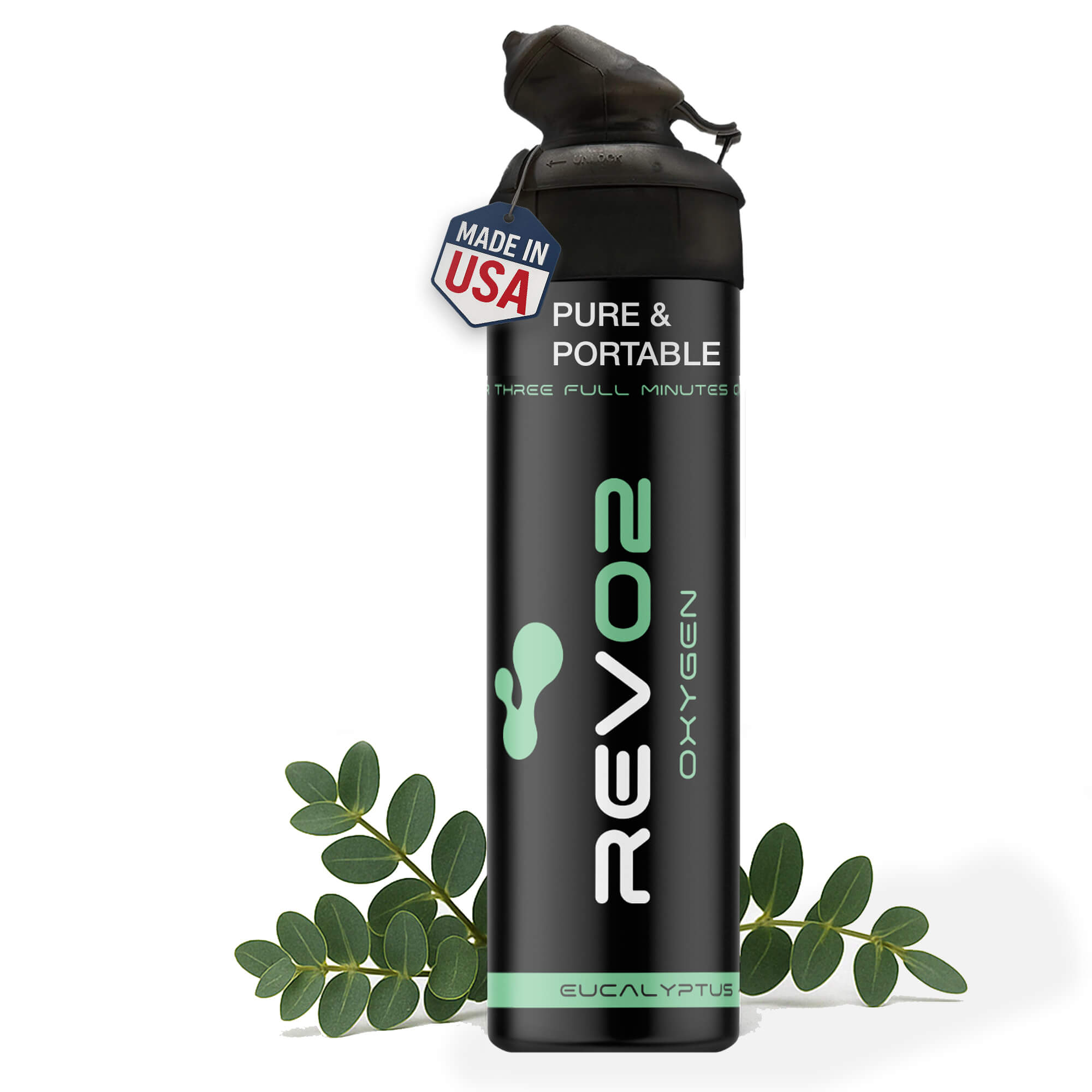
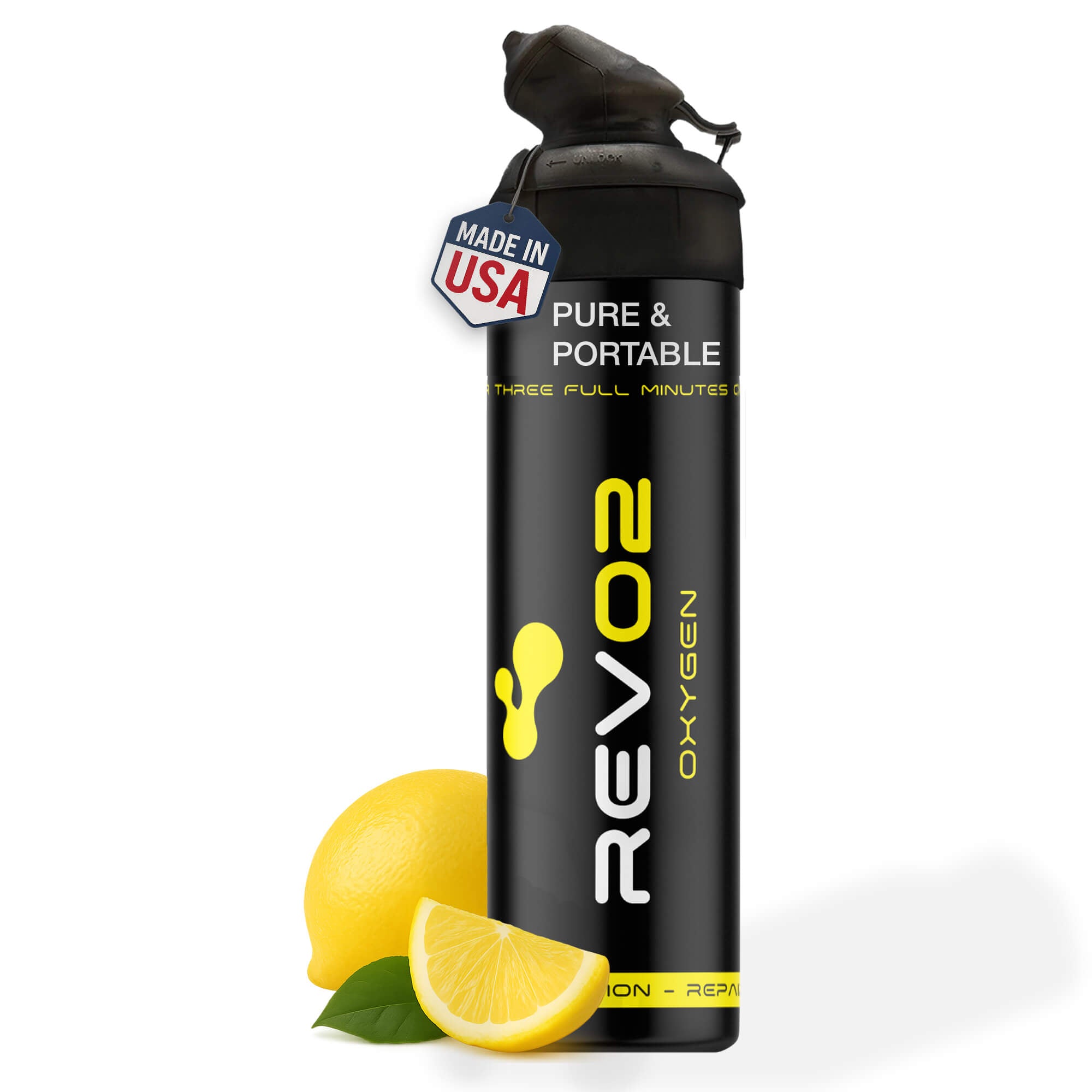
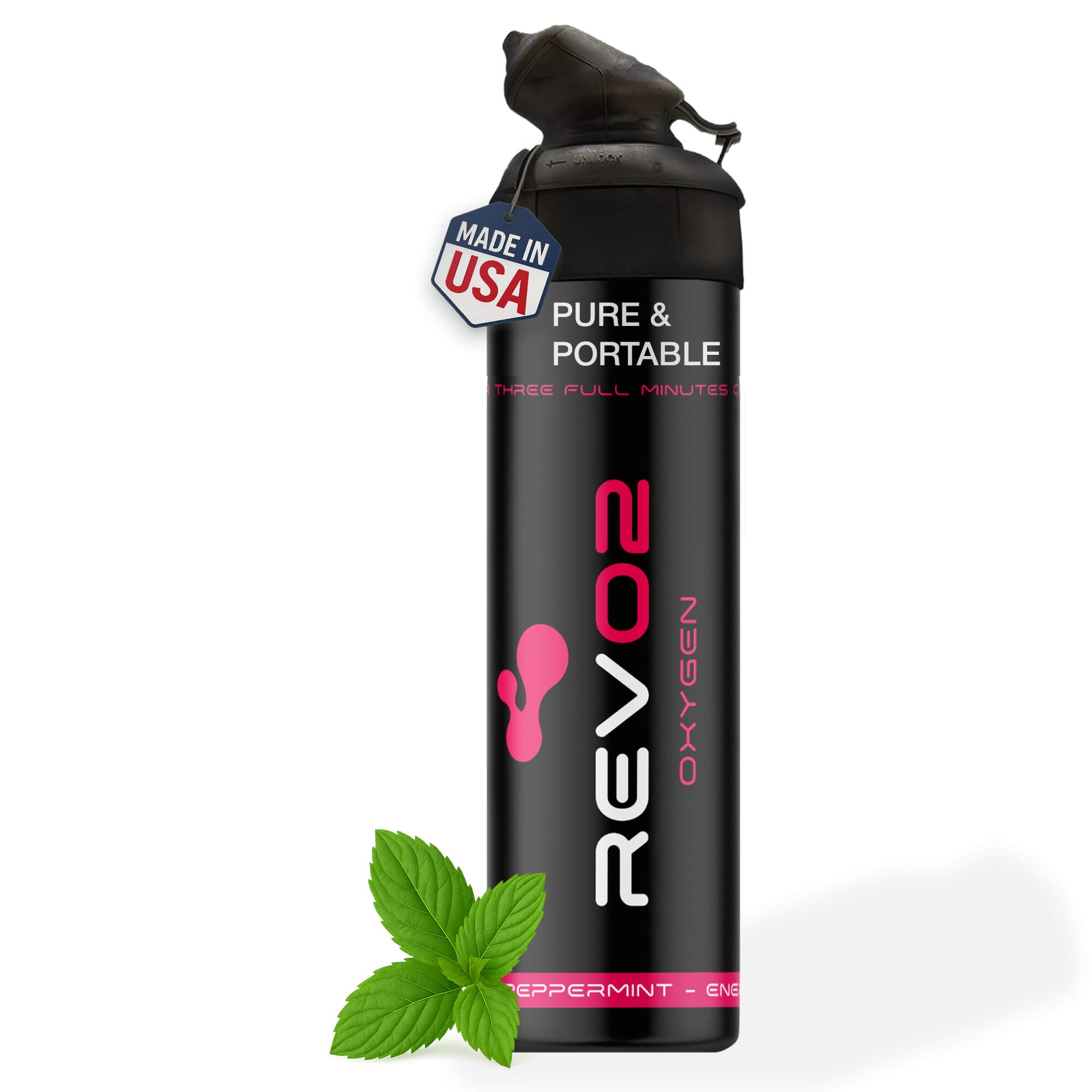
One more thing: supplemental canned oxygen, like the products Revo2 offers, is not a replacement for prescribed therapy. But for active seniors who want a convenient, non-prescription boost during a hike, a long flight, or a stressful afternoon, it fills a real gap that medical devices are not designed to address.
— Paul
Revo2 canned oxygen as a complement to your active routine
Prescribed oxygen therapy handles your clinical needs. Revo2 fills the space between medical sessions with 98% pure canned oxygen for seniors that requires no prescription, no mask, and no heavy equipment. The zero-leak mouthpiece delivers oxygen directly with no waste, making it practical for a morning walk, a long flight, or a post-exercise recovery moment. Revo2 is not a substitute for prescribed medical oxygen, but it is a convenient, well-designed tool for active seniors who want breathing support on demand. Browse the full canned oxygen collection to find the right option for your routine.
FAQ
What is a portable oxygen concentrator?
A portable oxygen concentrator is an FDA-cleared medical device that pulls oxygen from ambient air and delivers 90–95% pure oxygen through a nasal cannula. It requires a physician’s prescription and is the clinical standard for seniors with chronic respiratory conditions.
Can seniors use canned oxygen without a prescription?
Over-the-counter canned oxygen is intended for recreational and wellness use, not as a substitute for prescribed medical oxygen therapy. Seniors with diagnosed respiratory conditions must use their prescribed device as directed.
How long do portable oxygen concentrator batteries last?
Manufacturer ratings are a ceiling, not a guarantee. Real-world battery life runs 20–30% shorter due to breath rate, temperature, and altitude. Carrying a fully charged spare battery is the standard practice for any outing longer than two hours.
Is portable oxygen allowed on airplanes?
FAA-approved portable oxygen concentrators are permitted on most commercial flights. You must carry battery power for 150% of total journey time and notify your airline at least 48 hours before departure with a physician’s letter.
Does supplemental oxygen eliminate breathlessness?
Supplemental oxygen reduces breathlessness but does not eliminate it entirely. You may still feel some shortness of breath during exertion. If symptoms worsen despite correct device use, contact your physician rather than adjusting your flow rate independently.