
The cognitive performance oxygen link is defined as the direct relationship between oxygen availability in the brain and mental functions such as memory, focus, executive control, and reaction time. The brain consumes about 20% of the body’s oxygen supply despite making up only 2% of body mass. That disproportionate demand makes cerebral oxygenation one of the most critical factors in cognitive health. When oxygen saturation (SpO2) drops even modestly, neuronal function degrades, and measurable declines in working memory, cognitive flexibility, and processing speed follow. Understanding this relationship gives you a concrete, physiological basis for improving mental clarity and productivity.
What is the cognitive performance oxygen link?
The cognitive performance oxygen link describes how changes in oxygen concentration in the brain directly alter mental output. Cerebral oxygenation is the absolute cornerstone of neuronal function. Without adequate oxygen delivery, neurons cannot sustain the electrochemical activity required for thought, memory encoding, or decision-making.
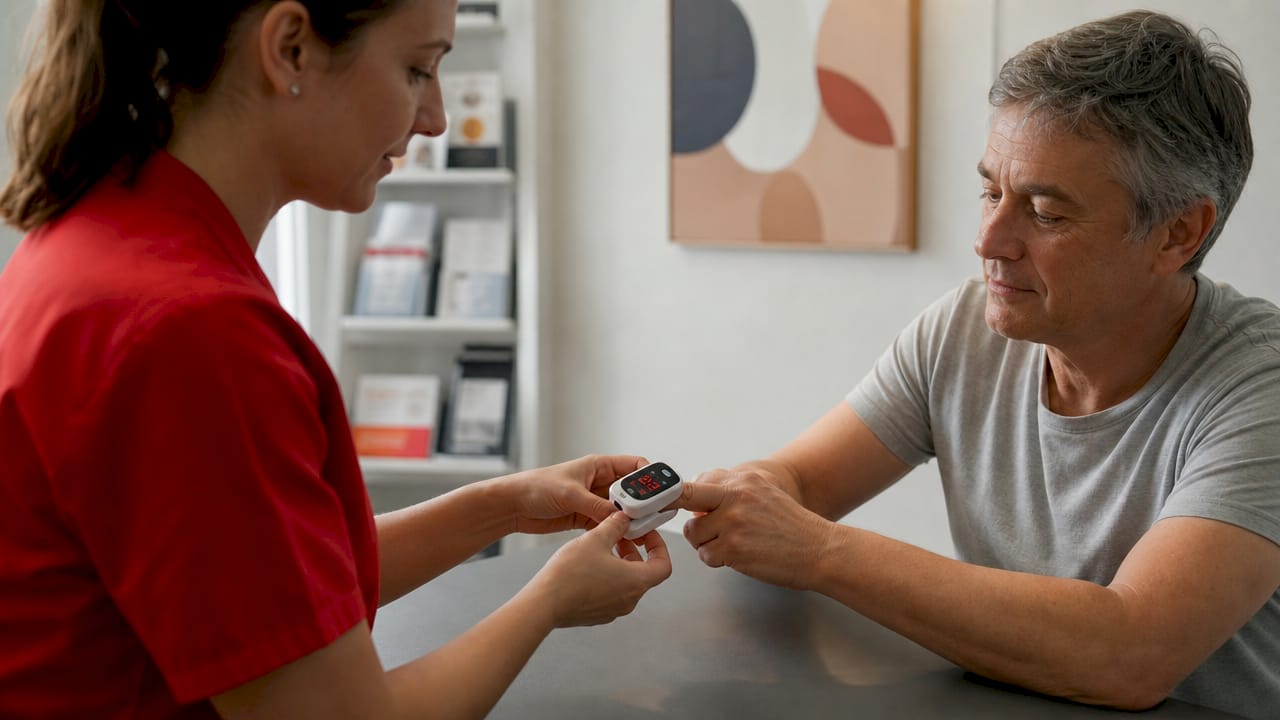
The key metric researchers use is SpO2, or blood oxygen saturation, which reflects how much oxygen your red blood cells carry. Normal SpO2 sits at 95%–100% at sea level. Below that range, a condition called hypoxemia begins to impair brain function. Hypoxemia is simply a lower-than-normal level of oxygen in the blood, and even mild cases affect cognitive tasks that require sustained attention or mental flexibility.
Cerebral oxygenation is also dynamic, not static. The brain experiences localized fluctuations called hypoxic pockets, which are small zones of reduced oxygen that influence neuronal signaling. These pockets explain why mental fatigue can feel sudden and why a brief oxygen boost often feels restorative during high cognitive demand.
How does oxygen concentration affect cognitive abilities?
Oxygen concentration has a dose-dependent effect on cognitive performance. A 2026 randomized crossover trial with 16 participants found that acute exposure to reduced oxygen levels at approximately 14.5% FiO2 (fraction of inspired oxygen) significantly slowed reaction times and impaired working memory and cognitive flexibility in middle-aged adults. At sea level, ambient air contains about 20.9% FiO2, so a drop to 14.5% represents a meaningful reduction, roughly equivalent to conditions at high altitude.
The physiological cascade is measurable. As FiO2 decreases, oxyhemoglobin concentration progressively falls, and executive and working memory functions deteriorate. Interestingly, some visuospatial memory tasks remain relatively stable under mild hypoxia, suggesting that different cognitive domains have different oxygen thresholds.
The cognitive domains most sensitive to reduced oxygen include:
- Working memory: The ability to hold and manipulate information in real time degrades early under hypoxic conditions.
- Cognitive flexibility: Switching between tasks or mental sets becomes slower and less accurate.
- Reaction time: Motor and decision-based response speeds slow measurably.
- Executive function: Planning, inhibition, and goal-directed behavior are among the first casualties of low cerebral oxygenation.
Heart rate also rises under hypoxic conditions as the body attempts to compensate by circulating blood faster. This cardiovascular response is a useful physiological marker of brain strain.
Pro Tip: If you regularly work at altitude or in poorly ventilated spaces, use an altitude calculator like the SpO2 estimator to understand how much oxygen your environment actually delivers.
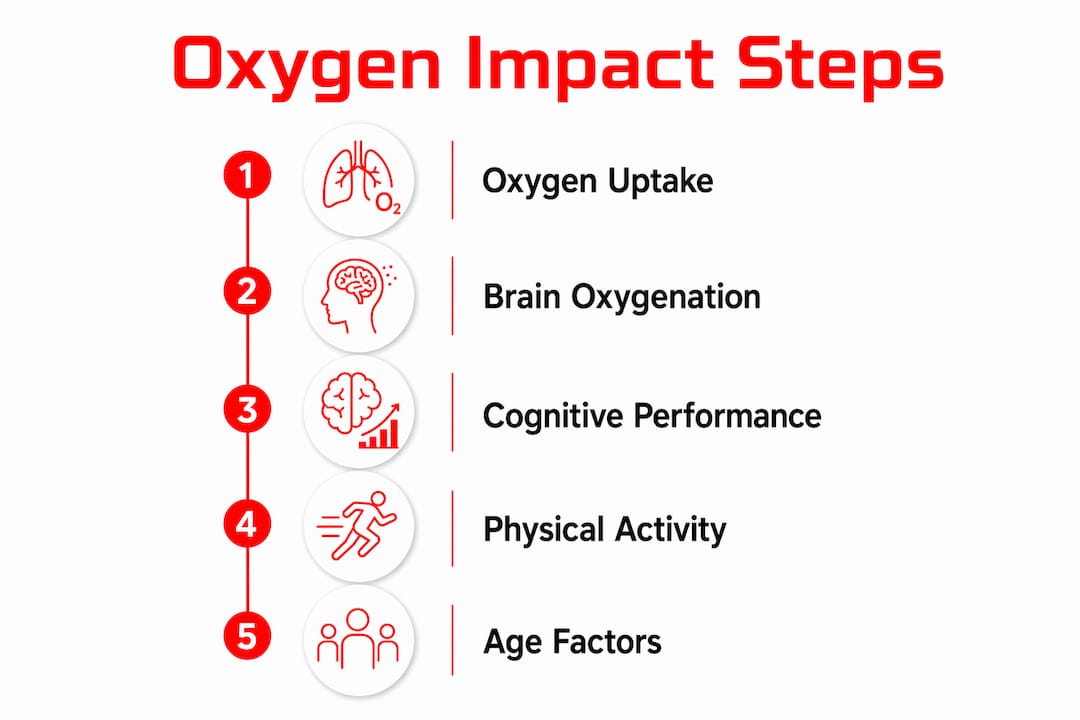
How does physical activity improve brain oxygenation and cognition?
Aerobic exercise is the most reliable, sustained method for improving cerebral oxygen delivery. Moderate-intensity aerobic exercise increases prefrontal cortex oxygenation and produces measurable gains in memory, processing speed, and executive function. The prefrontal cortex (PFC) governs decision-making, attention, and impulse control, making it a critical target for cognitive enhancement.
Exercise improves brain oxygenation through several mechanisms:
- Increased cardiac output: A stronger heart pumps more oxygenated blood to the brain per beat.
- Angiogenesis: Regular cardio stimulates the growth of new blood vessels in the brain, expanding oxygen delivery capacity.
- Neuroplasticity: Elevated cerebral blood flow promotes the release of brain-derived neurotrophic factor (BDNF), which supports the formation of new neural connections.
- Reduced resting heart rate: A lower resting heart rate means the cardiovascular system operates more efficiently, sustaining stable SpO2 during cognitive tasks.
- Hypoxic pocket regulation: Physical conditioning helps the brain manage localized oxygen fluctuations more effectively, reducing the cognitive cost of mental stress.
Sustained cognitive benefits are most reliably achieved through physical exercise rather than short-term oxygen supplementation alone. That does not mean supplemental oxygen has no role. It means exercise builds the infrastructure, while supplemental oxygen can address acute deficits.
Pro Tip: Even a 20-minute brisk walk before a demanding cognitive task can measurably improve your prefrontal cortex oxygenation and sharpen focus for the work ahead.
How do age and individual differences shape the oxygen-cognition relationship?
The oxygen-cognition relationship is not uniform across people or age groups. Middle-aged adults experience earlier and more pronounced declines in cognitive function and cerebral oxygenation under hypoxic conditions compared to younger individuals. This age-dependent vulnerability reflects gradual changes in cerebrovascular efficiency, reduced lung capacity, and slower compensatory responses.
Individual differences add another layer of complexity. A systematic meta-analysis found that hypoxia has a moderately large detrimental effect on cognitive ability across multiple domains, but with substantial unexplained variance. That variance points to genetics, baseline cardiovascular health, and adaptive mechanisms as key moderators of how any given person responds to reduced oxygen.
Key factors that shape individual oxygen sensitivity include:
- Baseline fitness level: People with higher cardiorespiratory fitness tolerate hypoxia better and recover cognitive function faster.
- Genetic variation: Differences in hemoglobin affinity for oxygen and cerebrovascular reactivity vary meaningfully between individuals.
- Chronic health conditions: Conditions like sleep apnea, anemia, or cardiovascular disease reduce baseline oxygen delivery and amplify cognitive vulnerability.
- Altitude acclimatization: People who live or train at altitude develop physiological adaptations that buffer cognitive decline under low-oxygen conditions.
“Prefrontal cortex oxygenation levels serve as markers of brain strain and cognitive challenge but do not directly cause impairments. This distinction highlights the complex neurovascular dynamics at play and cautions against oversimplifying the oxygen-cognition link.” Cognitive performance, hyperoxia, and heart rate
This nuance matters practically. Chasing higher SpO2 readings as a universal cognitive fix misses the point. The relationship between oxygen and cognition is context-dependent, and personalized strategies produce better outcomes than one-size-fits-all approaches.
What practical interventions improve cognitive function through oxygen?
Evidence supports several approaches for improving cognitive function through better oxygen availability. Supplemental oxygen, cognitive training, and lifestyle adjustments each play a distinct role, and combining them produces the strongest results.
Supplemental oxygen for acute cognitive support
Supplemental oxygen is most effective in specific, well-defined scenarios. Situations where it provides measurable cognitive benefit include:
- High-altitude environments: At elevations above 8,000 feet, ambient FiO2 drops enough to impair cognition. Supplemental oxygen restores normal SpO2 and supports mental clarity. Revo2’s supplemental oxygen for altitude addresses exactly this scenario.
- Acute fatigue or stress: Mental exhaustion is associated with reduced cerebral oxygenation. A brief supplemental oxygen session can help restore alertness.
- Aging populations: Older adults with reduced lung efficiency benefit from supplemental oxygen support during cognitively demanding tasks. Revo2 offers a dedicated oxygen product for seniors designed for this need.
- Post-exercise recovery: Restoring SpO2 quickly after intense physical effort supports faster cognitive recovery.
Cognitive training combined with neurostimulation
A study with 85 participants over 16 sessions found that cognitive training combined with active tDCS (transcranial direct current stimulation) produced sustained improvements across multiple cognitive domains in older adults, lasting at least three months post-intervention. tDCS is a non-invasive brain stimulation technique that applies a mild electrical current to specific brain regions. The combination outperformed cognitive training alone or sham stimulation, suggesting that optimizing brain state during training amplifies learning.
Lifestyle adjustments that support cerebral oxygenation
Beyond supplemental oxygen and formal training, daily habits significantly affect how much oxygen your brain receives:
- Prioritize sleep: Sleep apnea and poor sleep quality reduce nocturnal SpO2 and impair next-day cognition.
- Manage stress: Chronic stress triggers shallow breathing patterns, reducing oxygen intake over time.
- Stay hydrated: Blood viscosity affects oxygen transport efficiency.
- Avoid smoking: Smoking reduces hemoglobin’s oxygen-carrying capacity directly.
Key Takeaways
The cognitive performance oxygen link is a physiological reality: adequate cerebral oxygenation is required for working memory, executive function, and reaction time, and targeted interventions can meaningfully protect and improve these abilities.
| Point | Details |
|---|---|
| Brain oxygen demand is disproportionate | The brain uses 20% of the body’s oxygen despite being 2% of body mass, making SpO2 a critical cognitive variable. |
| Hypoxia impairs specific cognitive domains | Working memory, cognitive flexibility, and reaction time decline measurably at FiO2 levels around 14.5%. |
| Exercise builds lasting cognitive resilience | Aerobic activity increases prefrontal cortex oxygenation and supports neuroplasticity more reliably than supplemental oxygen alone. |
| Age amplifies oxygen sensitivity | Middle-aged and older adults experience earlier and steeper cognitive declines under hypoxic conditions. |
| Supplemental oxygen targets acute deficits | Canned oxygen is most effective at altitude, during fatigue, or for older adults with reduced lung efficiency. |
Why the oxygen-cognition story is more nuanced than most people realize
Paul here. After spending years tracking the research on brain performance, the finding that surprises most people is this: more oxygen is not always better. The prefrontal cortex oxygenation data shows that elevated PFC oxygen signals cognitive strain, not cognitive power. That is a counterintuitive but important distinction.
What the research actually supports is a threshold model. Below adequate SpO2, cognition degrades. Above that threshold, adding more oxygen does not linearly improve performance. The real gains come from maintaining consistent, adequate oxygenation through exercise, sleep, and stress management, with supplemental oxygen filling the gap when those systems are temporarily overwhelmed.
I also think the individual differences data deserves more attention than it gets. The meta-analysis showing substantial unexplained variance in hypoxia responses tells us that population-level recommendations will always be imprecise. Your baseline fitness, genetics, and health history shape how your brain responds to oxygen changes in ways that generic advice cannot capture. That is why I encourage people to treat supplemental oxygen as a targeted tool, not a daily substitute for the behaviors that build cerebral resilience over time. The science on stress and low oxygen levels reinforces this point well.
— Paul
Revo2 canned oxygen for mental clarity and cognitive support

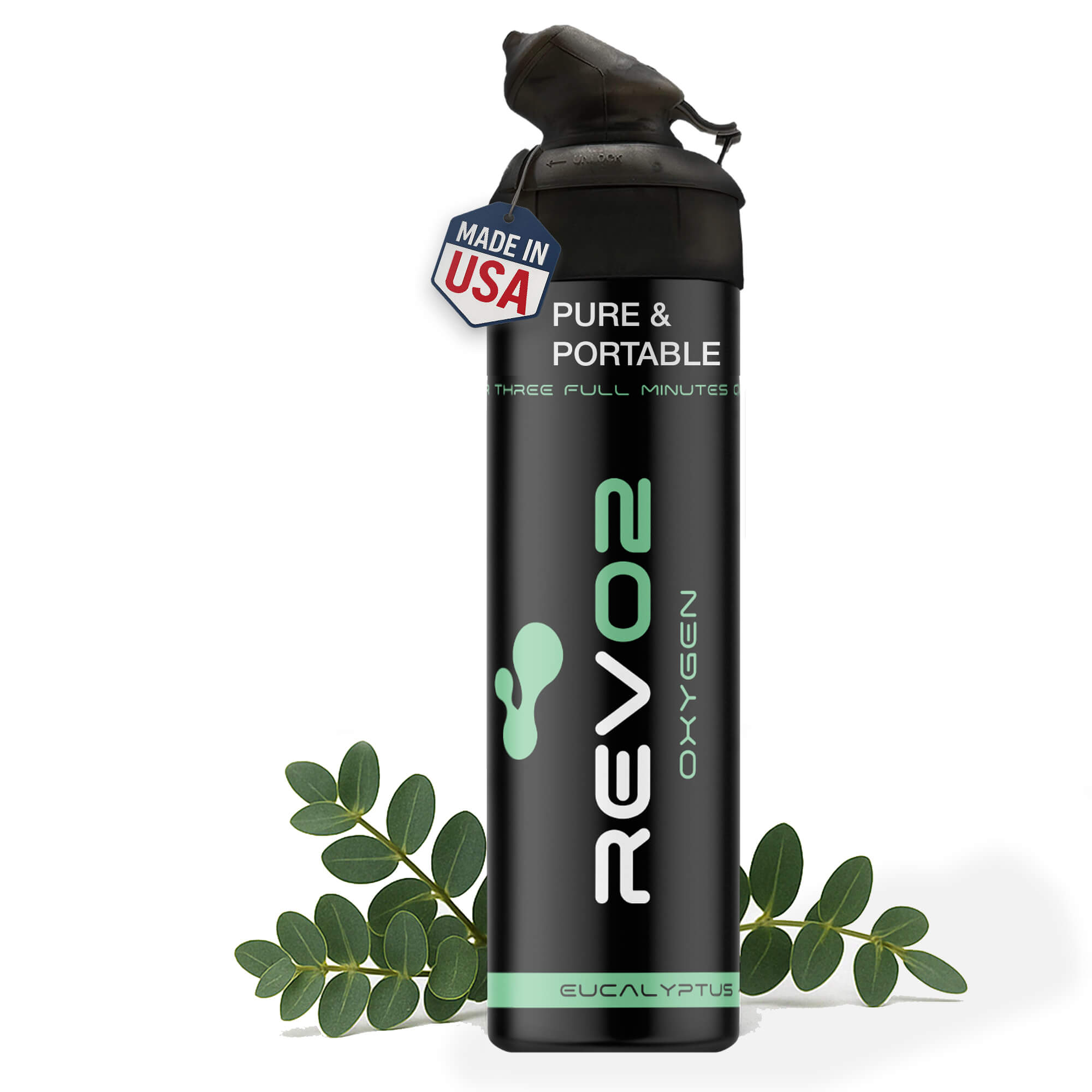
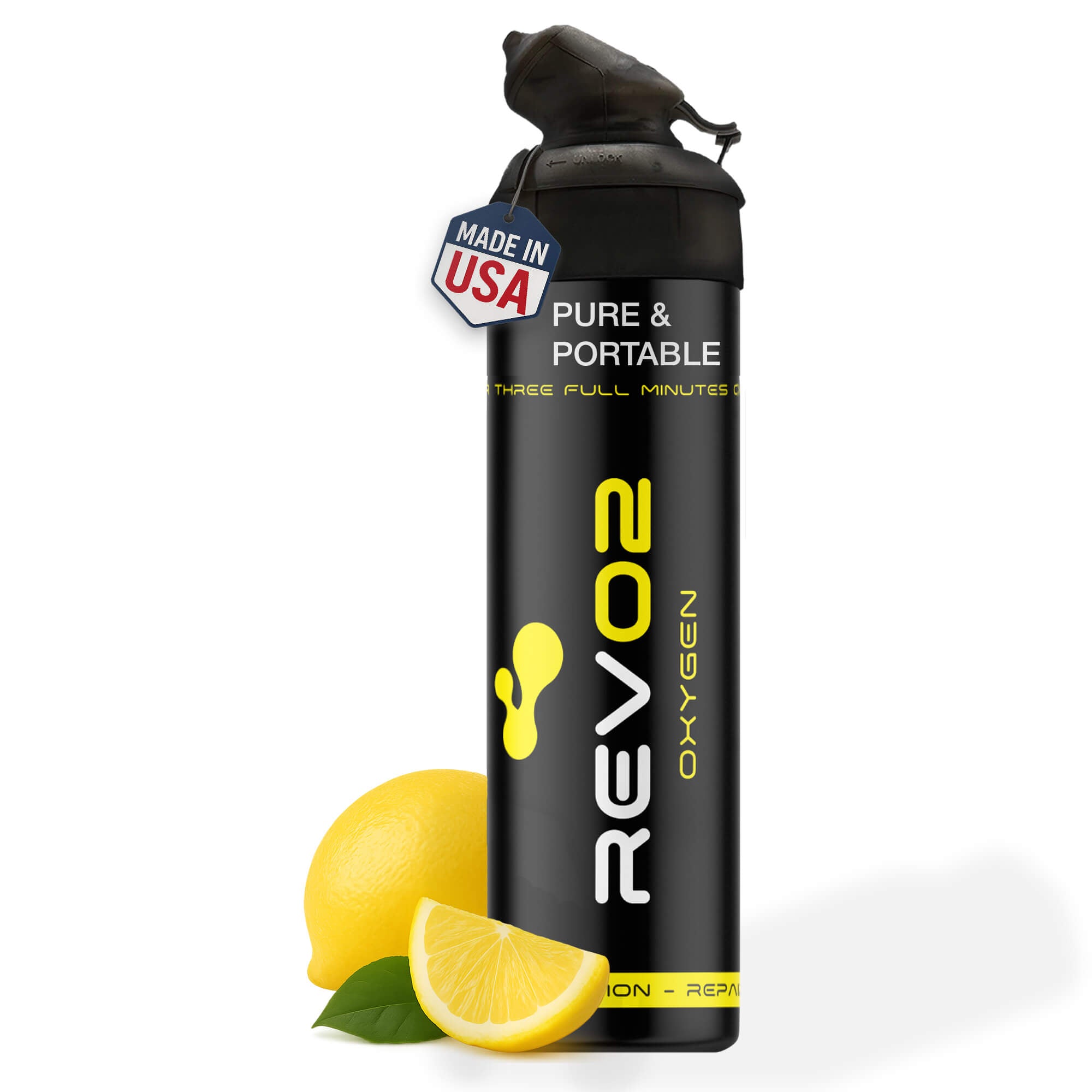
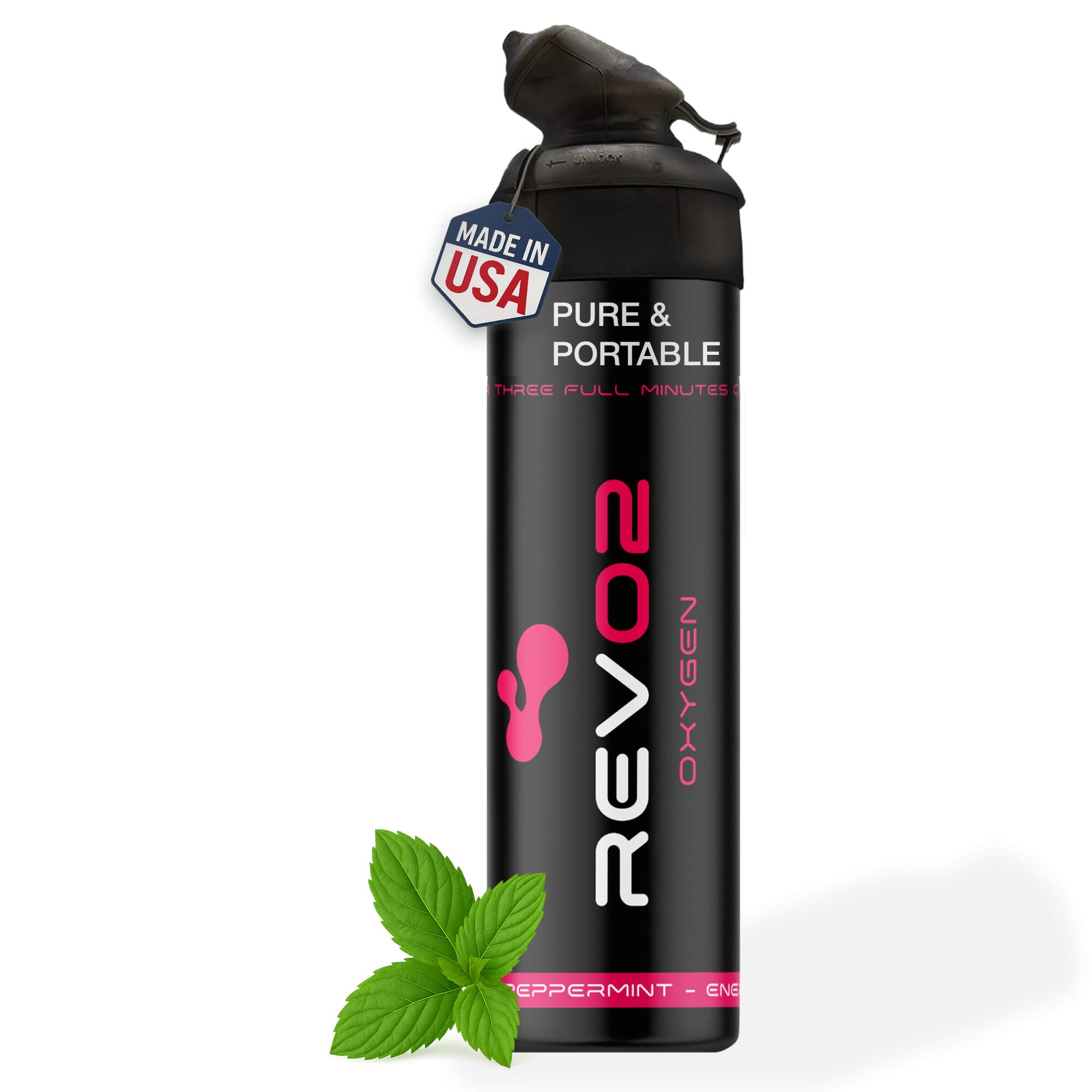
Revo2 delivers 98% pure canned oxygen through a zero-leak mouthpiece designed for clean, efficient inhalation. Whether you are working at altitude, pushing through mental fatigue, or supporting cognitive health as you age, Revo2 provides a portable, accessible way to restore SpO2 quickly. The product line includes peppermint and lemon flavors, available as single cans or multi-pack options for sustained use. For anyone new to supplemental oxygen, the safe usage guide covers everything you need to get started confidently. Browse the full canned oxygen collection to find the right fit for your cognitive and performance goals.
FAQ
What is the cognitive performance oxygen link?
The cognitive performance oxygen link refers to the direct relationship between cerebral oxygenation and mental functions including memory, focus, and reaction time. When SpO2 drops, neuronal function degrades and measurable cognitive impairment follows.
At what oxygen level does cognitive performance decline?
Research shows significant cognitive decline begins at approximately 14.5% FiO2, which corresponds to conditions found at high altitude. Working memory and cognitive flexibility are among the first functions affected.
Does supplemental oxygen improve brain function?
Supplemental oxygen can restore cognitive clarity in situations where SpO2 has dropped due to altitude, fatigue, or aging. It is most effective as a targeted intervention rather than a daily replacement for exercise and sleep.
How does exercise improve cognitive performance through oxygen?
Aerobic exercise increases prefrontal cortex oxygenation, stimulates angiogenesis, and promotes neuroplasticity through BDNF release. These adaptations produce sustained cognitive benefits that supplemental oxygen alone cannot replicate.
Are older adults more vulnerable to oxygen-related cognitive decline?
Middle-aged and older adults experience earlier and more pronounced cognitive and cerebral oxygenation declines under hypoxic conditions compared to younger people, due to reduced cerebrovascular efficiency and lung capacity.