
Breathing improvement techniques are structured exercises that train your respiratory muscles, regulate your nervous system, and improve how efficiently your body uses oxygen. The most effective examples include box breathing, diaphragmatic breathing, 4-7-8 breathing, and pursed-lip breathing. Each method targets a different aspect of respiratory function, from calming acute stress to strengthening the diaphragm over time. Practiced consistently, these techniques do not increase lung volume but improve functional capacity by training your diaphragm to empty your lungs more fully and reduce carbon dioxide retention.
1. What are the best examples of breathing improvement techniques?
The four most clinically supported examples of breathing improvement techniques are box breathing, 4-7-8 breathing, diaphragmatic breathing, and pursed-lip breathing. Each one addresses a specific need: stress relief, nervous system regulation, muscle strengthening, or activity management. Understanding what each technique does helps you choose the right one for the right moment.
Box breathing and diaphragmatic breathing build a strong foundation for daily respiratory health. The 4-7-8 method works best for acute relaxation. Pursed-lip breathing shines during physical activity. Together, they cover the full range of situations where breath control makes a real difference.

2. What is box breathing and how does it help?
Box breathing is a rhythmic technique that uses equal timing for each phase of the breath cycle. Clinical evidence shows it reduces stress and supports focus before demanding tasks, including in trials with breast cancer survivors managing anxiety.
How to practice box breathing:
- Inhale slowly through your nose for 4 counts.
- Hold your breath for 4 counts.
- Exhale slowly through your mouth for 4 counts.
- Hold again for 4 counts before the next inhale.
- Repeat for 4–6 cycles.
The equal timing creates a predictable rhythm that signals safety to your nervous system. That rhythm is what separates box breathing from casual deep breathing. Your body responds to the pattern, not just the depth of the breath.
Pro Tip: Start with a 3-count box if 4 counts feels too long. Build up gradually over a week rather than forcing a longer hold on day one.
3. How does the 4-7-8 breathing technique reduce stress?
The 4-7-8 technique is one of the most effective breathing methods for relaxation because it uses an extended exhale to activate the parasympathetic nervous system. This rhythm involves inhaling quietly through the nose for 4 seconds, holding for 7 seconds, and exhaling through the mouth for 8 seconds. The long exhale is the key. It slows your heart rate and shifts your body out of the “fight or flight” response.
Key points for practicing the 4-7-8 method correctly:
- Keep the inhale quiet and gentle, not a forceful gulp of air.
- Press the tip of your tongue to the ridge behind your upper front teeth throughout.
- Make the exhale audible, like a soft whoosh through slightly parted lips.
- Complete 4 full cycles per session, no more when you are starting out.
- Practice twice daily, ideally before sleep and after a stressful event.
Quiet, slow nasal breathing is more effective for nervous system regulation than forceful deep breaths. Many people mistakenly gasp in air, which triggers tension rather than releasing it. The 4-7-8 method works precisely because it enforces a slow, controlled pace throughout.
4. What is diaphragmatic breathing and why is it effective?
Diaphragmatic breathing, also called abdominal breathing, trains the diaphragm to do the primary work of respiration instead of the shallow chest muscles. According to Dr. Haouzi at Cleveland Clinic, stronger diaphragmatic control allows you to use your existing lung capacity more efficiently. That efficiency translates directly into better endurance, lower resting heart rate, and reduced breathlessness during daily tasks.
How to practice diaphragmatic breathing:
- Lie on your back with one hand on your chest and one on your belly.
- Inhale through your nose and feel your belly rise. Your chest should stay mostly still.
- Exhale through pursed lips and feel your belly fall.
- Hold the exhale for a moment before the next breath.
- Practice for 5–10 minutes per session.
Medical guidelines in 2026 recommend practicing breathing exercises at least 4 times per day to retrain the diaphragm and strengthen respiratory muscles. That frequency matters because you are relearning a movement pattern, not just relaxing. Consistent repetition builds the muscle memory that carries over into your breathing during exercise, stress, and sleep.
Pro Tip: Practice diaphragmatic breathing while seated at your desk. Place one hand on your belly and check that it rises on every inhale. This builds the habit without requiring extra time in your day.
5. How can pursed-lip breathing enhance everyday activities?
Pursed-lip breathing is the most practical technique for managing breathlessness during physical activity. It slows the breathing rate, keeps airways open longer, and helps release trapped air from the lungs. Clinical guidelines recommend using it specifically during stair climbing, walking, and other activities that trigger shortness of breath.
How to use pursed-lip breathing during activity:
- Inhale through your nose for 2 counts before the exertion begins.
- Pucker your lips as if you are about to whistle.
- Exhale slowly through pursed lips for 4 counts during the effort.
- For walking, inhale for 2 steps and exhale for 4 steps.
- For stair climbing, inhale at the bottom of the step and exhale as you push up.
The extended exhale is what makes this technique work. It prevents the breath stacking that causes the panicked, gasping feeling during exertion. Practitioners recommend integrating breath pacing into daily movements like walking and stair climbing for the best real-world results.
6. Comparing breathing techniques: which one fits your situation?
Choosing the right technique depends on your goal in the moment. The table below compares the four core methods across the factors that matter most for practical use.
| Technique | Primary benefit | Best situation | Effort level |
|---|---|---|---|
| Box breathing | Stress reduction, focus | Before a stressful task or meeting | Low to moderate |
| 4-7-8 breathing | Relaxation, sleep onset | Anxiety, winding down at night | Low |
| Diaphragmatic breathing | Respiratory muscle strength | Daily training, post-exercise recovery | Moderate |
| Pursed-lip breathing | Activity breathlessness control | Stair climbing, walking, light exercise | Low |
No single technique is superior for every situation. Box breathing and 4-7-8 breathing address the nervous system directly. Diaphragmatic breathing builds the physical foundation. Pursed-lip breathing manages real-time breathlessness. Practicing at approximately 6 breath cycles per minute reduces stress and regulates the autonomic nervous system, and several of these techniques naturally hit that rhythm when practiced correctly.
Key Takeaways
Consistent daily practice of structured breathing techniques improves respiratory efficiency, reduces stress, and builds the diaphragm strength needed for better oxygen use across all activities.
| Point | Details |
|---|---|
| Functional capacity, not lung size | Breathing techniques improve how efficiently you use existing lung capacity, not the volume itself. |
| Frequency over intensity | Practicing 4 times daily with gentle breaths outperforms occasional intense sessions. |
| Match technique to situation | Use box breathing for focus, 4-7-8 for relaxation, diaphragmatic for training, and pursed-lip during activity. |
| Slow nasal breathing wins | Quiet, soft nasal inhalation regulates the nervous system better than forceful deep breaths. |
| Integration is the goal | Embedding breath control into walking and stair climbing builds lasting respiratory habits. |
What I have learned from actually practicing these techniques
A perspective from Paul
Most people approach breathwork the way they approach a new workout: they go hard, expect fast results, and quit when it feels awkward. That is the wrong frame entirely.
The first week of diaphragmatic breathing felt unnatural to me. My chest kept rising. My belly barely moved. I was convinced I was doing it wrong. What I did not realize was that years of shallow chest breathing had made the correct pattern feel foreign. The discomfort was not failure. It was relearning.
The shift that changed everything was treating breath practice like brushing my teeth. Four short sessions a day, not one long heroic effort. Consistency over intensity is the actual mechanism of progress here. The nervous system adapts to repeated gentle signals, not occasional dramatic ones.
The other thing nobody tells you: the 4-7-8 technique feels slightly uncomfortable the first few times because of the 7-second hold. Your instinct is to release early. Sitting with that mild discomfort is the point. That is where the parasympathetic shift happens. Push through the first three days and it becomes genuinely calming.
If you only adopt one technique, make it pursed-lip breathing during your next walk. You will feel the difference in your breathing rhythm within a single session. That immediate feedback is what builds the motivation to keep going with the others.
— Paul
Revo2 and your breathing efficiency
Good technique lays the foundation. Sometimes your body needs more than technique alone, especially at altitude, during recovery, or when fatigue sets in faster than expected.

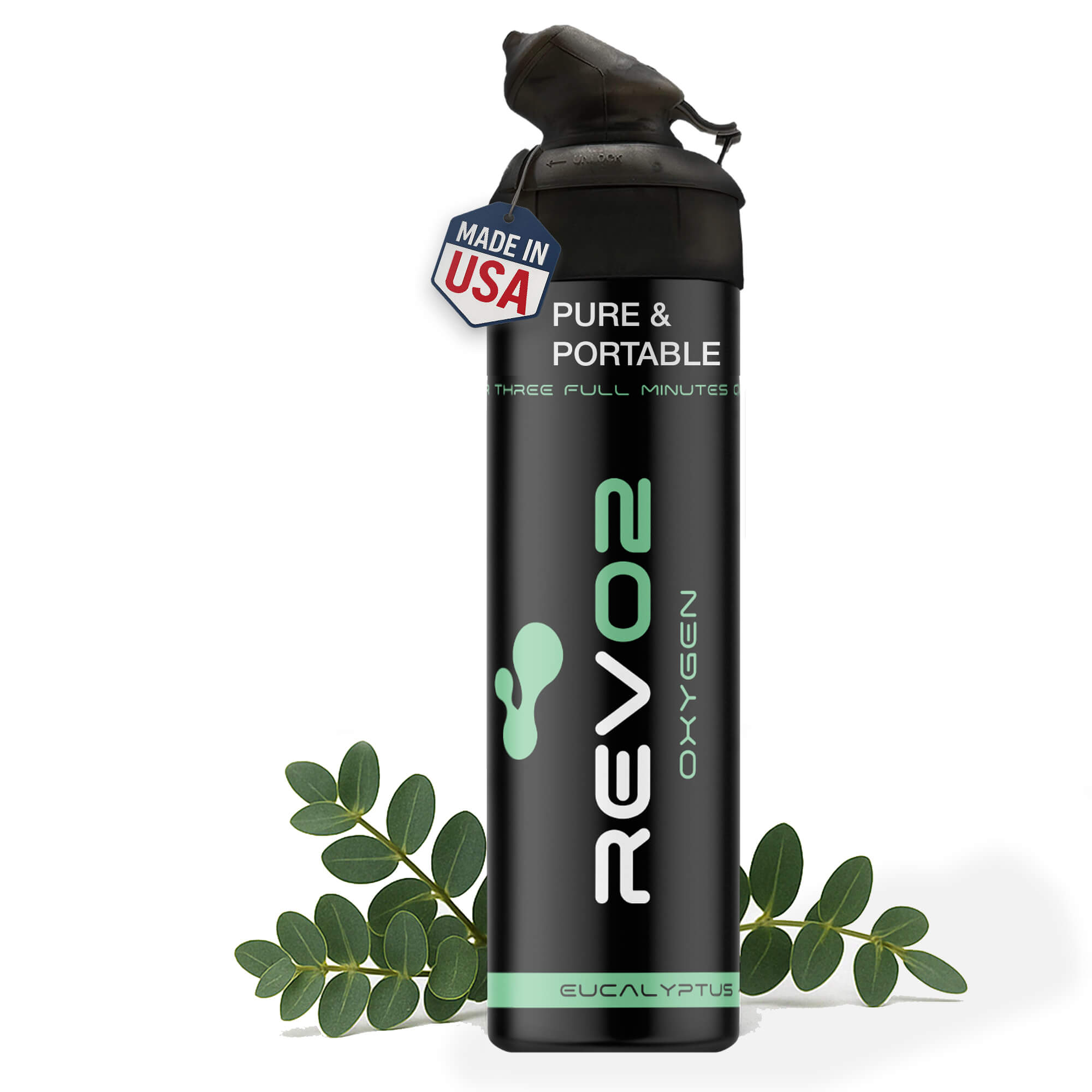
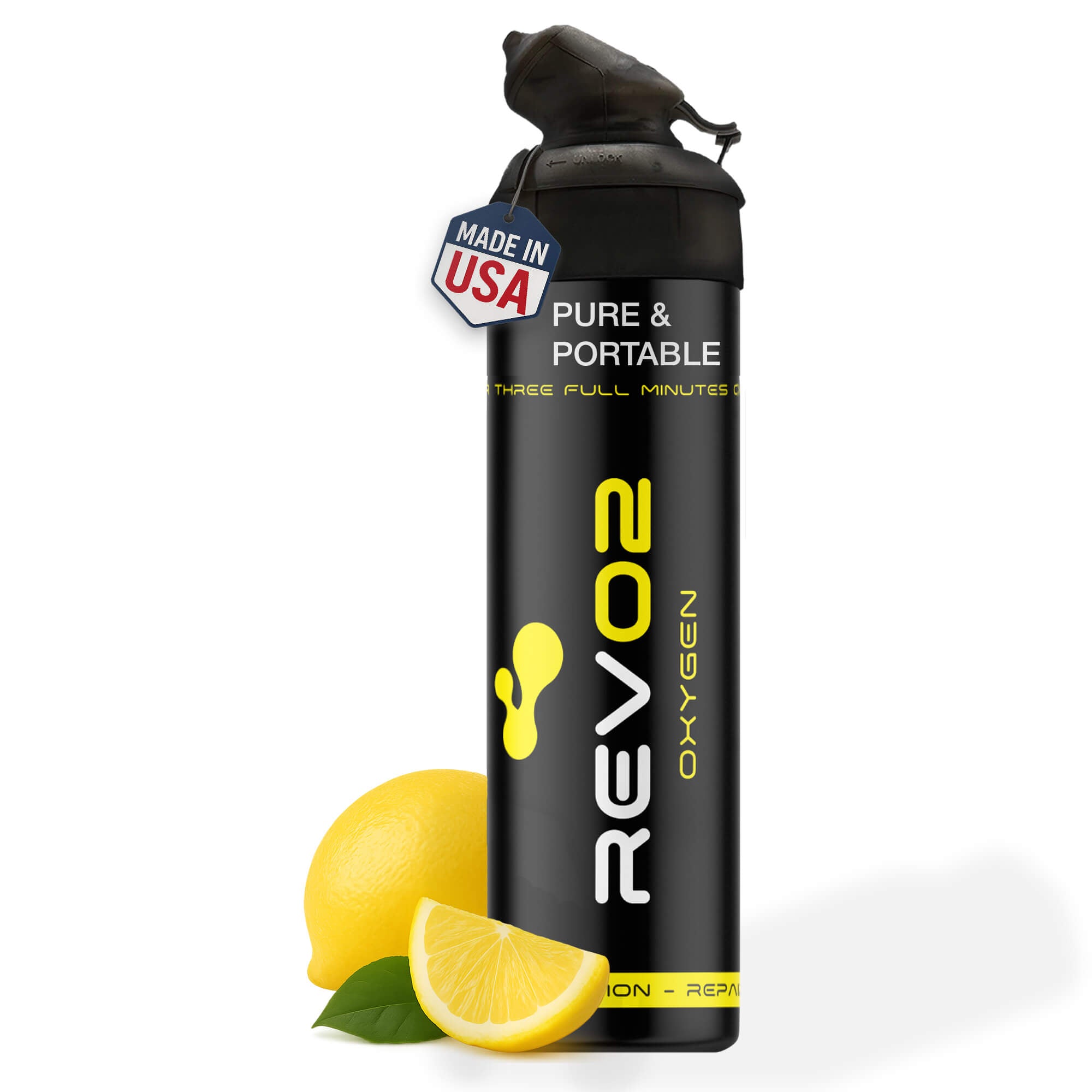
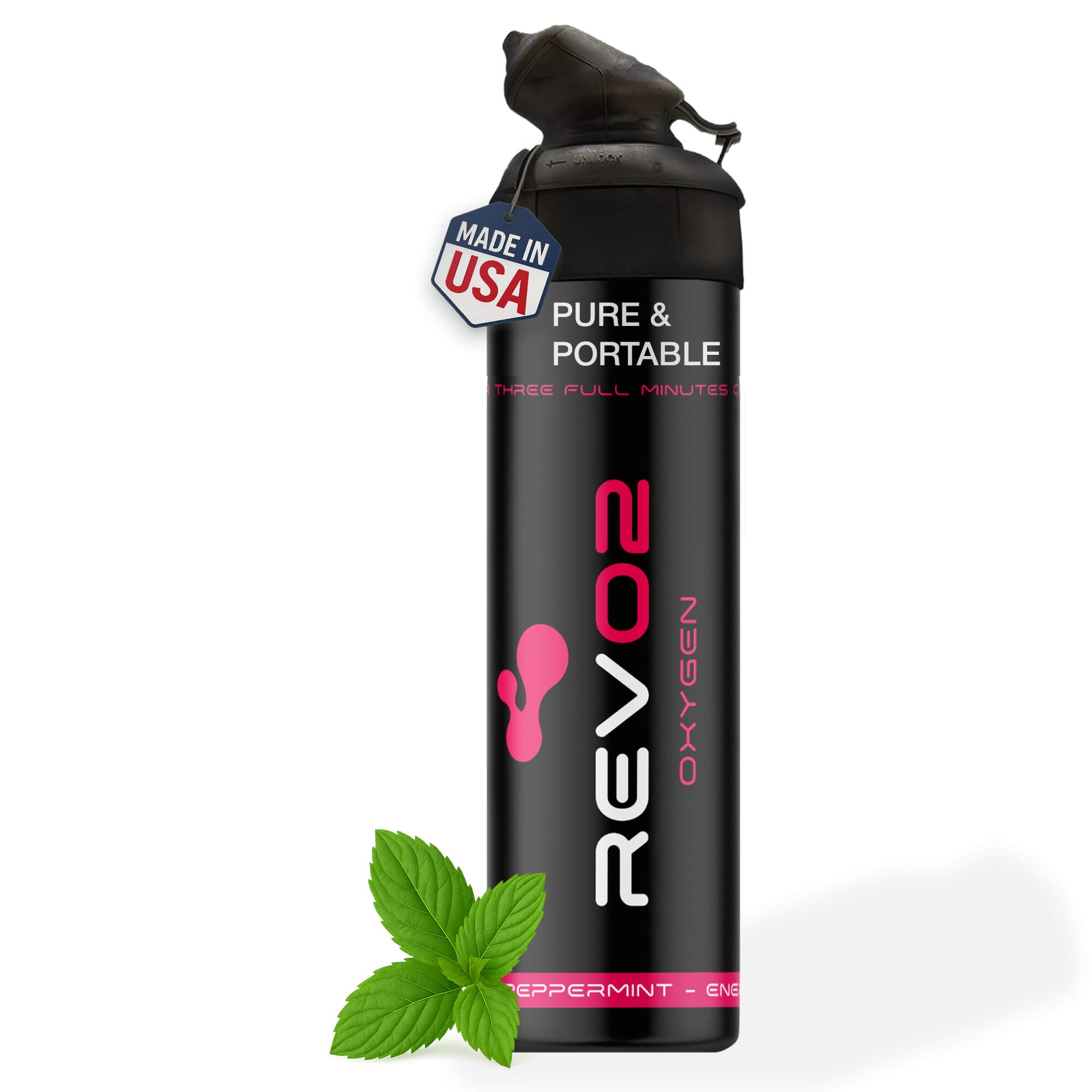
Revo2 delivers 98% pure canned oxygen through a zero-leak mouthpiece, giving your respiratory system a direct boost when breath control alone is not enough. Whether you are recovering after a hard workout, managing energy at elevation, or simply hitting an afternoon wall, Revo2 canned oxygen works alongside your breathing practice to support oxygen saturation and mental clarity. Athletes and travelers use it as a practical complement to the techniques covered here. For those who want a convenient starting point, the Revo2 Essentials Bundle provides three cans ready for any situation. Learn the correct way to use supplemental oxygen at the Revo2 usage guide.
FAQ
What are the easiest breathing techniques for beginners?
Pursed-lip breathing and box breathing are the easiest starting points. Both require no equipment, take under five minutes to learn, and produce noticeable results within a single session.
How many times a day should you practice breathing exercises?
Medical guidelines recommend at least 4 practice sessions daily. Short, consistent sessions retrain the diaphragm more effectively than one long session.
Does deep breathing actually increase lung capacity?
Breathing exercises do not increase lung volume. They improve functional capacity by training the diaphragm to empty the lungs more fully and reduce carbon dioxide retention.
Which breathing technique is best for stress relief?
Box breathing and the 4-7-8 method are the most effective for stress relief. Both activate the parasympathetic nervous system and reduce anxiety within minutes of practice.
Can breathing techniques help during physical activity?
Pursed-lip breathing is specifically designed for activity. Inhaling for 2 steps and exhaling for 4 during walking controls breathlessness and improves endurance in real-world conditions.