
Empty recreational canned-oxygen canisters are often recyclable, but acceptance depends entirely on your local program. The one condition that matters everywhere is emptiness: a can must be completely free of gas and liquid before it goes anywhere near a recycling bin. Federal guidance from the Illinois State University EHS aerosol program and search tools like Earth911 can help you confirm what your local facility accepts, and REV/O2 publishes its own safety guidance to help you handle empties correctly.
TL;DR:
- Most cities accept empty canned oxygen in curbside recycling if the can is completely free of gas and liquid, but smaller towns often require HHW drop-off.
- Verify emptiness by spraying outdoors until no gas escapes and shaking to check for residual liquid; if anything remains, treat it as hazardous waste.
- Facilities require cans to be fully depressurized before recycling, and never puncture or crush the can to speed up the process due to safety risks.
- Use locator tools like Earth911 or Recycle Coach to confirm local disposal options, and always keep partially full cans upright and stored in a cool place.
- Following proper disposal procedures helps prevent injury to waste workers and ensures cans are recycled or disposed of safely and correctly.
Table of Contents
- Quick 5-step checklist to prepare a can for recycling or safe disposal
- How local programs treat aerosol and pressurized cans
- Finding local disposal options and what happens at drop-off
- Safety pitfalls to avoid when prepping cans for recycling
- Why safe disposal matters to us at REV/O2
- Where to confirm local rules and procedures
- Sources
- FAQ
Quick 5-step checklist to prepare a can for recycling or safe disposal
Before a canned-oxygen container goes into any bin, it needs a quick check. This sequence takes less than a minute and removes most of the guesswork about whether a can is ready.
- Spray the can in a well-ventilated area until you hear no gas and feel no pressure coming out.
- Shake the can gently. If you hear or feel liquid movement, it is not empty yet.
- Remove the plastic cap and set it aside. Many programs recycle caps separately from the metal body.
- If any product remains after spraying and shaking, hold onto the can for household hazardous waste (HHW) collection rather than curbside recycling.
- Confirm acceptance with a tool like Earth911 or Recycle Coach, or call your local solid-waste authority directly.
Verifying that a can is empty matters because facilities rely on that condition to process cans safely, a point confirmed by Illinois State University’s guidance on aerosol cans, which recommends spraying until no gas or sound remains and shaking to check for leftover liquid.
Pro Tip: Spray outdoors or near an open window. If you can’t hear or feel anything coming out after a firm press, the can is likely empty and ready for the next step.
How local programs treat aerosol and pressurized cans
Not every recycling program treats an empty oxygen can the same way, and that inconsistency is the biggest source of confusion for people trying to do the right thing. Three different paths tend to show up, depending on where you live.
- Many large-city material recovery facilities (MRFs) accept empty aerosol cans directly in curbside bins.
- Smaller towns and rural counties often lack the equipment to process aerosol cans safely and route them to household hazardous waste (HHW) drop-off instead.
- States that have adopted federal universal-waste provisions for aerosol cans, including California and Colorado, tend to offer more flexible collection options than states that have not.
Aerosol cans are only classified as recyclable scrap metal once they meet emptiness standards, a distinction the EPA’s universal waste rulemaking was designed to clarify and encourage across state programs. This matters at the facility level too: MRFs that accept empty cans typically puncture and drain them mechanically, then separate the recovered metal for smelting, a process outlined by Earth911’s aerosol can recycling guide. Facilities require full emptiness because their equipment is calibrated for cans with no residual pressure or liquid, not because of an arbitrary preference.
Finding local disposal options and what happens at drop-off
Because acceptance rules shift from one zip code to the next, your best move is checking a locator tool before assuming curbside works. Two resources cover most of the ground.
- Search Earth911’s recycling locator with terms like “aerosol cans” or “canned oxygen” plus your zip code to find nearby options.
- Use Recycle Coach’s “What Goes Where” tool, which many municipalities license directly, to see your specific city’s rules.
- Call your municipal solid-waste authority and ask directly: “Do you accept empty aerosol or pressurized cans curbside, or do you require HHW drop-off?”
- Check whether a nearby pharmacy or retailer offers a take-back program, though these are less common for recreational oxygen cans than for batteries or electronics.
If a can still has product left in it, HHW centers are equipped to handle the depressurization safely, something curbside programs are not set up to do, according to guidance on household hazardous waste from the EPA. Before you drop off a partially full can, leave the nozzle intact and transport it upright in a cool part of your vehicle. Recycle Coach also recommends holding the can near a rag or tissue to check for any residual spray before you decide which bin it belongs in, guidance detailed in its aerosol can recycling mistakes article.
Safety pitfalls to avoid when prepping cans for recycling
The most dangerous mistake people make with pressurized cans is trying to speed up the process themselves. Puncturing, crushing, or forcing off the nozzle can release built-up pressure unpredictably, creating a fire or injury risk that facilities avoid by using specialized depressurizing equipment.
- Never puncture or crush a canned-oxygen container, even if you believe it is empty.
- Keep cans away from heat sources, direct sunlight, and open flame both during use and storage, a precaution REV/O2 details in its guide on oxygen can flammability.
- Store empty cans in a cool, dry spot until you can get them to an accepted drop-off point.
- Leave the nozzle attached. Recycling and HHW facilities are equipped to remove it safely as part of their process.
Pro Tip: If you’re storing a can in a vehicle before a recycling run, keep it out of direct sun. REV/O2’s guide on storing oxygen cans in your car covers the temperature ranges to avoid.
For anyone weighing consumer product handling against clinical practice, healthcare facilities follow their own structured disposal checklists for oxygen equipment, a useful point of comparison found in this suction canister disposal checklist, though those procedures apply to a different category of equipment than recreational canned oxygen.
Why safe disposal matters to us at REV/O2

We design REV/O2 cans to be simple to use, but we think just as much about what happens after the can is empty. Waste workers handle thousands of aerosol containers a day, and a can that still holds pressure or product puts them at unnecessary risk. That is why our how-to-use guide walks through proper handling from first use to final disposal, not just the steps in between.
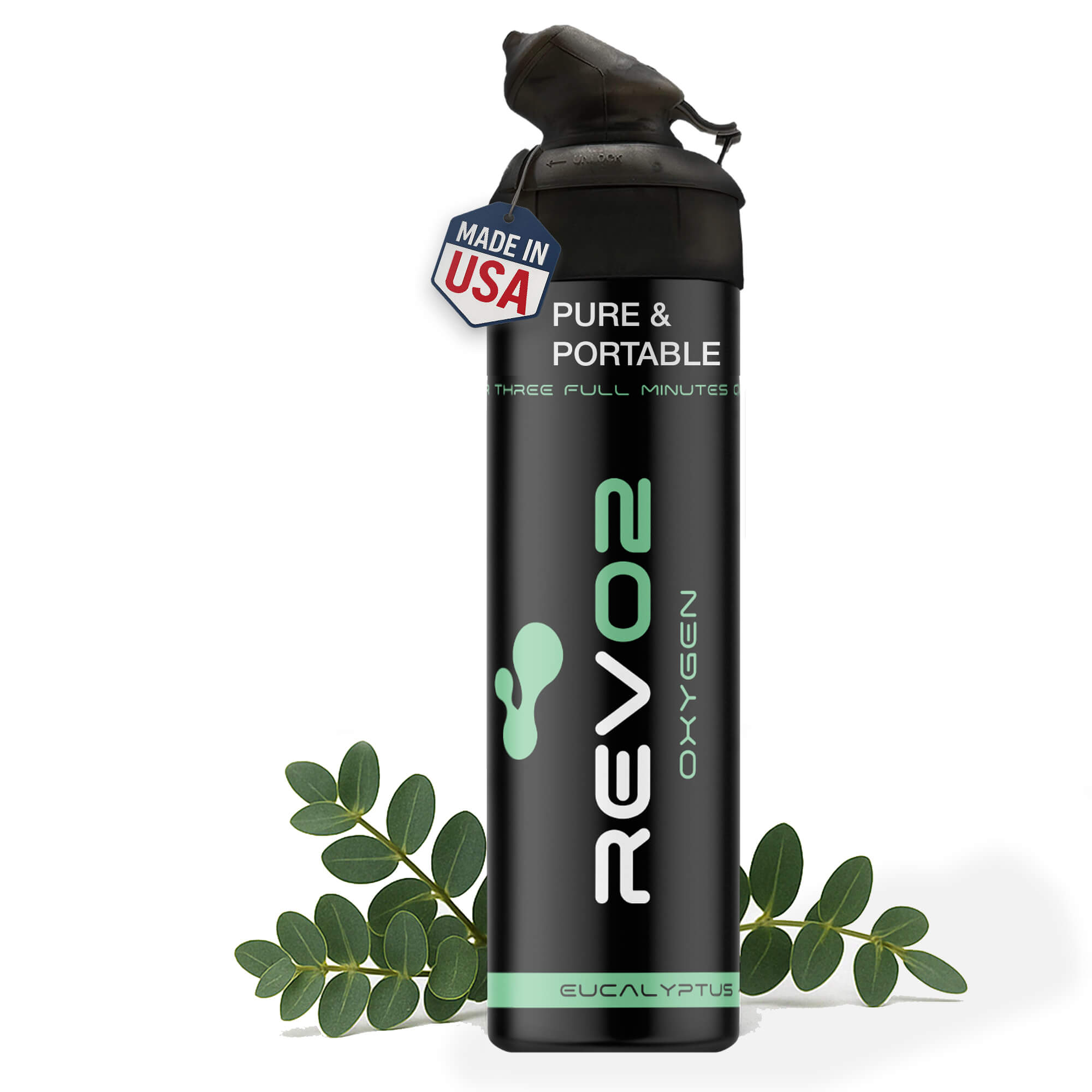
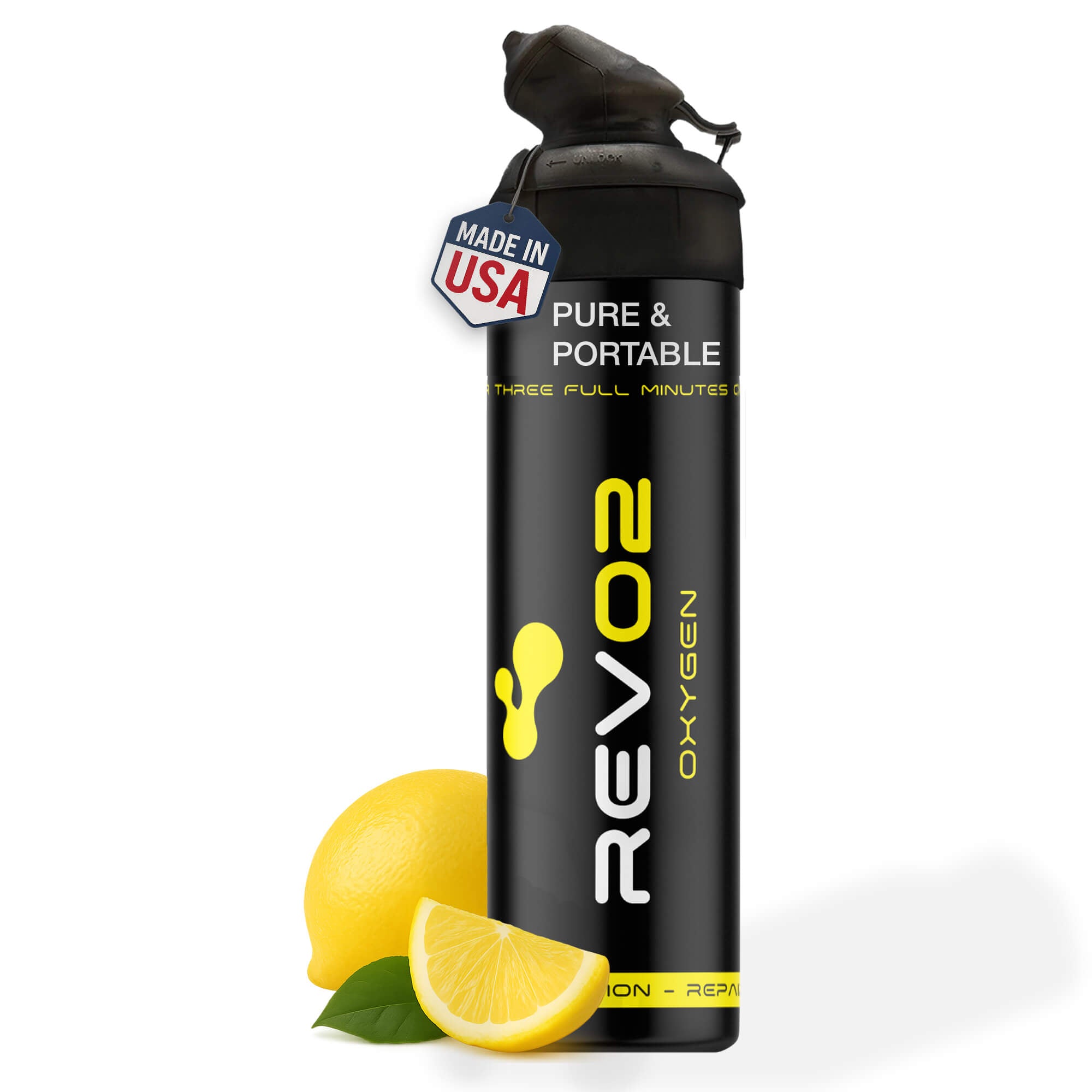
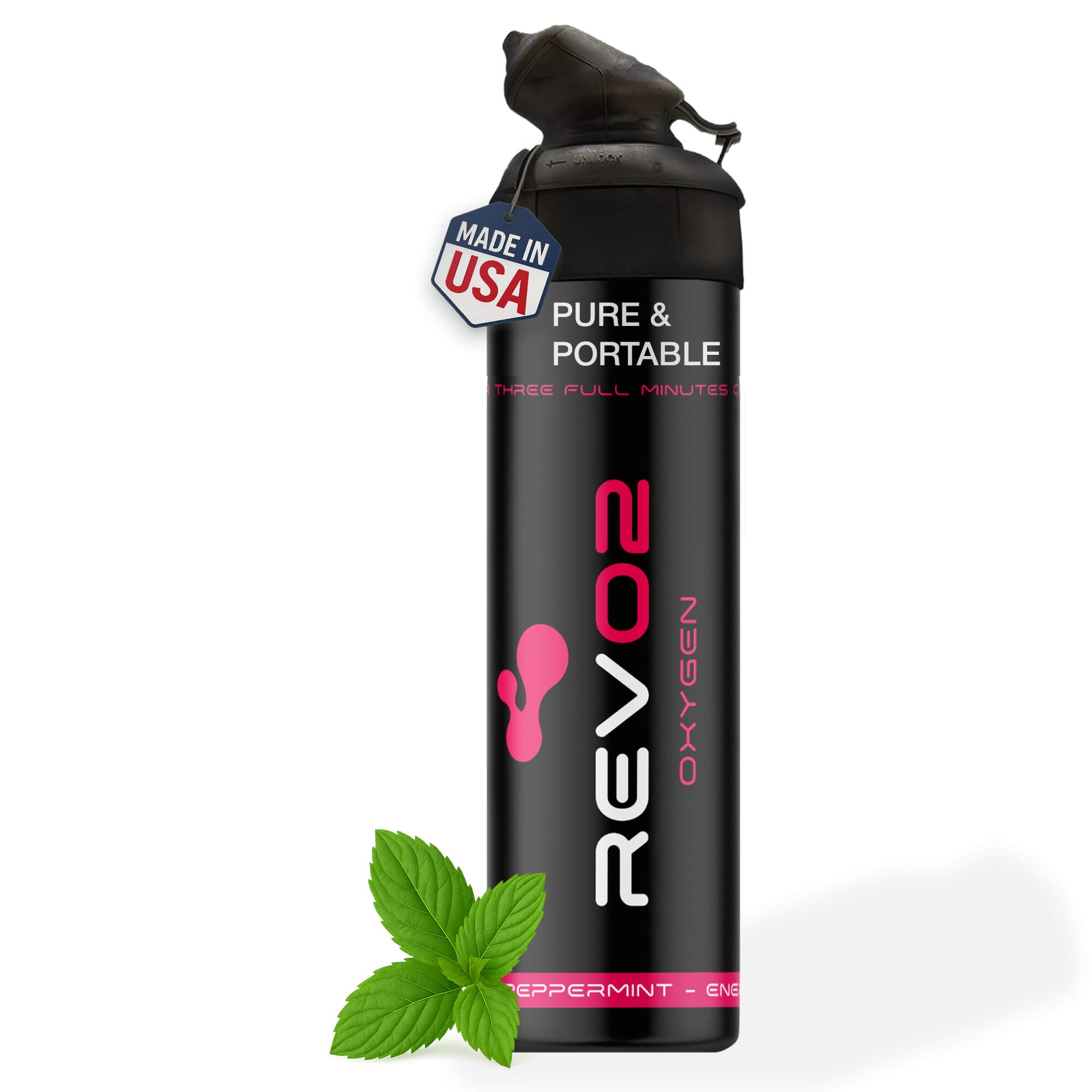
Following the checklist in this article protects the people sorting recycling streams and keeps your empty cans out of landfill when a better option exists. We would rather see a can recycled correctly than tossed somewhere it does not belong, and we build our safety resources with that outcome in mind. If you are restocking after clearing out your empties, our canned oxygen collection covers the Peppermint, Lemon, and Eucalyptus lines side by side.
— Paul
Where to confirm local rules and procedures
For rules specific to your area, start with the EPA’s universal waste guidance, then cross-check acceptance with Earth911’s locator or your city’s Recycle Coach page. Calling your local HHW facility directly remains the most reliable way to confirm procedures.
Sources
- Aerosol cans (Illinois State University EHS)
- How to recycle aerosol cans (Earth911)
- Increasing recycling: adding aerosol cans to the universal waste regulations (EPA)
- 5 mistakes to avoid when recycling aerosol cans (Recycle Coach)
FAQ
Can I put an empty oxygen can in curbside recycling?
In many cities, yes, as long as the can is completely empty of gas and liquid. Smaller municipalities often require household hazardous waste drop-off instead, so it is worth confirming with your local solid-waste authority or a tool like Earth911.
How do I know if my oxygen can is fully empty?
Spray it in a ventilated area until you hear no gas and feel no pressure, then shake it gently to check for leftover liquid. If you notice any sound, resistance, or liquid movement, treat the can as not empty and route it to HHW collection instead.
Is it safe to puncture or crush an oxygen can before recycling?
No, puncturing or crushing a pressurized can yourself creates a fire and injury risk. Recycling and HHW facilities use specialized equipment to depressurize cans safely, which is why consumers should never attempt it at home.
What should I do with a can that still has product in it?
Do not place a partially full can in curbside recycling. Take it to a household hazardous waste facility, which is equipped to handle depressurization and disposal safely.
Where can I buy a replacement can after recycling my empty one?
REV/O2 offers Peppermint, Lemon, and Eucalyptus canned oxygen through its main product collection, each formulated for a different use case from energy and endurance to recovery and focus.