
Mobility-friendly breathing support options are compact, portable devices designed to deliver effective respiratory assistance without restricting movement. The category includes portable oxygen concentrators (POCs), handheld respiratory muscle trainers, and mobile airway clearance vests. Each device targets a different aspect of respiratory function, from oxygen saturation and diaphragm strength to secretion clearance. Whether you are an athlete managing altitude fatigue, a senior staying active, or someone managing a chronic respiratory condition, the right adaptive breathing solution can protect both your performance and your independence.
1. What are the most effective portable oxygen concentrators for mobility?
Portable oxygen concentrators are the most widely used accessible respiratory support devices for people who need supplemental oxygen while staying active. They filter ambient air and concentrate it to deliver medical-grade oxygen, eliminating the need for heavy tanks. The key variables that separate a useful POC from a burdensome one are weight, battery life, and noise output.
Weight is the first filter. Lightweight POCs weigh around 5 lbs and offer adjustable flow settings from 1 to 8 liters per minute, with dual batteries supporting 4.5 to 9 hours of use. That range covers a full day of moderate activity without a recharge stop. Some ultra-light models push the weight floor even lower. The OxyGo FIT weighs 2.8 lbs and operates at approximately 40 decibels, quiet enough for use in a library or office, and fits in a shoulder bag for all-day wear.
Battery performance and flow mode matter equally. POCs offer two delivery modes:
- Pulse dose: Oxygen releases only when the device detects an inhalation. This conserves battery and extends runtime, making it the preferred mode for ambulatory use.
- Continuous flow: Oxygen delivers at a constant rate regardless of breathing pattern. This suits users with higher oxygen requirements or those who breathe through their mouths during sleep or exertion.
Noise level affects daily adherence. A device that draws attention or causes self-consciousness gets left at home. Units operating below 45 decibels integrate into daily life without friction.
Pro Tip: If you travel frequently by air, confirm FAA approval before purchasing any POC. Most modern units carry FAA clearance, but verification before booking avoids complications at the gate.
2. How handheld breathing trainers improve respiratory muscle strength
Handheld breathing trainers work on a simple principle: they add resistance to inhalation or exhalation, forcing the diaphragm and intercostal muscles to work harder. Think of it as strength training for your lungs. Breath trainers strengthen the diaphragm and intercostal muscles, delaying respiratory fatigue and improving oxygen delivery during sustained physical effort.
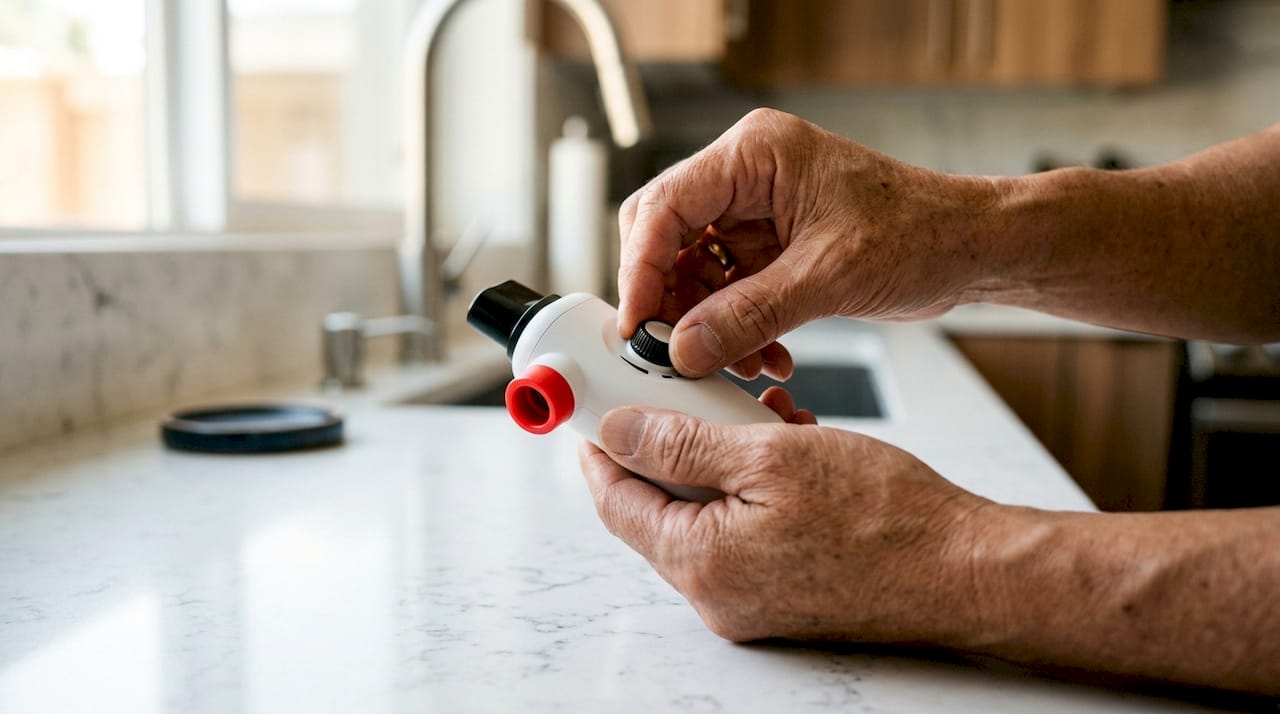
The mechanism transfers directly to performance. When respiratory muscles are stronger, they consume less of the body’s total oxygen budget during exercise. That leaves more oxygen available for the working muscles in your legs and arms. The result is that you can maintain pace longer with less breathlessness during runs, hikes, or cycling sessions.
Effective use follows a progressive protocol:
- Start with low resistance. Begin at the lowest resistance setting and focus on full, controlled breaths. Rushing the load increase is the most common mistake.
- Practice 5 minutes daily. Consistency outperforms duration. Short daily sessions build respiratory endurance faster than occasional long sessions.
- Add a pre-activity warm-up. Five to ten breath cycles against resistance before exercise primes the respiratory muscles, similar to a dynamic warm-up for legs.
- Increase resistance gradually. Raise the setting only when the current level feels easy for the full session. Progressive use builds respiratory endurance the same way progressive overload builds muscular strength.
- Track breathlessness scores. Use a simple 1–10 perceived exertion scale for breathing to measure improvement over weeks.
Handheld trainers are the most portable breathing aids for mobility in this category. They weigh ounces, require no power source, and fit in a jacket pocket. For a deeper look at how breathing technique compounds these gains, the breathing improvement guide from Revo2 covers practical protocols worth reading alongside trainer use.
Pro Tip: Use your breathing trainer on rest days, not just training days. Recovery-day sessions build muscle endurance without adding cardiovascular load.
3. What role do mobile airway clearance vests play in accessible respiratory support?
Airway clearance vests address a different problem. Rather than supplementing oxygen or strengthening muscles, they physically mobilize mucus in the airways, which is critical for people with cystic fibrosis, bronchiectasis, or COPD. Traditional high-frequency chest wall oscillation (HFCWO) systems required large electrical generators. Modern mobile versions eliminate that constraint entirely.
Mobile percussion vests use oscillating motors instead of bulky external generators, allowing therapy during light activities like walking. This is a meaningful clinical shift. Adherence to airway clearance therapy improves when patients can move during treatment rather than sitting stationary for 20 to 30 minutes.
Key features that define a genuinely mobile vest:
- Battery operation: Removes dependence on wall power, enabling use at home, outdoors, or during travel.
- Multiple treatment modes: Adjustable oscillation frequencies let users or clinicians tailor therapy to secretion type and location.
- Discreet design: Vests that fit under loose clothing reduce the social barrier to consistent use.
- Lightweight construction: A vest that adds significant bulk or weight discourages use during activity.
The therapeutic outcomes from consistent vest use include reduced hospitalizations and measurably improved secretion clearance. For people managing chronic lung conditions, that translates to fewer acute exacerbations and better baseline respiratory function. Mobility assistance respiratory care that patients actually use consistently delivers far better outcomes than technically superior devices that stay in the closet.
4. Electricity-free devices: a safety advantage for mobile use
Not every portable breathing device requires a battery or power outlet. Devices that operate from pressurized oxygen rather than electrical pumps carry a critical safety advantage in mobile and emergency scenarios. If a battery dies mid-hike or during a power outage, an electricity-free device continues functioning.
The OxyJet CPAP design demonstrates this principle. It delivers up to 65 liters per minute of oxygenated airflow without requiring electric power, relying instead on pressurized oxygen as its driving force. For emergency preparedness or use in remote locations, this design philosophy matters more than most buyers realize.
Electricity-free options also simplify international travel. Voltage compatibility, adapter requirements, and airline power restrictions become irrelevant. The device works wherever pressurized oxygen is available. For users who prioritize emergency readiness alongside daily mobility, this category deserves serious consideration.
5. How to choose the right mobility-friendly breathing support device
Choosing among portable breathing devices starts with one honest question: what is the primary problem you are solving? The answer narrows the field quickly.
Match device to goal:
| Device type | Best suited for | Key trade-off |
|---|---|---|
| Portable oxygen concentrator | Chronic low oxygen saturation, altitude use | Weight and battery management |
| Handheld breathing trainer | Athletic performance, respiratory muscle conditioning | Requires consistent daily practice |
| Mobile airway clearance vest | Mucus clearance, chronic lung conditions | Higher cost, vest bulk |
| Electricity-free CPAP device | Emergency readiness, remote or travel use | Requires pressurized oxygen supply |
| Canned supplemental oxygen | Acute fatigue, altitude recovery, on-demand use | Short duration per can |
Activity level shapes the decision further. A trail runner managing altitude effects needs something that weighs under 3 lbs and delivers oxygen on demand. A person with bronchiectasis managing daily secretions needs a vest with multiple oscillation modes. An office worker experiencing stress-related fatigue and low energy may find that canned supplemental oxygen addresses the need without the complexity of a medical device.
Budget and availability also matter. Handheld breathing trainers are the most accessible entry point, with no prescription required and a low price point. POCs and airway clearance vests typically require a physician prescription and insurance authorization in the United States. Canned oxygen sits outside the medical device category entirely, making it immediately accessible for performance and recovery use.
Proper body positioning using wedges and pillows improves airway alignment and reduces the effort required before any portable mechanical device takes over. This foundational step costs nothing and amplifies the effectiveness of every device on this list.
Safety considerations deserve a dedicated moment. Always confirm that your chosen device has a backup power plan. Know the battery runtime under your specific usage conditions, not just the manufacturer’s best-case figure. For users with serious respiratory conditions, carry a secondary option such as a canned oxygen unit for acute relief while the primary device recharges.
For seniors weighing these options, the portable oxygen guide for active seniors from Revo2 provides condition-specific guidance worth reading before making a purchase.
Key takeaways
The most effective mobility-friendly breathing support combines the right device type with consistent use, proper body positioning, and a clear match between the device’s function and your specific respiratory goal.
| Point | Details |
|---|---|
| Match device to your primary need | POCs suit chronic low oxygen; trainers suit performance; vests suit mucus clearance. |
| Weight and battery life determine real-world use | Devices above 5 lbs or with under 4 hours of battery life limit active use significantly. |
| Electricity-free devices add safety | Pressurized-oxygen devices continue working when batteries fail or power is unavailable. |
| Breathing trainers require progressive practice | Daily 5-minute sessions with gradual resistance increases build respiratory endurance over weeks. |
| Canned oxygen fills the gap | For on-demand altitude relief or acute fatigue, canned supplemental oxygen requires no prescription. |
What I have learned from watching people use these devices
There is a pattern I have noticed consistently: people invest in the right device and then use it wrong. The most common error with portable oxygen concentrators is setting the flow rate too high “just to be safe.” That drains the battery faster and does not improve oxygen saturation meaningfully beyond the prescribed level. The device becomes a burden instead of a tool.
With breathing trainers, the opposite problem appears. People start at too high a resistance because they want results quickly. The diaphragm fatigues within two minutes, the session ends in frustration, and the trainer ends up in a drawer. The lung training research is clear: consistent progressive use is what builds endurance, not intensity spikes.
The insight that most articles skip is this: device choice is only half the equation. Positioning matters as much as the device itself. Sitting upright with the spine aligned and the chest open before activating any breathing aid improves baseline airway patency. A wedge pillow or a simple rolled towel under the lower back can shift respiratory ease noticeably. Combine that with your device, and you get compounding benefit rather than isolated effect.
My honest advice: start with the simplest option that addresses your core problem. Add complexity only when the simpler tool hits its ceiling. Most people seeking performance and altitude recovery do not need a POC. They need better breathing mechanics and a reliable on-demand oxygen source.
— Paul
Revo2 portable oxygen for active, on-the-go breathing support
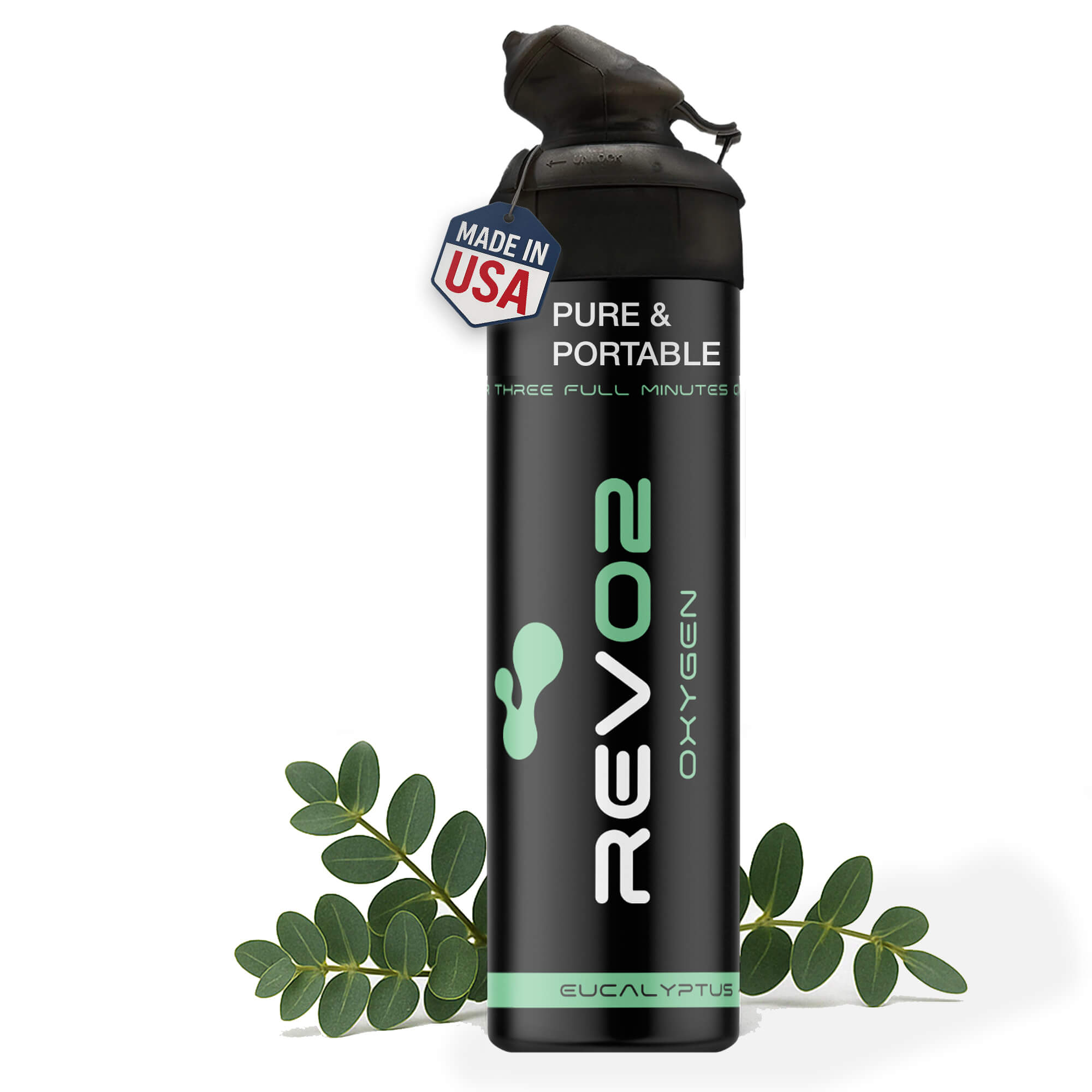
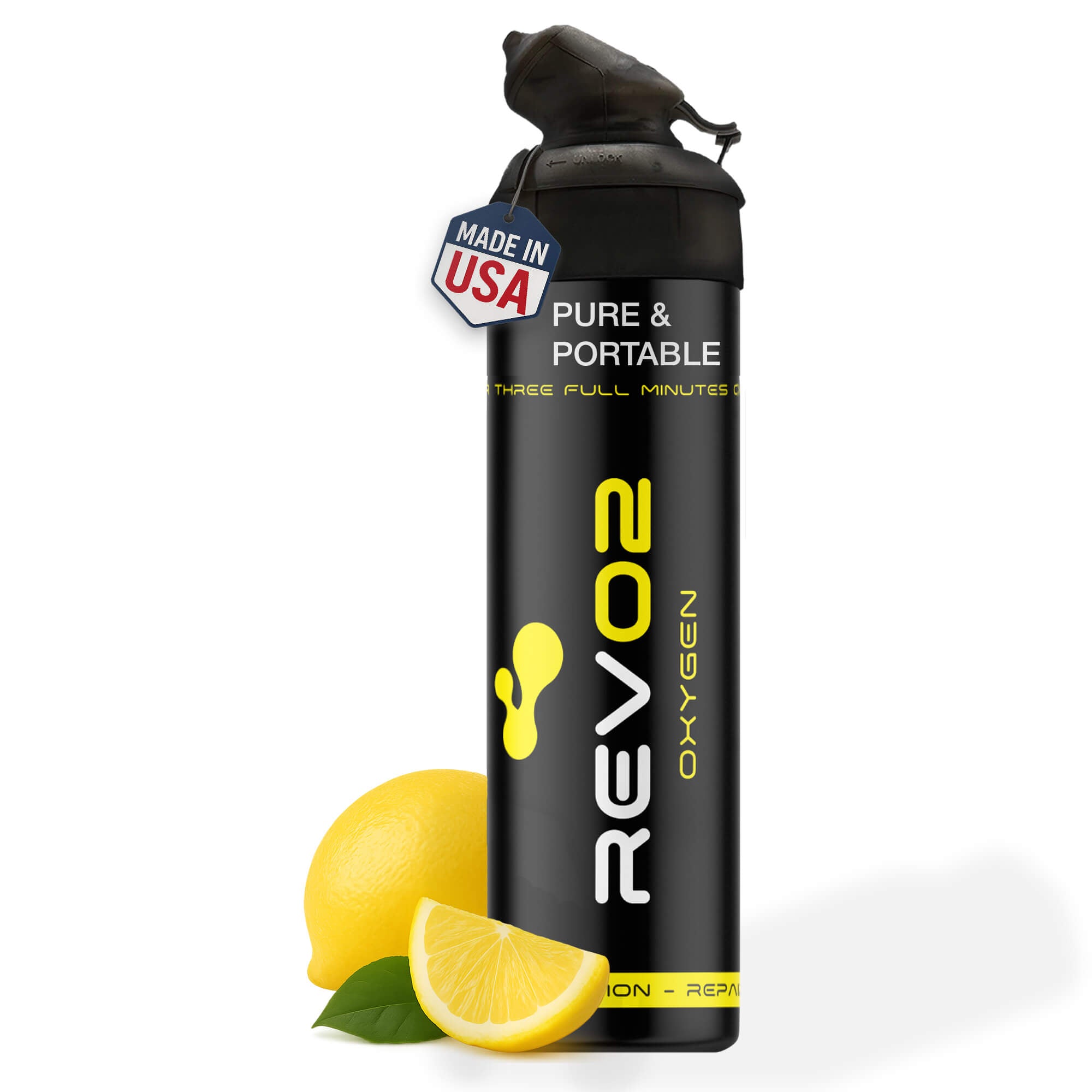
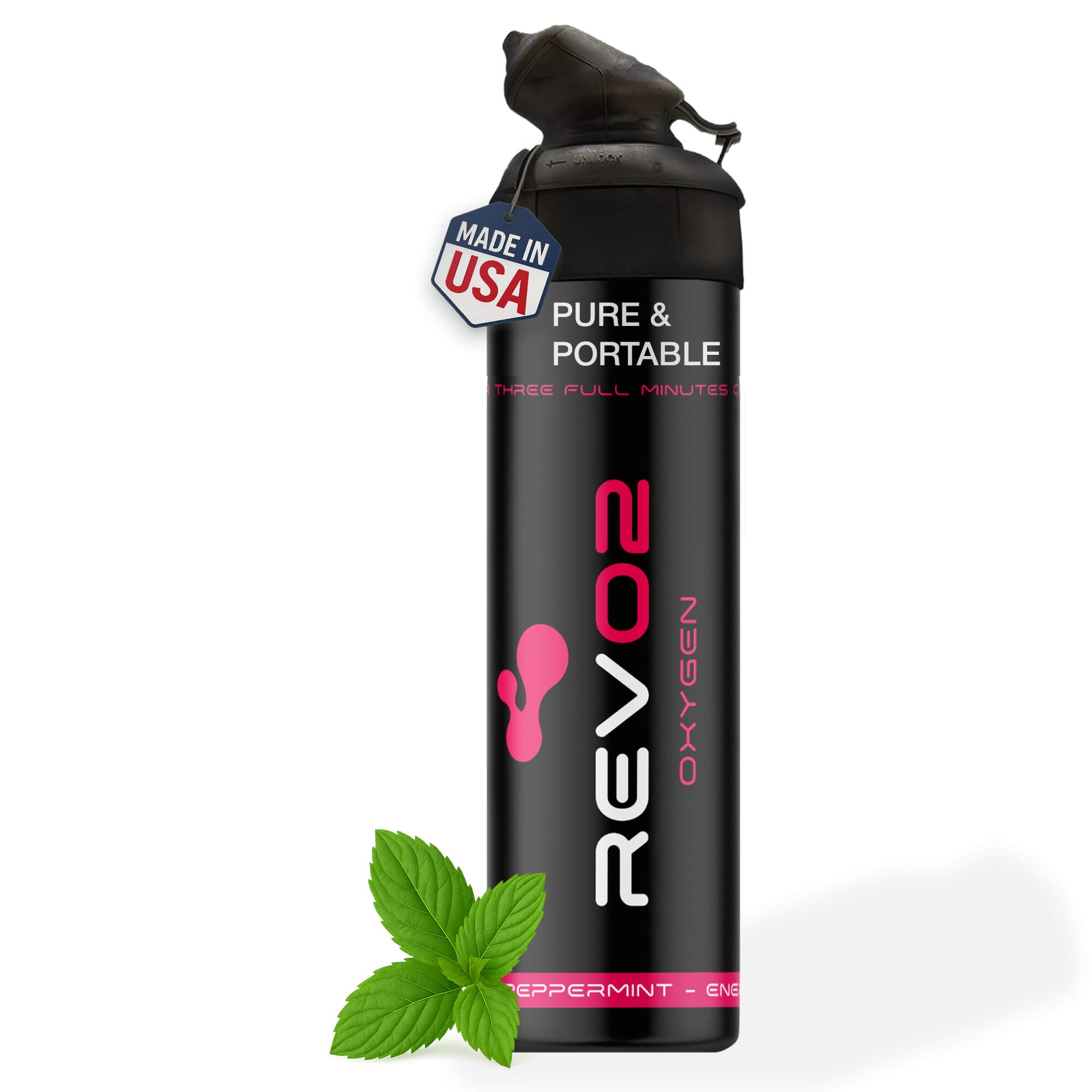
Revo2 delivers 98% pure canned oxygen designed for anyone who needs fast, reliable respiratory support without the weight or complexity of medical equipment. The zero-leak mouthpiece delivers oxygen directly with no waste, making each can efficient and easy to use mid-activity.
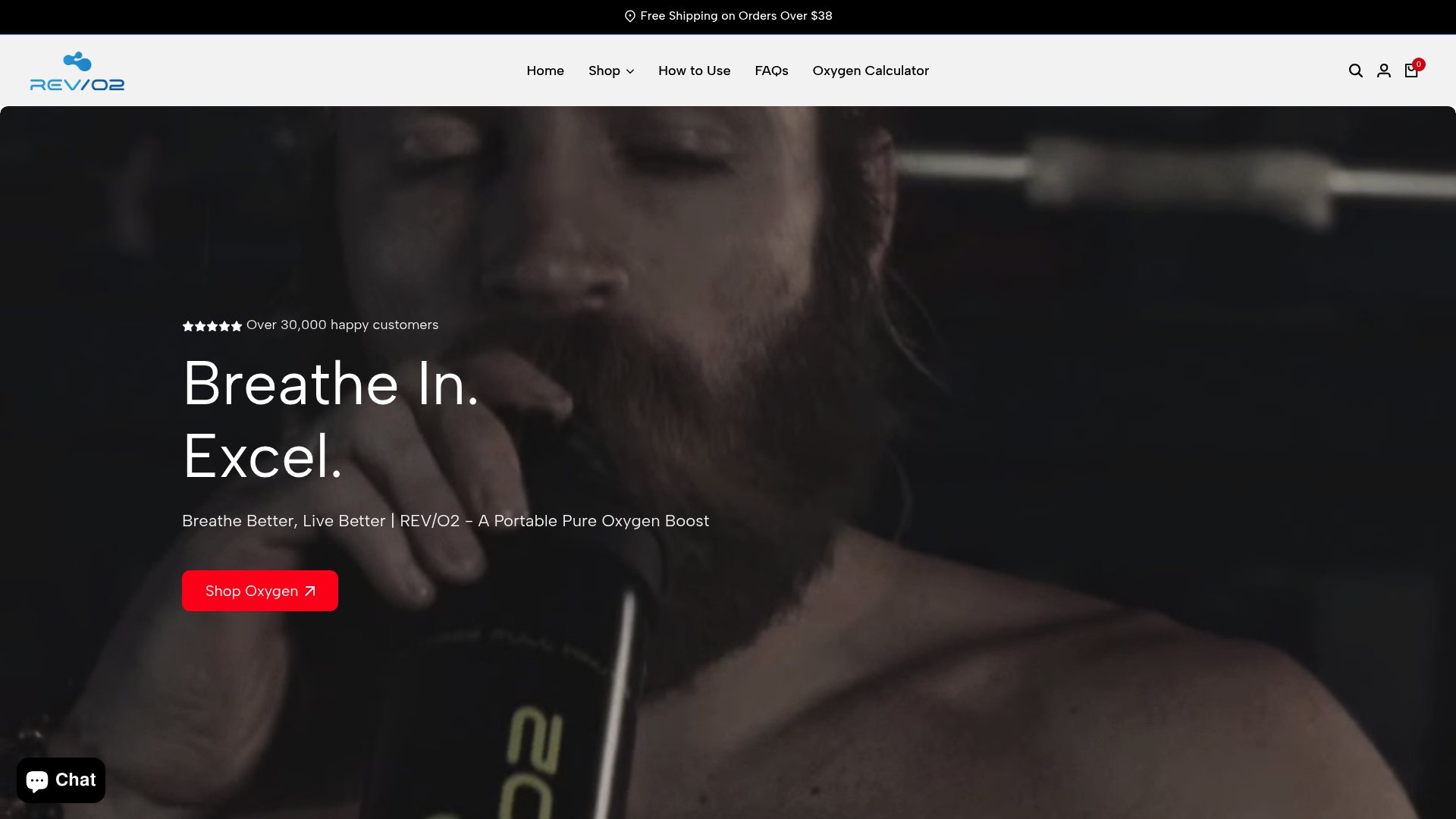
Athletes, hikers, and anyone managing altitude fatigue report faster recovery times and sharper mental clarity after use. Revo2’s sports oxygen for athletes and oxygen for hiking are built for exactly the conditions described throughout this article. For seniors, the pure oxygen can for seniors offers the same 98% purity in a format sized for daily use. Revo2 fits in a bag, requires no prescription, and works the moment you need it.
FAQ
What is the lightest portable oxygen concentrator available?
Ultra-light POCs weigh as little as 2.8 lbs and operate at around 40 decibels, fitting in a shoulder bag for all-day use. Battery life on dual-battery models extends to 9 hours under pulse-dose settings.
How often should I use a handheld breathing trainer?
Five minutes of daily practice is the recommended baseline, with resistance increased gradually as each level becomes comfortable. Consistency over weeks produces measurable gains in respiratory endurance and reduced breathlessness during activity.
Do I need a prescription for portable breathing devices?
Portable oxygen concentrators and airway clearance vests typically require a physician prescription in the United States. Handheld breathing trainers and canned supplemental oxygen like Revo2 do not require a prescription.
Can canned oxygen help with altitude fatigue?
Yes. Supplemental oxygen delivered from a can raises blood oxygen saturation quickly, reducing the headache, fatigue, and shortness of breath associated with altitude. Revo2’s altitude oxygen calculator helps you understand how much oxygen saturation drops at your specific elevation.
What is the safest breathing device for remote or emergency use?
Electricity-free devices that operate from pressurized oxygen are the safest option for remote or emergency scenarios. They continue functioning when batteries fail and require no electrical infrastructure, making them reliable in off-grid conditions.