
Portable oxygen concentrators (POCs) differ from home oxygen concentrators primarily in size, power source, and oxygen delivery method. These differences determine which device suits your clinical needs, lifestyle, and mobility requirements. Home concentrators are stationary units designed for continuous, mains-powered therapy. POCs run on batteries and use pulse-dose technology to conserve oxygen during movement. Understanding how portable oxygen differs from home oxygen helps you make a safer, better-informed decision, whether you are managing a chronic respiratory condition, recovering from illness, or preparing for high-altitude activity. The FDA classifies both as regulated medical devices, meaning a physician prescription governs which system you use.
How do portable and home oxygen concentrators deliver oxygen?
Oxygen delivery method is the most clinically significant difference between the two device types. Home concentrators produce continuous flow at approximately 93% ±3% purity, meaning oxygen flows at a constant rate regardless of whether you are inhaling or exhaling. That steady output makes home units reliable for overnight therapy, where breathing patterns slow and become irregular during sleep.
Portable concentrators use pulse-dose technology, which releases a timed bolus of oxygen only when the device detects an inhalation. This conserves battery power and reduces the total oxygen produced per hour, making the device lighter and more practical for daily movement. The tradeoff is sensitivity: pulse-dose units rely on breath detection, and patients with irregular or rapid breathing patterns common in advanced pulmonary disease may not trigger the sensor reliably. In those cases, a continuous-flow unit is the safer clinical choice.
Oxygen purity matters too. Concentrators produce approximately 93% oxygen, which is clinically adequate for most prescriptions. Compressed oxygen cylinders reach approximately 99.5% purity, which is relevant in specific high-demand clinical situations. For most people managing chronic obstructive pulmonary disease (COPD) or recovering from respiratory illness, the 93% output from a concentrator meets prescribed therapeutic targets.
| Parameter | Continuous flow (home) | Pulse-dose (portable) |
|---|---|---|
| Oxygen purity | ~93% ±3% | ~93% ±3% |
| Delivery trigger | Constant rate | Inhalation detection |
| Suitable for sleep | Yes | Generally not recommended |
| Flow rate range | Up to 10 LPM | Typically up to 3–4 LPM equivalent |
| Battery required | No | Yes |
Pro Tip: If you use a portable concentrator during sleep, confirm with your physician that the device has a continuous-flow mode. Most pulse-dose-only units are not approved for overnight use.
What are the differences in power source, weight, and portability?
Physical design separates these two device categories more than any other factor. Home concentrators weigh 15–25 kg and plug directly into a wall outlet, making them practical for stationary use but impossible to carry during daily activities. Portable concentrators weigh 2–5 kg and run on rechargeable batteries, which is what makes them usable during errands, travel, and outdoor activity.
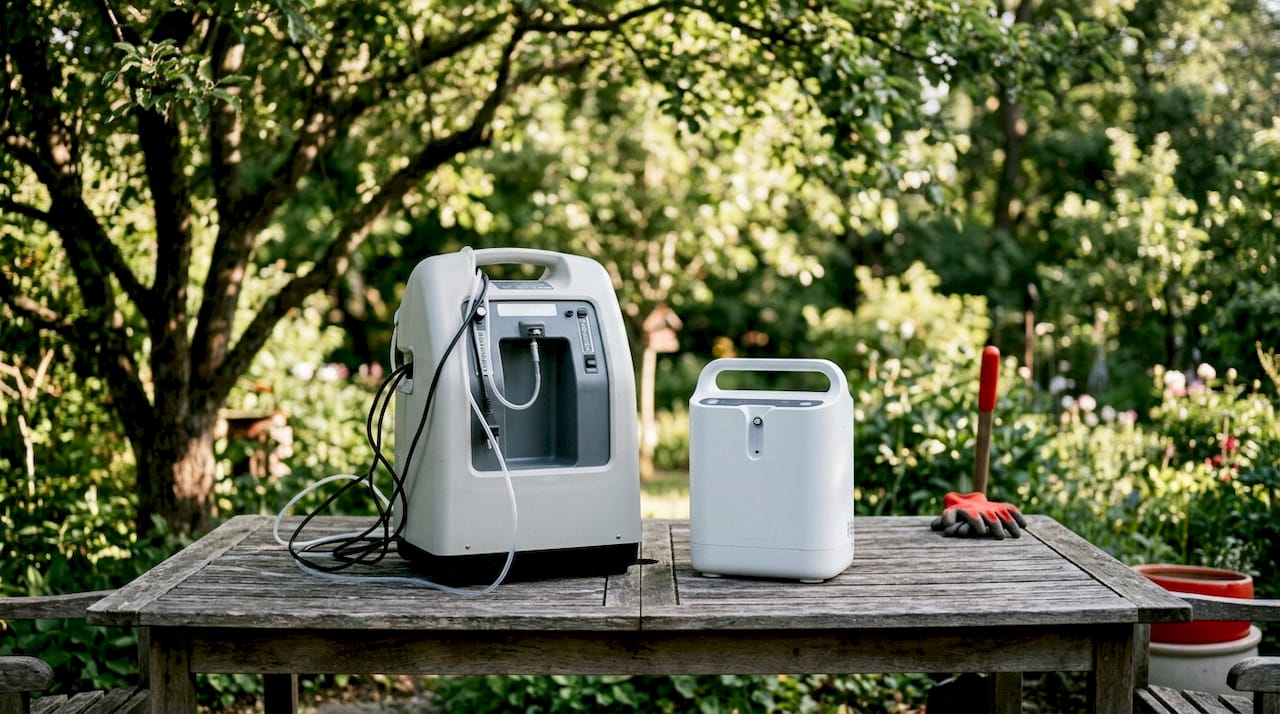
Battery life is the primary constraint for portable units. Most POCs provide 4–8 hours of battery operation depending on the flow setting and battery size. Higher flow settings drain the battery faster, which limits how long you can stay away from a power source. Carrying a spare battery or a car charger extends your range significantly.
Travel introduces another layer of regulation. FAA approval is required for any portable oxygen concentrator used on a commercial flight. The FAA maintains a specific list of approved devices, and airlines require advance notice, typically 48 hours or more, before you board with medical oxygen equipment. This distinction matters because not all portable concentrators carry FAA approval, and traveling with a non-approved unit can result in being denied boarding.
Key portability and power considerations:
- Home concentrators require a continuous mains power supply and cannot operate during power outages without a backup source.
- Portable concentrators use rechargeable batteries with typical runtimes of 4–8 hours per charge.
- POCs weighing 2–5 kg can be carried in a shoulder bag or wheeled case, supporting active daily routines.
- FAA-approved POCs must be confirmed before booking any commercial flight.
- Backup oxygen sources such as compressed cylinders protect against power failure or battery depletion.
Pro Tip: Always carry documentation of your oxygen prescription and your device’s FAA approval letter when flying. Airlines and TSA agents may request both at the gate.
Clinical considerations: Which oxygen system fits your needs?
Device selection starts with your prescription. Oxygen therapy prescriptions are based on clinical evaluation including blood gas analysis and pulse oximetry testing. Your physician determines the required flow rate in liters per minute (LPM) and the delivery mode, and those two parameters narrow your device options immediately.
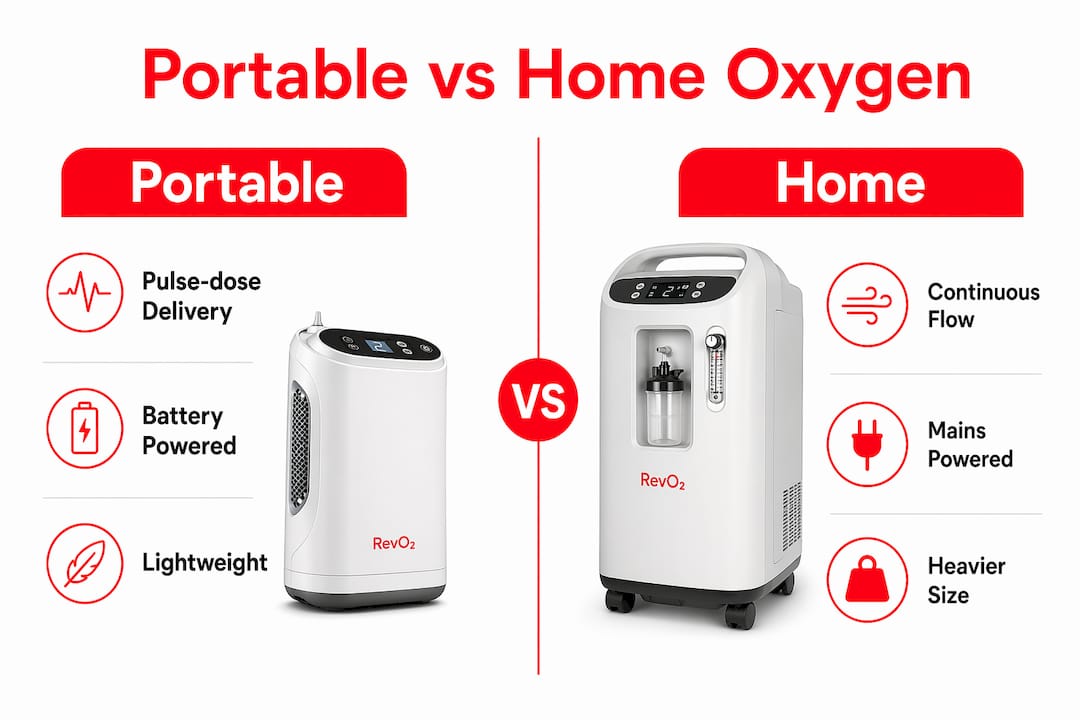
Patients requiring more than 4 LPM of continuous oxygen face a hard limitation with most portable concentrators. Portable units are unsuitable for continuous high-flow therapy above 4 LPM, and using an underpowered device risks insufficient oxygen delivery, which can worsen hypoxemia. Home concentrators handle higher flow rates reliably because they draw from a continuous power supply rather than a finite battery.
For patients who are largely homebound, a stationary concentrator is the primary device. For active patients who leave home regularly but have lower or intermittent oxygen needs, a portable unit may cover daytime requirements while a home unit handles overnight therapy. This combination approach is common and clinically sound.
Decision criteria for choosing the right device:
- Confirm your prescribed flow rate. If your prescription exceeds 4 LPM continuous, a home concentrator is your primary device.
- Assess your breathing pattern. Irregular or rapid breathing reduces pulse-dose effectiveness. Discuss this with your physician before choosing a POC.
- Evaluate your daily mobility. If you leave home frequently, a portable unit for daytime use paired with a home unit overnight is a practical setup.
- Check FAA approval. If you travel by air, verify your portable device is on the FAA-approved list before purchasing.
- Plan for power outages. Home concentrators stop working without electricity. A backup cylinder or portable unit protects you during outages.
For a broader look at how oxygen therapy vs supplemental oxygen differ in clinical and non-clinical contexts, that distinction also shapes which product category applies to your situation.
How do regulatory approvals and safety profiles affect oxygen use?
Home oxygen is regulated as both a prescription drug and a medical device by the FDA. That dual classification means your concentrator must be prescribed by a licensed physician, and the equipment itself must meet FDA device standards. Using a concentrator without a prescription is not just inadvisable. It is a regulatory violation.
Oxygen accelerates combustion, which creates fire risk around both device types. The standard safety rule is no open flames, no smoking, and no aerosol sprays within a defined perimeter of any oxygen equipment. Home concentrators carry additional electrical safety requirements because they run continuously from a wall outlet. A frayed cord or overloaded circuit near an oxygen-rich environment is a serious hazard.
Power interruption is a specific risk for home concentrator users. If the power goes out, the device stops producing oxygen immediately. Backup oxygen sources are critical for anyone who depends on continuous therapy, particularly overnight users or patients with severe hypoxemia.
Safety practices for all oxygen users:
- Keep all oxygen equipment at least 5 feet from open flames, stoves, and candles.
- Never smoke or allow smoking in any room where oxygen equipment operates.
- Inspect tubing and connections weekly for cracks, kinks, or leaks.
- Store backup cylinders upright and secured to prevent tipping.
- Notify your local fire department and utility company that you use home oxygen. Many utilities prioritize restoration for medical oxygen users during outages.
For guidance on using canned oxygen safely, the same principle of informed, deliberate use applies regardless of the delivery format.
Practical applications: Travel, recovery, and high-altitude use
Portable oxygen concentrators extend therapy beyond the home, which directly improves quality of life for active patients. A person managing COPD who previously avoided travel can now fly with an FAA-approved POC and maintain their prescribed therapy throughout the journey. For practical guidance on portable oxygen for travelers, the logistics of airline compliance and device management are worth reviewing before any trip.
Recovery from respiratory illness or surgery often requires supplemental oxygen for weeks or months. Home concentrators handle this phase well because they provide consistent, uninterrupted flow without the battery management demands of a portable unit. Once a patient regains mobility, transitioning to a combination setup, using the home unit at night and a portable unit during the day, supports both recovery and independence.
High-altitude environments reduce the partial pressure of oxygen in the air, which lowers blood oxygen saturation even in healthy individuals. At elevations above 8,000 feet, the effect becomes physiologically significant. Supplemental oxygen at altitude supports saturation levels and reduces symptoms like headache, fatigue, and shortness of breath. You can estimate the oxygen available at your destination using an altitude oxygen calculator before planning a high-elevation trip.
Many patients benefit from combining a home concentrator as the primary source with a portable unit or cylinder as backup. This setup reduces the risk of oxygen interruption from power failure and gives patients the freedom to leave home without abandoning their therapy.
Pro Tip: If you are hiking or traveling to altitude without a medical oxygen prescription, canned supplemental oxygen provides a convenient, non-prescription option for short-term support. It is not a substitute for prescribed therapy but works well for wellness and performance applications.
Key takeaways
Portable and home oxygen concentrators serve different clinical roles, and matching the right device to your prescription and lifestyle is the single most important decision in oxygen therapy management.
| Point | Details |
|---|---|
| Delivery method defines suitability | Home units use continuous flow; portable units use pulse-dose, which is not suitable for all patients or overnight use. |
| Weight and power drive portability | Home concentrators weigh 15–25 kg on mains power; portable units weigh 2–5 kg on battery. |
| High-flow needs require home units | Portable concentrators are generally unsuitable for continuous therapy above 4 LPM. |
| FAA approval is non-negotiable for air travel | Only FAA-approved portable concentrators are permitted on commercial flights. |
| Combination setups offer the best coverage | Using a home unit as primary and a portable unit as backup reduces therapy interruption risk. |
What I’ve learned from watching patients choose the wrong device
The most common mistake I see is patients purchasing a portable concentrator because it looks modern and convenient, without checking whether it matches their prescribed flow rate. A device that delivers 2 LPM equivalent via pulse-dose cannot replace a prescription for 4 LPM continuous flow. The numbers look similar on paper, but the clinical outcome is not the same. Pulse-dose delivery is not equivalent to continuous flow at the same numeric setting.
The second mistake is assuming a portable unit can handle overnight use. Most pulse-dose devices are not designed for sleep because breathing slows and becomes shallower, which reduces the reliability of inhalation detection. Patients who switch to a portable unit at night without physician guidance often wake with symptoms of hypoxemia and do not connect the cause.
What actually works is treating these two device types as complementary rather than interchangeable. The home concentrator is your anchor. The portable unit is your freedom. Used together, they cover the full range of your daily oxygen needs without compromise. Patients who adopt this mindset, and who stay in close contact with their respiratory therapist when adjusting their setup, consistently report better outcomes and fewer emergency situations.
— Paul
Canned oxygen as a complementary option for on-the-go support
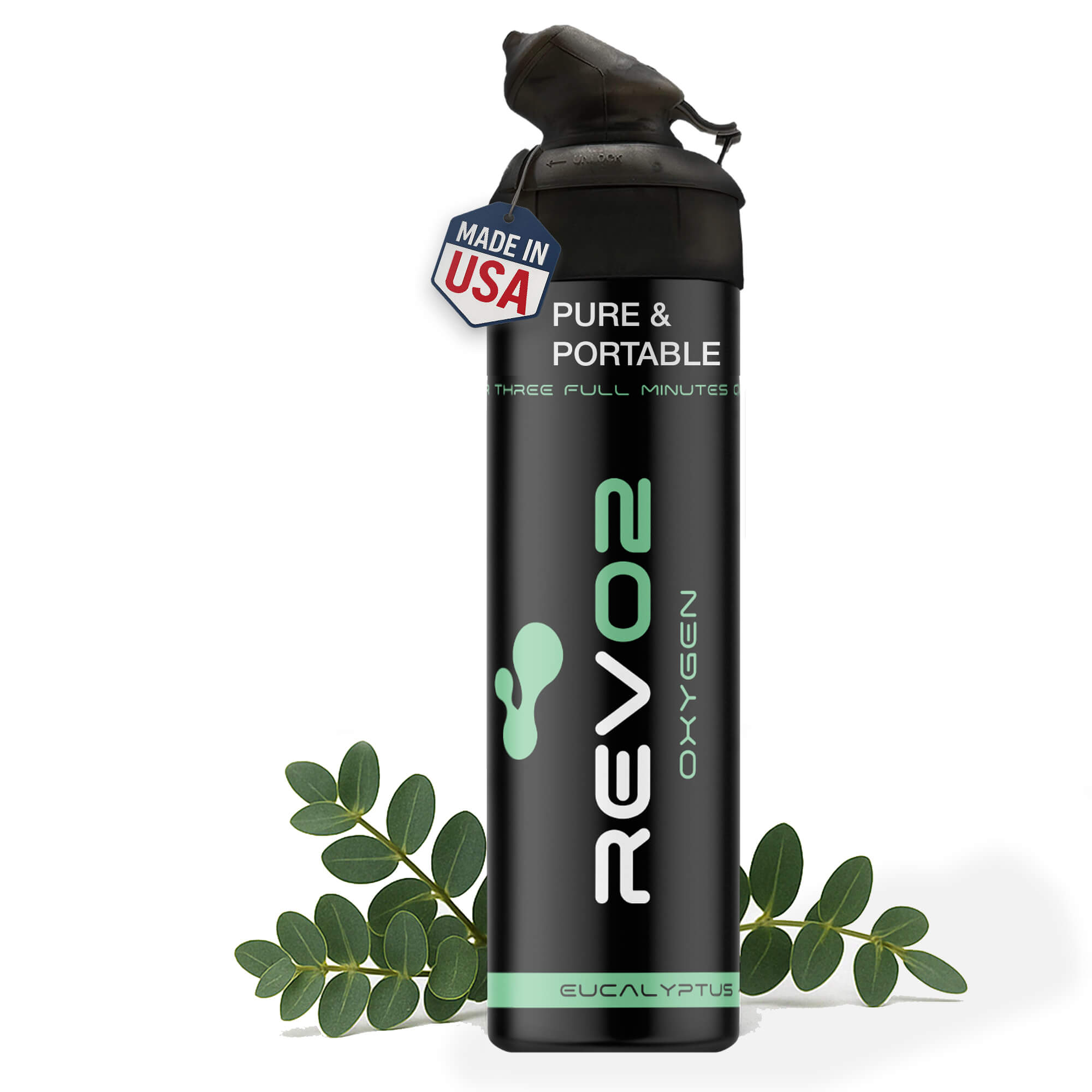
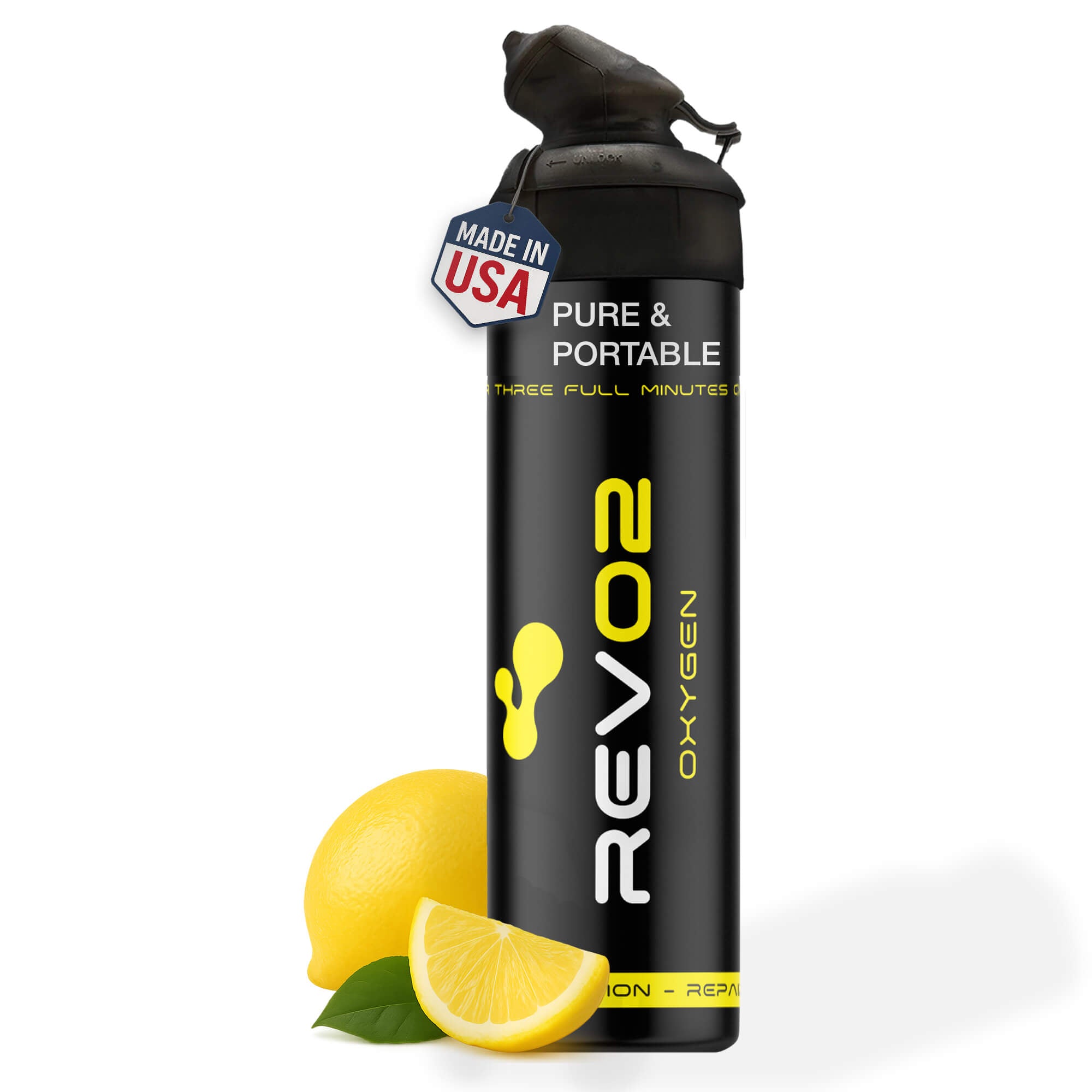
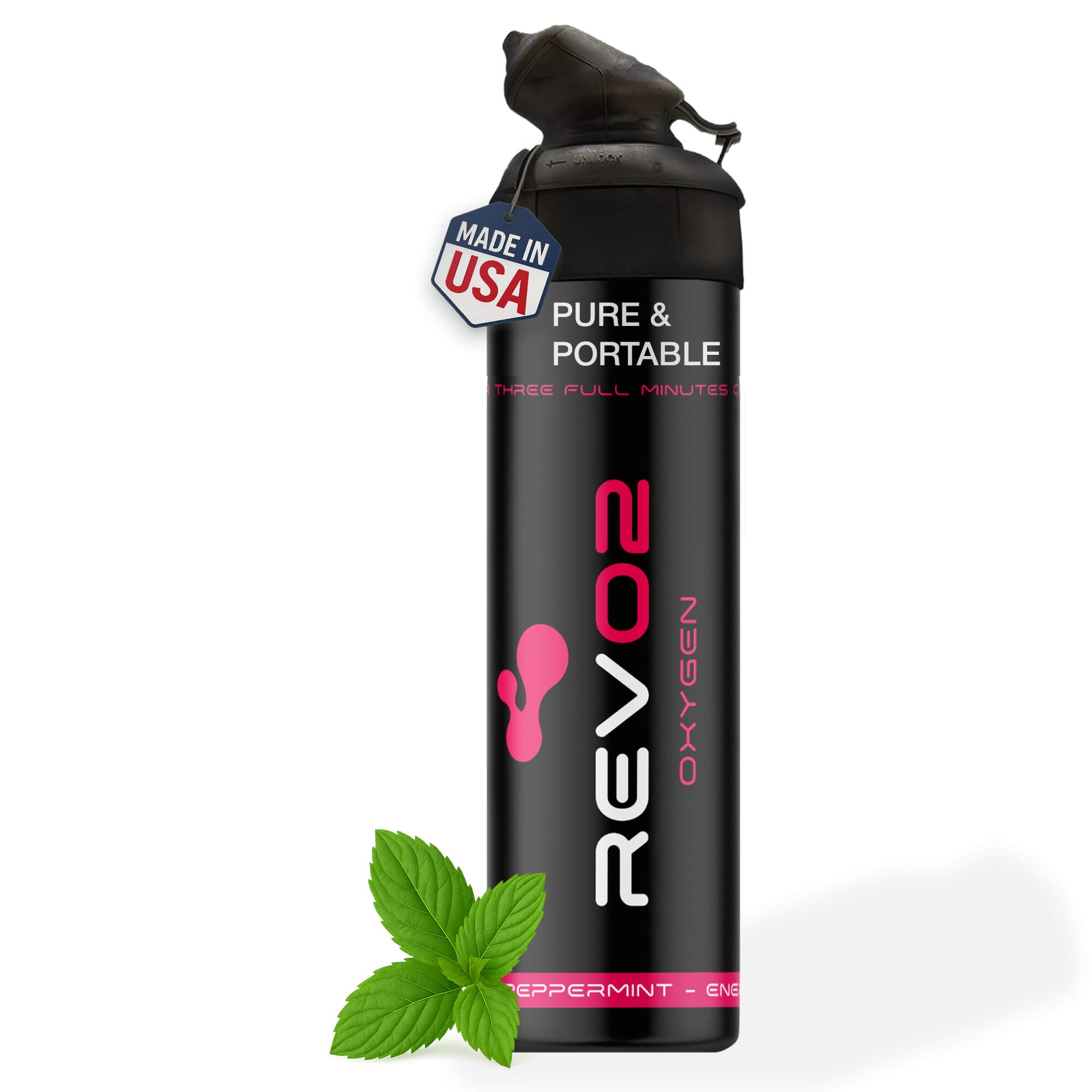
Prescribed concentrators are not the only form of supplemental oxygen available. Revo2 produces 98% pure canned oxygen designed for active individuals, travelers, and anyone seeking a quick, non-prescription oxygen boost without the weight or complexity of a concentrator.
Revo2 cans use a zero-leak mouthpiece that delivers oxygen directly without a mask, making them practical for use during hiking, recovery sessions, or high-altitude travel. Options include peppermint and lemon varieties, available in single cans and multi-packs. Revo2 is not a medical device and does not replace prescribed oxygen therapy. It is a wellness and performance product built for people who want accessible, portable oxygen support in everyday situations.
FAQ
What is the main difference between portable and home oxygen concentrators?
Home concentrators deliver continuous oxygen flow from a mains power supply and weigh 15–25 kg. Portable concentrators use pulse-dose delivery, run on batteries, and weigh 2–5 kg, making them suitable for mobility but not for all clinical needs.
Can a portable oxygen concentrator replace a home concentrator?
Portable units are designed to complement, not replace, home concentrators. Patients requiring continuous high-flow oxygen above 4 LPM should use a home unit as their primary device and a portable unit only as a supplement.
Is a prescription required for home and portable oxygen concentrators?
Yes. The FDA classifies home oxygen as both a prescription drug and a medical device. A physician must evaluate your oxygen needs through blood gas or pulse oximetry testing before prescribing either device type.
Can I use a portable oxygen concentrator on a commercial flight?
Only FAA-approved portable concentrators are permitted on commercial flights. Airlines also require advance notice, typically 48 hours or more, before you board with medical oxygen equipment.
How does canned oxygen differ from concentrator-based oxygen therapy?
Canned oxygen is a non-prescription supplemental product designed for wellness, performance, and altitude support. Concentrators are prescription medical devices that deliver therapy-grade oxygen for clinical respiratory conditions. The two serve different purposes and are not interchangeable.