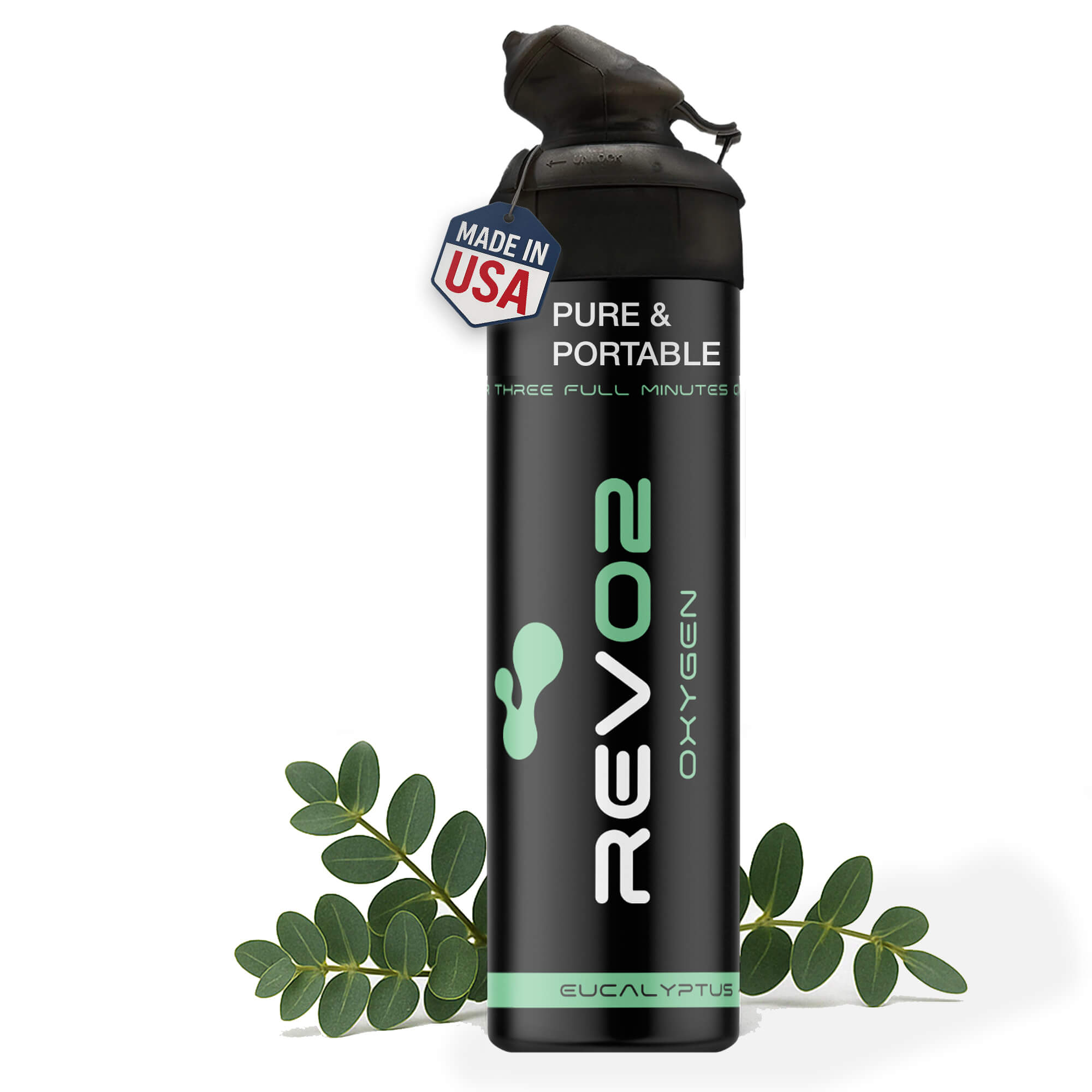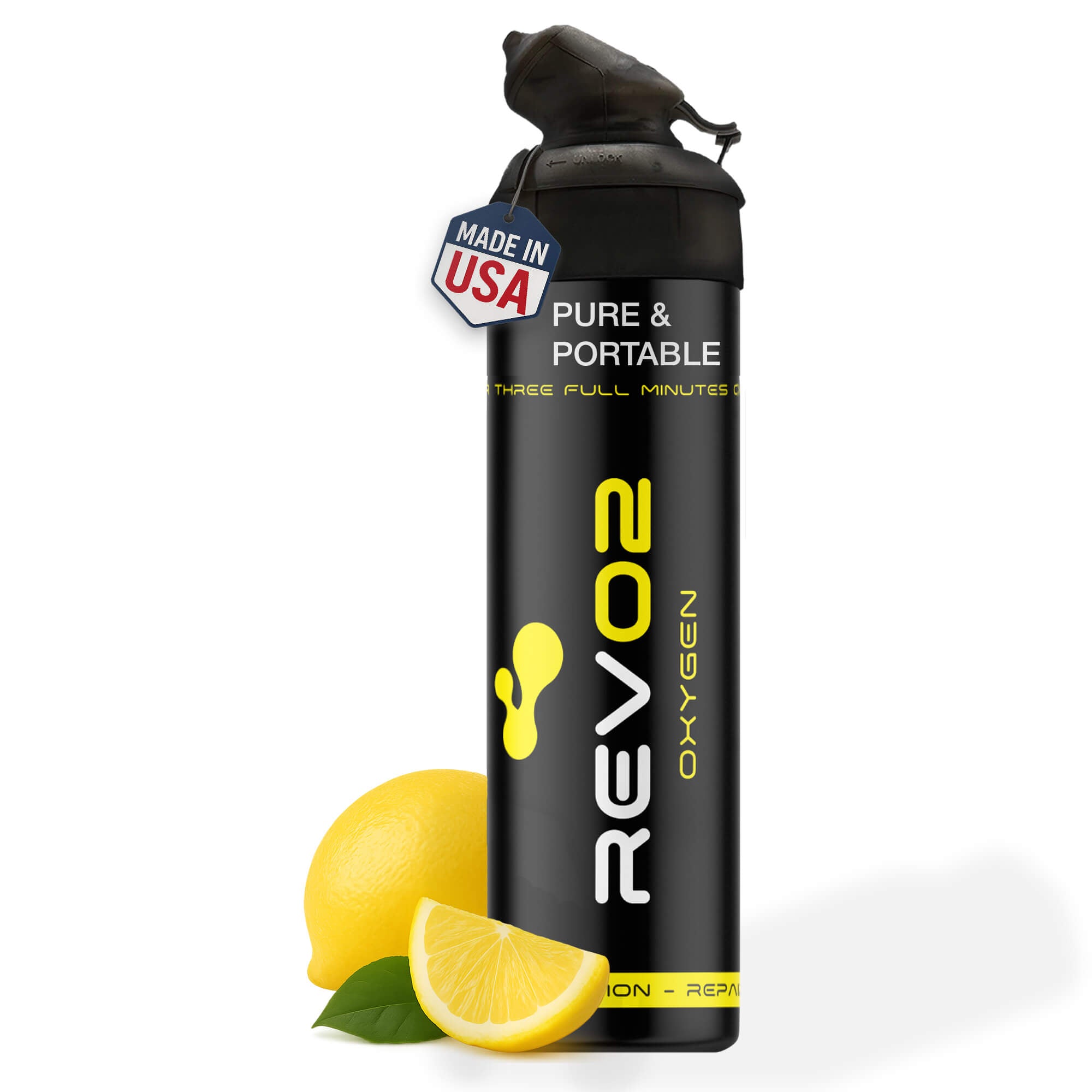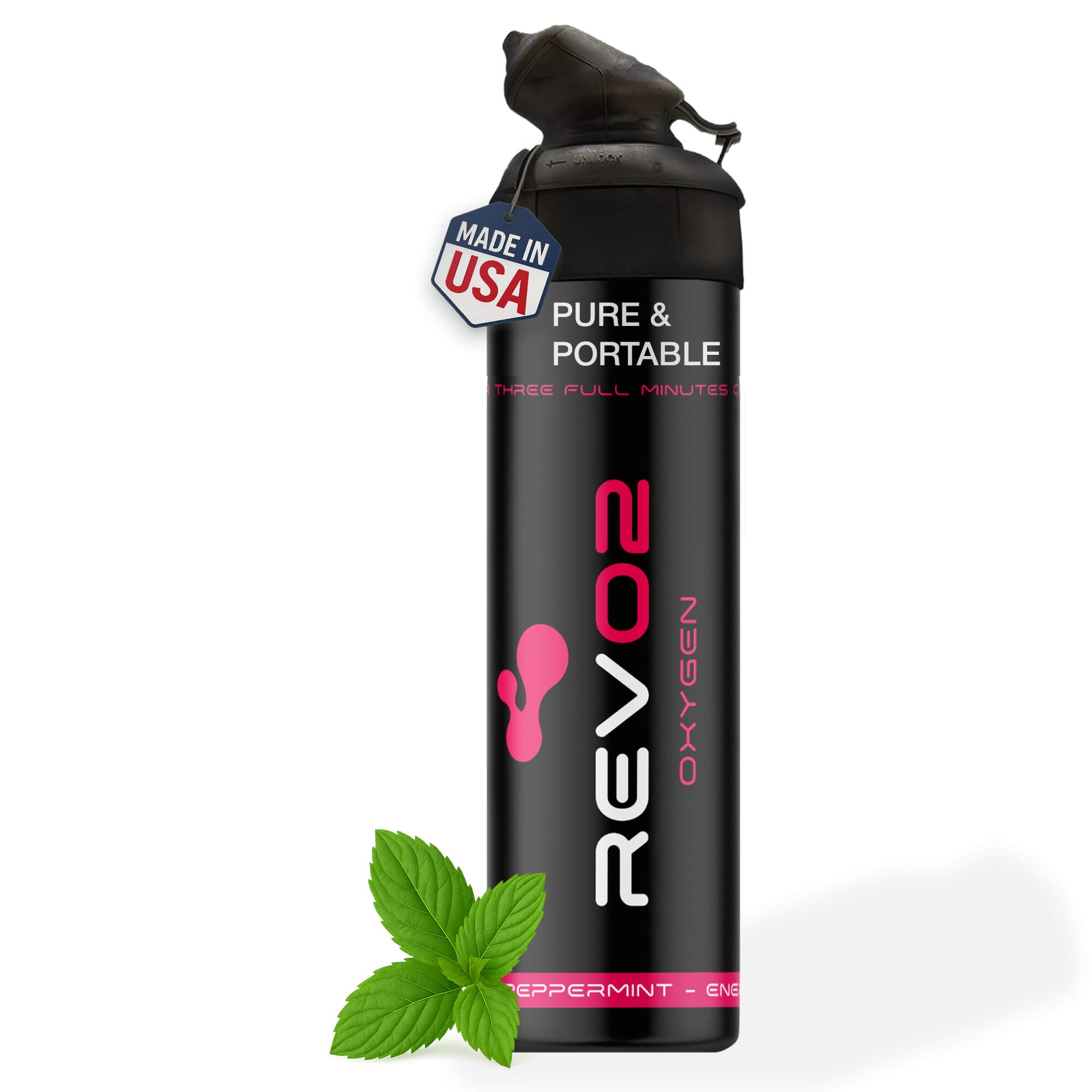

Portable canned oxygen delivers 90 to 98% pure oxygen through a handheld mouthpiece, and here are the five facts that actually matter: it’s a recreational product, not medical equipment; the science shows real but narrow benefits tied to timing; it works best for recovery windows and mild altitude symptoms, not endurance gains; it’s unregulated as a therapeutic device, so safety habits fall on you; and buying well means comparing purity, volume, and delivery design, not just price. Athletes, hikers, and travelers keep asking the same question: does the can in the checkout aisle actually do anything? The honest answer is yes, sometimes, and the difference comes down to when and how you use it.
- Fact 1: Canned oxygen is a pressurized, purified-air product, not a medical device.
- Fact 2: A randomized swim study found brief 98% oxygen inhalation during recovery cut perceived fatigue and improved sprint times.
- Fact 3: Benefits cluster around recovery windows and mild altitude symptoms, not sustained performance.
- Fact 4: It’s not FDA-regulated as medical oxygen, per NCOA, so it can’t replace prescribed therapy.
- Fact 5: Smart buyers compare purity percentage, liters per can, and mouthpiece design before checkout.
Key Takeaways
Canned oxygen works best as a short-term recovery and mild-altitude-relief tool, not a substitute for prescription oxygen or a guaranteed performance booster.
| Point | Details |
|---|---|
| It’s recreational, not medical | Canned oxygen isn’t FDA-regulated as a therapeutic device; it’s built for occasional, healthy-user use. |
| Timing drives the benefit | Research shows the strongest effects during recovery windows, not as a preemptive or continuous dose. |
| Best for recovery and mild symptoms | Post-effort recovery and mild altitude discomfort are where canned oxygen shows the clearest upside. |
| Safety habits matter | Store away from heat, avoid overuse, and never substitute it for prescribed respiratory treatment. |
| REV/O2 fits the buying checklist | Its 98% purity and zero-leak mouthpiece, available in 10-liter peppermint and lemon cans, meet the core specs worth prioritizing. |
Table of Contents
- Fact 1: What Portable Canned Oxygen Actually Is
- Fact 2: What the Research Actually Shows About Oxygen’s Effects
- Fact 3: When Canned Oxygen Is Most Likely to Help You
- Fact 4: Safety, Regulation, and the Risks Worth Knowing
- Fact 5: What to Look for When Buying a Can
- How to Use Canned Oxygen Safely and Effectively
- When Canned Oxygen Isn’t the Right Answer
- Where to Find a Reliable Option
- Sources
Fact 1: What Portable Canned Oxygen Actually Is
A canned oxygen product is exactly what it sounds like: air stripped down to a higher oxygen concentration, pressurized into a portable canister, and released through a mouthpiece for short, controlled inhalations. It’s built for recreational use, not for treating a diagnosed lung condition. That distinction shapes everything else on this list.
Purity and volume vary more than most first-time buyers expect. Some cans on the market sit around 90 to 95% pure, while higher-end options push to 98%. Volume runs from small 3-liter travel cans up to 10-liter canisters designed for repeat use across a hike, flight, or training block.
| Spec | Typical Range | What It Means for You |
|---|---|---|
| Purity | 90% to 98% | Higher purity delivers more oxygen per breath. |
| Volume per can | 3 to 10 liters | More liters means more inhalations before you’re empty. |
| Inhalations per can | Up to roughly 100 one-second puffs | Determines how many uses you actually get. |
| Price per 5-liter can | Around $10 | Useful baseline for comparing price per liter. |
Delivery design matters as much as the numbers on the label. A backpacker’s field guide to canned oxygen notes that typical canisters hold 3 to 10 liters and deliver one-second bursts, which means the mouthpiece design directly controls how much of that oxygen you actually inhale versus lose to the air.
- Zero-leak mouthpieces seal against your lips, so less oxygen escapes before you inhale.
- Generic spray nozzles disperse oxygen into open air, wasting a noticeable share of each puff.
- Flavored SKUs (peppermint, lemon) don’t change the oxygen delivered, only the sensory experience.
REV/O2’s canisters use a zero-leak mouthpiece specifically to close that efficiency gap, paired with 98% purity and flavor options like peppermint and lemon across their 10-liter SKUs.
Fact 2: What the Research Actually Shows About Oxygen’s Effects
The evidence is mixed, and that’s actually good news if you use canned oxygen the right way. Broad physiological gains for healthy people are limited, but timing-specific studies show real, measurable benefits during recovery.
The clearest data point comes from a randomized, placebo-controlled trial on competitive swimmers. Researchers found that brief inhalation of 98% oxygen during recovery improved subsequent 50-yard sprint performance, with swimmers finishing an average of 0.99 seconds faster (p = 0.023) and reporting significantly lower perceived exertion afterward. That’s not a marketing claim. That’s a controlled trial with a measurable outcome.
Broader reviews tell a more cautious story. A review of altitude and sport literature found mixed evidence on performance enhancement, with effects depending heavily on the outcome measured, the timing of use, and the altitude involved. Experts at CU Anschutz go further, concluding that many reported benefits in healthy users are likely psychological rather than physiological, since most healthy people already maintain normal blood oxygen saturation without supplementation.
Belief matters here. If you expect oxygen to help you recover faster, that expectation alone can shift how tired you feel, even when your blood oxygen levels were already normal. The same experts caution that leaning on a can at altitude can delay the acclimatization your body would otherwise complete naturally within 24 to 48 hours.
- Brief, timed doses during recovery show the strongest research support.
- Continuous benefit claims for endurance or sustained performance lack solid backing.
- Oxygen dissipates quickly in the body, so it can’t be “banked” for later use.
Fact 3: When Canned Oxygen Is Most Likely to Help You
The best uses for canned oxygen are brief and timing-dependent: recovery support right after hard effort, short-term relief for mild altitude symptoms, and a quick reset when stress has your breathing shallow and your focus scattered. Outside those windows, the physiological upside drops fast.
- Post-sprint or post-set recovery. A few puffs immediately after a hard interval or climb can support faster restoration between efforts, consistent with the swim study’s findings.
- Mild altitude symptoms. If you’re feeling the early tightness or headache of altitude adjustment, brief inhalation can ease symptoms while your body acclimatizes, a use case Revo2 covers in more detail in its guide to supplemental oxygen at altitude.
- Stress or mental fog. Slower, deliberate breaths from a can can interrupt a stress spiral, even if the effect leans more psychological than chemical.
Canned oxygen is unlikely to help with sustained endurance gains, actual respiratory disease, or as a stand-in for prescribed medical oxygen. Those are different problems that need different tools.
Pro Tip: Use canned oxygen right when symptoms or fatigue hit, not as a preemptive puff before you start. A dose taken ahead of sustained activity wastes the recovery-window effect the research actually supports.
Fact 4: Safety, Regulation, and the Risks Worth Knowing
Over-the-counter canned oxygen is not FDA-approved as medical oxygen. It’s a recreational product, safe for most healthy adults when used as directed, but risky if you treat it as a substitute for real medical care. NCOA’s guidance is direct on this point: consumer-grade oxygen typically runs 90 to 95% pure and isn’t regulated the way prescription oxygen systems are.
- Store cans away from open flames and heat sources, since oxygen-rich environments accelerate combustion, according to Cleveland Clinic’s oxygen therapy guidance.
- Don’t use canned oxygen to self-treat COPD, asthma flares, or COVID-related breathlessness. Prescription therapy exists for a reason.
- Watch for dry nasal passages, throat irritation, or nosebleeds with frequent use; these are common, minor signs of overuse.
- Oxygen toxicity from a can is rare, but prolonged high-concentration exposure isn’t something to test casually.
The real danger isn’t the oxygen itself. It’s using a can to mask symptoms of a genuine respiratory problem and putting off the doctor’s visit you actually need.
Missouri Poison Center researchers make a similar point: canned oxygen can be dangerous specifically when people use it to self-treat illness rather than seeking care. If you have a diagnosed condition like COPD, canned oxygen is not a management tool, and Revo2’s own breakdown of COPD oxygen management explains why prescribed therapy works differently.
Pro Tip: If you’re on any prescribed respiratory medication, treat canned oxygen as an occasional recreational tool, not a daily habit, and check with your doctor first.
Fact 5: What to Look for When Buying a Can
Look for higher purity, enough liters for your intended use, an efficient mouthpiece, and clear safety instructions from the seller. Those four factors separate a can that performs from one that’s mostly marketing.
| Factor | Why It Matters |
|---|---|
| Purity (%) | Higher purity (95 to 98%) delivers more oxygen per inhalation. |
| Volume per can (liters) | More liters means more usable inhalations before replacement. |
| Delivery design | Zero-leak mouthpieces waste less oxygen than generic spray nozzles. |
| Intended use | Recovery-focused users want quick bursts; altitude users want volume. |
| Portability and weight | Lighter, compact cans matter more for hikers than for desk-bound stress relief. |
| Price per liter | Calculate cost per liter, not just sticker price, to compare fairly. |
- Do the math on price per liter before comparing cans side by side.
- Choose a zero-leak mouthpiece if dose efficiency matters more to you than a lower upfront price.
- Pick flavored options only if palatability affects whether you’ll actually use the can consistently.
- Favor sellers who publish clear usage and storage instructions, not just marketing copy.
REV/O2’s 98% pure, zero-leak mouthpiece design in 10-liter lemon and peppermint SKUs sits at the higher end of this checklist on purity and delivery efficiency, which is worth weighing against cheaper, lower-purity alternatives.
How to Use Canned Oxygen Safely and Effectively
Most users take three to five short, controlled inhalations at a time, ideally right at the start of a recovery window or the first sign of mild altitude discomfort. Effects tend to be short-lived, generally lasting only minutes, which is exactly why timing matters more than dose size.
- Inspect the can and mouthpiece for damage or a broken seal before use.
- Sit or rest briefly rather than inhaling mid-effort; recovery-window use outperforms mid-activity puffs.
- Take controlled, deep breaths through the mouthpiece for the count your product label recommends, typically three to five inhalations.
- Keep the can away from ignition sources like stoves, lighters, or space heaters during and after use.
- Discard empty cans properly and replace them before your next planned use, especially before travel or a hike.
Pro Tip: If you own a pulse oximeter, check your saturation before and after use out of curiosity, not diagnosis. A reading below 90% warrants medical attention, not another puff from the can.
When Canned Oxygen Isn’t the Right Answer
Canned oxygen is not a substitute for prescription oxygen or emergency care. If symptoms are severe or persistent, the right move is medical attention, not another inhalation.
- Home pulse oximeter reading persistently below 90%
- Severe or worsening shortness of breath
- Chest pain, fainting, or confusion
- Rapidly worsening symptoms at altitude that don’t improve with rest
A can of recreational oxygen was never designed to sustain a failing respiratory system. If someone near you shows these signs, call emergency services first and use prescribed oxygen if it’s available. Don’t wait to see if it passes.
Prescription oxygen systems, continuous-flow concentrators or tanks, deliver titrated, sustained oxygen for people with diagnosed respiratory needs. That’s a fundamentally different category from an intermittent recreational can, a distinction Revo2 lays out in its oxygen therapy versus supplemental oxygen comparison. Doctors prescribe medical oxygen based on diagnosed need, not convenience or preference.
A practical note on real-world use
Recovery-window use is where canned oxygen earns its place: right after a hard training session, a long climb, or a red-eye flight, when your body is already working to reset itself. That’s also where the mild altitude symptom relief tends to show up most reliably, easing a headache or breathlessness while your body finishes acclimatizing on its own.

None of that replaces sound judgment. Pair recreational use with basic safety habits, storage away from heat, awareness of your own symptoms, and a doctor’s input if you have any underlying respiratory condition. The can is a tool for a specific window, not a fix for every kind of tired.
Where to Find a Reliable Option
REV/O2 offers 98% pure oxygen in zero-leak mouthpiece cans, available in 10-liter peppermint and lemon SKUs built specifically for recovery and altitude support.
If you’ve read this far, you already know what separates a can worth buying from one that isn’t: purity, volume, and mouthpiece efficiency. Flavor options in peppermint and lemon make consistent use easier if you’re the type who skips a habit that tastes like nothing.
Every can ships with clear usage instructions, and the step-by-step how-to guide walks through safe handling before your first use. Browse the canned oxygen collection to compare the 10-liter multi-packs and find the flavor and volume that fits your routine, whether that’s post-workout recovery or your next high-altitude trip.
Sources
- Recovery-Targeted Supplemental Oxygen Enhances Performance and Attenuates Perceived Fatigue During Subsequent High-Intensity Swimming
- Does Oxygen in a Can Deliver on Its Altitude and Energy Claims?
- Over-the-Counter Oxygen vs. Prescription Oxygen: What’s Safe and What Works
- Oxygen therapy — Cleveland Clinic