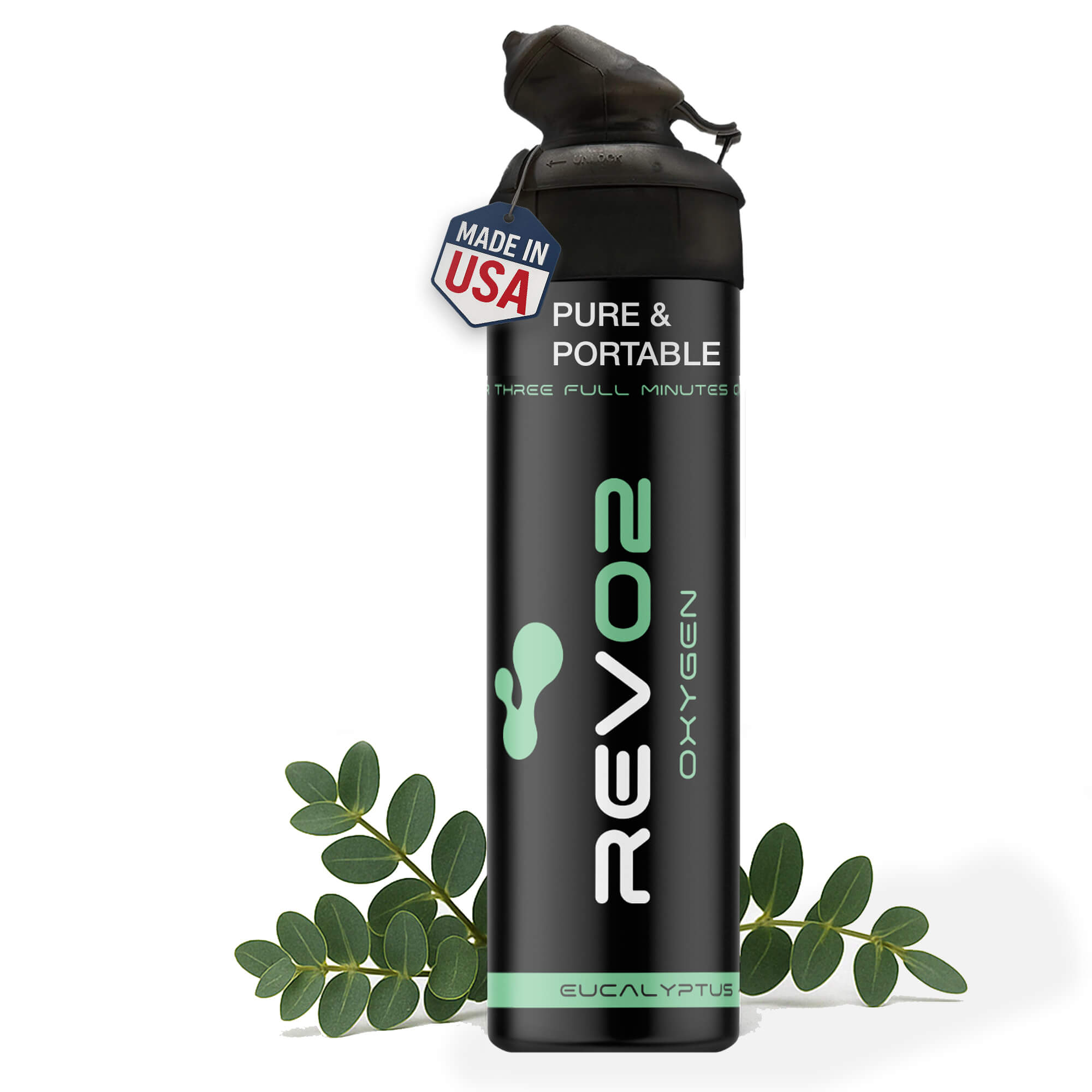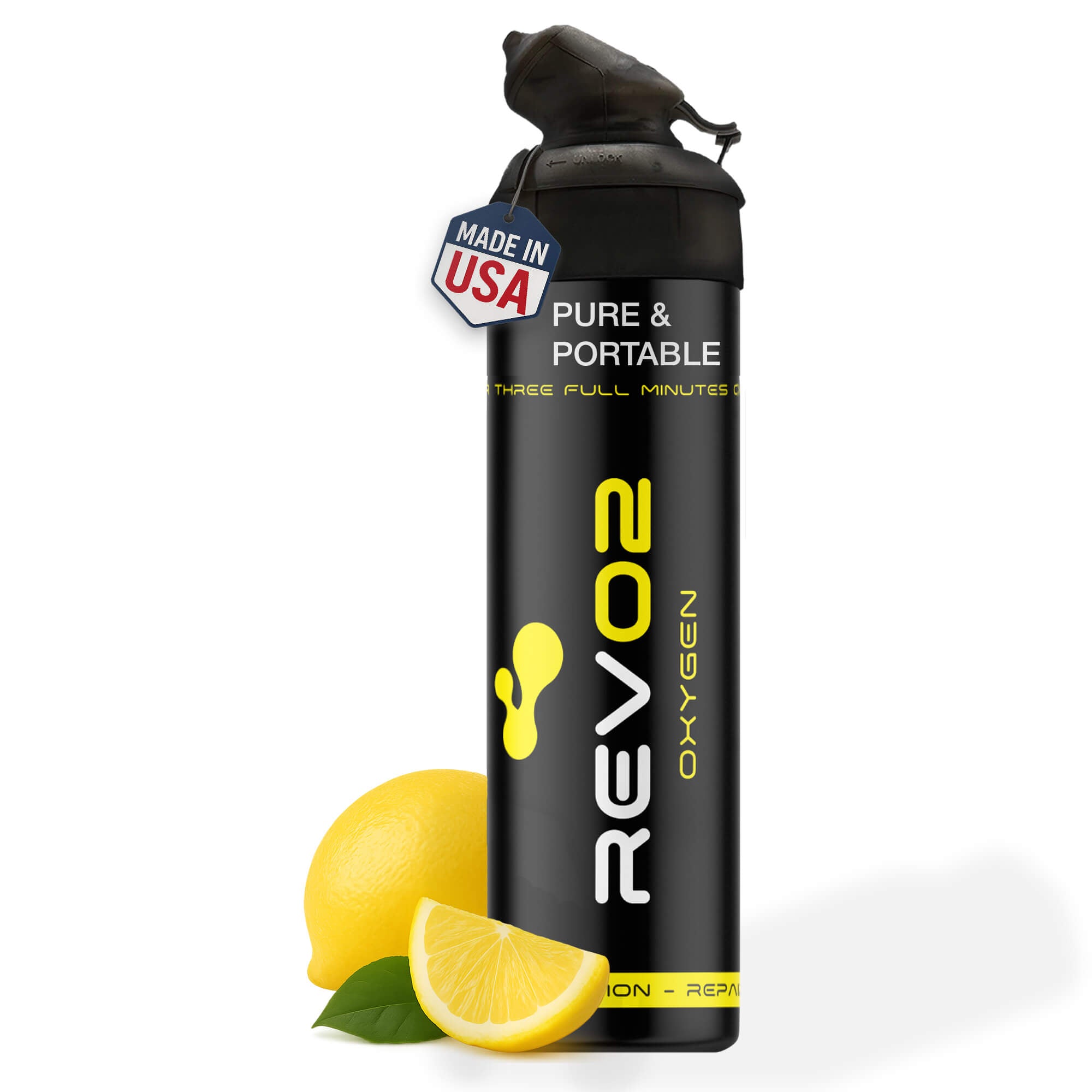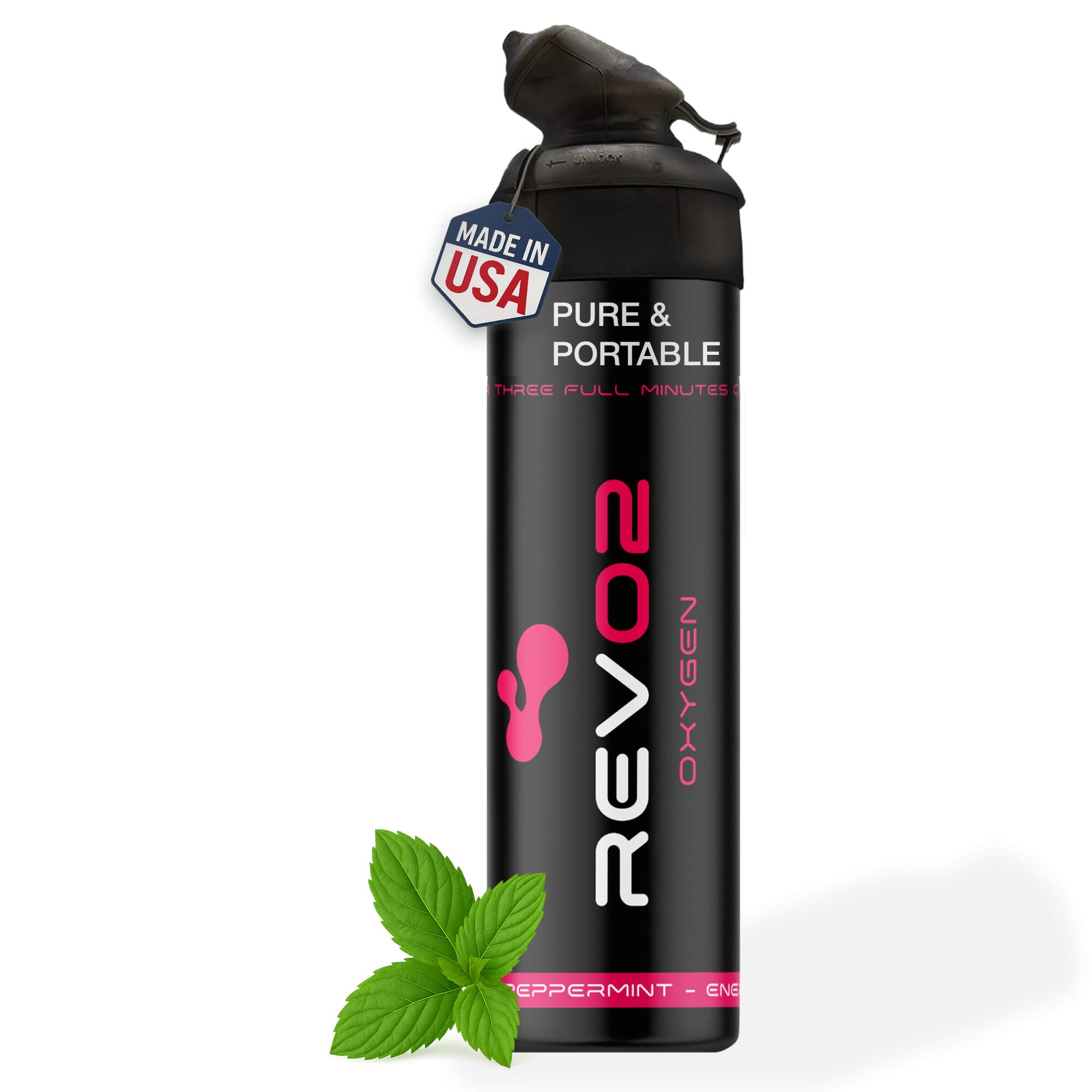

Canned, recreational, and flavored oxygen products cannot travel with you on a U.S. commercial flight, whether packed in a carry-on, checked, or carried on your person. The Federal Aviation Administration classifies these products as hazardous materials, full stop. If you need supplemental oxygen in the air, an FAA-accepted portable oxygen concentrator is the lawful path, and TSA will screen you and it through security into the gate area even though the same personal cylinders are barred from the cabin itself.
TL;DR:
- Canned and flavored oxygen products are classified as hazardous materials and are prohibited from carry-on, checked luggage, and personal carriage on U.S. flights.
- Only FAA-accepted portable oxygen concentrators are legally allowed onboard, and they must meet strict FDA and FAA criteria, including no generation of compressed gas.
- Retail sales of canned oxygen past airport security do not mean the product is permitted for flight, leading to frequent confiscation and delays at the gate.
- Travelers with medical oxygen needs should coordinate with airlines in advance and carry proper documentation and FAA-approved devices; canned oxygen is not a substitute for prescribed therapy.
- Canned oxygen is shipped only by ground within the U.S. because FAA rules prohibit air transport, and using it during a flight is both unsafe and illegal.
Table of Contents
- What the FAA, DOT, and TSA actually require about canned and compressed oxygen
- Why airport retail sales cause so much confusion
- Legally allowed onboard options: portable oxygen concentrators and airline rules
- Step-by-step checklist for traveling with medical oxygen needs
- Aviation and medical safety considerations for canned oxygen
- REV/O2’s perspective on canned oxygen and travel
- How to buy REV/O2 safely for ground use
- Sources
- FAQ
What the FAA, DOT, and TSA actually require about canned and compressed oxygen
The rule against flying with canned oxygen isn’t a matter of airline preference. It comes from federal hazardous materials law. Under the Department of Transportation’s Hazardous Materials Regulations in 49 CFR, compressed and liquid oxygen fall into a category that the FAA’s own PackSafe guidance says cannot travel in carry-on bags, checked bags, or on a passenger’s person on U.S. commercial flights. Canned, recreational, and flavored oxygen products don’t qualify for the narrow exceptions under 49 CFR 175.10 that let certain medicinal or toiletry items slip through.
TSA’s own guidance draws a clear line between two very different situations. Medically necessary personal oxygen has a specific screening pathway, while recreational oxygen has none, because it isn’t permitted at all.
- Canned and flavored oxygen: prohibited in carry-on, checked baggage, and on your person.
- Medically necessary personal oxygen: screened separately, with airline coordination required before boarding.
- Compressed gas cylinders generally: banned unless empty, open for inspection, and the valve is disconnected.
FAA guidance directly addresses the confusion at the source. The DGAB 2014-01 advisory states that canned oxygen sold in airports “may not be carried on commercial aircraft by passengers or crewmembers,” a clarification the agency felt necessary precisely because these cans keep showing up on store shelves past security.
Why airport retail sales cause so much confusion
If a can is sold past the checkpoint, most travelers assume it’s cleared for the flight. That assumption is wrong, and it’s common enough that the FAA addressed it directly in its advisory on canned oxygen. A retailer operating in the sterile area is following different rules than the ones governing what you can carry onto a plane. Availability at the gate says nothing about airline or FAA acceptance.
The practical fallout tends to follow a predictable pattern.
- Gate agents or security staff confiscate the can before boarding.
- Passengers face delays sorting out the item at the checkpoint or gate.
- Repeated attempts to carry hazardous materials can draw further scrutiny from TSA or the airline.
Pro Tip: If you’ve already bought a canned oxygen product inside the airport, don’t try to carry it to the gate. Return it to the retailer or leave it with security rather than risk a confiscation or a delay that eats into your boarding window.
Legally allowed onboard options: portable oxygen concentrators and airline rules
A portable oxygen concentrator, or POC, pulls oxygen from ambient air rather than storing it under pressure, which is why the FAA treats it differently from a canned or compressed product. The agency’s acceptance criteria for POCs spell out what a device needs to fly.
- The device must be legally marketed in the United States under FDA rules.
- It cannot generate compressed gas as part of its operation.
- It must carry the required manufacturer labeling confirming FAA acceptance.
- Its radio frequency emissions must fall within limits that don’t interfere with aircraft systems.
Batteries deserve their own planning.
- Confirm your specific POC model appears on the airline’s accepted list.
- Call the airline before you book, not the morning of your flight.
- Carry spare batteries in your carry-on rather than checked luggage.
Airlines don’t all handle this the same way, so a quick call ahead of time saves a stressful conversation at the gate.
Step-by-step checklist for traveling with medical oxygen needs
Traveling with a real oxygen need takes more planning than packing a device and hoping for the best. A little sequencing goes a long way.
- Contact your airline as soon as you have a travel date, and ask directly whether they provide onboard oxygen (most don’t) and what forms they require.
- Gather documentation, which may include a physician’s statement or the device’s FAA acceptance label, and keep both paper and digital copies.
- Charge and pack batteries to cover at least 150% of your scheduled flight time, with spares in your carry-on.
- Arrive early enough that screening your POC doesn’t threaten your boarding window.
- Confirm in writing, if possible, what the airline has agreed to before travel day.
At the airport, expect your POC to go through screening like any other electronic device. Remember that TSA will let a medically necessary personal oxygen cylinder through the checkpoint into the gate area, but the FAA doesn’t allow those same cylinders in the cabin, so any cylinder-based plan has to be arranged with the airline in advance, not assumed.
Pro Tip: If you depend on supplemental oxygen for a diagnosed condition, don’t treat canned oxygen as a backup plan. It isn’t a substitute for prescribed therapy, and the right fix is an accepted POC or a documented arrangement with your carrier.
Aviation and medical safety considerations for canned oxygen

Regulators treat compressed oxygen as hazardous for a concrete reason: it raises fire risk in a pressurized cabin, and that’s the same logic behind the 49 CFR restrictions that keep it out of both carry-on and checked baggage. The FAA and individual airlines apply that ban consistently, regardless of how the can is marketed or flavored.
A review of consumer use found that a meaningful share of buyers reach for OTC canned oxygen believing it treats a medical condition. A PubMed Central review of online reviews found that a noteworthy proportion described medical use, even though the product carries no FDA approval for treating any condition. That gap between perceived and actual medical value is exactly why clinicians caution against swapping canned oxygen in for prescribed therapy.
- Compressed oxygen adds fire hazard in enclosed cabin environments.
- OTC canned oxygen lacks FDA approval for medical treatment.
- Vendors restrict shipping to ground transport within the U.S. specifically because air carriage isn’t permitted.
REV/O2’s perspective on canned oxygen and travel
REV/O2 sells canned oxygen, and we’re upfront that it stays on the ground. Our products ship by ground only within the United States because FAA rules prohibit air carriage of canned oxygen, and we’d rather state that plainly than let a customer find out at a checkpoint.
— Paul
How to buy REV/O2 safely for ground use
REV/O2 fits the moments that happen before or after a flight, not during one: a recovery session post-workout, an energy boost at altitude once you’ve landed, or routine use for a day that’s leaving you drained.
- Peppermint Oxygen is designed to support energy and endurance.
- Lemon Oxygen is formulated for recovery and immune support.
- Eucalyptus Oxygen is intended to aid focus and relaxation.
Every order ships by ground within the U.S., in line with FAA restrictions on air carriage of canned oxygen. Check our guide to safe use and dosage before your first can, then browse the full lineup at Revo2 to find the blend that matches your routine.
This article is general information, not a substitute for advice from a qualified doctor. Consult a qualified healthcare professional about your own circumstances before acting on anything here.
Sources
- PackSafe - Oxygen (compressed or liquid) | Federal Aviation Administration
- Medically Necessary Personal Oxygen | Transportation Security Administration
- Study and review of OTC canned oxygen use and safety | PubMed Central
FAQ
Can I pack canned oxygen on a plane?
No. Canned, recreational, and flavored oxygen is classified as a hazardous material and is barred from carry-on bags, checked bags, and your person on U.S. commercial flights. Buying it inside the airport doesn’t change that rule.
Do you need a letter to fly with oxygen?
Requirements vary by airline, so it’s worth calling ahead, but many carriers ask for a physician’s statement or documentation confirming your device meets FAA acceptance criteria. Confirm the exact paperwork with your airline before booking, since policies differ from carrier to carrier.
What is the easiest way to carry portable oxygen?
An FAA-accepted portable oxygen concentrator, arranged with your airline in advance, is the most straightforward legal option for in-flight use.
Can I carry a portable oxygen can in flight?
No. Canned oxygen products don’t meet FAA criteria for cabin carriage and are prohibited in both carry-on and checked baggage, regardless of where they were purchased. TSA does screen medically necessary personal oxygen into the gate area, but that pathway doesn’t extend to recreational canned products or to cabin use of personal cylinders.