
The role of oxygen in airplane cabins is to maintain a breathable atmosphere at cruising altitudes where outside air pressure is far too low to sustain consciousness. Aircraft cabins are pressurized to simulate altitudes between 6,000 and 8,000 feet, keeping oxygen at 21% of the air mix. That percentage matches sea level, but lower barometric pressure means each breath delivers less oxygen to your blood. Blood oxygen saturation drops from a sea-level norm of 96–99% to roughly 90–94% in flight. Understanding this shift explains most of what you feel on a long haul: the fatigue, the mild headache, the foggy thinking.
How does an airplane cabin maintain safe oxygen levels?
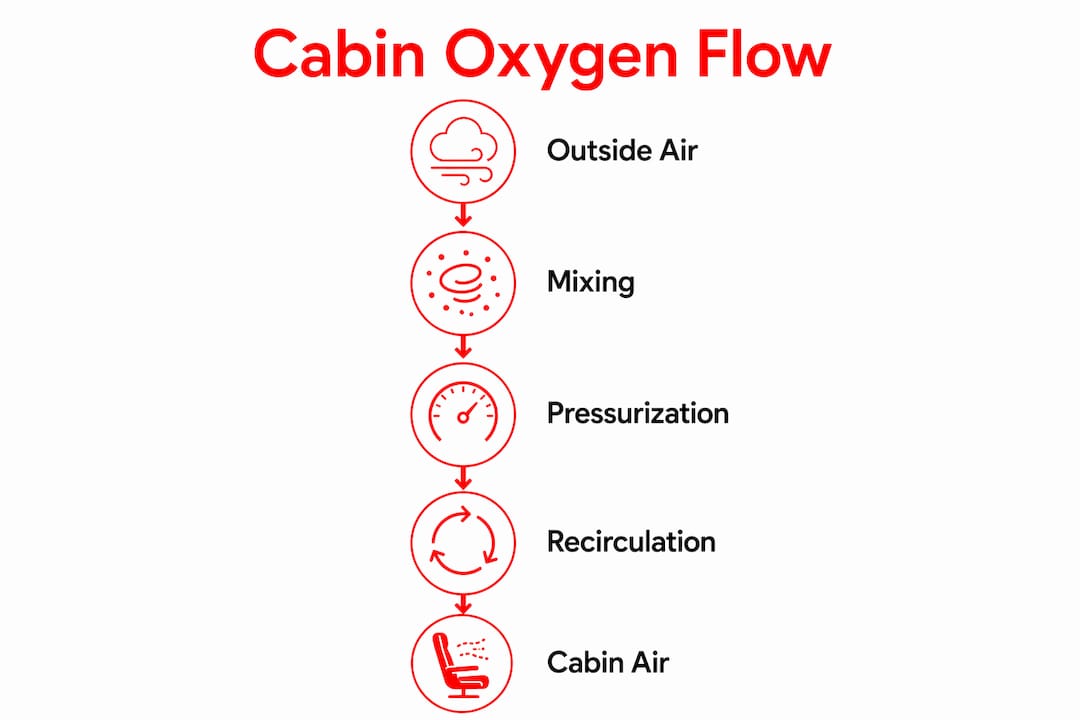
Aircraft cabins do not carry tanks of stored oxygen to breathe during normal flight. Instead, the pressurization system compresses outside air and pumps it into the cabin, keeping the interior at a pressure equivalent to 6,000–8,000 feet above sea level. The oxygen percentage stays at 21%, the same as at sea level. What changes is barometric pressure, which reduces how much oxygen each breath actually delivers to your lungs and bloodstream.
The air inside the cabin refreshes every 2–3 minutes through a system that blends outside air with recirculated cabin air. That recirculated portion passes through HEPA filters before re-entering the cabin. The result is air that is clean but dry, because compressing cold outside air strips out nearly all moisture. Cabin humidity typically sits at 10–20%, which compounds the physical stress of reduced oxygen availability.
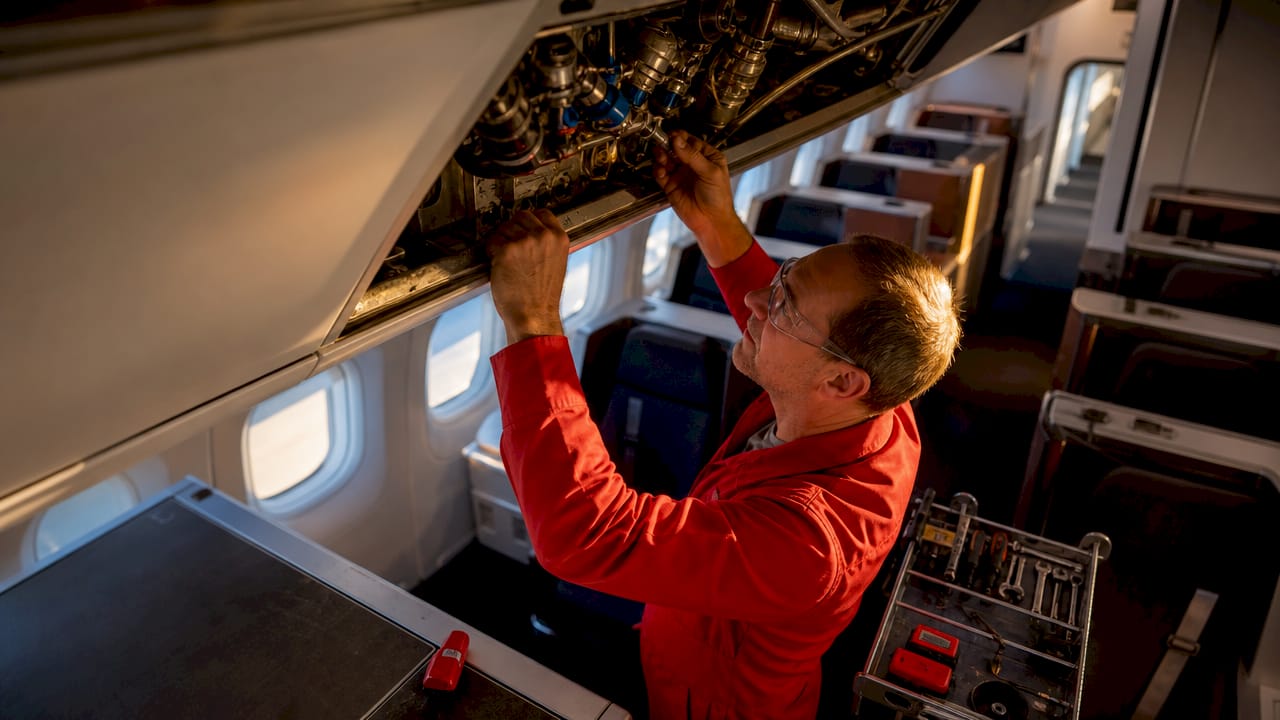
Newer composite aircraft, such as those built with carbon fiber fuselages, can maintain cabin altitude at 6,000 feet rather than the traditional 8,000 feet. That lower cabin altitude keeps blood oxygen saturation higher and reduces the compensatory strain on your heart. Travelers on these aircraft often report feeling noticeably less fatigued after long flights.
Key factors shaping oxygen delivery in a pressurized cabin:
- Barometric pressure drops at altitude, reducing oxygen per breath even when the percentage stays at 21%
- Air refresh rate of every 2–3 minutes keeps carbon dioxide from accumulating
- Cabin humidity at 10–20% accelerates dehydration, which worsens the sensation of low oxygen
- Aircraft type determines cabin altitude, with composite fuselages allowing a lower, more comfortable pressure setting
Pro Tip: If you have a choice of aircraft for a long flight, look up whether the route uses a composite aircraft. The lower cabin altitude alone can make a meaningful difference in how you feel on arrival.
What are the effects of low oxygen levels on passengers?
Mild hypoxia, the technical term for reduced oxygen availability in body tissues, is the baseline condition for every passenger on a commercial flight. Blood oxygen saturation falls 3–6% compared to sea level values. That drop triggers compensatory responses in your body, including a modest increase in heart rate and breathing rate, as your cardiovascular system works to deliver adequate oxygen to your brain and muscles.
The symptoms most travelers recognize are not dramatic. Headaches, lethargy, and difficulty concentrating are the most common. These symptoms overlap with dehydration, which the 10–20% cabin humidity actively promotes. The two conditions reinforce each other in a way that makes post-flight fatigue feel worse than either cause alone.
Jet lag is often blamed entirely on oxygen deficiency, but that is an oversimplification. Jet lag is multifactorial, driven by circadian rhythm disruption, sleep loss, dehydration, and mild hypoxia together. Oxygen deficiency contributes to the fatigue component, but resetting your body clock requires addressing sleep timing and light exposure as well.
Passengers who are more sensitive to these effects include:
- Older adults, whose cardiovascular systems have less reserve to compensate
- People with anemia, who already carry less oxygen per unit of blood
- Travelers with heart or lung conditions, for whom even a 3–4% saturation drop carries more risk
- Pregnant travelers, particularly in later trimesters when oxygen demand is elevated
Pro Tip: Drink water consistently throughout the flight, not just when you feel thirsty. Dehydration amplifies every symptom of mild hypoxia, and thirst is a late signal that you are already behind.
You can use the altitude oxygen calculator to see exactly how cabin altitude affects blood oxygen saturation at different pressure settings.
How do emergency oxygen masks work in aircraft cabins?
Emergency oxygen masks are not connected to pressurized oxygen tanks. They generate oxygen through a chemical reaction inside a small canister above your seat. The reaction combines sodium chlorate and iron filings, producing oxygen through an exothermic process. That is why the canister and mask can feel warm during use. This is normal and expected.
Masks deploy automatically when cabin altitude exceeds approximately 14,000 feet, which happens during a rapid decompression event. You pull the lanyard to activate the chemical generator. The system then supplies 12–15 minutes of supplemental oxygen. That window is precisely calibrated to allow the flight crew to execute an emergency descent to below 10,000 feet, where the outside air is breathable without supplemental oxygen.
The urgency of donning your mask immediately is not theater. At high altitude, useful consciousness without oxygen lasts only 15–30 seconds. That is the physiological reality behind the safety briefing instruction to put your own mask on before helping others. You cannot help anyone if you lose consciousness first.
| Feature | Passenger masks | Flight crew masks |
|---|---|---|
| Oxygen source | Chemical generator | Pressure-demand system |
| Duration | 12–15 minutes | Extended, variable |
| Fit | Loose fitting, rebreathing bag | Tight seal, full face coverage |
| Activation | Pull lanyard | Manual donning |
| Purpose | Emergency descent support | Sustained crew function |
Pro Tip: During the safety briefing, note where the nearest oxygen mask panel is above your seat. In a rapid decompression, you will not have time to look around. Muscle memory from that brief visual check can matter.
What regulations govern oxygen use in aviation?
The FAA sets clear thresholds for supplemental oxygen use in aviation. Pilots must use oxygen if they fly above 12,500 feet cabin altitude for more than 30 minutes. Above 14,000 feet, oxygen use is mandatory at all times. These rules apply to the flight crew, not passengers, because passengers are protected by the cabin pressurization system during normal operations.
Night vision impairment begins at cabin altitudes as low as 5,000 feet, well below the legal oxygen threshold. This is why experienced pilots often use supplemental oxygen earlier than regulations require, treating the legal minimums as a floor rather than a target. Pulse oximeters are a common tool among general aviation pilots for this reason, providing real-time feedback on blood oxygen saturation.
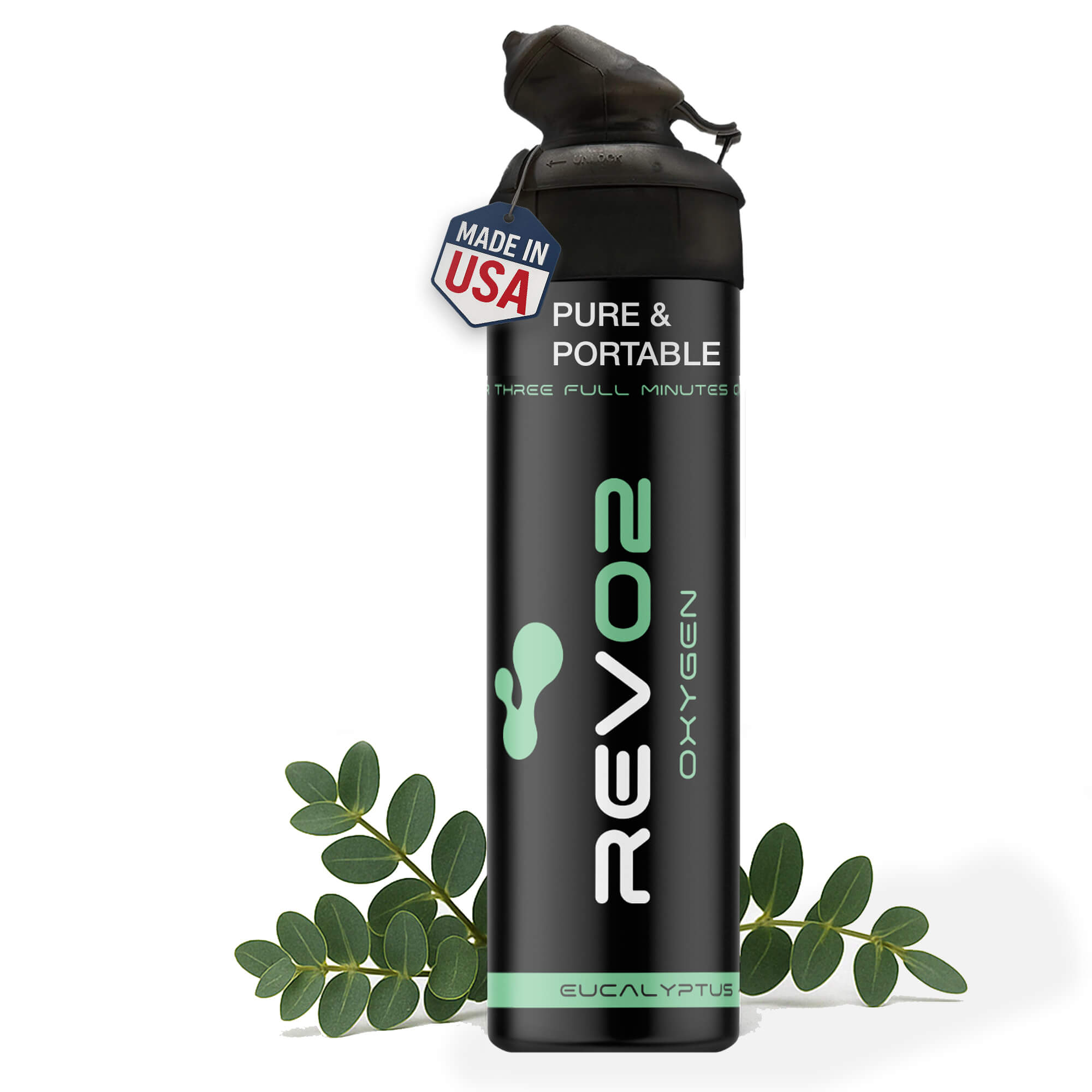
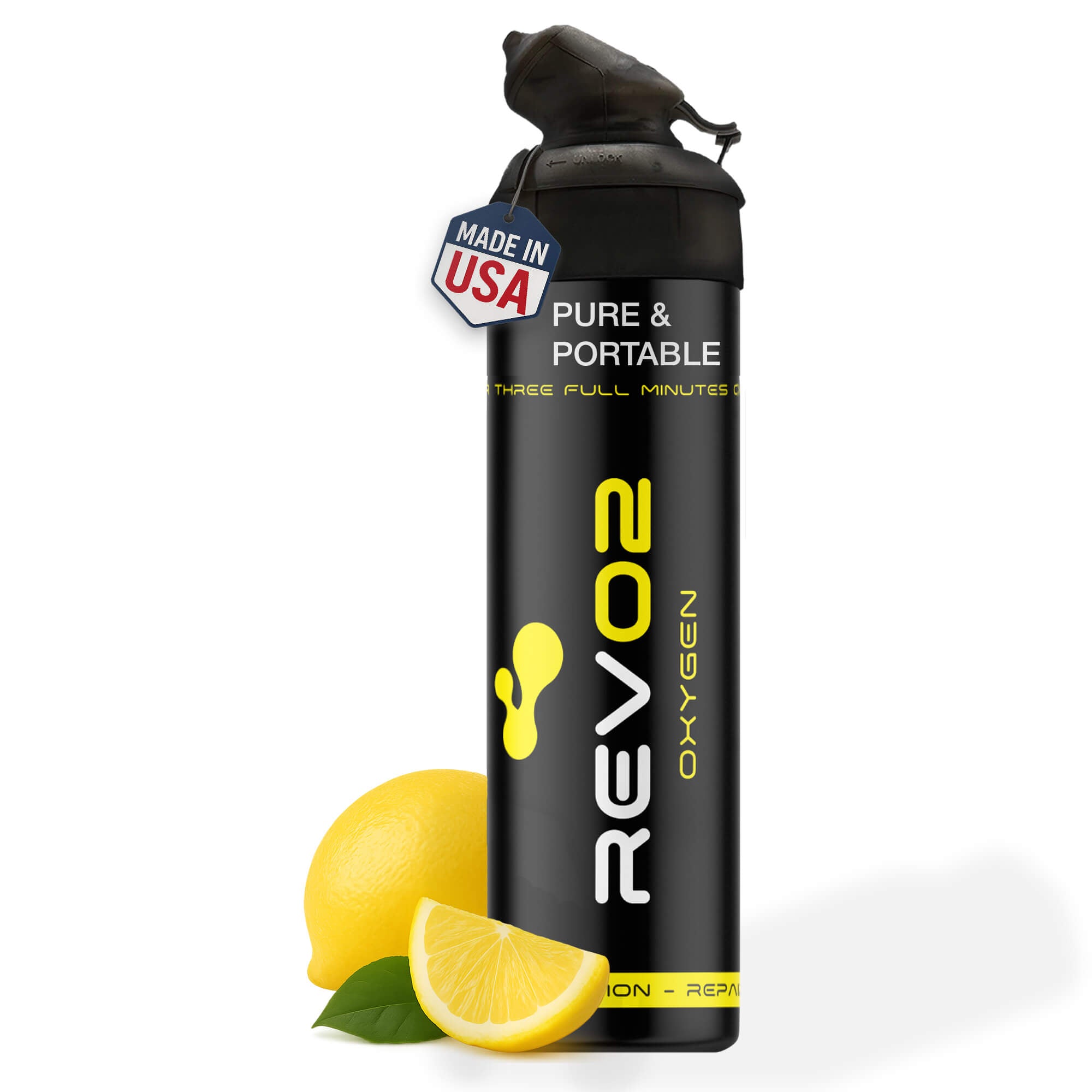
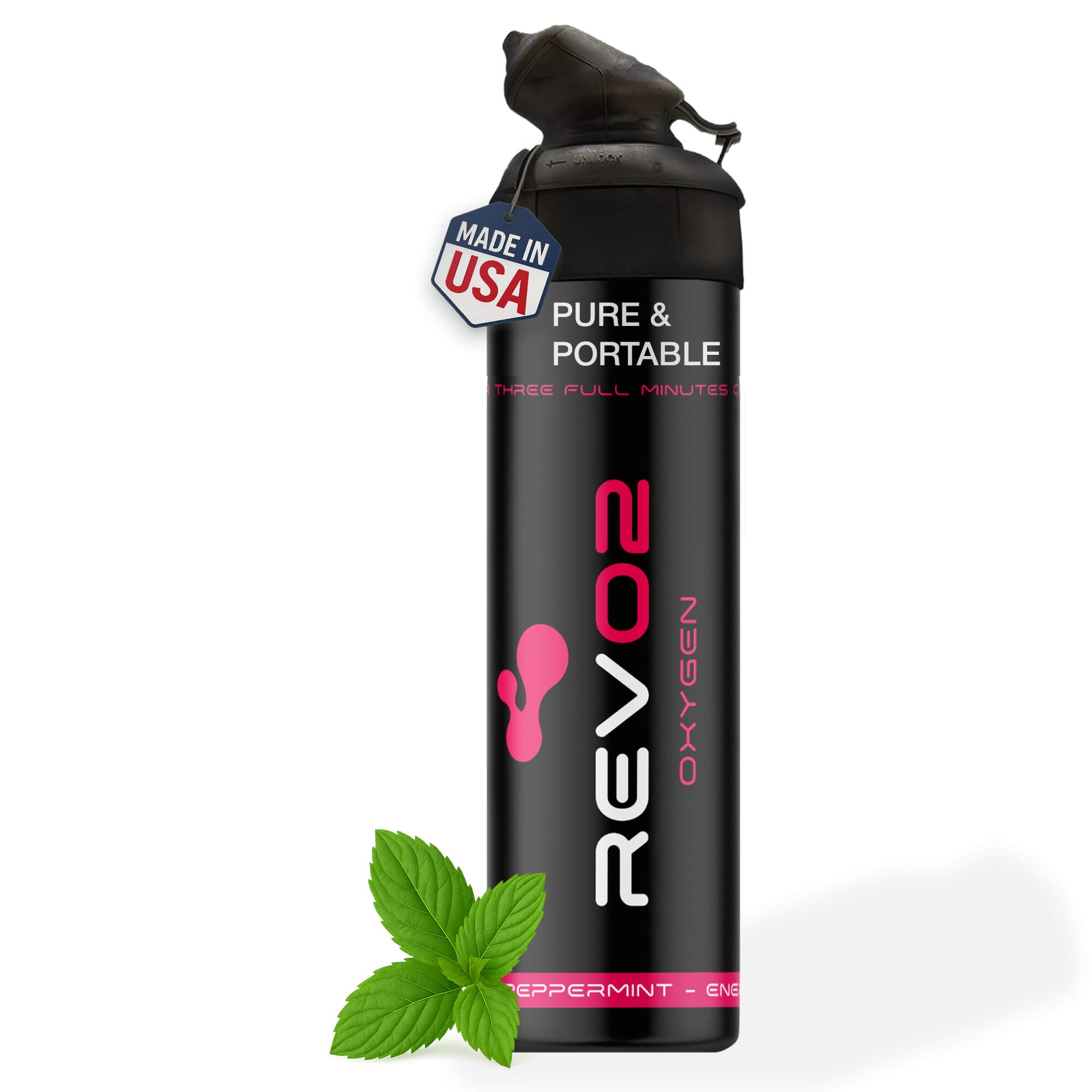
For passengers, no FAA regulation mandates supplemental oxygen during normal commercial flights. The pressurization system handles that. However, travelers with respiratory or cardiovascular conditions should consult a physician before flying, and some airlines can arrange medical oxygen for passengers who need it. Portable canned oxygen, such as the products offered by Revo2, provides a non-medical option for travelers seeking to support their comfort and energy levels before or after a flight.
Key regulatory thresholds for supplemental oxygen in aviation:
- Below 12,500 feet cabin altitude: No oxygen requirement for pilots
- 12,500–14,000 feet, over 30 minutes: Pilot oxygen required
- Above 14,000 feet: Pilot oxygen required at all times
- Above 14,000 feet cabin altitude (emergency): Passenger masks deploy automatically
- Night operations: Oxygen advised from 5,000 feet to protect vision
What I’ve learned about oxygen and air travel after years of attention
The gap between what travelers fear and what actually happens
Most travelers who feel anxious about cabin air are worried about the wrong thing. They fear the air is somehow contaminated or dangerously thin. The reality is more mundane and more manageable. The air is clean. The oxygen percentage is normal. What changes is pressure, and that pressure shift produces real but mild physiological effects that are well within the body’s ability to handle for most people.
What I find genuinely underappreciated is the composite aircraft difference. The shift to lower cabin altitudes in newer aircraft is not a marketing claim. It reflects a real engineering advance that reduces heart strain and keeps blood oxygen saturation meaningfully higher. If you fly frequently and feel the difference between aircraft types, that is likely why.
The other thing travelers consistently underestimate is the role of hydration. Oxygen saturation and hydration are not the same problem, but they produce overlapping symptoms. Treating both together, by drinking water and considering a portable oxygen supplement like Revo2 before or after a long flight, addresses the full picture rather than just one variable.
Understanding how oxygen systems work in an emergency also reduces anxiety. Knowing that masks deploy automatically, that the chemical generator is reliable, and that 12–15 minutes is enough time for a safe descent turns a frightening scenario into a manageable one. Knowledge is genuinely calming here.
— Paul
Portable oxygen for travelers who want to feel their best
Cabin air keeps you safe, but it does not keep you at your best. The mild oxygen reduction during flight is real, and its effects accumulate over hours. Revo2 offers 98% pure canned oxygen designed for exactly this kind of situation: not a medical emergency, but a physiological gap that affects how you feel and function.

Revo2’s zero-leak mouthpiece delivers oxygen without waste, making it practical to use in a seat or airport lounge. Travelers report improved mental clarity and faster recovery after long flights. The usage guide walks you through when and how to use it for the best results. Whether you are heading into a long-haul flight or stepping off one feeling drained, portable oxygen gives you a concrete way to support your body’s recovery.
Key Takeaways
Cabin oxygen levels are safe during normal flight, but the pressure-driven drop in blood oxygen saturation produces real physiological effects that every traveler experiences to some degree.
| Point | Details |
|---|---|
| Cabin altitude and saturation | Pressurized cabins simulate 6,000–8,000 feet, dropping blood oxygen saturation by 3–6% from sea level norms. |
| Emergency masks are time-limited | Passenger oxygen masks supply 12–15 minutes of oxygen via chemical generators, enough for a safe emergency descent. |
| FAA oxygen rules for pilots | Pilots must use supplemental oxygen above 12,500 feet for over 30 minutes, and always above 14,000 feet. |
| Composite aircraft advantage | Newer composite aircraft maintain cabin altitude at 6,000 feet, reducing heart strain and passenger fatigue. |
| Hydration compounds hypoxia | Cabin humidity of 10–20% accelerates dehydration, which amplifies every symptom of mild in-flight oxygen reduction. |
FAQ
What is the role of oxygen in airplane cabins?
The role of oxygen in airplane cabins is to sustain a breathable atmosphere by maintaining 21% oxygen concentration despite reduced barometric pressure at cruising altitude. Cabin pressurization systems achieve this by compressing outside air to simulate conditions at 6,000–8,000 feet above sea level.
Why do passengers feel tired after flying?
Post-flight fatigue results from a combination of mild hypoxia, dehydration from low cabin humidity, gas expansion discomfort, and prolonged sitting. No single factor causes it, and addressing hydration and oxygen levels together produces the best recovery.
How long does oxygen last in airplane emergency masks?
Passenger oxygen masks provide 12–15 minutes of supplemental oxygen generated by a chemical reaction inside the overhead canister. That duration is designed to cover the time needed for an emergency descent to breathable altitude below 10,000 feet.
Does cabin air quality affect blood oxygen saturation?
Yes. Blood oxygen saturation drops from a sea-level range of 96–99% to approximately 90–94% in a standard pressurized cabin. Travelers can check how altitude affects saturation using the oxygen saturation calculator at different cabin pressure settings.
Can portable oxygen help travelers during or after flights?
Portable canned oxygen, such as Revo2’s 98% pure oxygen cans, can support oxygen levels and aid recovery from mild hypoxia before or after a flight. It is not a medical device and does not replace cabin pressurization, but it addresses the physiological gap that leaves many travelers feeling drained on arrival.