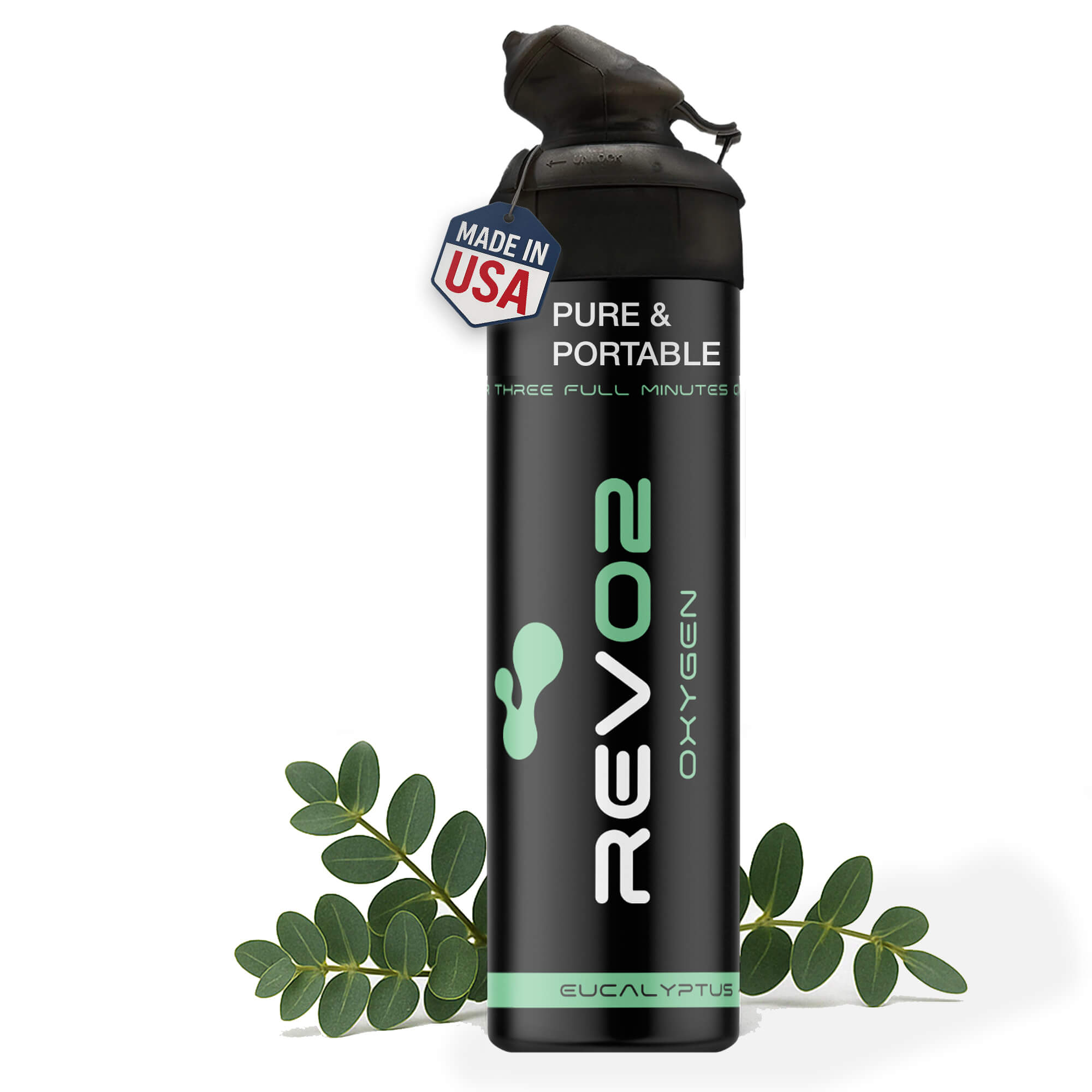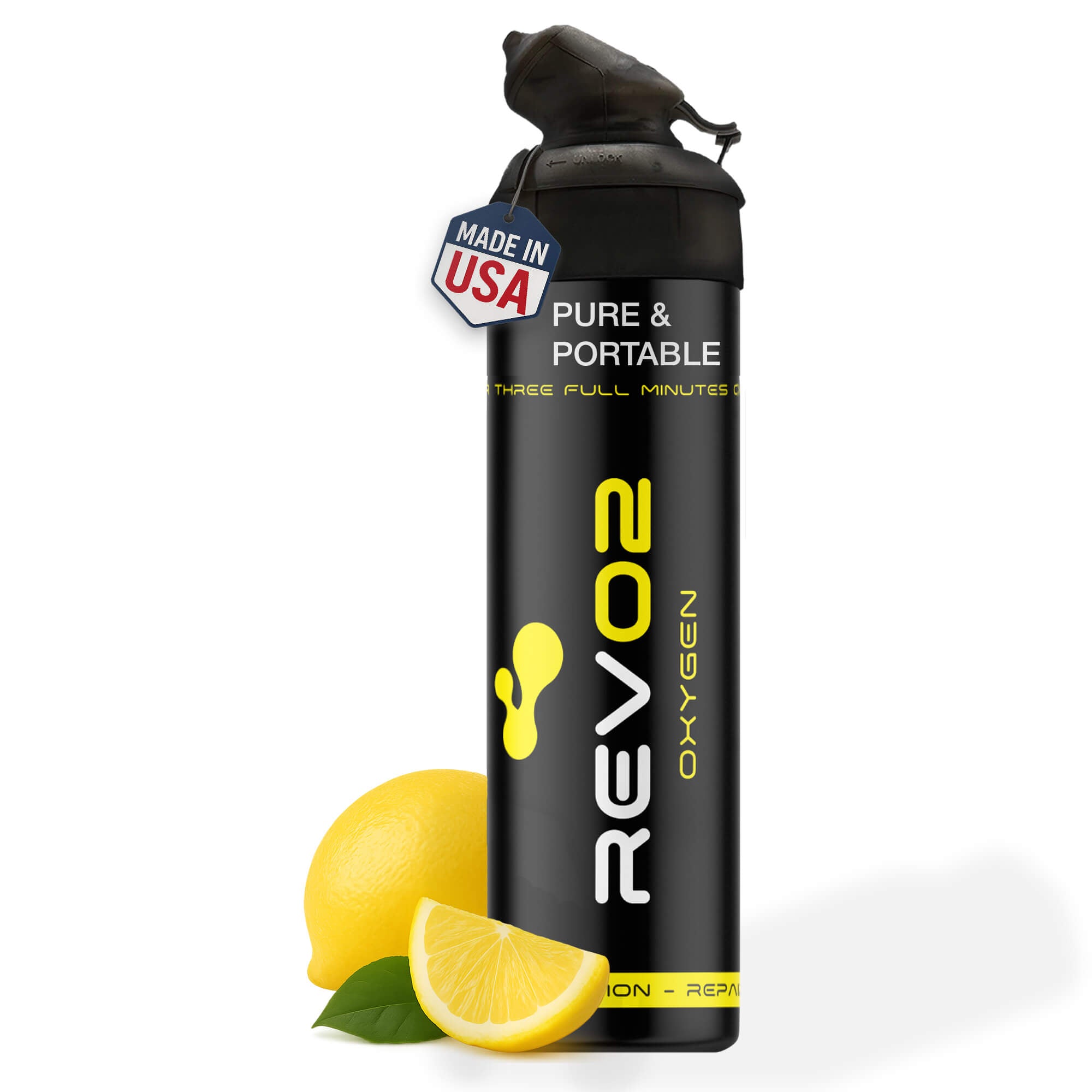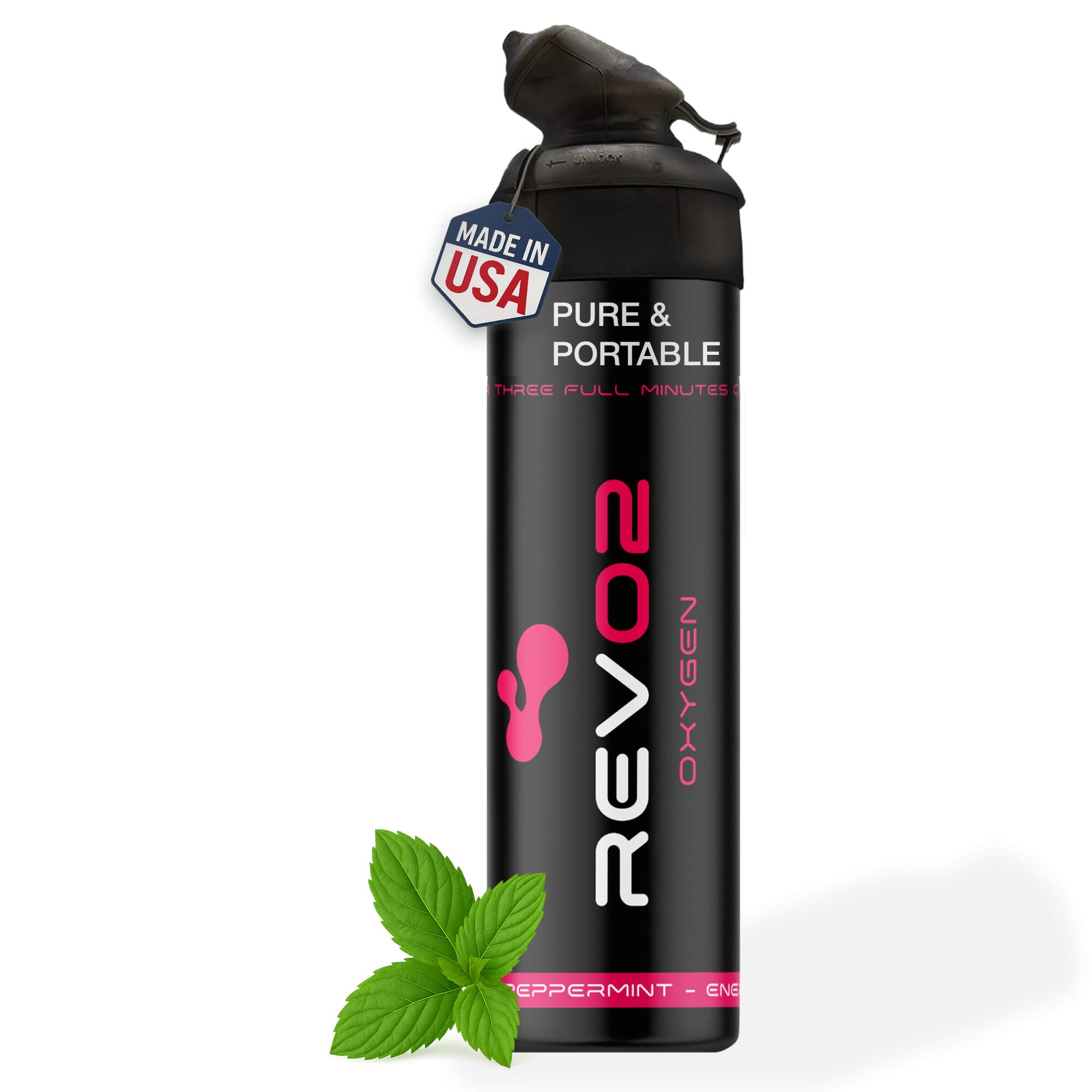

Portable canned oxygen can give gamers a short, transient lift in alertness and reaction time, but it is not a substitute for medical oxygen therapy or professional care. The available research points to brief windows of benefit rather than lasting gains, so treat it as a supplement to good habits, not a fix on its own. The safety and how-to sections below explain how to try it without unnecessary risk.
TL;DR:
- Canned oxygen provides only short-term, modest improvements in alertness and reaction speed, which tend to decay quickly under high cognitive load.
- It is regulated as a consumer product and should be used only in short, occasional bursts for safety; continuous ingestion or regular reliance could pose health risks.
- Using canned oxygen during gaming is safest when limited to one to three inhales before matches, in well-ventilated areas, and paired with basic health habits like hydration and sleep.
- It is not approved for medical use, and individuals with respiratory or heart conditions should consult a healthcare professional before trying it.
- The effect of canned oxygen on performance is unproven and inconsistent, making it a potentially low-value, temporary boost rather than a core gaming strategy.
Table of Contents
- What Is Canned Oxygen and How Is It Different From Prescription Oxygen?
- What Does the Research Say About Short-Term Focus Benefits?
- How Should Gamers Handle Canned Oxygen Safely?
- How Do You Try Canned Oxygen Safely During a Gaming Session?
- Are There Health Risks From Using Oxygen Too Often?
- How Does Canned Oxygen Compare to Other Gaming Performance Boosters?
- What Do Medical Professionals Say About Oxygen for Gaming Performance?
- Is Canned Oxygen Worth the Cost for Gamers?
- When Does Oxygen Actually Make Sense for a Gamer?
- REV/O2: A Ready-to-Use Canned Oxygen Option for Gamers
- Sources
- FAQ
What Is Canned Oxygen and How Is It Different From Prescription Oxygen?
A zero-leak mouthpiece lets you take short inhalation bursts rather than continuous flow, which is the main design difference between recreational products and medical equipment. You breathe in for a few seconds, then stop, rather than wearing a mask connected to a steady oxygen source.
Medical oxygen systems work differently. They deliver continuous flow over hours, require a prescription, and depend on monitoring by a clinician because too much oxygen for too long can cause its own problems. A review of consumer reviews for over-the-counter canned oxygen found that the product is marketed for recovery and altitude adjustment, and is explicitly not approved for medical use, yet some buyers described using it for medical-style purposes anyway.
That gap matters for gamers deciding whether to try it:
- Canned oxygen is regulated as a consumer product, not a drug, so labeling and dosing guidance come from the manufacturer rather than a physician.
- Medical oxygen concentrators and cylinders require a prescription because continuous high-concentration use needs clinical oversight.
- The zero-leak mouthpiece format is built for brief, occasional use, not for replacing a therapeutic oxygen regimen.
What Does the Research Say About Short-Term Focus Benefits?
The honest answer is: modest and temporary, with real limits on how confident anyone should be about the size of the effect. A systematic review and meta-analysis of acute normobaric hyperoxia found small to moderate improvements across cognitive domains including memory, attention, and reaction speed after short bursts of higher-oxygen breathing, but the quality of evidence was low and effects varied considerably.
A controlled crossover study with 20 participants found oxygen administration reduced errors on a demanding mental math task, though the benefit decreased more rapidly during higher cognitive load tasks. That detail matters for gaming specifically: a tense late-round firefight or a high-stakes decision under time pressure is exactly the kind of high cognitive load where a transient boost may not hold up as long as it would during a calmer stretch of play.
Putting the two findings together gives a realistic picture:
- Short-term attention and reaction-speed improvements are plausible after a brief oxygen inhalation, based on pooled results across multiple small trials.
- The effect appears to decay more quickly under intense cognitive demand, so it may help more between rounds than during the most stressful moments of a match.
- Evidence quality across the field is inconsistent, so nothing here should be read as a guarantee of better performance every time you use it.
How Should Gamers Handle Canned Oxygen Safely?
Oxygen is an oxidizer, which means it does not burn on its own but makes anything nearby burn faster and hotter. The DailyMed label information for oxygen warns that oxygen intensifies combustion and that continuous high-concentration use for medical purposes is prescription-only, since unsupervised extended exposure can cause harm. Those same physical hazards apply to a consumer canister sitting on your desk.
A few practical rules keep the risk low:
- Keep canisters away from heat sources, open flames, and anything greasy or oily, since oxygen dramatically speeds up how fast those materials ignite.
- Store cans upright in a cool, dry spot, out of reach of children, and never puncture or incinerate an empty one.
- Avoid smoking or vaping anywhere near an open canister, even briefly.
- Stick to short, occasional bursts rather than continuous breathing, since the label guidance for higher-concentration oxygen assumes medical supervision, not casual all-day use.
Anyone with a diagnosed lung or heart condition, anyone already on prescribed oxygen therapy, and anyone experiencing real shortness of breath or chest pain should talk to a doctor before trying a recreational oxygen product, and should seek care directly for acute symptoms rather than reaching for a can.
Pro Tip: Keep the canister at least a few feet from your PC’s power supply and any space heater, since both generate heat that oxygen will make more dangerous.
How Do You Try Canned Oxygen Safely During a Gaming Session?
A cautious, structured approach lets you judge whether it helps without taking unnecessary chances.
- Start with a single short trial of one to three inhales rather than prolonged continuous breathing, following the manufacturer’s dosage guidance for the product you’re using.
- Time the inhales before a round or between matches, when a short window of improved alertness is more likely to actually register, based on how quickly transient hyperoxia effects decay under load.
- Use it in an open, ventilated space away from candles, space heaters, vape devices, or anything with a pilot light.
- Keep hands clean and dry before touching the valve, since oily residue near an oxygen outlet raises fire risk.
- Track how you feel afterward: perceived alertness, reaction time on a warm-up map or aim trainer, and error rate over the next 10 to 15 minutes.
- Pair it with the basics that reliably affect gaming performance, like staying hydrated, taking real breaks, and getting enough sleep, rather than treating oxygen as a replacement for any of them.
Pro Tip: Log your results for a week before deciding whether it’s worth reordering, since a single good session could just be a good night either way.
Are There Health Risks From Using Oxygen Too Often?
Occasional short bursts of 98% oxygen are generally considered low risk for healthy adults, but frequent or prolonged use raises different concerns. The core issue is that oxygen delivered outside a monitored medical context was never studied for repeated daily use in healthy people, so there’s no solid evidence describing what happens with heavy, habitual reliance on it.
Some reviewers describe reaching for OTC canned oxygen the way they would a for a headache or fatigue remedy, using it well beyond the occasional-boost pattern it’s marketed for. The review of public comments on OTC canned oxygen flagged this pattern directly, noting that some consumers described medical-style usage that the product was never approved to support. That’s worth taking seriously, because leaning on a recreational product to manage a persistent symptom, like ongoing fatigue or breathlessness, can delay someone from getting an actual diagnosis for something that needs real treatment.
There’s also a simple psychological risk: expecting a can of oxygen to consistently fix a slow reaction time or a foggy head can mask the more likely culprits, poor sleep, dehydration, or just being tired from a long session. Used sparingly and for its intended purpose, a quick recovery or alertness boost, canned oxygen carries modest physical risk. Used as a daily crutch, it carries the risk of overlooking whatever is actually driving the fatigue.

How Does Canned Oxygen Compare to Other Gaming Performance Boosters?
Gamers already reach for a handful of tools to stay sharp, and oxygen sits alongside them rather than replacing them outright. Caffeine, in coffee or energy drinks, remains the most common stimulant choice, and a comparison of coffee versus energy drinks for gaming lays out the tradeoffs between the two in terms of onset time and crash. Nootropic supplements are another route; ingredients like nooLVL are marketed specifically for cognitive performance and have their own dosing considerations worth reading before combining with anything else.
Canned oxygen occupies a different niche than either of those. It has no stimulant crash to manage, no caffeine tolerance to build, and no capsule to swallow ahead of time, since the effect, if felt at all, shows up within moments of inhaling. That immediacy is its main practical advantage over a supplement you have to take 20 to 30 minutes before you expect to need it.
The tradeoff is that the evidence behind oxygen’s cognitive effects is thinner and more inconsistent than the stimulant research behind caffeine, and the benefit window appears to be shorter. A reasonable approach treats these as complementary rather than competing: hydration and sleep as the foundation, caffeine or a nootropic for sustained focus across a long session, and a can of oxygen as a quick, occasional reset between matches rather than the main strategy.

What Do Medical Professionals Say About Oxygen for Gaming Performance?
No major medical body has issued formal guidance specifically about using canned oxygen for gaming, because the product sits outside clinical practice entirely. What clinicians have weighed in on is the underlying physiology: oxygen availability is closely tied to cognitive performance, and a meta-analysis on hypoxia and cognitive function confirms that too little oxygen impairs attention, executive function, and memory. That establishes why oxygen matters for the brain in general, even though it doesn’t validate a specific gaming use case.
On the regulatory side, the FDA has periodically tightened labeling and container standards for medical gases to reduce mistakes in how oxygen products are identified and used, documented in Federal Register updates on medical gas labeling. That scrutiny applies to medical-grade products rather than recreational canisters directly, but it signals that regulators treat oxygen handling as a serious enough issue to keep revisiting the rules around it.
The practical guidance that does exist, largely from the researchers behind the cognitive studies cited above, amounts to caution rather than endorsement: short-term effects are plausible, the evidence is still thin, and anyone with an existing heart or lung condition should get individual medical advice before using any oxygen product recreationally.
Is Canned Oxygen Worth the Cost for Gamers?
Canned oxygen products are priced as a discretionary purchase, closer to an energy drink or supplement than a piece of gaming gear you buy once. That framing matters when weighing value, since the real comparison is against other short-term boosts you might already be buying rather than against a one-time hardware upgrade.
Where it can make sense is in situations with low frequency and clear intent: a tournament weekend with long downtime between matches, travel that throws off your sleep schedule, or a one-off session where you want to test whether a quick inhale changes how you feel. Buying a single can to try before committing to a multi-pack is the more sensible starting point than assuming it will become a daily habit.
Where it makes less sense is as a routine replacement for sleep, hydration, or breaks, since none of the research reviewed here suggests oxygen outperforms those basics, only that it might add a small edge on top of them. Judge the value the way you would any consumable: by whether the boost you notice, if any, is worth the repeat purchase, not by the marketing claims on the label.
When Does Oxygen Actually Make Sense for a Gamer?
The situations where a can of oxygen seems most reasonable are narrow: a tournament with long stretches between matches, a trip that leaves you jet-lagged before a big session, or a moment at altitude where you genuinely feel foggier than usual. In those cases, testing whether a short inhale changes how sharp you feel costs little and carries low risk.
The best way to judge it is honestly. Did you actually feel different, or did you just want it to work? Track a few sessions before drawing conclusions, and stop using it if you notice no real change or if you find yourself reaching for it daily instead of fixing sleep or hydration. And if what you’re feeling is genuine breathlessness, chest tightness, or persistent fatigue, that calls for a doctor, not a canister.
— Paul
REV/O2: A Ready-to-Use Canned Oxygen Option for Gamers
If you decide to test the short-term boost described above, a ready-to-use canned oxygen option can make the trial straightforward instead of another thing to research.
For gaming sessions, the Eucalyptus Oxygen - Focus & Relaxation blend lines up most directly with the alertness and clarity goals covered in this article, while Peppermint targets energy and endurance and Lemon leans toward recovery and immunity. All three are available as single cans or multi-packs on the canned oxygen collection page.
- Start with a single can to test the short-term effect before committing to a multi-pack.
- Review the safe usage guide before your first inhale, since dosing and storage guidance are covered there in full.
- Choose a flavor option that aligns with your intended effect rather than simply the lowest cost, as different blends are designed for varying purposes.
Sources
- Medical Use of Over-the-Counter Canned Oxygen: A Review of Public Comments
- Review The effect of acute normobaric hyperoxia on cognition: A systematic review, meta-analysis and meta-regression
- Oxygen Administration and Acute Human Cognitive Enhancement: Higher Cognitive Demand Leads to a More Rapid Decay of Transient Hyperoxia
- DailyMed - OXYGEN gas
FAQ
Does oxygen actually improve gaming performance?
Research on short bursts of higher-oxygen breathing shows small, transient improvements in attention and reaction speed in lab settings, though the evidence quality is described as low and inconsistent. It is not a proven way to boost gaming performance, just a plausible short-term aid.
Is canned oxygen safe to use every day?
Occasional short inhales are generally considered low risk for healthy adults, but oxygen is an oxidizer that requires careful handling around heat and flame, according to oxygen product labeling. Daily or heavy use hasn’t been studied for safety in healthy people, so it’s best kept occasional rather than habitual.
Can canned oxygen replace medical oxygen therapy?
No. Canned oxygen sold over the counter is marketed for recreational and recovery use, while medical oxygen is prescription-only and requires clinical monitoring, a distinction confirmed in a review of OTC canned oxygen marketing and usage. Anyone with a diagnosed respiratory or heart condition should talk to a doctor rather than substitute a consumer product.
How much canned oxygen should I inhale before gaming?
A common approach is one to three short inhales as a single trial before a round, rather than continuous breathing, following manufacturer dosage guidance. Tracking how you feel afterward over a few sessions gives a clearer answer than any single try.
What is REV/O2 and how is it different from other canned oxygen brands?
REV/O2 sells 98% pure canned oxygen with a zero-leak mouthpiece and flavor blends including Peppermint, Lemon, and Eucalyptus, each aimed at a different goal like energy, recovery, or focus. Its trigger-lock cap and mouthpiece design are built to reduce the waste that can happen with looser delivery systems.