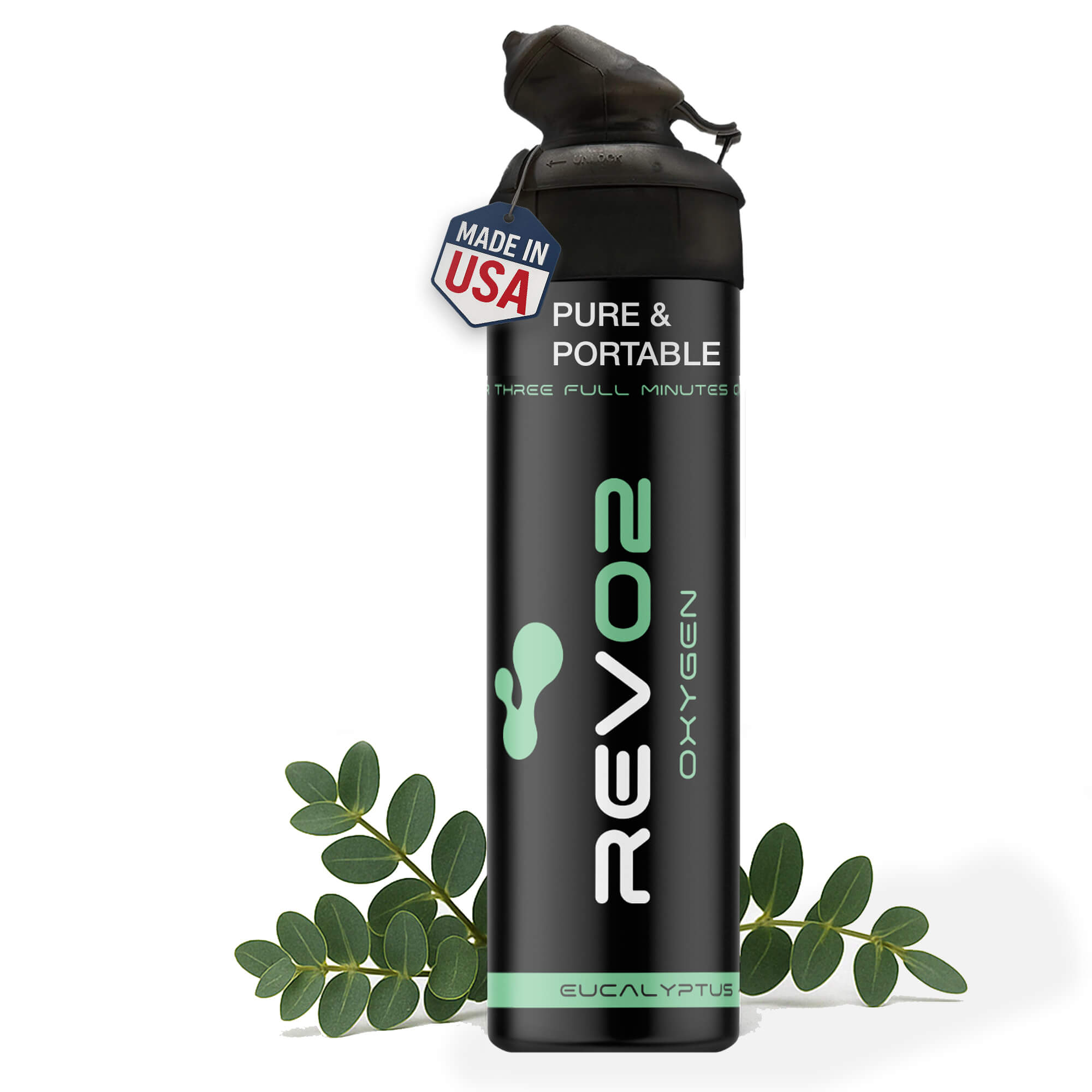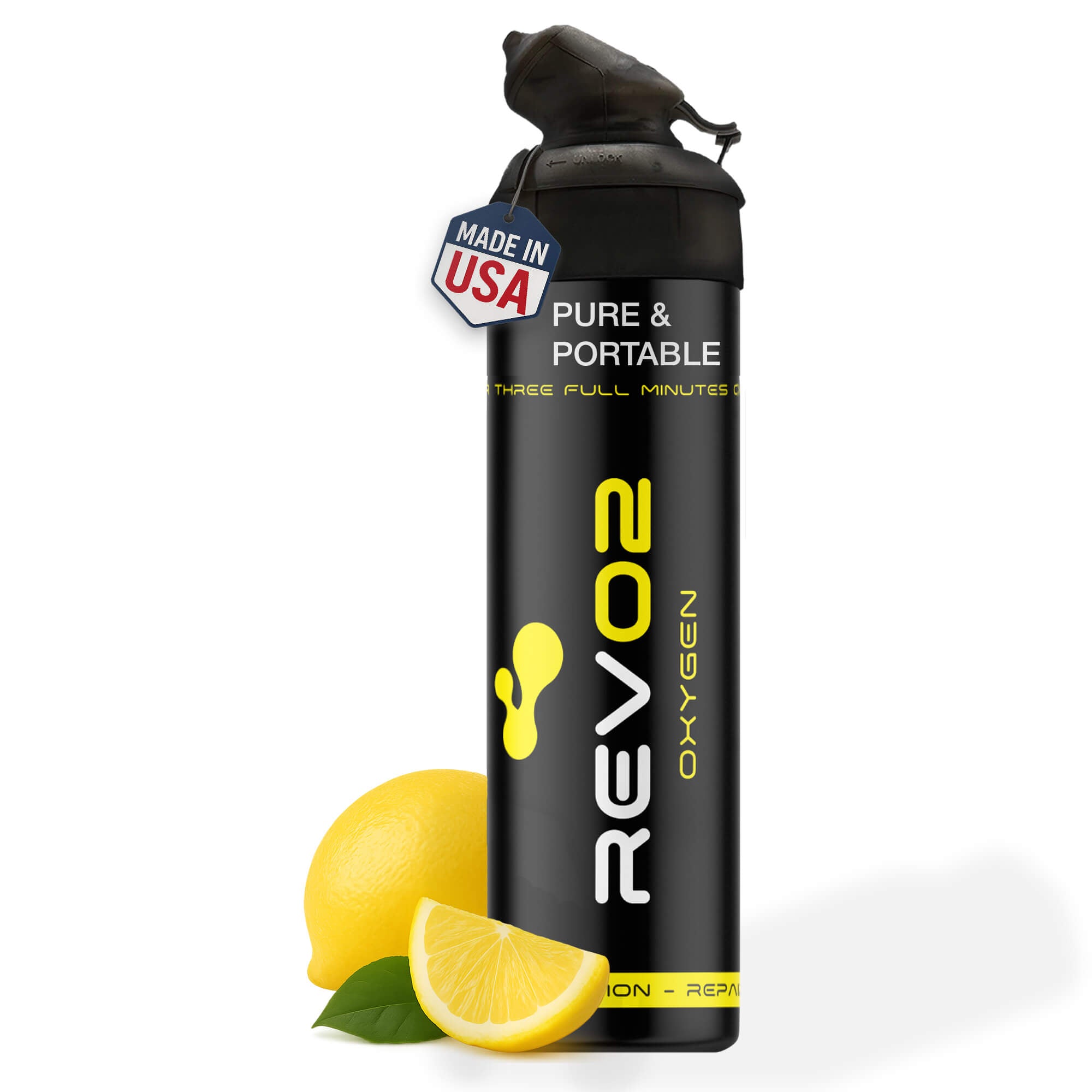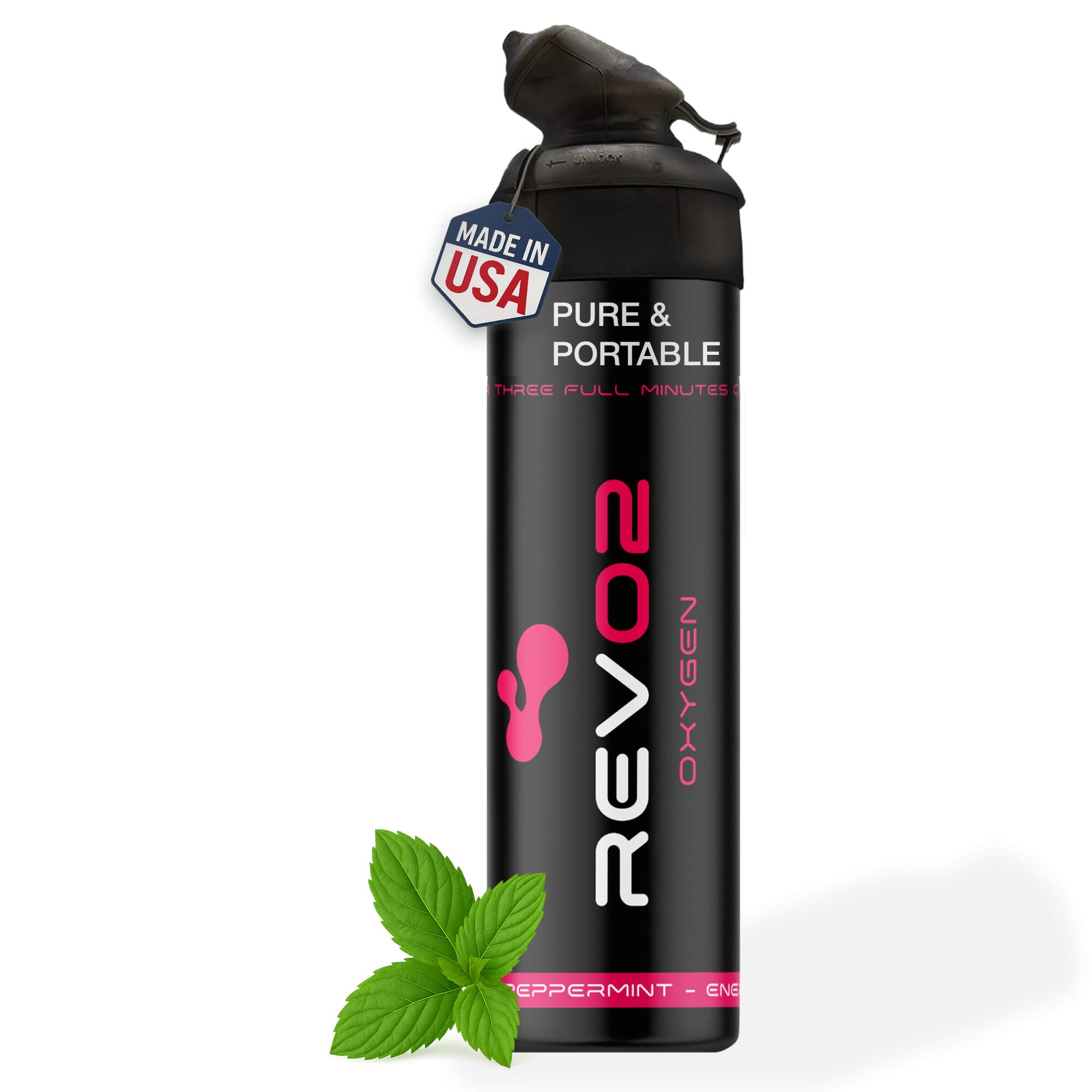

No, oxygen in a can is not itself flammable, but it dramatically lowers how much heat or spark it takes to start a fire nearby, and it makes anything that does catch burn hotter and faster. Oxygen is an oxidizer, not a fuel. Authorities like the American Lung Association and NOAA’s CAMEO Chemicals database treat pressurized oxygen, including canned oxygen from brands like Revo2, as a genuine fire hazard around any flame or heat source.
TL;DR:
- Pressurized canned oxygen is not flammable but significantly increases fire risk by enabling materials to ignite more easily and burn hotter once set ablaze.
- Oxygen-enriched environments can cause fabrics, oils, and greases to ignite spontaneously, with even small leaks or contact leading to dangerous fire conditions.
- Safety precautions include keeping cans away from heat, flames, and petroleum products, inspecting for damage regularly, and storing cans upright in cool, ventilated areas.
- Handling leaks involves immediate ventilation, shutting off flames, and avoiding water on fires fueled by oxygen, as oxygen accelerates combustion.
- The primary safety measure is to treat every can like a fuel container, maintaining distance from heat sources and performing regular valve checks, regardless of the can’s size or label.
Table of Contents
- Oxygen Can Flammability: Why Oxidizers Behave Differently Than Fuel
- Canned Oxygen Risks You Won’t See on the Label
- Safe Handling and Storage: A Practical Checklist
- What to Do If Something Goes Wrong
- How Revo2 Builds Safety Into Every Can
- What Actually Matters Here
- Where to Find Revo2’s Canned Oxygen and Safety Guidance
- Sources
Oxygen Can Flammability: Why Oxidizers Behave Differently Than Fuel
Fire needs three things to exist: fuel, heat, and an oxidizer. That’s the fire triangle taught in every basic fire safety course. Oxygen fills the third slot. It doesn’t burn on its own the way gasoline or propane does, but it’s the ingredient that lets combustion happen at all, and more of it means combustion happens faster and more violently.
This is where oxygen can flammability gets misunderstood. People hear “oxygen” and “canister” together and assume it behaves like a fuel canister, similar to butane or camp stove gas. It doesn’t. Oxygen combustion properties work in reverse: instead of igniting itself, oxygen feeds whatever is already burning or about to burn.
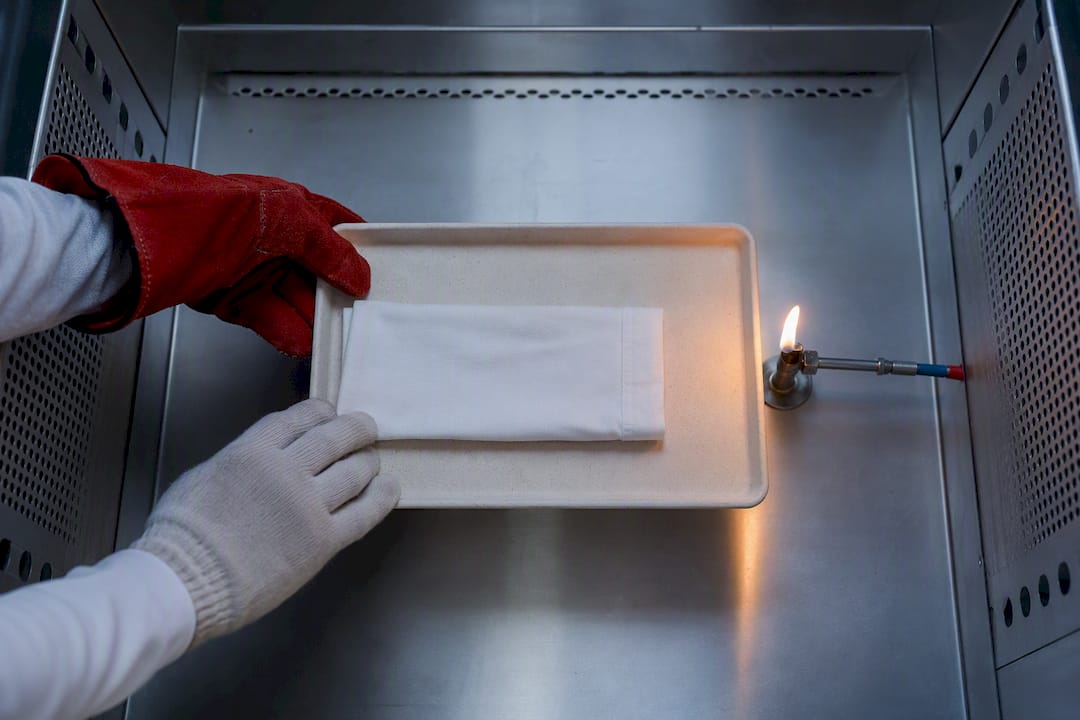
Concentration and pressure both matter here. In normal air, oxygen sits at roughly one-fifth of the volume. Pushing that concentration significantly higher can cause materials that resist ignition in regular air to catch with much less spark energy. A wool sweater that would smolder and self-extinguish in normal air can flare up and burn rapidly in an oxygen-enriched atmosphere. The NOAA CAMEO hazard profile notes that pressurized oxygen containers can rupture violently if exposed to prolonged heat or fire, since the trapped gas has nowhere to go as it expands.
A few materials illustrate this vividly:
- Cotton and wool fabric can ignite at noticeably lower temperatures once oxygen-enriched.
- Oil and grease in contact with pressurized oxygen can ignite without any external spark at all.
- Hair and skin oils hold enriched oxygen longer than people expect, especially after direct exposure.
Home oxygen use has been tied to a real, documented pattern of house fires, injuries, and deaths, largely because bedding and clothing near an oxygen source ignite faster and burn hotter than people anticipate, according to the National Park Service’s fire prevention guidance. That risk profile doesn’t disappear just because the oxygen source is a small can instead of a medical concentrator.
Canned Oxygen Risks You Won’t See on the Label
A portable can is smaller than a hospital oxygen tank, but the underlying hazard is identical. Fabric and hair absorb oxygen from a nearby leak or a burst of use, and that enrichment doesn’t vanish the second you close the cap.
The American Lung Association points out that clothing and hair can stay oxygen-enriched for a period after exposure, which means a lit cigarette or a stove flame minutes later, not just seconds later, can still trigger a fast-moving fire. Waiting for the smell to dissipate isn’t a safety test, because oxygen has no odor at all.
Mechanically, small cans still carry pressure, and pressure means failure risk. A valve that’s been dropped, over-tightened, or exposed to heat can leak slowly or fail outright. UCSF’s environmental health and safety office identifies hissing as one of the clearest early warning signs of a leak in any pressurized oxygen system, canned or industrial.
Quick signs a can needs to be pulled from use:
- A hissing sound from the valve or mouthpiece when it should be sealed
- Visible dents, corrosion, or damage to the canister body
- A valve that won’t seat or seal properly after normal use
- Any noticeable difference in how quickly the can empties compared to a fresh one
Medical oxygen cylinders and recreational cans differ in purity regulation and delivery format, but they share the exact same core hazard: an odorless, colorless gas that makes fire behave more aggressively.
Safe Handling and Storage: A Practical Checklist
Most oxygen can incidents trace back to a handful of preventable habits, not exotic failures. Here’s what actually reduces the risk in day-to-day use.
- Keep a minimum of 5 feet of clearance from open flames, lit cigarettes, candles, gas stoves, and space heaters whenever a can is in use, a distance the American Lung Association recommends for oxygen sources generally.
- Post a no-smoking reminder in any space where oxygen cans are stored or used regularly, especially shared households.
- Store cans in a cool, ventilated spot, away from direct sunlight, radiators, and anywhere temperatures regularly climb.
- Never leave a can in a parked car, particularly in summer, since dashboard and cabin temperatures can spike well past what’s safe for a pressurized container.
- Keep cans away from oils, grease, and petroleum-based products, since contact with pressurized oxygen can cause spontaneous ignition.
- Transport cans upright and secured so the valve stays protected and the canister can’t roll or take impact damage.
- Never attempt to modify, force, or repair a valve yourself; a can that won’t seal correctly should be set aside and reported to the supplier.
- Check airline rules before flying with any pressurized canister, since restrictions vary by carrier and by gas type. Cyclists dealing with a related issue, carrying CO2 cartridges through airport security, run into similar rules, as The Sport Factory explains.
Pro Tip: Store canned oxygen the same way you’d store a can of hairspray: upright, away from heat, and nowhere near a grill, fireplace, or car dashboard. If you wouldn’t leave hairspray there, don’t leave oxygen there either.
What to Do If Something Goes Wrong
If you smell nothing but hear hissing near an oxygen can, treat it as a leak, not a false alarm. Move away from the area, open windows or doors to ventilate, and shut off any nearby flame source if it’s safe to do so. If a fire has already started, call 911 immediately. Firefighters are trained to isolate oxygen sources first, because adding more oxygen to an active fire makes it burn hotter and spread faster, never slower.
That points to the most persistent myth out there: oxygen does not extinguish fires. It has the opposite effect. Home oxygen fires and injuries remain a documented safety concern, according to the National Park Service, which is exactly why there’s no safe way to smoke near an oxygen source, ever, even with a window cracked open.
Quick reference for anyone in the household:
- Hissing or a strong burst of gas smell (from surrounding materials, not the oxygen itself) means stop use immediately
- Never use water on an oxidizer-fed fire without letting emergency responders assess it first
- Assume enriched fabric near you is still a risk for several minutes after exposure
How Revo2 Builds Safety Into Every Can
Revo2’s canned oxygen is 98% pure oxygen delivered through a zero-leak mouthpiece, a design choice that limits the accidental venting that creates enrichment risk in the first place. That doesn’t make the product immune to the physics described above. Oxygen is still oxygen, whether it’s in a hospital tank or a flavored recreational can.
Revo2 publishes its own step-by-step guide to using canned oxygen safely, covering storage, handling, and how to inspect a can for damage before use. Readers who want a quick refresher on vehicle storage specifically can check Revo2’s guidance on keeping oxygen cans out of hot cars, which walks through exactly why cabin heat is a bigger risk than most people assume.
What Actually Matters Here
The conventional safety advice around oxygen tends to focus on hospital settings, tanks, tubing, concentrators, and largely ignores the small recreational can sitting in a gym bag or car console. That’s a gap worth closing. The physics doesn’t care about the size of the container.
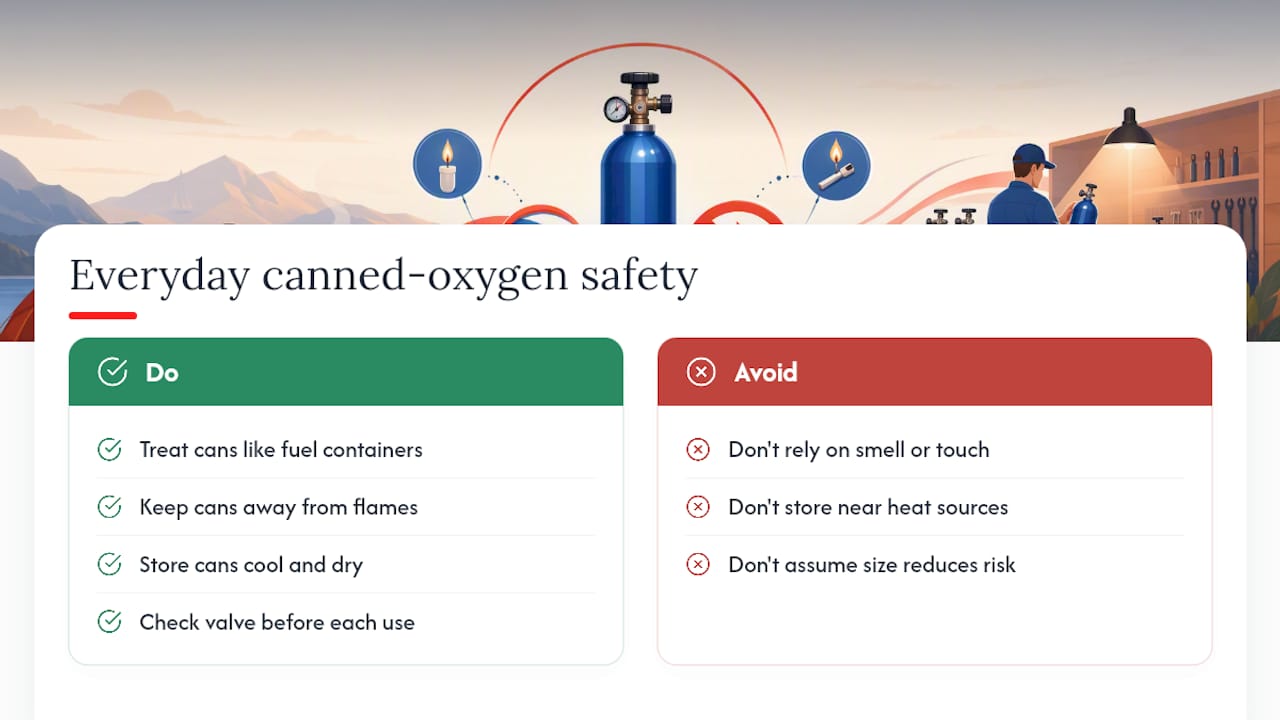
What gets overrated in most consumer discussions is the smell test. People assume they’ll notice something is wrong before it becomes dangerous. Oxygen gives you nothing to smell, see, or feel until the moment it matters, which is exactly why UCSF’s environmental health guidance leans on behavioral rules over sensory ones. Don’t try to detect an oxygen leak. Prevent the conditions that cause one.
If there’s one priority for everyday users, it’s this: treat every can the way you’d treat a small fuel container, even though oxygen itself won’t burn. Distance from flame, cool dry storage, and a quick valve check before each use will prevent nearly every incident tied to canned oxygen. The rest is mostly common sense that gets skipped because the risk feels abstract until it isn’t.
— Paul
Where to Find Revo2’s Canned Oxygen and Safety Guidance
Revo2 makes canned oxygen with 98% purity and a zero-leak mouthpiece built specifically to reduce the kind of accidental venting that raises fire risk around any oxygen source. It’s a straightforward option for hikers, travelers, and anyone who wants portable oxygen without a mask or tubing setup.

Before your first use, walk through Revo2’s guide to using canned oxygen safely, which covers storage, handling, and how to spot a damaged can. If you’re drawn to a specific scent profile, Revo2’s peppermint multi-packs are a popular starting point, and the lemon oxygen can lineup offers a lighter alternative for daily use. Whichever you choose, read the safety guide first, then place your order with a clear sense of how to store and handle it correctly from day one.
Sources
- Using Oxygen Safely | American Lung Association
- Fire and life safety: O2-enriched environments | UCSF EHS
- OXYGEN - CAMEO Chemicals | NOAA
- Fire Prevention 52: Oxygen—Vital for Life or Dangerous to Your Health | NPS
This article is general information, not a substitute for advice from a qualified doctor. Consult a qualified healthcare professional about your own circumstances before acting on anything here.